

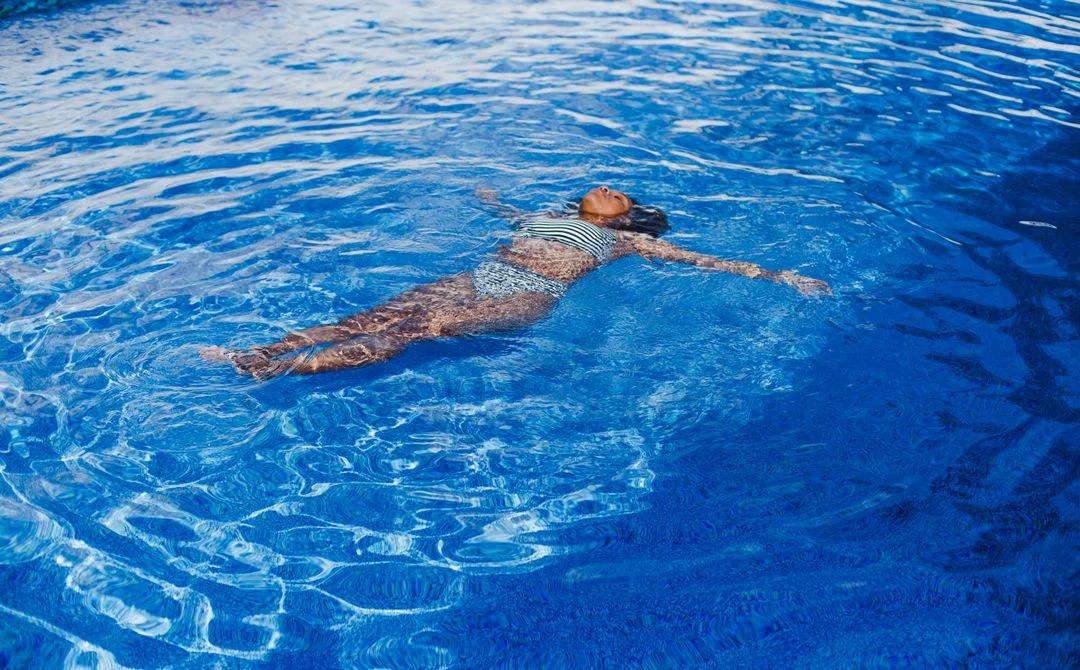
For countless individuals worldwide, running has long been lauded as a cornerstone of cardiovascular fitness and weight management. The sheer simplicity of lacing up shoes and hitting the pavement offers an undeniable appeal. However, this high-impact activity, while incredibly effective, presents significant challenges to the human body, particularly as individuals age or accumulate mileage. The repetitive shock absorption required by the joints can lead to a litany of common ailments, including patellofemoral pain syndrome (runner’s knee), iliotibial band syndrome (ITB syndrome), shin splints, stress fractures, and even more severe issues like hip displacement or chronic back pain. These adverse effects often force runners to curtail their activity, seek rehabilitation, or, in some cases, abandon running altogether, leading to frustration and a potential decline in fitness levels. Recognizing these limitations, a growing number of athletes, fitness enthusiasts, and medical professionals are turning to an innovative and highly effective alternative: water running, also known as aqua jogging or pool running. This cross-training method offers a compelling solution, allowing muscles to engage and the cardiovascular system to be challenged without the harsh, gravity-induced impact inherent in land-based running. It facilitates muscle toning, strength building, and endurance enhancement while meticulously safeguarding the knees, joints, hips, and back from undue stress.
The Mechanics of Buoyancy: Why Water Running Works
At its core, water running leverages the unique properties of water to create a low-impact, high-resistance exercise environment. When submerged, the human body experiences buoyancy, an upward force exerted by the fluid that opposes the weight of an immersed object. In the context of deep-water running, this buoyancy effectively reduces the gravitational load on the joints to near zero, eliminating the ground reaction forces that contribute to impact injuries. The sensation is akin to running on air, allowing for a full range of motion without the associated pain or risk of further injury. Beyond buoyancy, water provides hydrostatic pressure, which uniformly compresses the body. This pressure aids in venous return, reduces swelling (edema), and can even alleviate muscle soreness by promoting blood flow and lactic acid removal. The density of water also offers a constant, multidirectional resistance, meaning every movement, whether forward, backward, or lateral, becomes a strength-building exercise. Unlike air, water resistance increases proportionally with speed, allowing individuals to tailor the intensity of their workout simply by adjusting their effort. This combination of reduced impact and increased resistance makes water running an unparalleled tool for both rehabilitation and advanced fitness training.
A Brief History and Evolution of Aqua Jogging
While the concept of exercising in water is ancient, formalizing water running as a distinct training and rehabilitation modality gained significant traction in the latter half of the 20th century. Early pioneers in sports medicine and physical therapy recognized the potential of water to facilitate recovery and maintain fitness for injured athletes. One of the earliest proponents and developers of structured aqua jogging programs was Dr. Robert Wilder, a sports medicine physician, who popularized deep-water running techniques for athletes in the 1980s. His work, alongside others, helped establish protocols for maintaining cardiovascular fitness during injury layoffs and for enhancing performance without adding extra stress to the body. Initially seen primarily as a rehabilitation tool for elite athletes, aqua jogging gradually permeated mainstream fitness, becoming a recommended cross-training activity for runners, seniors, and individuals with chronic pain conditions. The development of specialized equipment, such as flotation belts, further solidified its legitimacy and accessibility, making it easier for participants to maintain proper form and intensity in deep water.
Scientific Validation and Physiological Benefits
The efficacy of water running is not merely anecdotal; it is supported by a growing body of scientific research. A pivotal 2003 study on deep-water running, published in the Journal of Strength and Conditioning Research, demonstrated that it could provide adequate cardiovascular activity, maintaining heart rates and oxygen consumption levels comparable to land-based running, albeit often with a lower perceived exertion. This implies that individuals can achieve significant cardiovascular benefits without the physical strain typically associated with traditional running.
Further research has explored various physiological responses to aqua jogging:
- Cardiovascular Fitness: Studies consistently show that water running can effectively elevate heart rate to target training zones and improve VO2 max (maximal oxygen uptake), a key indicator of aerobic fitness. The increased resistance of water means that less speed is required to achieve the same cardiovascular output as on land, making it efficient for conditioning.
- Muscle Activation and Strength: While reducing impact, water’s resistance actively engages major muscle groups, including quadriceps, hamstrings, glutes, and core muscles, in a balanced manner. This leads to improved muscular endurance and strength, often correcting muscular imbalances that can arise from land running.
- Joint Health: The primary benefit remains the profound reduction in joint loading. For individuals with osteoarthritis, rheumatoid arthritis, or those recovering from orthopedic surgeries (e.g., knee or hip replacements), water running allows for pain-free movement and strengthens the supporting musculature without exacerbating joint damage.
- Injury Prevention and Rehabilitation: As highlighted in the original article, aqua jogging is an athlete’s best-kept secret for rehabilitation. It allows injured athletes to maintain fitness and range of motion, accelerate recovery by promoting circulation, and safely reintroduce running-specific movements without the risk of re-injury. For healthy athletes, it serves as an excellent active recovery tool, flushing out metabolic waste and reducing muscle soreness post-hard workouts.
- Improved Running Form: The buoyant environment of water running encourages an upright posture and a balanced stride. Without the constant threat of gravity, runners can focus on refining their mechanics, such as hip drive, knee lift, and arm swing, which can then translate to more efficient and injury-resistant running on land.
- Thermoregulation: In hot climates or during intense workouts, water provides a cooling effect, preventing overheating. This makes it an ideal option for maintaining outdoor exercise routines year-round, even when temperatures soar.
Who Benefits from Water Running?
The versatility of water running makes it suitable for a diverse demographic:
- Elderly Individuals: For seniors, particularly those with age-related joint degeneration or mobility issues, aqua jogging offers a safe and enjoyable way to maintain cardiovascular health, muscle strength, and flexibility, thereby improving quality of life and functional independence.
- Individuals with Arthritis and Chronic Pain: The non-weight-bearing nature of water running provides immense relief for those suffering from arthritis, fibromyalgia, or chronic back pain, enabling them to exercise without aggravating their conditions.
- Runners and Elite Athletes: As a powerful cross-training tool, it helps improve stamina, enhance recovery, and prevent overuse injuries. Many professional runners incorporate aqua jogging into their weekly training schedule, especially during periods of high mileage or injury susceptibility.
- Individuals Recovering from Injury or Surgery: Physical therapists frequently prescribe water running as a crucial component of rehabilitation programs, facilitating a gradual return to activity.
- Pregnant Individuals: The buoyancy supports the body, reducing strain on the back and joints, while the cooling effect helps manage body temperature, making it a safe and effective exercise option during pregnancy.
- Beginners and Those Transitioning from a Sedentary Lifestyle: It offers a gentle entry point into regular exercise, building foundational fitness without the intimidating impact or high skill requirements of other activities.
- Individuals Seeking Weight Management: While perhaps not burning as many calories as high-intensity land running for the same duration, the resistance provided by water makes it an effective full-body workout that contributes to calorie expenditure and muscle building, both crucial for weight management.
Techniques and Training Methodologies for Optimal Results
To maximize the benefits of water running, proper technique is paramount. The goal is to mimic a natural running motion as closely as possible, without touching the bottom of the pool.
- Deep Water Running: This is the most common form, requiring a flotation belt to keep the body upright and buoyant.
- Posture: Maintain an upright, slightly forward-leaning posture, similar to land running. Avoid slumping or leaning too far back. Keep your head aligned with your spine, gaze forward.
- Arm Movement: Your arms should move naturally, similar to land running, with elbows bent at approximately 90 degrees. Use them to propel you forward and maintain balance. The water’s resistance will engage your shoulder and arm muscles.
- Leg Movement: Focus on a high knee lift and a powerful "push" backward with your feet, engaging the glutes and hamstrings. The "down thrust" against the water’s pressure is crucial for building strength. Avoid simply cycling your legs; aim for a strong, deliberate stride.
- Cadence: While not as critical as on land, maintaining a steady, consistent cadence helps maintain heart rate and muscle engagement.
- Shallow Water Running: This involves running in water that is waist to chest deep, where some body weight is still borne by the legs, but impact is significantly reduced. This is often used as a transitional phase from deep water to land running. It can also be used for speed drills or plyometric exercises with less impact.
Structuring a Water Running Workout:
A typical water running session might include:
- Warm-up (5-10 minutes): Gentle aqua jogging, arm circles, leg swings, and dynamic stretches in the water.
- Main Set (20-45 minutes, gradually increasing):
- Steady State: Continuous aqua jogging at a moderate intensity, maintaining an elevated heart rate.
- Interval Training: Alternate periods of high-intensity aqua jogging (e.g., 5 minutes) with periods of active recovery (e.g., 1 minute) at a lower intensity. Gradually increase the high-intensity duration and reduce recovery time as fitness improves.
- Drills: Incorporate specific running drills like high knees, butt kicks, or backward running to target different muscle groups and improve form.
- Cool-down (5-10 minutes): Gentle aqua jogging, followed by static stretches in the water to lengthen muscles and bring the heart rate down.
Essential Equipment for Water Running
While the beauty of water running lies in its minimal equipment requirements, a few items can significantly enhance the experience and effectiveness:
- Swimsuit and Goggles: Standard swimming attire is sufficient. Goggles are optional but can be helpful if submerging the face.
- Flotation Belt (Aqua Belt): This is the most crucial piece of equipment for deep-water running. Worn around the waist, it provides the necessary buoyancy to keep the head above water and the body upright, allowing for proper running form without touching the pool bottom. Various designs are available, offering different levels of buoyancy and comfort.
- Water Shoes: While not strictly necessary, water shoes can improve grip on pool surfaces, protect feet, and add a small amount of resistance.
- Resistance Tools: As proficiency increases, additional tools can intensify the workout:
- Aqua Dumbbells/Hand Buoys: These provide upper body resistance, enhancing arm strength and cardiovascular demand.
- Webbed Gloves/Paddles: Worn on the hands, these increase water resistance during arm movements, boosting upper body and core engagement.
- Ankle Weights/Cuffs (Water-Specific): These can add resistance to leg movements, increasing strength training benefits, but should be used cautiously and ideally under professional guidance to avoid altering natural mechanics.
Expert Perspectives and Practical Implications
Sports medicine professionals widely endorse water running. Dr. Emily Thorne, a physiotherapist specializing in sports injuries, notes, "Aqua jogging is invaluable for our athletes. It allows them to maintain peak cardiovascular fitness and muscular strength during injury layoffs, significantly shortening their return-to-sport timeline. For non-athletes, it’s a fantastic way to engage in vigorous exercise without the cumulative wear and tear on joints."
Running coaches also see its merits. Coach David Lee, a marathon trainer, often integrates it into his athletes’ schedules. "On recovery days or when we’re ramping up mileage, I encourage my runners to swap a land run for an aqua jog. It provides an active recovery, reduces muscle soreness, and helps them focus on form without the fatigue of impact. It’s a game-changer for longevity in the sport."
The broader implication of water running’s growing popularity is a shift towards more sustainable and inclusive fitness practices. As populations age and awareness of joint health increases, low-impact alternatives become increasingly vital. While accessibility to pools might be a minor hurdle for some, the increasing availability of public pools and dedicated aquatic fitness programs is helping to overcome this.
Important Considerations and Final Advice
While water running offers a multitude of benefits, it is crucial to approach it thoughtfully:
- Consult a Health Professional: Especially if you are recovering from an injury, managing a chronic condition, or are new to exercise, always consult a physician or physical therapist before starting any new fitness regimen, including aqua jogging. They can provide personalized advice and ensure it aligns with your health needs.
- Listen to Your Body: Even in water, it’s possible to overexert yourself. Pay attention to your perceived exertion and heart rate.
- Consistency is Key: Like any exercise, regular practice yields the best results. Aim for consistent sessions to build stamina and strength.
In conclusion, water running stands as a powerful testament to the ingenuity of adaptive exercise. It offers a life-changing alternative for those seeking effective cardiovascular conditioning, muscle toning, and injury rehabilitation without the detrimental impact of gravity. From elite athletes extending their careers to seniors maintaining their vitality, aqua jogging provides a refreshing, safe, and profoundly beneficial pathway to sustainable fitness and enhanced well-being. Its scientific backing, historical evolution, and growing adoption underscore its role not just as a niche activity, but as a fundamental component of a holistic approach to health and physical longevity in the modern world.

