

For over a century, the concept of fasting has been recognized not only for its potential to combat mental fatigue but also for its purported role in extending healthy lifespan. Emerging scientific research now points to Fibroblast Growth Factor 21 (FGF21) as a crucial molecular player in this longevity equation. Characterized as a "systemic enhancer of longevity," FGF21 levels can be significantly influenced by lifestyle choices, particularly diet and exercise. While prolonged fasting is a known catalyst for boosting FGF21, a growing body of evidence suggests that more accessible dietary adjustments can yield similar, health-promoting effects, offering a compelling avenue for individuals seeking to enhance their well-being and potentially extend their years of healthy living.
The Science of FGF21: A Hormone Linked to Longevity
FGF21 is a metabolic hormone that plays a multifaceted role in regulating energy homeostasis, glucose metabolism, and lipid metabolism. Its influence extends to various physiological processes, and its ability to be modulated by dietary intake has made it a focal point for researchers investigating longevity and metabolic health. Historically, the understanding of FGF21’s impact has evolved significantly. Early observations in animal models and human studies began to illuminate its protective effects against metabolic disorders.
Dietary Strategies to Boost FGF21
The quest to harness the benefits of FGF21 has led researchers to explore specific dietary patterns and macronutrient compositions. Contrary to the idea that extreme dietary restrictions are the sole pathway, recent findings highlight the power of incorporating certain foods and adjusting the balance of others.
The Carbohydrate Connection: Fueling FGF21 Production
One of the most surprising discoveries is the direct correlation between carbohydrate intake and elevated FGF21 levels. Studies have demonstrated that providing individuals with ample starchy foods can lead to a significant surge in circulating FGF21. The healthiest sources of these carbohydrates are often found in whole grains and legumes. This is partly attributed to the production of butyrate, a short-chain fatty acid, which is known to boost FGF21. Butyrate is a beneficial byproduct generated by gut bacteria as they ferment fiber-rich foods, underscoring the symbiotic relationship between diet, gut health, and metabolic regulation.
For instance, research published in journals like Cell Metabolism has consistently shown that increased dietary fiber, a hallmark of whole grains and legumes, leads to a more robust gut microbiome and the subsequent production of SCFAs like butyrate, which in turn influences FGF21 signaling pathways. The Okinawan diet, historically associated with remarkable longevity and low rates of chronic disease, is characterized by a high intake of complex carbohydrates from sources like sweet potatoes and grains, coupled with a relatively low protein intake. This dietary profile aligns with the observed relationship between carbohydrate consumption and FGF21.
Protein Restriction: A Key Factor in FGF21 Elevation
Perhaps the most impactful dietary modification for increasing FGF21 appears to be the reduction of protein intake, particularly from excessive levels commonly consumed in Western diets. Studies have revealed that even a modest reduction in protein, bringing intake down to recommended levels, can result in a substantial increase in FGF21.
One notable study, published in Cell Reports, observed a more than 150% increase in circulating FGF21 levels within four weeks of individuals reducing their protein intake. The definition of "lower protein" in this context is crucial: it refers to moderating intake from the typically high levels consumed by many Americans down to the established recommended daily allowances.

The recommended daily allowance for protein for most adult men is approximately 56 grams per day. However, data from national health surveys, such as those conducted by the Centers for Disease Control and Prevention (CDC), consistently indicate that the average American man consumes well over 100 grams of protein daily, often exceeding 112 grams.
A compelling research project investigated the effects of reducing this excess. Participants who were consuming around 112 grams of protein daily were asked to reduce their intake to 64 grams, which is still above the recommended 56 grams. Despite this still-ample protein consumption, the FGF21 levels in their blood essentially doubled. This finding is particularly remarkable because these individuals also experienced increased body fat loss, even while consuming significantly more calories. This phenomenon suggests that by simply normalizing protein intake, the body’s metabolic efficiency can be enhanced, promoting fat burning. This offers a tantalizing prospect: a dietary strategy that facilitates calorie consumption while simultaneously boosting metabolism and fat utilization, a concept that has long been a subject of fascination for health enthusiasts and dieters alike. The principle of "playing down protein to play up metabolism," as facilitated by FGF21, is gaining significant traction.
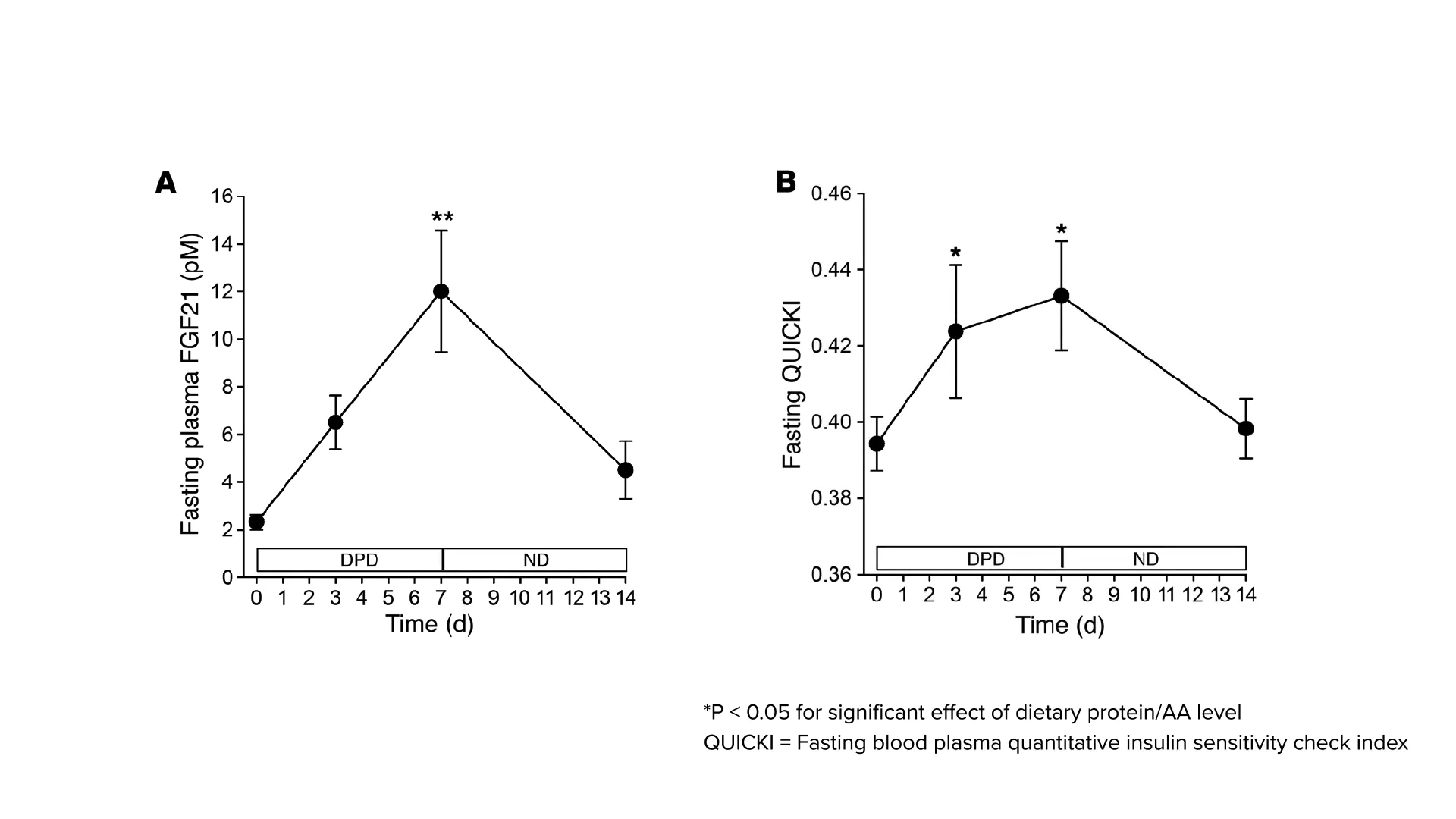
Further evidence from studies examining protein restriction, even less severe forms, has yielded impressive results. One study reported that reducing protein intake to 73 grams per day resulted in a sixfold increase in FGF21 levels within a single week. This surge was accompanied by a significant improvement in insulin sensitivity, a critical marker for metabolic health and a predictor of reduced risk for type 2 diabetes. Researchers concluded from these findings that dietary protein dilution, or reducing the proportion of calories derived from protein, actively promotes metabolic health.
The growing body of evidence linking lower protein intake to improved health outcomes, enhanced survival rates, and better insulin sensitivity has been accumulating for years, but the precise mechanisms remained somewhat elusive. FGF21 is now emerging as a key explanation for these observed benefits. Intriguingly, some of these studies involved participants consuming as little as 9% of their daily calories from protein, a level comparable to the dietary intake of populations like the Okinawans, renowned for their exceptional longevity and health.
Methionine Restriction: A Specific Amino Acid Focus
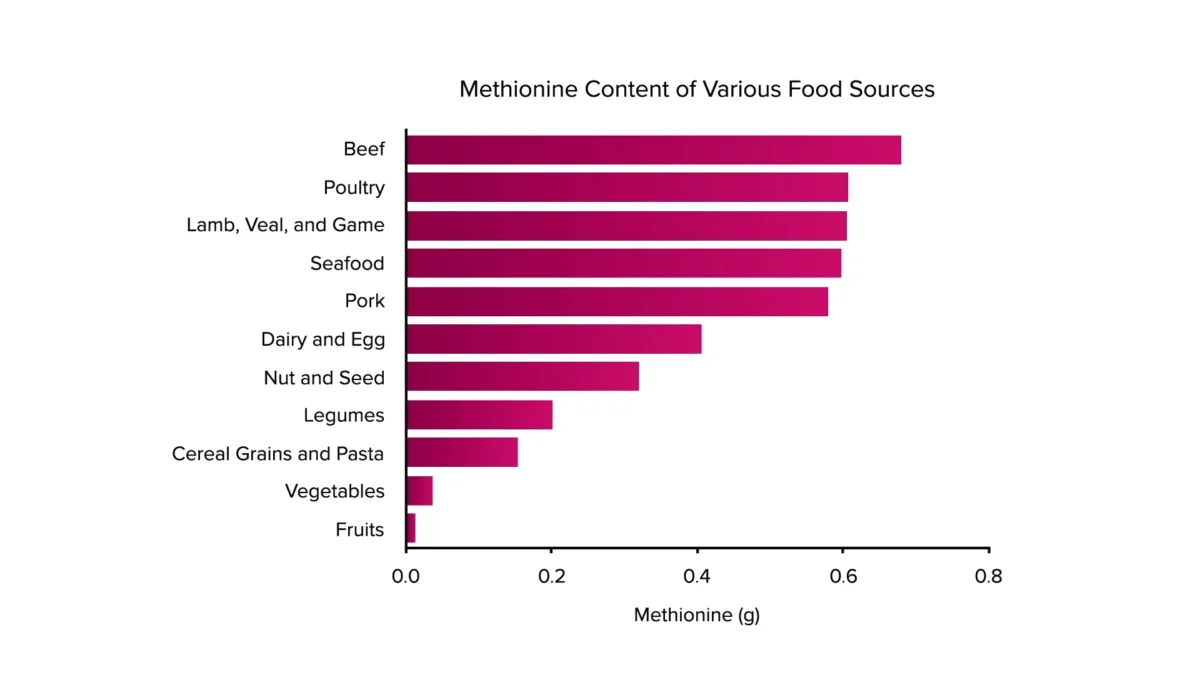
Beyond general protein intake, the restriction of specific amino acids, particularly methionine, is also gaining attention for its potential to boost FGF21 and contribute to longevity. Methionine is an amino acid found predominantly in animal-based proteins. By reducing the consumption of animal foods, individuals can naturally achieve methionine restriction.
Research suggests that methionine restriction can significantly increase FGF21 levels, leading some scientists to dub it "the most important mediator of metabolic reprogramming in methionine restriction." This highlights the nuanced role of different protein sources and their constituent amino acids.
The highest concentrations of methionine are found in meat products. In contrast, legumes, such as beans, split peas, chickpeas, and lentils, contain approximately three times less methionine than meat. This dietary shift, from animal proteins to plant-based proteins, not only reduces overall methionine intake but also aligns with other FGF21-boosting dietary strategies.
Plant-Based Diets and FGF21: A Powerful Synergy
The cumulative evidence strongly suggests that FGF21 may be a crucial mediator of the protective effects observed in strictly plant-based diets. These diets have been associated with remarkable outcomes in preventing and even reversing chronic diseases, including cardiovascular disease, type 2 diabetes, and certain cancers.
Whole food, plant-based diets, characterized by their abundance of fruits, vegetables, whole grains, and legumes, and their exclusion of animal products, have demonstrated extraordinary health benefits. For example, the work of Dr. Caldwell Esselstyn Jr. has shown that coronary heart disease, the leading cause of mortality in both men and women, can be significantly halted or reversed through a whole food, low-fat vegan diet. While cholesterol reduction is a well-known benefit of such diets, the magnitude of improvement observed in Esselstyn’s studies suggests a broader range of protective mechanisms at play. FGF21 is now being considered a significant contributor to these benefits, working in concert with other factors like reduced saturated fat and cholesterol intake.
The question of whether vegans inherently possess higher FGF21 levels has been a subject of scientific inquiry. Recent studies have begun to address this by comparing FGF21 levels in individuals following plant-based diets with those who consume omnivorous diets.
One compelling investigation examined FGF21 levels in New Zealand obese mice and then extended the research to human participants. The study found that individuals adhering to plant-based diets exhibited markedly higher FGF21 levels compared to omnivores. Furthermore, when omnivorous participants were switched to vegetarian diets, their FGF21 levels increased significantly. This increase was not marginal; after just four meat-free days, FGF21 levels rose by an astonishing 232%. This rapid and substantial elevation underscores the immediate impact of dietary changes on FGF21 production.
Implications for Public Health and Longevity Strategies
The convergence of research on FGF21, dietary patterns, and longevity points towards a powerful, actionable framework for enhancing human healthspan. The findings suggest that rather than solely relying on extreme interventions like prolonged fasting, individuals can achieve significant FGF21-boosting effects through mindful dietary choices.
The bottom line, as suggested by some research syntheses, is that "various fasting approaches are likely to have limited efficacy, particularly on aging and conditions other than obesity, unless combined with high-nourishment diets such as the moderate calorie intake and mostly plant-based Mediterranean or Okinawa low-protein diets." This emphasizes the importance of a balanced, nutrient-dense dietary approach that aligns with recommended protein levels.
The implications for public health are profound. By understanding and applying these dietary principles, individuals can proactively engage in strategies to promote metabolic health, potentially reduce their risk of chronic diseases, and enhance their overall quality of life. This research opens doors for personalized nutrition recommendations and reinforces the growing consensus around the benefits of plant-centric eating patterns for long-term well-being.
Future Directions and Ongoing Research
While the current research on FGF21 and its dietary modulators is highly promising, further studies are warranted to fully elucidate the complex interactions and long-term effects. Longitudinal studies tracking individuals on various dietary regimens over extended periods will provide deeper insights into sustained FGF21 elevation and its impact on healthspan. Additionally, research exploring the synergistic effects of combining specific dietary components with exercise and other lifestyle interventions could offer even more comprehensive strategies for maximizing longevity and well-being.
The ongoing exploration of FGF21 is not just about understanding a single hormone; it’s about unraveling the intricate molecular mechanisms that govern aging and disease, and translating this knowledge into practical, accessible strategies that empower individuals to live longer, healthier lives. The dietary shifts discussed—increasing complex carbohydrates from whole foods, moderating protein intake to recommended levels, and prioritizing plant-based protein sources rich in fiber—represent a scientifically supported pathway toward harnessing the longevity-promoting power of FGF21.

