

The pursuit of healthy aging and longevity is increasingly focusing on actionable dietary strategies, with scientific research pointing towards the profound impact of an anti-inflammatory diet. Central to this understanding is the identification and monitoring of specific blood-borne biomarkers, which serve as crucial indicators of health status and mortality risk. Notably, elevated levels of C-reactive protein (CRP) have been linked to a 42% increased risk of premature death, while higher levels of interleukin-6 (IL-6), another key inflammatory marker, can escalate this risk by an even more significant 49%. The critical question then becomes: what dietary interventions can effectively lower these dangerous markers?
The Role of Biomarkers in Healthy Aging
For decades, researchers have sought reliable indicators to assess the efficacy of interventions aimed at promoting healthy aging. As highlighted in numerous studies, blood-borne biomarkers offer a cost-effective and widely accepted method for this purpose. These markers provide a window into the body’s internal state, reflecting the presence and intensity of inflammatory processes.
C-reactive protein (CRP), a protein produced by the liver, surges in response to inflammation. While its elevation is a general indicator of inflammation, its strong correlation with increased mortality risk underscores its significance in public health research. Similarly, interleukin-6 (IL-6), a cytokine that plays a vital role in the immune system, also acts as a potent marker for systemic inflammation. When these markers are chronically elevated, they signal a state of persistent, low-grade inflammation that can contribute to a wide range of chronic diseases, including cardiovascular disease, diabetes, certain cancers, and neurodegenerative disorders. The prospect of mitigating these risks through dietary changes has therefore become a focal point of scientific inquiry.
Decoding the Anti-Inflammatory Diet: From Pro-Inflammatory Foods to Protective Powerhouses
Previous discussions have identified foods that can exacerbate inflammation, such as processed meats and refined sugars. Conversely, certain whole foods have demonstrated a remarkable ability to counteract these effects. The scientific community has been particularly interested in understanding how specific dietary components can directly modulate inflammatory pathways within the body.

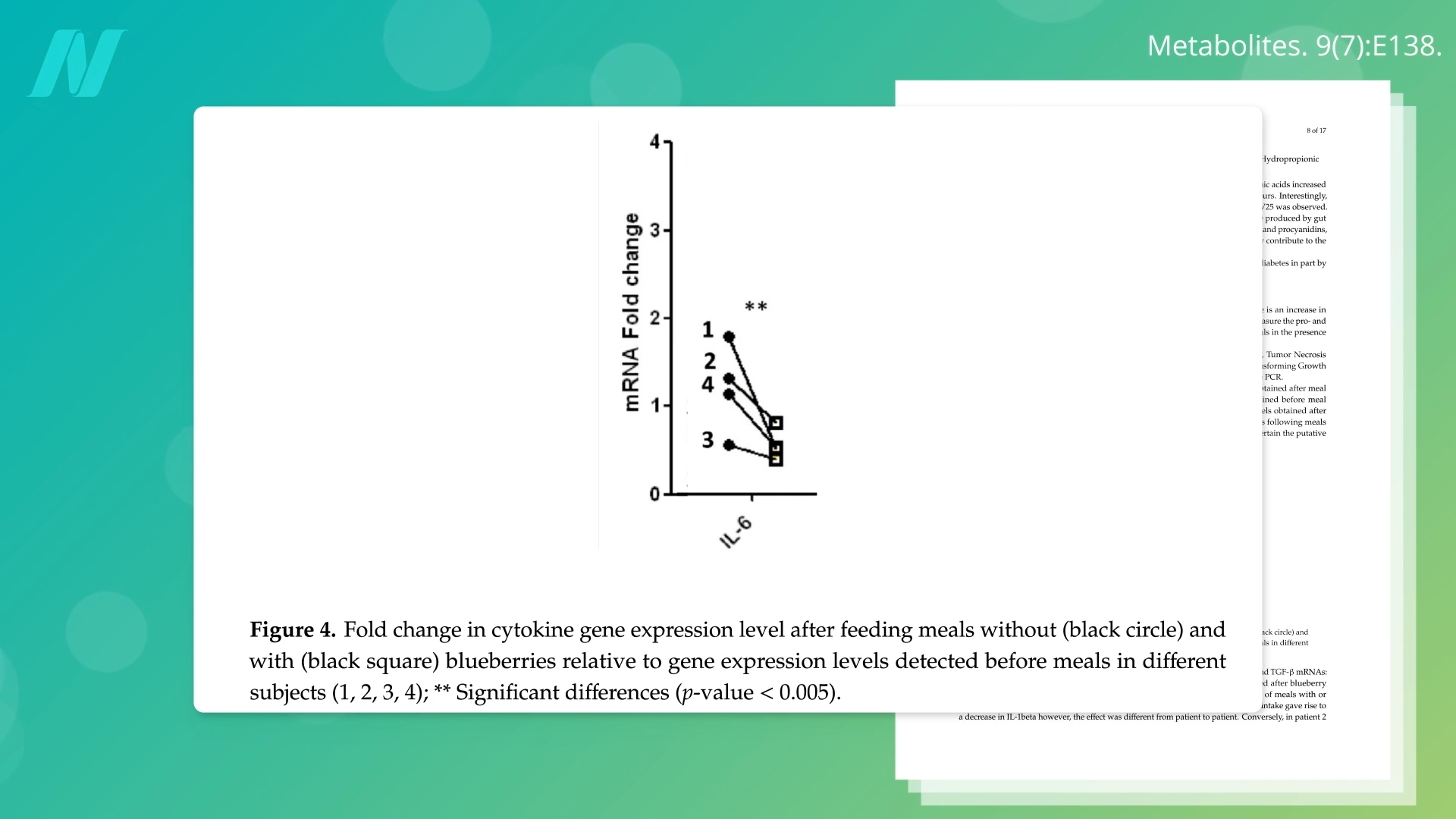
One area of significant focus has been the impact of berries on post-meal inflammatory responses. Studies have investigated the effects of incorporating blueberries into meals known to induce inflammation, typically high in fat and refined carbohydrates. For instance, a study involving a meal composed of white potatoes, white bread, ham, cheese, and butter revealed a significant spike in IL-6 levels. However, when a single cup of blueberries was added to a similar meal, researchers observed a substantial reduction in IL-6. This finding, visually represented in accompanying research data, suggests that the phytochemicals present in blueberries possess potent anti-inflammatory properties that can buffer the inflammatory cascade initiated by less healthful foods.
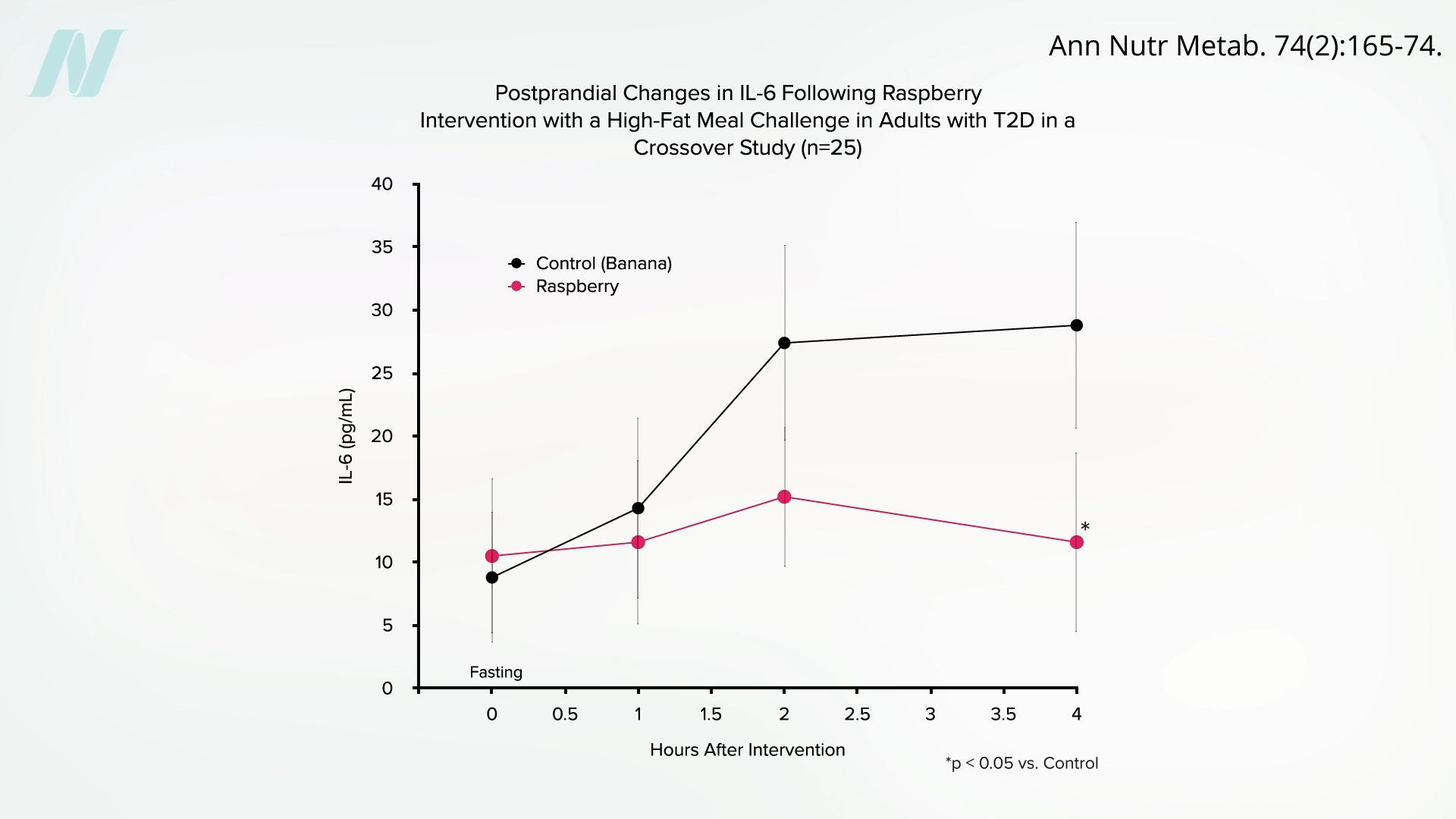
Further research has explored the effects of raspberries in a similar context. In an experimental setting, participants consumed a pro-inflammatory meal consisting of eggs, butter, white potatoes, white flour biscuits, and sausage. The results showed a threefold increase in IL-6 levels within four hours. However, when the same caloric and carbohydrate load was delivered in the form of a smoothie made with two cups of frozen raspberries blended with water, the inflammatory response was significantly attenuated. This contrast highlights the distinct physiological effects of different food groups, with raspberries demonstrating a clear capacity to dampen post-meal inflammation.
The Power of Phytochemicals: Antioxidants Beyond Supplements
The efficacy of berries in reducing inflammation has prompted deeper investigation into the underlying mechanisms. While antioxidant supplements, including vitamins C and E, beta-carotene, and selenium, have largely failed to demonstrate significant benefits in clinical trials, the focus has shifted to specific plant compounds.
Research indicates that anthocyanins, the pigments responsible for the vibrant red, blue, and purple hues of berries and other fruits, play a crucial role. Dozens of randomized controlled trials have substantiated the anti-inflammatory effects of anthocyanin-rich foods. For example, studies involving pomegranates, a fruit particularly rich in these compounds, have shown their ability to reduce inflammation over time. This distinction between isolated antioxidant supplements and whole food-derived phytochemicals is critical, suggesting that the synergistic effects of various compounds within whole foods are essential for their health benefits.
Spices and Herbs: Small Additions with Significant Impact
Beyond fruits, the incorporation of spices and herbs into the diet has also emerged as a promising strategy for combating inflammation. While extracts of grape and turmeric were found to have no significant effect on the inflammatory response to a milkshake, the whole spices themselves have shown remarkable efficacy.
A study demonstrating the impact of turmeric revealed that consuming just one teaspoon of the whole spice daily led to a significant reduction in IL-6 levels. This finding emphasizes the importance of utilizing spices in their natural form, rather than relying on isolated compounds like purified curcumin, which may not offer the same broad-spectrum benefits.
Similarly, garlic powder has been shown to reduce IL-6 levels, with benefits observed at doses of approximately half a teaspoon per day. Ginger powder has yielded comparable results, with effective doses ranging from half a teaspoon to one and a half teaspoons daily. These findings suggest that even modest daily additions of these potent spices can contribute to a lower inflammatory burden.
Plant-Based Diets: A Paradigm Shift in Inflammation Management
Perhaps the most comprehensive dietary approach to reducing inflammation involves the adoption of plant-based eating patterns. While simply reducing the consumption of inflammatory foods like those found in a "Sausage and Egg McMuffin" is a logical first step, a full dietary shift offers a more profound impact.
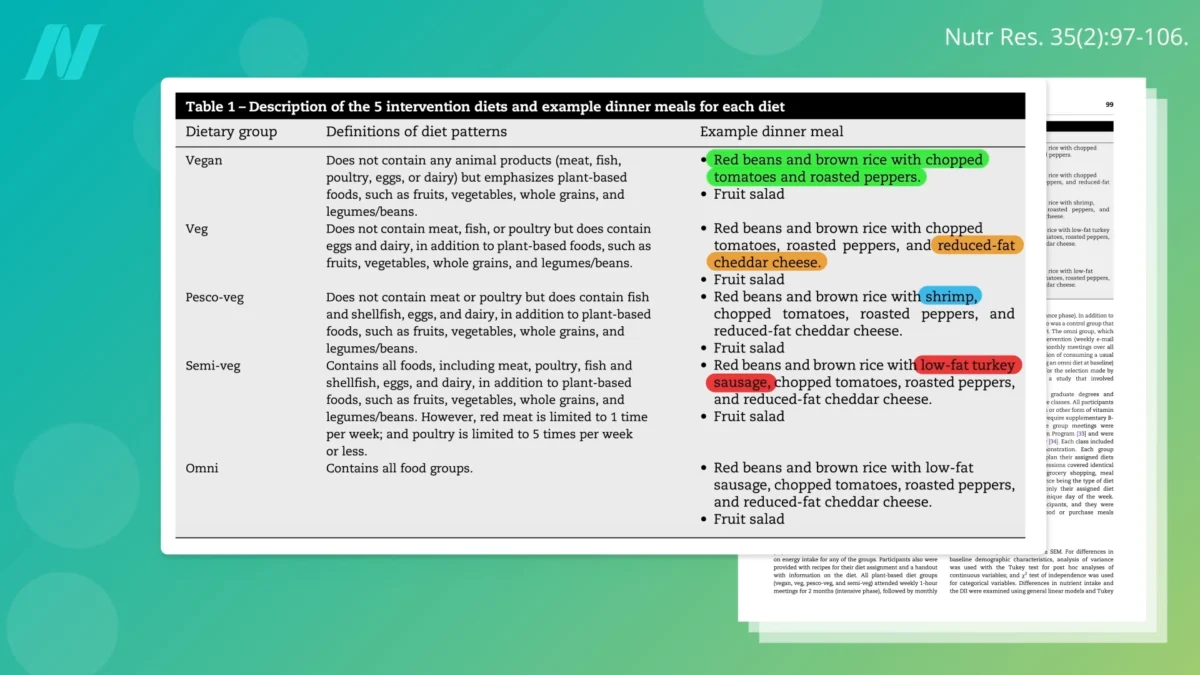
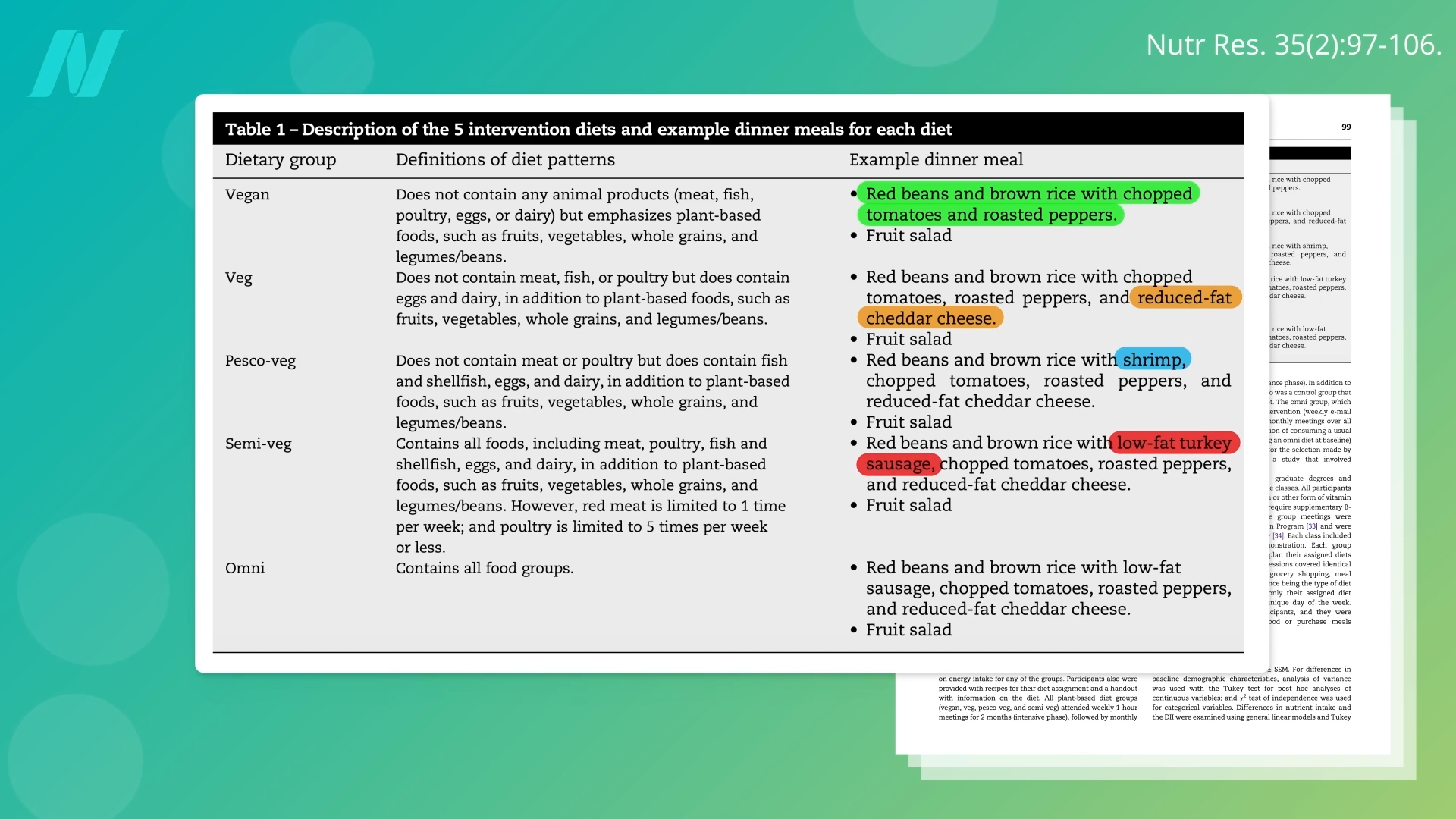
Initial studies examining plant-centered diets, such as the Mediterranean diet, showed some promise but did not always reach statistical significance in reducing inflammatory markers. This led researchers to question the exact composition of these diets. A seminal study, the New DIETs study, provided crucial clarity by comparing the effects of various dietary patterns on inflammation. Participants were assigned to either maintain their omnivorous diets or adopt a vegan, vegetarian, pesco-vegetarian, or semi-vegetarian diet. The vegan diet involved consuming only plant-based foods, while vegetarian diets allowed for dairy and eggs, pesco-vegetarian diets included fish, and semi-vegetarian diets primarily limited red meat.
The results of this study were striking. Within two months, participants who transitioned to strictly plant-based nutrition experienced a significant shift in their Dietary Inflammatory Index (DII) scores. The DII is a validated measure of the inflammatory potential of a diet, with negative scores indicating an anti-inflammatory profile and positive scores suggesting a pro-inflammatory diet. Participants who started with pro-inflammatory diets saw their scores become anti-inflammatory upon adopting a vegan or vegetarian lifestyle. Even diets that involved limiting meat or excluding all meat except fish demonstrated a reduction in inflammatory potential. In contrast, diets that primarily focused on poultry or simply limited meat intake did not achieve the same significant anti-inflammatory effect.
The Nuances of Plant-Based Eating: Whole Foods as the Cornerstone
It is crucial to recognize that not all plant-based foods are inherently anti-inflammatory. An increased intake of less healthy plant-based options, such as fruit juices, refined white bread, white potatoes, sugary sodas, and processed cakes, can paradoxically lead to increased inflammation. The key lies in prioritizing whole, unprocessed plant foods.
Studies focusing on diets rich in whole plant foods have demonstrated remarkable improvements in cardiovascular health markers, including significant reductions in lipoprotein(a) (Lp(a)), a risk factor previously thought to be resistant to dietary modification. Furthermore, these diets have been associated with substantial drops in LDL cholesterol and its most dangerous oxidized forms.
Crucially, these dietary shifts are consistently linked to a significant reduction in inflammatory markers. Research indicates a notable decrease of approximately 30% in C-reactive protein and 20% in IL-6 levels among individuals consuming clean, whole-food, plant-based diets. This suggests that previous studies with plant-centered diets may have been less effective because they still included substantial amounts of animal products.
Implications for Public Health and Future Research
The scientific evidence overwhelmingly supports the notion that an anti-inflammatory diet, particularly one centered on whole plant foods, is a powerful tool for reducing chronic inflammation and mitigating mortality risk. The consistent findings across numerous studies underscore the importance of dietary choices in managing health and preventing disease.
The implications for public health are profound. As societies grapple with rising rates of chronic diseases linked to inflammation, promoting dietary patterns that emphasize whole plant foods could offer a cost-effective and sustainable approach to improving population health. This requires a multi-faceted strategy, including public education campaigns, policy initiatives that support access to healthy foods, and continued research to refine our understanding of optimal dietary interventions.
Future research will likely continue to explore the specific synergistic effects of various plant compounds, the optimal balance of macronutrients within anti-inflammatory diets, and the long-term adherence strategies for individuals seeking to adopt and maintain these eating patterns. The scientific community’s ongoing commitment to unraveling the complexities of diet and inflammation promises further advancements in our ability to harness the power of food for a healthier future.
Doctor’s Note: For those seeking to understand the foods that contribute to inflammation, further insights can be found in dedicated resources exploring this topic. Additionally, a wealth of information exists regarding the benefits and implementation of plant-based dietary approaches.

