

A comprehensive global survey has shed light on the most prevalent yoga styles practiced across the globe, offering invaluable insights into the evolving landscape of this ancient discipline. The DoYou Global Yoga Survey, which gathered responses from over 10,000 individuals across 124 countries, reveals distinct preferences among practitioners, highlighting the diversity and adaptability of yoga in contemporary society. The findings underscore a global trend towards dynamic, physically engaging practices, while also recognizing the enduring appeal of slower, restorative forms.
Background and Methodology of the Global Yoga Survey
The DoYou Global Yoga Survey, a significant undertaking by DoYou, aimed to map the current state of global yoga practice. Conducted to identify key trends, practitioner motivations, and preferred styles, the survey reached a broad demographic, ensuring a representative sample of the international yoga community. By collecting data from such a diverse participant base, the survey provides a robust snapshot of what resonates most with yoga enthusiasts worldwide. The methodology involved direct questioning about primary yoga styles, allowing for a clear statistical aggregation of preferences. This initiative provides crucial data for understanding not just what people practice, but also the underlying reasons for their choices, ranging from physical fitness to mental well-being and spiritual growth. The insights gathered are pivotal for yoga studios, instructors, and content creators looking to tailor their offerings to global demand.
The Dominance of Dynamic Flow: Vinyasa Takes the Lead
At the forefront of global yoga preferences, Vinyasa Flow emerged as the undisputed leader, with a commanding 57% of respondents identifying it as their primary yoga style. This significant preference can be attributed to Vinyasa’s inherent dynamism and adaptability. Characterized by a fluid, breath-synchronized movement between poses, Vinyasa Flow classes are renowned for their energetic pace and creative sequencing.
Historically, Vinyasa yoga evolved from the Ashtanga tradition, emphasizing the continuity of movement and breath, often referred to as "flow." Unlike the rigidly prescribed sequences of Ashtanga, Vinyasa offers instructors immense flexibility to craft unique classes, catering to varying skill levels and thematic intentions. This adaptability makes it highly appealing to a broad spectrum of practitioners, from beginners seeking an accessible entry point to experienced yogis desiring variety and challenge. The physical benefits are immediate and tangible: elevated heart rate, increased muscle warmth, enhanced flexibility, and improved strength. Its focus on a vigorous physical workout aligns with many individuals’ traditional expectations of exercise, often providing a less overtly spiritual experience, which broadens its appeal in diverse cultural contexts. The immediate physical gratification and measurable benefits, such as improved stamina and body toning, contribute significantly to its widespread popularity.
Foundational Strength and Deep Stretching: Hatha Yoga’s Enduring Appeal
Securing the second position, Hatha Yoga was cited by 42% of respondents as their preferred style. While Hatha is often used as an umbrella term encompassing many physical yoga practices, in the context of this survey and common studio offerings, it typically refers to a slower, more deliberate practice. Hatha emphasizes holding individual poses for extended periods, focusing on proper alignment, foundational postures, and controlled breathing (pranayama).
Hatha yoga serves as the bedrock for many contemporary yoga styles. Its lineage traces back centuries, representing the physical practice (asanas) component of yoga designed to prepare the body for meditation. Its slower pace and meticulous attention to detail make it an excellent choice for beginners to learn fundamental postures and develop body awareness. For experienced practitioners, Hatha offers an opportunity for deeper exploration of alignment, sustained stretching, and cultivating mindfulness within stillness. In a fast-paced world, Hatha provides a counter-balance, promoting relaxation, stress reduction, and deep tissue release. Its therapeutic benefits, including improved posture, increased flexibility, and a calmer nervous system, contribute to its consistent popularity across demographics.
The Rise of Restorative Practices: Nourishing Mind and Body
Demonstrating a significant appreciation for relaxation and recovery, Restorative Yoga garnered 29% of the responses, tying with Power Yoga for third place. This style focuses on gentle, passive poses held for extended durations, typically supported by an abundance of props such as bolsters, blankets, blocks, and straps. The primary goal of Restorative yoga is to activate the parasympathetic nervous system, promoting deep relaxation, stress reduction, and healing.
The growing popularity of Restorative yoga reflects a broader societal recognition of the importance of self-care and stress management. In an era marked by chronic stress and digital overload, practitioners are increasingly seeking modalities that offer profound rest and rejuvenation. These sequences, often involving supported forward folds, gentle twists, and reclined positions, are designed to release tension, calm the mind, and facilitate a sense of profound tranquility. It is particularly recommended for individuals experiencing fatigue, stress, or those recovering from illness or injury. Its gentle nature makes it accessible to almost everyone, regardless of physical ability, and its benefits in improving sleep quality and overall well-being are widely acknowledged, making it an ideal practice for winding down before bedtime.
The Pursuit of Strength and Stamina: Power Yoga’s Dynamic Edge
Sharing the third spot with Restorative Yoga at 29% is Power Yoga. As its name suggests, this style is designed to be a more vigorous and physically demanding form of Vinyasa. While adhering to the principles of fluid movement and breath synchronization, Power Yoga intentionally incorporates more challenging poses, longer holds, and faster transitions to build strength, endurance, and cardiovascular fitness.
Power Yoga emerged in the 1980s and 90s as a Western adaptation of Ashtanga, aiming to make the physical benefits of yoga more accessible to a fitness-oriented audience. It often omits the traditional chanting and philosophical elements, focusing instead on the athletic aspects. Instructors may introduce advanced inversions, arm balances, and core-strengthening exercises, pushing practitioners to their physical limits. This style appeals strongly to individuals seeking an intense workout that combines flexibility, strength training, and mental focus. The tangible results in terms of physical conditioning, muscle definition, and increased stamina are key drivers of its popularity, especially among those who view yoga as a primary form of exercise.

The Discipline of Tradition: Ashtanga Yoga’s Enduring Legacy
A significant 25% of respondents identified Ashtanga Yoga as their preferred style. Ashtanga is a traditional and highly structured form of Vinyasa yoga, characterized by a fixed series of poses performed in a specific order, synchronized with Ujjayi breath and Drishti (gazing points). There are six progressive series, each building on the last, designed to purify and strengthen the body and mind.
Pattabhi Jois, who popularized Ashtanga in the West, emphasized its therapeutic and transformative potential. The consistency of the practice—where every class follows the same sequence—allows practitioners to memorize the flow, turning the physical practice into a moving meditation. This predictability fosters deep concentration, discipline, and a profound sense of self-awareness. While physically demanding, requiring significant strength, flexibility, and stamina, Ashtanga’s appeal lies in its rigorous methodology and the clear path for progress it offers. Practitioners often report a deep sense of accomplishment, mental clarity, and profound physical changes. Its traditional roots and disciplined approach attract those who seek a comprehensive and systematic yoga journey.
Deep Connective Tissue Work: The Subtlety of Yin Yoga
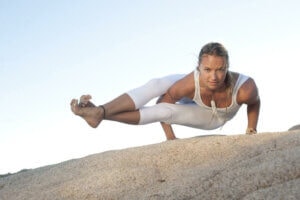
Garnering 17% of the responses, Yin Yoga distinguishes itself as a complementary yet challenging practice. Similar to Restorative yoga in its long-held poses, Yin yoga targets the deeper connective tissues of the body—ligaments, joints, bones, and fascia—rather than the muscles. Poses are typically held for three to five minutes, or even longer, with muscles relaxed, allowing gravity and time to gently stretch and release tension in these often-neglected areas.
The philosophical basis of Yin yoga lies in the Chinese Taoist concept of Yin and Yang, where Yin represents the passive, internal, and cooling aspects, balancing the active, external, and warming "yang" of more dynamic yoga styles. This practice requires considerable mental fortitude, patience, and concentration, as practitioners sit with discomfort and stillness. Its benefits extend beyond physical flexibility, promoting improved joint health, injury prevention, and a deeper understanding of one’s inner landscape. In an active world, Yin yoga offers a crucial opportunity for introspection and balancing the body’s energy, making it highly recommended for athletes and those with dynamic lifestyles seeking to enhance their mobility and recovery.
The Intensity of Heat: Bikram and Hot Yoga’s Unique Appeal
With 10% of survey respondents practicing it, Bikram/Hot Yoga represents a niche but dedicated segment of the yoga community. Bikram yoga is a specific sequence of 26 postures and two breathing exercises, performed in a room heated to 35–42°C (95–108°F) with 40% humidity. More generic Hot Yoga classes also utilize a heated environment but allow for greater flexibility in sequencing and pose selection.
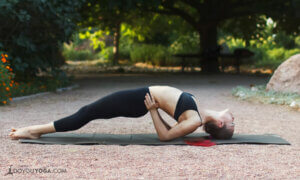
The intense heat is central to the appeal of these styles, believed to facilitate deeper stretching, increase detoxification through sweating, and warm muscles to prevent injury. While controversial due to the legal battles surrounding Bikram Choudhury and concerns about potential dehydration or overstretching, the practice continues to attract a strong following. The vigorous sweating and the challenge of practicing in the heat are often cited as reasons for its popularity, with many practitioners reporting a profound sense of cleansing and physical achievement. However, proper hydration, both before and after class, is paramount for safety and effectiveness, a crucial aspect emphasized by instructors.
Precision and Alignment: The Detailed Approach of Iyengar Yoga
Rounding out the top preferences, Iyengar Yoga was practiced by 8% of the Global Yoga Survey respondents. A subset of Hatha yoga, Iyengar is renowned for its meticulous attention to detail, precision in alignment, and the extensive use of props. Developed by B.K.S. Iyengar, this style emphasizes holding poses for extended periods to cultivate strength, flexibility, and stability, with a strong focus on anatomical correctness.
The use of props—such as blocks, blankets, straps, chairs, and even wall ropes—is a hallmark of Iyengar yoga. These props are not crutches but tools designed to help practitioners achieve optimal alignment, deepen poses, and make challenging postures accessible to individuals of all physical capabilities. This systematic approach allows for a highly therapeutic and rehabilitative practice, often recommended for individuals with injuries or specific physical limitations. The emphasis on precise form and timing, coupled with a deep integration of breath, fosters profound body awareness and mental focus. Iyengar yoga appeals to those who value a methodical, intelligent approach to their practice and seek to understand the mechanics of each pose thoroughly.

Broader Trends and Industry Implications
The findings of the DoYou Global Yoga Survey highlight several overarching trends in the yoga industry. Firstly, the data confirms the global diversification of yoga, moving beyond its traditional spiritual roots to embrace various physical and mental well-being objectives. The strong showing of Vinyasa and Power Yoga indicates a clear demand for physically challenging and fitness-oriented practices. Simultaneously, the significant presence of Hatha, Restorative, and Yin yoga underscores a parallel need for slower, introspective, and therapeutic approaches. This dual demand suggests a mature market where practitioners seek both invigorating workouts and profound opportunities for rest and recovery.
The accessibility of yoga has also played a crucial role in its global expansion. The proliferation of online platforms, like DoYou itself, along with a vast network of studios and certified instructors, has made yoga available to millions. This increased accessibility has allowed more individuals to explore and discover the style that best suits their personal needs and preferences, contributing to the varied landscape observed in the survey results.
For the yoga industry, these insights are invaluable. They inform curriculum development for teacher training programs, guide studios in curating class schedules, and help content creators design programs that resonate with global audiences. The data suggests a need for a balanced offering that caters to both the "yang" (active, dynamic) and "yin" (passive, restorative) aspects of practice, acknowledging that many practitioners engage in multiple styles to achieve holistic well-being.

Conclusion: The Journey of Self-Discovery Through Diverse Practice
The DoYou Global Yoga Survey paints a vivid picture of a vibrant and diverse global yoga community. From the dynamic flows of Vinyasa to the precise alignment of Iyengar, the calming embrace of Restorative, and the deep stillness of Yin, there truly is a yoga style for every body and every intention. The survey’s results reinforce the idea that yoga is not a monolithic practice but a rich tapestry of methodologies, each offering unique benefits and pathways to physical health, mental clarity, and inner peace.
For individual practitioners, these findings serve as an invitation to explore. Stepping outside one’s comfort zone to try a different style can challenge preconceptions, reveal new strengths, and deepen one’s understanding of both the practice and oneself. The journey of yoga is one of continuous learning and adaptation, and the diverse preferences observed globally are a testament to its enduring power and universal appeal. As the global yoga community continues to grow and evolve, these insights will be instrumental in shaping its future, ensuring that the transformative benefits of yoga remain accessible and relevant for generations to come.

