

The early months of 2016 have witnessed two significant media moments that have resonated deeply within the environmental advocacy community and beyond, significantly amplifying the discourse surrounding climate change. Leonardo DiCaprio’s long-awaited Academy Award for Best Actor and Al Gore’s latest TED Talk have not only captured public attention but have also served as powerful platforms to underscore the urgency and evolving narrative of climate action. These instances, coming from a global cinematic icon and a prominent environmental statesman, have injected renewed vigor into discussions about environmental responsibility, indigenous rights, and the potential for optimistic solutions in the face of a mounting crisis.
DiCaprio’s Historic Oscar Speech: A Call to Action on Climate Change
On February 28, 2016, Leonardo DiCaprio finally achieved a career milestone, winning the Oscar for Best Actor for his harrowing performance in the film "The Revenant." However, it was his acceptance speech that truly captured the world’s attention, transcending the celebratory nature of the event to deliver a potent and impassioned plea for global climate action. DiCaprio, a known environmental activist for decades, seized the unprecedented global platform to address the most pressing issue of our time: climate change.
His speech, delivered with a gravitas that mirrored his on-screen intensity, moved beyond generic pronouncements to articulate specific concerns and a vision for collective responsibility. He articulated the critical threat posed by rising global temperatures, referencing the scientific consensus that underscores the urgency of the situation. DiCaprio emphasized the need for a unified, global response, moving beyond partisan divides and economic considerations that have often hampered progress.
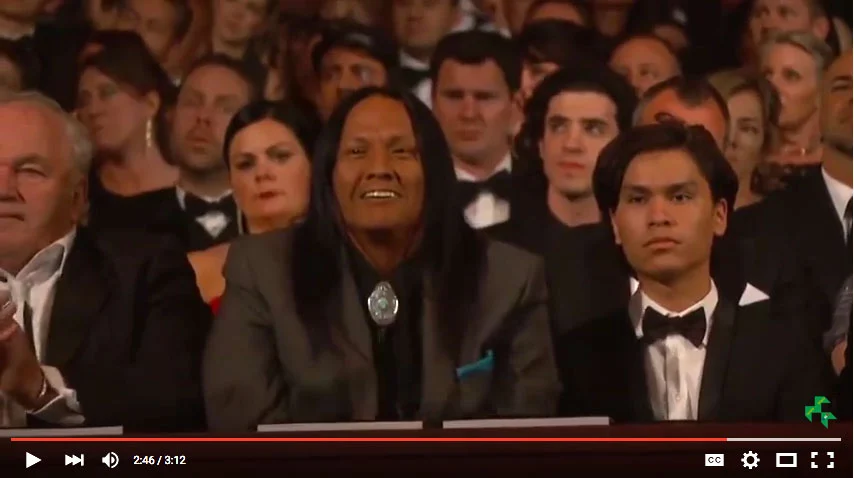
A particularly poignant and significant element of his address was his explicit acknowledgment and support for Indigenous peoples worldwide. DiCaprio stated, "Climate change is real. It is happening right now. It is the most urgent threat facing our entire species, and we need to work together collectively, and stop procrastinating." He continued, highlighting the disproportionate impact of climate change on vulnerable communities and the historical marginalization of their voices. "It is time for us to acknowledge this truth. The world is not listening to the scientists. It’s not listening to the overwhelming evidence. It’s time for us to acknowledge that if we do not act on this issue, we will not be able to make a future for our children, for all the children of the world."
His direct reference to "First Nations peoples" and their “voices have been drowned out by the politics of greed” resonated particularly strongly. This acknowledgment serves to highlight the historical injustices and the often-overlooked wisdom and stewardship of Indigenous communities, who have long been at the forefront of environmental preservation and possess invaluable traditional ecological knowledge. This inclusion signals a potential shift in the broader climate conversation, moving towards a more inclusive and equitable approach that recognizes the rights and contributions of all peoples.
Background Context: The Academy Awards and Celebrity Advocacy
The Academy Awards, often criticized for its perceived detachment from real-world issues, has occasionally served as a stage for impactful social and political statements. However, DiCaprio’s speech stood out for its direct, science-based, and solutions-oriented approach to a complex global challenge. His personal advocacy, which includes extensive work with environmental organizations and documentaries like "Before the Flood," lent significant weight and credibility to his pronouncements. The fact that he used this pinnacle of his professional achievement to amplify a critical global issue underscored the sincerity and depth of his commitment.
Al Gore’s TED Talk: Charting a Course for Climate Optimism
Coinciding with the heightened attention generated by DiCaprio’s speech, former U.S. Vice President Al Gore delivered a compelling TED Talk titled "The Case for Optimism on Climate Change." Gore, a Nobel Peace Prize laureate and a pioneering figure in global climate advocacy, presented a nuanced perspective that acknowledged the undeniable severity of the climate crisis while simultaneously offering a powerful counter-narrative of hope and progress.
Gore’s presentation, delivered in early 2016, began by meticulously outlining the ongoing and escalating impacts of climate change, reinforcing the scientific data and the tangible consequences already being experienced across the globe. He detailed rising sea levels, extreme weather events, and the disruption of ecosystems, painting a stark picture of the challenges ahead. However, he then pivoted to a more forward-looking and inspirational message.
His core argument centered on the significant advancements and transformations already underway in the realm of renewable energy and sustainable technologies. Gore showcased a range of innovative solutions and policy shifts that are demonstrating tangible impacts. He highlighted the rapidly decreasing costs of solar and wind power, the growing adoption of electric vehicles, and the increasing global commitment to emissions reduction targets. This part of his talk aimed to shift the public perception from one of inevitable doom to one of achievable progress and opportunity.
Gore’s message was one of empowerment, suggesting that by embracing these changes and continuing to innovate, humanity can not only mitigate the worst effects of climate change but also build a more prosperous and sustainable future. His vision resonated with many, offering a much-needed dose of optimism in what can often feel like an overwhelming environmental landscape.
Background Context: Gore’s Decades of Climate Leadership
Al Gore’s commitment to climate advocacy spans decades, dating back to his early years in Congress. His 2006 documentary "An Inconvenient Truth" played a pivotal role in raising global awareness about climate change, earning him a share of the Nobel Peace Prize in 2007. His continued engagement through his Climate Reality Project and subsequent public addresses demonstrates an unwavering dedication to this cause. His TED Talk represented a mature and refined articulation of his long-held beliefs, bolstered by new data and emerging solutions.
Intersecting Messages: A Synergy of Influence
The confluence of DiCaprio’s impassioned plea and Gore’s data-driven optimism created a powerful synergistic effect in early 2016. While DiCaprio’s speech brought the issue to a new, mainstream audience through the glamour of Hollywood, Gore’s talk provided a more in-depth and hopeful framework for understanding and addressing the crisis.
Supporting Data and Scientific Context:
The urgency articulated by DiCaprio is supported by a wealth of scientific data. For instance, by early 2016, the Intergovernmental Panel on Climate Change (IPCC) had already published multiple comprehensive assessment reports detailing the unequivocal warming of the climate system. These reports consistently highlighted the human influence as the dominant cause of observed warming since the mid-20th century. Specific data points that underscore the threat include:
- Rising Global Temperatures: The years leading up to 2016 consistently broke global temperature records. 2015 was officially the hottest year on record, surpassing previous records by a significant margin. This trend indicated an accelerating warming trajectory.
- Sea Level Rise: Global mean sea level had risen by about 19 cm in the 20th century, with the rate accelerating in recent decades. Projections indicated continued rise, threatening coastal communities worldwide.
- Extreme Weather Events: The frequency and intensity of heatwaves, heavy precipitation events, and tropical cyclones were already showing discernible increases in many regions, consistent with climate model predictions.
- Ocean Acidification: The absorption of excess atmospheric carbon dioxide by the oceans was leading to increased acidity, impacting marine ecosystems, particularly coral reefs and shellfish.
Gore’s optimism, on the other hand, was grounded in emerging trends in the renewable energy sector. By early 2016, key data points included:
- Falling Renewable Energy Costs: The levelized cost of electricity (LCOE) for solar photovoltaic (PV) and wind power had experienced dramatic declines in the preceding decade. For utility-scale solar PV, costs had dropped by over 80% between 2008 and 2015. Wind power costs had also seen significant reductions.
- Growth in Renewable Energy Capacity: Global installed capacity for renewable energy sources was expanding rapidly. In 2015, renewable energy sources accounted for a significant portion of new power capacity additions worldwide.
- Technological Advancements: Innovations in battery storage, grid management, and energy efficiency were improving the viability and reliability of renewable energy systems.
- Policy Shifts: A growing number of countries and sub-national entities were setting ambitious renewable energy targets and implementing supportive policies, such as carbon pricing mechanisms and renewable portfolio standards.
Broader Impact and Implications
The combined influence of DiCaprio and Gore’s messages extended beyond immediate public engagement. These moments had several significant implications for the broader climate conversation:
1. Mainstreaming Climate Discourse: DiCaprio’s Oscar win and speech brought climate change to the forefront of popular culture, reaching an audience that may not typically engage with environmental news. This broadened reach is crucial for fostering widespread understanding and concern.
2. Amplifying Indigenous Voices: DiCaprio’s specific call to acknowledge and elevate the voices of First Nations peoples represents a critical step towards a more just and effective climate response. It acknowledges that Indigenous communities often bear the brunt of environmental degradation and possess invaluable knowledge for sustainable living. This recognition could spur greater inclusion of Indigenous perspectives in policy-making and conservation efforts.
3. Shifting the Narrative Towards Solutions: Gore’s TED Talk provided a vital counterpoint to the often-overwhelming narratives of impending doom. By focusing on the tangible progress and the potential for a sustainable future, he offered a pathway for constructive engagement and inspired action. This "optimism of action" is essential for maintaining momentum and preventing climate fatigue.
4. Inspiring Further Advocacy and Investment: These high-profile endorsements are likely to encourage greater individual and institutional investment in climate solutions. They can galvanize grassroots movements, influence corporate sustainability practices, and provide political leaders with stronger mandates to enact ambitious climate policies.
5. Highlighting Interconnectedness: The fact that both messages emerged around the same time underscores the interconnectedness of the climate crisis. DiCaprio highlighted the human and ethical dimensions, particularly concerning vulnerable populations, while Gore focused on the technological and economic pathways to solutions. Together, they presented a more holistic view of the challenge and its potential resolutions.
Reactions and Official Responses (Inferred):
While direct official responses to every individual comment within these speeches are not always recorded, the broader impact can be inferred.
- Scientific Community: The scientific community, while largely validating the urgency expressed by DiCaprio, would have welcomed the reinforcement of scientific findings. The specific mention of scientists not being listened to would have resonated with researchers who have long advocated for evidence-based policymaking.
- Environmental Organizations: Climate advocacy groups would have seen these moments as significant victories, providing powerful endorsements and increased public awareness. Organizations focused on Indigenous rights would have particularly lauded DiCaprio’s explicit acknowledgment.
- Policy Makers: Political leaders, particularly those aligned with climate action, would have used these moments to bolster their arguments for policy changes. Conversely, those resistant to climate action might have faced increased public pressure to address the issues raised.
- Industry Leaders: The growing renewable energy sector would have found encouragement in Gore’s optimistic outlook and the data presented. Conversely, industries heavily reliant on fossil fuels might have felt increased scrutiny and pressure to transition.
In conclusion, the early months of 2016 proved to be a pivotal period for climate communication, marked by the powerful confluence of Leonardo DiCaprio’s Oscar acceptance speech and Al Gore’s insightful TED Talk. These events, distinct in their format and delivery but unified in their purpose, served to elevate the global conversation on climate change, underscoring its urgency, highlighting the imperative of inclusive action, and offering a compelling vision of a sustainable future. They stand as testament to the enduring power of influential voices to shape public discourse and inspire collective action in the face of humanity’s greatest challenge.

