

Benign prostatic hypertrophy (BPH), commonly known as an enlarged prostate, affects a significant portion of the male population, presenting a growing public health concern. Emerging research is shedding light on the potential therapeutic benefits of dietary interventions, specifically focusing on the roles of cranberries and pumpkin seeds in managing the often-debilitating symptoms associated with this condition. While conventional medical treatments exist, their efficacy can be hampered by side effects and patient adherence challenges, prompting a deeper investigation into natural alternatives.
The Pervasive Impact of Benign Prostatic Hypertrophy
BPH is a non-cancerous enlargement of the prostate gland, a small gland located below the bladder in men. Its prevalence increases significantly with age. Studies indicate that over 50% of men in their 50s and at least 70% of men over the age of 60 experience this condition. The enlargement of the prostate can constrict the urethra, leading to a range of lower urinary tract symptoms (LUTS) that can profoundly impact quality of life. These symptoms frequently include nocturia (frequent nighttime urination), a weakened urine stream, urgency, frequency, and incomplete bladder emptying.
The implications of BPH extend beyond mere inconvenience. The constant disruption of sleep due to nocturia can lead to daytime fatigue, reduced productivity, and even affect mood and cognitive function. Furthermore, the medical literature highlights potential links between untreated or poorly managed BPH and other health issues. Side effects associated with certain medical treatments for BPH can include sexual dysfunction, which can contribute to psychological distress. While direct causation is complex, some research has explored associations between prostate health and conditions like high-grade prostate cancer and depression, underscoring the importance of proactive management and exploring all viable treatment avenues.
The Limitations of Conventional Treatments
Current medical management of BPH typically involves pharmacological interventions and, in more severe cases, surgical procedures. Alpha-blockers and 5-alpha-reductase inhibitors are the primary classes of drugs used to alleviate symptoms. Alpha-blockers work by relaxing the muscles in the prostate and bladder neck, improving urine flow. 5-alpha-reductase inhibitors work by shrinking the prostate gland over time. While these medications are clinically effective for many patients, their widespread adoption and long-term success are often challenged by several factors.
A significant hurdle is patient compliance. The potential for side effects, such as dizziness, fatigue, and ejaculatory dysfunction, can lead some individuals to discontinue medication. The financial burden of long-term prescriptions can also be a factor. When medical treatments fail to provide adequate relief or when symptoms become severe, surgical interventions like transurethral resection of the prostate (TURP) are often considered. While TURP is a highly effective procedure for symptom relief, it is invasive and carries its own set of risks, including bleeding, infection, and potential long-term urinary or sexual side effects. The inherent drawbacks of current treatment paradigms underscore the urgent need for well-researched, safe, and accessible alternatives.
Exploring Dietary Protective Factors
In the search for more holistic approaches, population studies have begun to identify potential dietary patterns associated with a reduced risk or severity of BPH. Research suggests that a diet characterized by a low intake of animal protein and a high consumption of fruits and vegetables may be protective. However, this observation is nuanced, as not all animal proteins appear to carry the same association. Some studies have indicated that a higher intake of eggs and poultry may be linked to increased risk, while refined grains have also been implicated. Conversely, no significant association has been found for red meat or dairy consumption in some of these observational studies.
While these large-scale population studies offer valuable insights into general dietary trends, they do not provide specific evidence for individual foods being effective as therapeutic agents. This gap in knowledge has driven more targeted research into specific food items and their direct impact on BPH symptoms.

The Unfulfilled Promise of Saw Palmetto
For decades, herbal remedies have been a cornerstone of complementary and alternative medicine. Among these, saw palmetto (Serenoa repens) has been a prominent candidate for BPH management. Its widespread popularity is underscored by the substantial body of research dedicated to its efficacy. More than 30 randomized controlled trials have investigated the effects of saw palmetto on BPH symptoms. Despite this extensive research, the consensus emerging from these studies is largely disappointing. The overwhelming conclusion from the scientific literature indicates that saw palmetto, as a standalone treatment, has proven to be "totally useless" in significantly alleviating the symptoms of benign prostatic hypertrophy. This finding highlights the critical importance of rigorous scientific testing, even for commonly used natural remedies, to validate their therapeutic claims.
Cranberries: A Historical Remedy Under Scientific Scrutiny
Cranberries (Vaccinium macrocarpon) boast a long history of use in traditional medicine, particularly by Native American populations, who utilized them for various urinary ailments. This historical precedent prompted modern scientific inquiry to determine if these tart berries held genuine therapeutic potential for BPH. Recent research has focused on the impact of cranberry consumption on the symptoms and quality of life for men with BPH.
A notable study investigated the effects of daily intake of powdered whole cranberries. Participants consumed approximately one teaspoon (around 3 grams) of powdered whole cranberries per day. It is crucial to distinguish this from sweetened, dried cranberries ("craisins"), which often contain added sugars and oils that may negate potential benefits. The findings from this study were encouraging, revealing significant improvements in BPH symptoms, overall quality of life, and various urination parameters among those who consumed the cranberry powder.
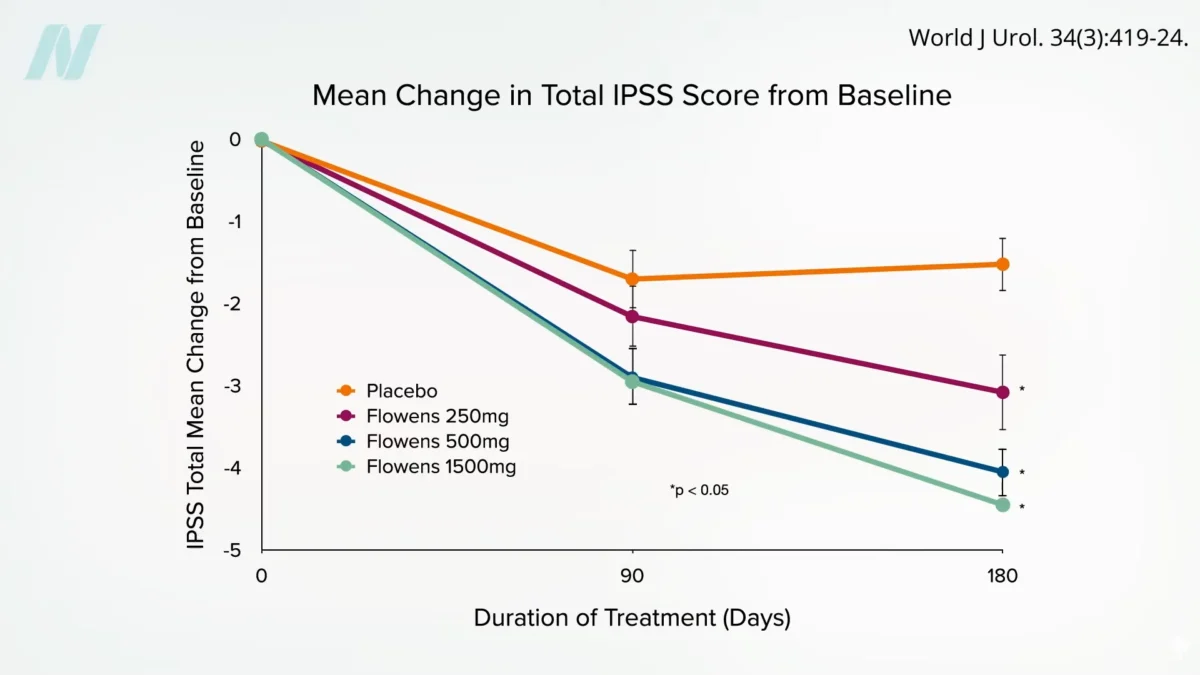
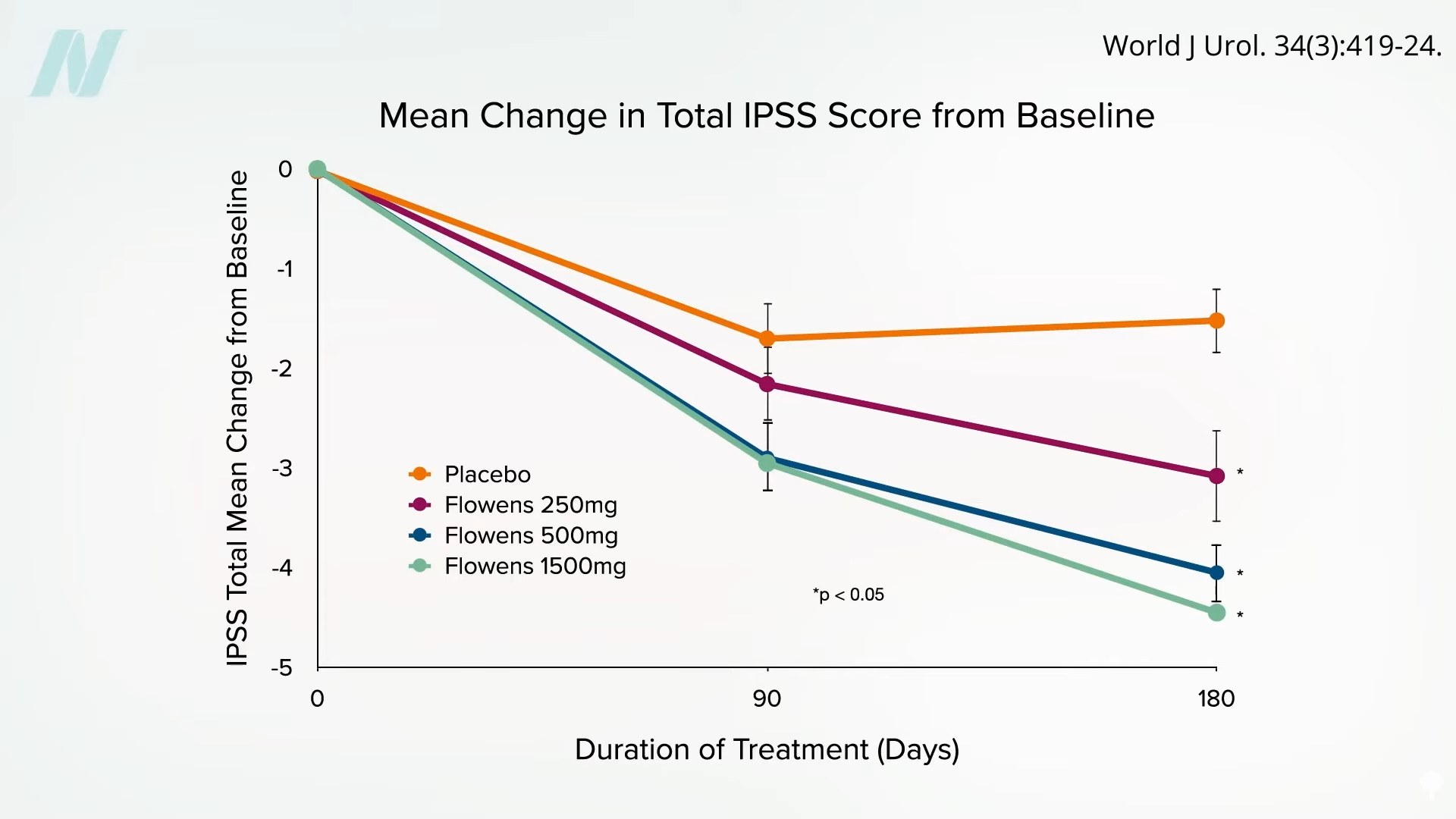
Further exploration into dosage revealed that even smaller amounts of powdered cranberries were associated with positive outcomes. A subsequent study, detailed in a video presentation, demonstrated that consuming one-third of a teaspoon or even one-sixth of a teaspoon of powdered cranberries also yielded beneficial effects, although the magnitude of improvement varied with dosage. The graph presented in the original research visually depicts these dose-dependent responses, with higher doses correlating with more pronounced symptom relief. The study, while funded by a supplement company, utilized a product that was essentially pure cranberry powder, suggesting that individuals could achieve similar benefits by purchasing bulk cranberry powder and incorporating it into their diets, such as by adding it to smoothies. This direct approach offers a potentially more cost-effective way to access the benefits of whole cranberries.
Interestingly, not all cranberry-based beverages have demonstrated similar efficacy. A study investigating the impact of drinking purple grape juice, often consumed for its perceived health benefits, found no discernible positive effect on BPH symptoms. This underscores the importance of the specific form and preparation of the plant-based intervention, emphasizing whole food components over highly processed or diluted forms.
Pumpkin Seeds: A Promising Natural Ally
In parallel with research on cranberries, other natural food sources have been investigated for their potential to alleviate BPH symptoms. Flaxseeds, for instance, have previously been highlighted for their potential therapeutic efficacy, with some research suggesting their effects could be comparable to commonly used medications, and notably, with a favorable side effect profile. The focus then shifted to other seeds, with pumpkin seeds (Cucurbita pepo) emerging as a significant area of interest.
Pumpkin seeds have a long-standing tradition in folk medicine as a remedy for prostate disorders. Preliminary laboratory studies have provided a biological rationale for this use. In vitro experiments, conducted in petri dishes, have shown that pumpkin seed extracts can significantly inhibit the growth of BPH prostate cells, effectively halving their proliferation rate. This cellular-level evidence has spurred clinical investigations in human subjects.
Clinical Trials and Comparative Efficacy
Clinical trials have begun to assess the real-world impact of pumpkin seed consumption on BPH symptoms. One area of investigation involved comparing pumpkin seed oil to established pharmaceutical drugs. In head-to-head comparisons with the drug Prazosin, pumpkin seed oil appeared to offer comparable symptom relief. Similarly, when pitted against another common BPH medication, Terazosin, pumpkin seed oil demonstrated a similar level of efficacy. However, a significant limitation of these comparative studies was the absence of a placebo group. Without a placebo comparison, it is challenging to definitively attribute the observed benefits solely to the pumpkin seed oil, as other factors could be at play.
Recognizing this limitation, researchers sought to conduct more robust studies that included placebo controls. A randomized controlled trial involving over a thousand men was designed to directly compare the effects of pumpkin seed extract, a placebo, and the consumption of whole pumpkin seeds. Participants were instructed to take approximately one tablespoon (about 7.5 grams) of plain pumpkin seeds daily.
The findings from this comprehensive trial provided crucial insights. While the pumpkin seed extract supplement, funded by a drug company, did not perform significantly better than the placebo, the whole pumpkin seeds themselves demonstrated a clear and positive effect. The supplement group showed some reduction in symptoms, but not to a degree that surpassed the placebo. This critical distinction suggests that the therapeutic benefits are not solely attributable to specific compounds isolated in an oil or extract. Instead, the whole food matrix of the pumpkin seed appears to be responsible for the observed improvements.
Further research has corroborated this finding, indicating that even an oil-free extract of pumpkin seeds may retain therapeutic properties. The collective evidence from these studies has led to a strong consensus among researchers and regulatory bodies. The conclusion drawn from these trials is that pumpkin seeds can be reliably recommended for patients experiencing mild-to-moderate BPH symptoms. This recommendation has been echoed by the European Medicines Agency (EMA), which is the European equivalent of the U.S. Food and Drug Administration. The EMA has affirmed that pumpkin seeds can be utilized to alleviate lower urinary tract symptoms associated with an enlarged prostate, provided that more serious underlying medical conditions have been ruled out by a qualified healthcare professional.
Broader Implications and Future Directions
The growing body of evidence supporting the role of cranberries and pumpkin seeds in managing BPH symptoms has significant implications for public health and healthcare economics. As these natural interventions offer a potentially safer and more accessible alternative or adjunct to conventional treatments, they could lead to improved patient adherence, reduced healthcare costs, and an enhanced quality of life for millions of men worldwide.
The success of these dietary approaches also highlights a broader trend towards personalized nutrition and the integration of evidence-based natural therapies into mainstream healthcare. Further research is warranted to elucidate the specific bioactive compounds within cranberries and pumpkin seeds responsible for their therapeutic effects and to optimize dosage and delivery methods. Understanding the synergistic interactions between these foods and other dietary components could also pave the way for more comprehensive dietary strategies for prostate health.
The consistent findings across multiple studies, particularly the robust evidence for whole pumpkin seeds and powdered cranberries, offer a beacon of hope for individuals seeking effective and natural ways to manage the challenges of an enlarged prostate. As scientific understanding evolves, these humble yet powerful foods are poised to play an increasingly significant role in men’s health and wellness.
Doctor’s Note on Related Research
Further exploration into the intersection of diet and prostate health is ongoing. For those interested in the specific effects of flaxseeds on prostate cancer, a related video titled "Flaxseeds vs. Prostate Cancer" is available. Additionally, the potential role of cranberries in combating cancer is a separate area of research, addressed in the video "Cranberries vs. Cancer." The well-known benefits of cranberry juice for preventing bladder infections are also a topic of public interest, explored in the video "Can Cranberry Juice Treat Bladder Infections?" These related resources offer a broader perspective on the multifaceted health benefits of these natural food sources.

