


A growing body of research suggests that weight stigma, far from being a mere social inconvenience, is a significant and detrimental force contributing to a complex cycle of poor health outcomes. While discussions around weight often focus on diet and exercise, emerging evidence highlights how societal attitudes and discrimination based on body size can profoundly impact mental and physical well-being, potentially exacerbating obesity and diminishing quality of life. This article delves into the multifaceted nature of weight stigma, exploring its origins, its impact on individuals, and the complex societal responses it elicits, drawing upon scientific studies and expert commentary.
The Interplay of Stress, Stigma, and Weight Gain
The link between stress and weight gain is well-established. Elevated levels of the stress hormone cortisol, for instance, can be triggered by significant physiological changes, including prolonged fasting. However, research indicates that the chronic stress associated with weight stigma can also play a critical role. A longitudinal study tracking thousands of individuals over four years revealed a stark correlation: those who reported experiencing weight-based discrimination were more than twice as likely to become obese. Furthermore, individuals who were already obese faced more than three times the likelihood of remaining so if they endured such discrimination.
This phenomenon can be attributed to a dual mechanism. On one hand, the psychological distress caused by stigma can lead to stress-induced eating, a coping mechanism where individuals consume more calories in response to emotional discomfort. On the other hand, the social embarrassment and fear of judgment associated with weight stigma can result in exercise avoidance. The perception of being "too fat to exercise" is not unfounded, as studies have documented significant anti-fat biases among fitness professionals and gym-goers, potentially creating an unwelcoming environment for individuals seeking to engage in physical activity. This creates a self-perpetuating cycle where the stigma leads to behaviors that may further contribute to weight gain, which in turn can lead to more stigma.
Health Consequences Beyond Weight
The ramifications of weight stigma extend far beyond the physiological changes associated with weight gain. Individuals who experience frequent weight-based discrimination report higher rates of depression, increased levels of inflammation, elevated oxidative stress, and a demonstrably shorter lifespan. Two extensive studies involving nearly 20,000 participants found that those who reported experiencing greater daily weight discrimination had approximately a 50% increased risk of mortality. This suggests that weight discrimination can have a direct and negative impact on life expectancy, independent of any additional weight gained.
Debates on Social Pressure and "Stigmatization Lite"
In the face of these concerning health implications, a controversial debate has emerged regarding the use of social pressure to encourage weight loss. Some scholars have advocated for a form of "stigmatization lite," a strategy that aims to leverage social disapproval to motivate individuals to lose weight without resorting to overt discrimination. The rationale behind this approach often draws parallels with public health campaigns against tobacco use. Proponents argue that similar to how social stigma transformed smoking from a perceived bad habit into reprehensible behavior, a carefully managed form of social pressure could counter the pervasive influence of food and beverage advertising.

One prominent advocate, the President Emeritus of the Hastings Center, has argued that social pressures, even in a milder form, can be a potent force for behavior change. He cites his personal experience, suggesting that the social shame and criticism he faced for smoking were as influential in his quitting as health concerns. This perspective posits that while direct discrimination is harmful, a nuanced approach that harnesses collective disapproval could be a viable public health tool.
Backlash Against Stigmatizing Campaigns
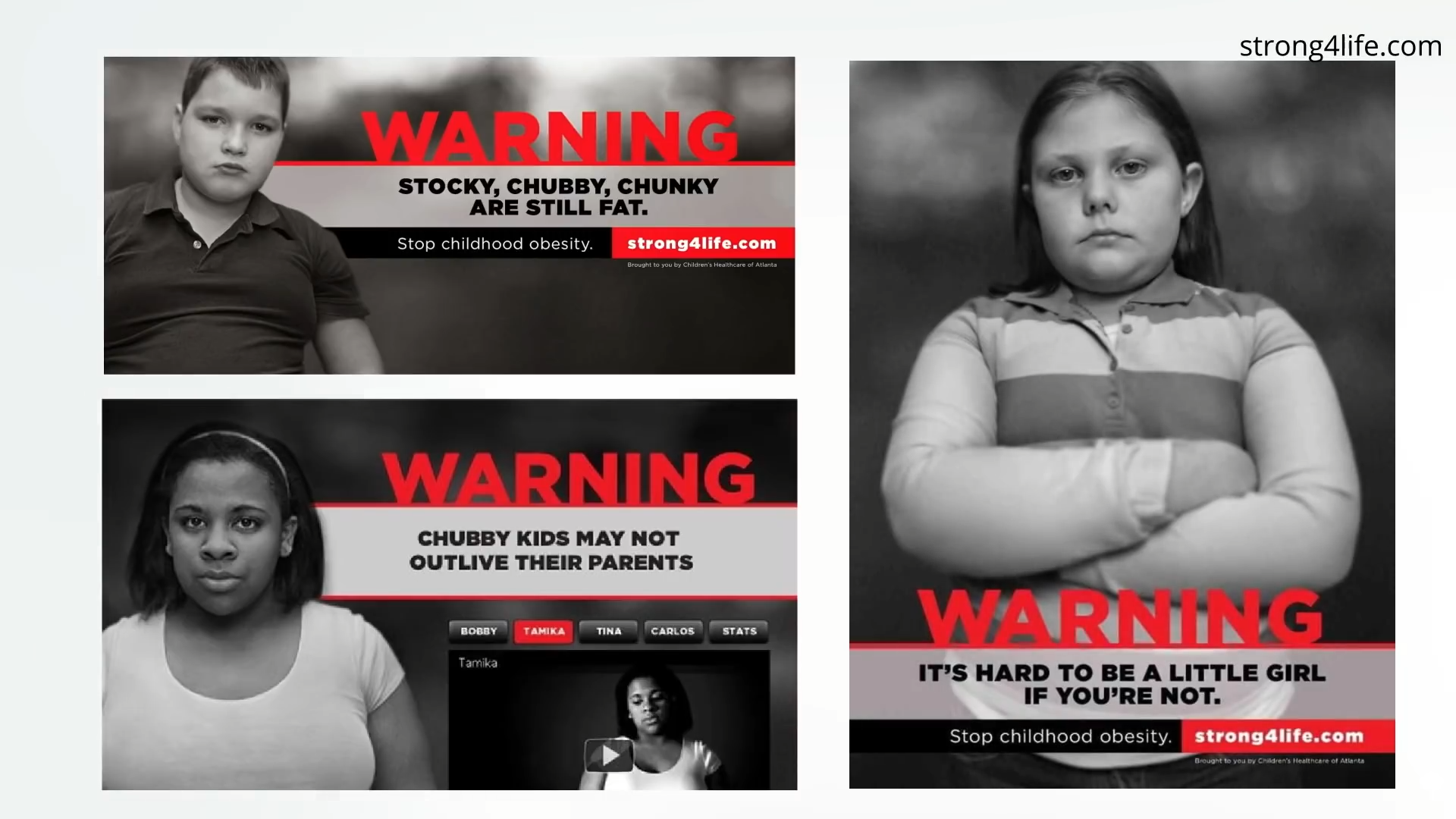
However, attempts to implement such strategies have often met with significant public resistance. A notable example is Georgia’s Strong4Life campaign, which utilized billboards featuring somber images of obese children with stark messages such as "Warning: Chubby kids may not outlive their parents" and "It’s hard to be a little girl if you’re not." The campaign’s sponsors defended these ads as necessary to break through denial in a state with high childhood obesity rates. Yet, the effectiveness of such fear-based tactics remains a subject of intense scrutiny.
The Paradoxical Impact: Stigma Fuels Overeating
Scientific research provides compelling evidence that stigmatizing messages can have unintended and counterproductive consequences. A study conducted by Yale researchers explored the psychological impact of weight-related stereotypes. When normal-weight women were exposed to clips depicting stigmatizing stereotypes of overweight individuals being teased, their subsequent food consumption did not significantly differ from when they watched neutral content. However, when overweight women were subjected to the same stigmatizing material, their calorie intake tripled. This finding directly challenges the notion that pressure to lose weight through stigma can serve as a motivating factor. Instead, it suggests that such exposure can trigger emotional distress, leading to increased food consumption. The researchers concluded that weight stigma does not produce a positive, motivating effect on overweight individuals; rather, it can exacerbate the problem.
The Challenge of Addressing Obesity in Healthcare
Compounding these issues is the reluctance observed within the healthcare system to address weight concerns. Studies have found that physicians are often hesitant to discuss weight with their patients, mirroring a phenomenon seen in veterinary medicine where pet owners are sometimes not informed about their pets’ obesity. Fewer than a quarter of parents of overweight children report being told by pediatricians about their child’s weight status, despite parents often being poor judges of their children’s weight. This hesitancy extends to adults, with the percentage of adults self-identifying as overweight remaining relatively static for decades, even as obesity rates have soared. This disconnect leads to what some observers describe as a "mass delusion" regarding the nation’s rising weight.
The Patient’s Right to Information and Physician Engagement
Despite these challenges, experts emphasize the importance of informing patients about their weight status. Research indicates that individuals told by their doctor that they are overweight are significantly more likely to attempt weight loss and twice as likely to succeed. However, physician engagement on this issue is hampered by several factors. Overweight physicians, for instance, may be less likely to initiate discussions about weight loss or document obesity in patient charts, potentially mirroring the discomfort they experience themselves.
Ironically, overweight patients often express greater trust in diet advice from overweight doctors compared to their normal-weight counterparts. Nevertheless, primary care physicians appear to offer limited specific guidance. A survey revealed that fewer than half of surveyed physicians provide detailed advice on weight management, with many resorting to general recommendations like "watch what you eat." The lack of appropriate reimbursement for time spent on weight management further discourages physicians from dedicating sufficient attention to this critical health issue.
A Deeper Understanding: The Lived Experience of Obesity
To truly grasp the impact of weight stigma, it is crucial to understand the lived experiences of individuals who have navigated the challenges of obesity. A groundbreaking study interviewed 47 men and women who had successfully lost and maintained a significant amount of weight, averaging over 100 pounds. These individuals, having personally experienced morbid obesity and subsequently achieved substantial weight loss, offered profound insights.
When asked to choose between remaining morbidly obese forever or receiving millions of dollars, an overwhelming majority of participants (46 out of 47) unequivocally chose to be normal weight, even without any financial incentive. None opted for financial security in exchange for continued obesity. This stark preference underscores the immense burden and suffering associated with living in a larger body.
Obesity as the Ultimate Handicap
Perhaps more astonishing was the study’s exploration of how participants perceived obesity compared to other disabilities. Typically, individuals tend to prefer their existing conditions over switching to an unknown disability, a phenomenon known as the "safety in familiarity" principle. For example, blind individuals often prefer to remain blind rather than gain sight without the ability to hear. However, in this study, the formerly obese individuals exhibited the exact opposite tendency.
Every single participant stated they would rather live with deafness, dyslexia, diabetes, severe acne, or heart disease for the rest of their lives than be obese. Over 90% indicated a preference for having a leg amputated or being legally blind rather than experiencing obesity. Obesity emerged as a unique handicap where nearly everyone expressed a desire to switch to another condition, regardless of the alternative. One participant poignantly summarized this sentiment: "When you’re blind, people want to help you. No one wants to help you when you’re fat."
Conclusion: Fostering Empathy and Systemic Change
The overwhelming consensus from scientific inquiry and lived experience points to the profound and damaging nature of weight stigma. It is not merely a matter of personal preference or social judgment; it is a significant public health issue that contributes to a vicious cycle of stress, unhealthy behaviors, and diminished well-being. Addressing this requires a multifaceted approach, encompassing education to combat biases, healthcare system reforms that prioritize open and supportive communication, and a societal shift towards empathy and understanding for individuals of all sizes. As the research suggests, the cost of perpetuating weight stigma is not only a detriment to individual health but also a missed opportunity to foster a more supportive and effective environment for managing health challenges.

