

The pervasive issue of weight bias and discrimination, a sensitive topic that can evoke strong emotions, is increasingly recognized as a significant public health concern. While not a direct cause of weight gain in isolation, weight stigma can create a detrimental cycle that exacerbates stress, influences eating behaviors, and ultimately contributes to poorer health outcomes, independent of body mass index. Research indicates that individuals experiencing weight-based discrimination face a heightened risk of developing obesity and a greater likelihood of remaining within higher weight categories. This complex interplay between societal attitudes and individual health trajectories warrants a deeper examination.
The Stress-Weight Connection: A Vicious Loop
The physiological impact of stress on the body is well-documented. Prolonged periods of fasting, for instance, can significantly elevate cortisol levels, a primary stress hormone, with some studies showing a doubling within just five days. While dieting alone may not induce such drastic hormonal shifts, the psychological toll of weight stigma can create a similar, albeit indirectly induced, stress response. This stress can then manifest in behaviors that contribute to weight gain.
Studies following thousands of individuals over four-year periods have revealed a compelling correlation: those who reported experiencing discriminatory actions related to their weight were more than twice as likely to become obese. For individuals who were already classified as obese, the odds of remaining in that category were more than three times higher if they had encountered weight-based discrimination, compared to their counterparts who maintained the same weight but were not subjected to such bias. This phenomenon can be attributed to several factors. On one hand, stress-induced eating, often referred to as emotional eating, can increase caloric intake. On the other hand, the fear of judgment and embarrassment can lead to avoidance of physical activity, particularly in public settings.
The "Too Fat to Exercise" Phenomenon
The perception of being "too fat to exercise" is not merely a subjective feeling but often a deeply ingrained fear rooted in real-world experiences. Individuals who frequently encounter weight stigma report a marked avoidance of public exercise, driven by a fear of being judged and scrutinized. This apprehension is unfortunately well-founded, as research has documented strong anti-fat biases within the fitness industry itself, including among fitness professionals and regular gym-goers. Such biases can translate into an unwelcoming and intimidating environment at fitness centers and health clubs, further discouraging participation.
The implications of this avoidance are significant. When individuals are less likely to engage in physical activity due to social anxieties, their calorie expenditure decreases, potentially tipping the balance towards weight gain. This creates a self-perpetuating cycle where the stigma associated with weight leads to behaviors that can inadvertently contribute to the very condition it seeks to address.
Beyond Weight: The Broader Health Consequences of Stigma
The detrimental effects of weight stigma extend far beyond its impact on weight management. Individuals who experience frequent weight-based discrimination often suffer from a range of health consequences that are independent of any additional weight gain. These include elevated levels of depression, increased inflammation, heightened oxidative stress, and a demonstrably shorter lifespan.
Two large-scale studies, collectively following nearly 20,000 individuals, found that those reporting greater daily discrimination related to their weight had approximately a 50% increase in their risk of mortality. This suggests that weight discrimination is not merely a social discomfort but a significant health hazard capable of shortening life expectancy. Despite this mounting evidence, some academic circles continue to advocate for intensified efforts to shame individuals into weight loss.

The Debate Over Stigmatization: A Controversial Approach
In a striking example of this controversial perspective, the President Emeritus of the prestigious Hastings Center once advocated for a form of "stigmatization lite." This approach proposed leveraging social pressures to encourage weight loss without resorting to overt discrimination. The rationale presented was that such social influence might be necessary to counteract the persuasive marketing power of the food and beverage industries, which collectively spend billions of dollars annually. The argument drew parallels to the successful public health campaigns against tobacco, which transformed the perception of smoking from a "bad habit" into "reprehensible behavior." The proponent recalled his own experience, stating that social shaming and criticism were as effective in his personal battle to quit smoking as the health warnings themselves.
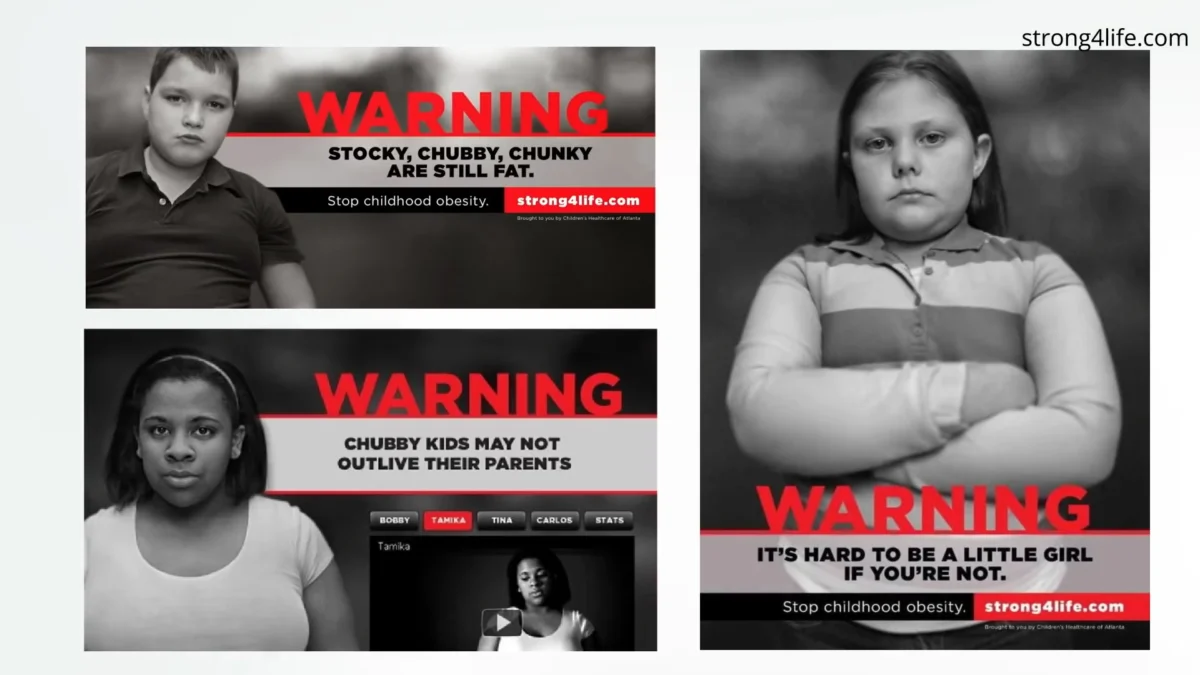
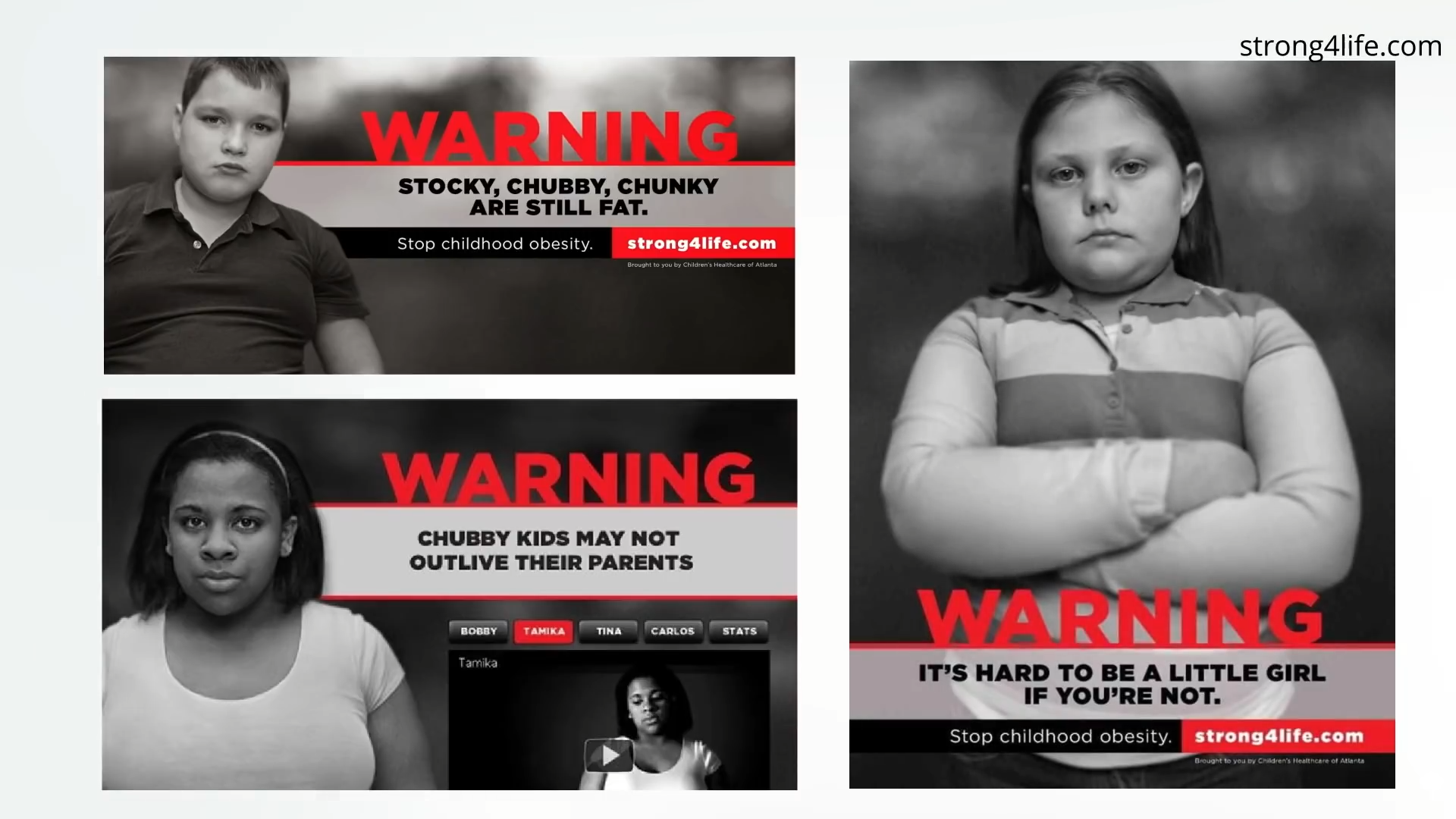
However, attempts to replicate such public health campaigns targeting weight have been met with significant resistance and controversy. A notable example is Georgia’s "Strong4Life" campaign. This initiative featured billboards displaying images of unhappy-looking obese children with provocative captions such as "Warning: Chubby kids may not outlive their parents" and "It’s hard to be a little girl if you’re not." The campaign’s sponsors defended their approach as a necessary measure to break through denial in a state grappling with some of the highest childhood obesity rates in the nation. Yet, the effectiveness and ethical implications of such fear-based messaging remain a subject of intense debate.
The Counterproductive Impact of Stigma on Eating Behaviors
Research has provided compelling evidence that stigmatizing messages can have a counterproductive effect on eating behaviors, particularly among individuals who are overweight. A study conducted by Yale researchers involved normal-weight women who were presented with snacks after watching either clips depicting stigmatizing scenarios or neutral insurance commercials. The findings indicated that these women consumed similar amounts of snacks regardless of the video content.
However, when overweight women were exposed to the same experimental conditions, a stark difference emerged. After watching videos featuring stigmatizing material, which often portrayed overweight individuals as clumsy, loud, or lazy, their caloric intake tripled compared to when they watched neutral content. This direct observation challenged the notion that pressure to lose weight, delivered through stigma, would act as a positive motivator. Instead, the study concluded that such pressure could, in fact, exacerbate the problem by triggering overeating. This phenomenon suggests that negative stereotypes and judgmental portrayals can lead to emotional distress, which in turn prompts increased consumption of comfort foods.
The implications of this research are profound, directly undermining the argument that public shaming is an effective strategy for weight management. The researchers’ conclusion was unequivocal: "This directly challenges the notion that pressure to lose weight in the form of weight stigma will have a positive, motivating effect on overweight individuals." In essence, rather than motivating positive change, weight stigma can make matters worse. Further evidence supporting this is found in studies indicating that being labeled "too fat" during childhood is associated with a higher risk of becoming obese later in life, even when compared to children of the same weight who never received such labels.
Healthcare Professionals and the Obesity Dilemma
Despite the growing understanding of the negative impacts of weight stigma, a significant disconnect appears to exist within the healthcare system regarding open and effective communication about weight. Similar to how veterinarians may hesitate to inform pet owners about their animals’ obesity, fewer than a quarter of parents of overweight children report being informed by pediatricians about their child’s weight status. This reluctance to address weight concerns, even when it might seem obvious, contributes to a lack of awareness.
A Gallup Survey highlighted this issue, revealing that parents are often "notoriously poor judges of their children’s weight." This lack of accurate self-perception extends to adults as well. The percentage of adults who describe themselves as overweight has remained relatively stable over the past few decades, even as obesity rates have dramatically increased. Gallup’s conclusion painted a stark picture: "All of this helps ‘paint a picture of mass delusion in the United States about its rising weight.’"
However, there is a strong argument for the importance of informed patients. Studies indicate that individuals who are informed by their doctor that they are overweight are approximately four times more likely to attempt weight loss and twice as likely to achieve it. This underscores the critical role of healthcare providers in initiating these conversations.
Interestingly, a parallel exists between physicians who smoke and their reluctance to address weight issues. Just as smoking physicians are less likely to challenge their smoking patients about their habit, overweight physicians may be less inclined to discuss weight loss with their patients or even document obesity in their medical records.
Trust and Inaction: The Physician-Patient Dynamic
An ironic twist in this dynamic is that overweight patients often express greater trust in diet advice from overweight doctors compared to those of normal weight. This suggests that shared lived experience can foster a stronger patient-physician rapport. However, the practical support offered by primary care physicians in terms of specific weight management strategies appears to be limited. A survey revealed that fewer than half of primary care physicians reported providing specific advice to their patients on weight management. Generic advice, such as "watch what you eat," is unlikely to be highly effective, and many physicians may not even offer this level of guidance.
A significant barrier to more proactive weight management interventions appears to be financial. Most physicians indicated that they would dedicate more time to working with patients on weight management if their time were "reimbursed appropriately." This points to systemic issues within healthcare reimbursement models that may inadvertently discourage comprehensive care for weight-related issues. One proposed solution is to offer incentives for physicians to avoid blaming the patient, thereby fostering a more supportive and effective therapeutic environment. As one pair of commentators aptly noted in response to proponents of shaming, "If shaming reduced obesity, there would be no fat people."
The Lived Experience of Obesity: A Powerful Testimony
To conclude a series on weight stigma, a particularly impactful study offers a profound glimpse into the lived experience of individuals with obesity. Researchers interviewed men and women who had successfully lost and maintained a significant amount of weight, averaging over 100 pounds. These 47 individuals, having personally experienced the challenges of morbid obesity, were asked to reflect on their past and make a hypothetical choice: would they accept millions of dollars to remain morbidly obese forever, or would they choose to be normal weight regardless of financial compensation?
The overwhelming majority of participants, 46 out of 47, unhesitatingly chose to be normal weight, even if it meant forfeiting a substantial financial reward. Only one individual expressed a need to consider the offer. Crucially, no one selected the option of remaining morbidly obese in exchange for immense wealth, underscoring the profound desire for a normal weight.
Obesity as the Ultimate Handicap: A Comparative Perspective
The study’s findings became even more striking when participants were asked to compare their experience of obesity to other disabilities. Typically, when individuals are presented with the choice between living with their current disability or switching to a different one, there is a strong preference for maintaining their existing condition due to familiarity and the learned coping mechanisms associated with it. For instance, blind individuals generally prefer to remain blind rather than become deaf, valuing their existing adaptation.
However, the opposite occurred with the formerly obese individuals. Every single one of the 47 participants stated they would rather live with conditions such as deafness, dyslexia, diabetes, severe acne, or heart disease for the rest of their lives than be obese. More than 90% indicated they would prefer a leg amputation, and a similar proportion stated they would rather be legally blind than obese.
This comparative analysis suggests that obesity is perceived as the most undesirable handicap, with nearly everyone expressing a desire to switch to any other condition, regardless of the severity. The poignant quote from one participant encapsulates this sentiment: "When you’re blind, people want to help you. No one wants to help you when you’re fat." This powerful testimony highlights the profound social isolation and lack of support often experienced by individuals living with obesity, starkly contrasting with the empathy and assistance often extended to those with other visible disabilities. These findings underscore the urgent need for a societal shift away from stigmatizing attitudes towards a more compassionate and understanding approach to weight and health.

