

The pervasive issue of weight bias and discrimination, a sensitive topic for many, continues to cast a long shadow over public health initiatives and individual well-being. Recent research and analyses highlight a troubling cyclical relationship where societal stigma surrounding weight can exacerbate both stress and obesity, creating a detrimental feedback loop that impacts physical and mental health outcomes, and even life expectancy. This investigation delves into the multifaceted nature of weight stigma, its physiological and psychological consequences, and the ongoing debate surrounding effective public health interventions.
The Stress-Obesity Nexus Amplified by Stigma
While extreme dietary practices like prolonged fasting are known to elevate stress hormone levels, particularly cortisol, the act of dieting alone does not typically induce such a drastic physiological response. However, a significant pathway through which stress and obesity become intertwined has been identified as weight stigma. Extensive longitudinal studies, following thousands of individuals over four-year periods, have revealed a stark correlation between experiencing discriminatory attitudes and an increased likelihood of developing obesity.
Data indicates that individuals who reported discriminatory experiences related to their weight were more than twice as likely to become obese. Furthermore, those who were already classified as obese faced more than a threefold increased risk of remaining so if they had encountered weight-based discrimination, compared to their counterparts of similar weight who did not face such prejudice. This phenomenon can be attributed to a dual impact: heightened stress levels may lead to stress-induced eating, contributing to a positive energy balance, while the emotional toll of stigma can foster avoidance of physical activity due to feelings of shame and embarrassment.
The "Too Fat to Exercise" Phenomenon and Environmental Barriers
The fear of being perceived as "too fat to exercise" is not merely an internal psychological hurdle; it is often substantiated by the environment in which individuals seek to engage in physical activity. Research consistently documents strong anti-fat biases within fitness professions and among regular gym-goers. This can translate into an unwelcoming and judgmental atmosphere at fitness centers and health clubs, discouraging individuals from participating in activities that are crucial for weight management and overall health. The psychological discomfort and perceived social risk can effectively negate the intended health benefits of exercise, trapping individuals in a cycle of inactivity.
Health Consequences Beyond Weight Gain
The ramifications of weight stigma extend far beyond the potential for increased body weight. Individuals who frequently experience weight-based discrimination report a cascade of negative health consequences, independent of any changes in their body mass. These include elevated levels of depression, heightened inflammation, increased oxidative stress, and a demonstrably shorter lifespan. Two comprehensive studies, encompassing nearly 20,000 participants, indicated a significant approximately 50% increase in mortality risk among those who reported greater daily experiences of weight discrimination. This suggests that the psychosocial burden of stigma can have a direct and detrimental impact on longevity, underscoring the severity of this public health concern.
The Controversial Debate: Stigmatization vs. Support
Despite the mounting evidence of harm caused by weight stigma, a controversial perspective has emerged, advocating for intensified social pressure, often termed "stigmatization lite," as a means to combat the obesity epidemic. Proponents of this approach draw parallels to the successful public health campaigns that targeted tobacco use. They argue that social pressures, similar to those that helped transform smoking from a common habit into a socially reprehensible behavior, could potentially counteract the immense influence of food and beverage advertising. This viewpoint posits that societal disapproval can be a powerful motivator for behavior change, even in the face of significant health risks.

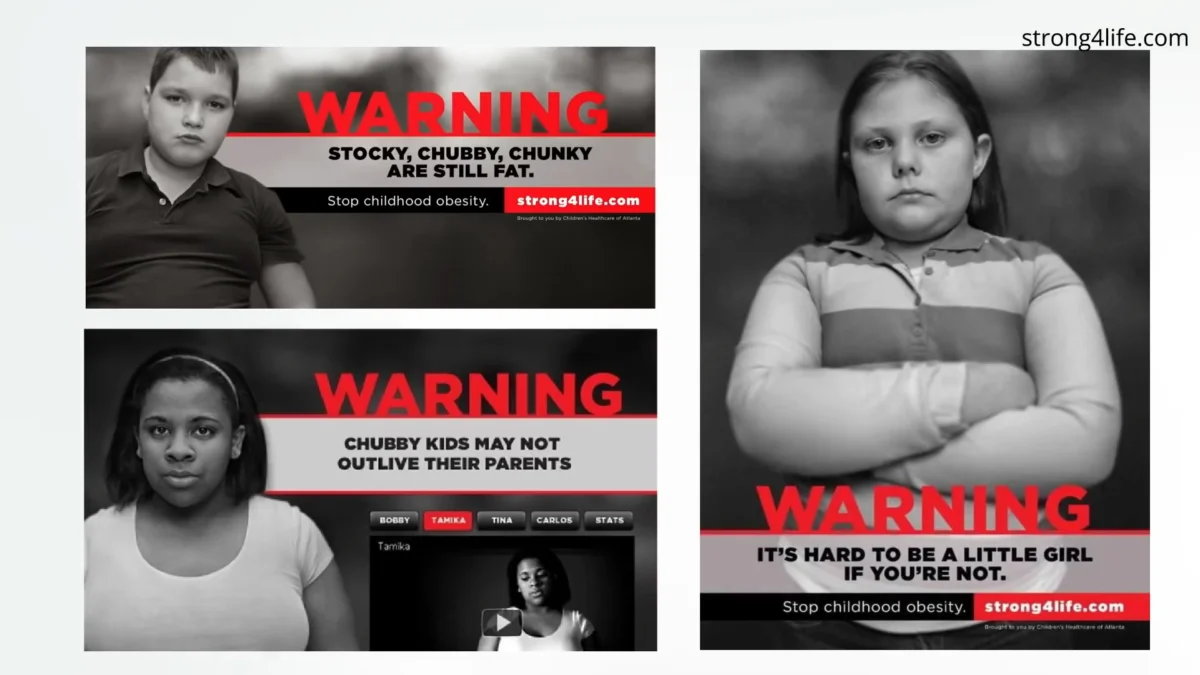
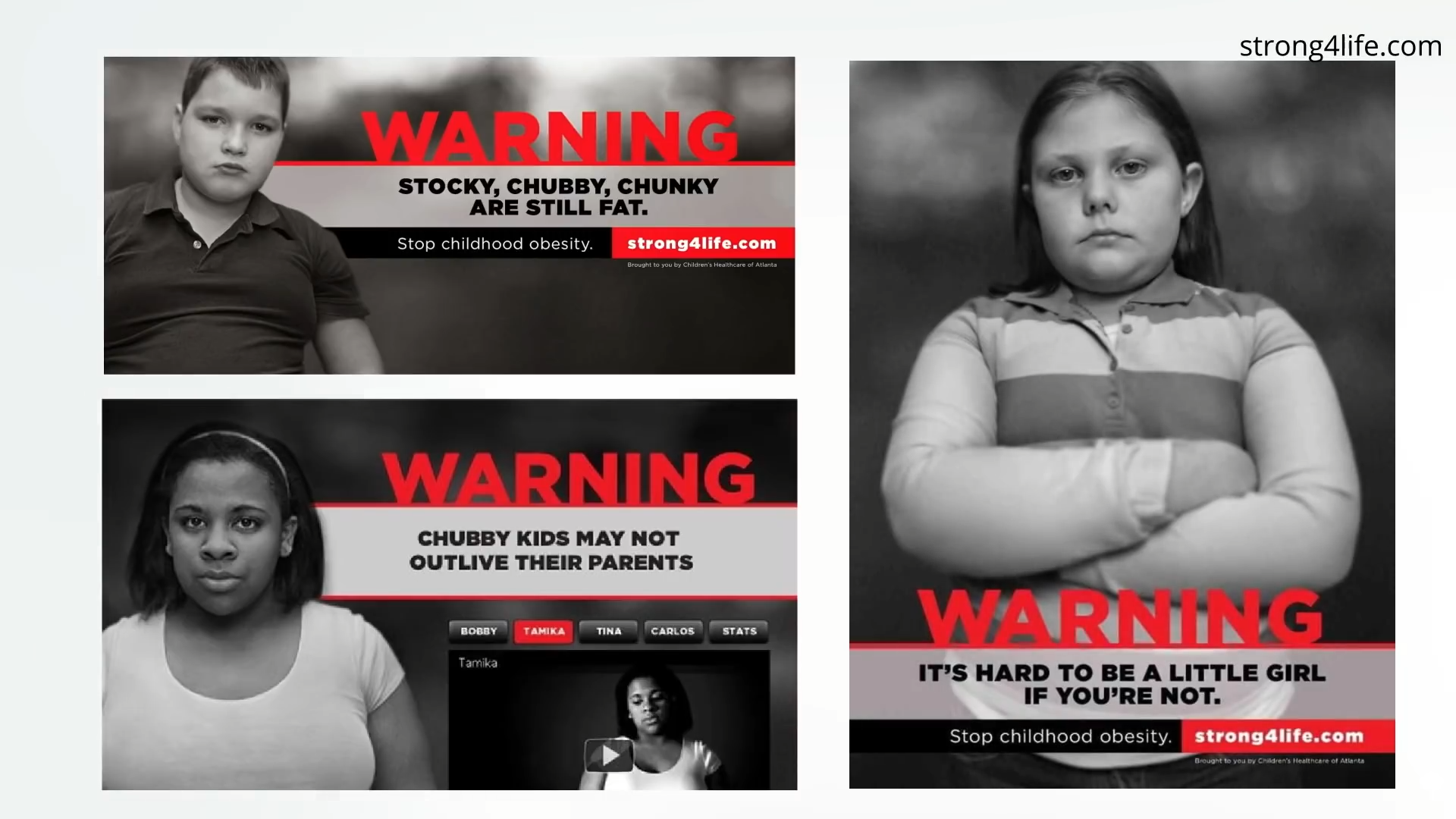
However, attempts to implement such campaigns have often been met with significant public backlash. A notable example is Georgia’s "Strong4Life" campaign, which utilized stark billboards featuring images of overweight children with provocative captions such as "Warning: Chubby kids may not outlive their parents" and "It’s hard to be a little girl if you’re not." While campaign sponsors defended these ads as necessary to break through denial in a state with high childhood obesity rates, their effectiveness remains a subject of intense debate. Critics argue that such messaging, rather than motivating positive change, can inflict further psychological harm and exacerbate existing stigma.
The Paradoxical Impact: Stigma as a Catalyst for Overeating
Compelling research from Yale University offers a stark illustration of how weight stigma can paradoxically lead to increased food consumption. In controlled experiments, normal-weight women who viewed stigmatizing material related to weight exhibited no significant change in their snacking behavior when offered calorie-dense foods. In contrast, overweight women who were exposed to the same stigmatizing content consumed approximately triple the amount of food. This finding directly challenges the notion that pressure to lose weight in the form of stigma acts as a positive, motivating force. Instead, it suggests that for individuals already struggling with their weight, such stigmatizing experiences can trigger emotional eating and further entrench unhealthy dietary patterns.
The Unaddressed Reality: Parental and Medical Blind Spots
A peculiar disconnect exists in how weight is perceived and addressed by parents and healthcare professionals. Studies indicate that a significant majority of parents with overweight children are not informed by pediatricians about their child’s weight status. This reluctance to discuss weight is reminiscent of the observed reticence among veterinarians to inform pet owners about their animals’ obesity. This phenomenon may stem from a fear of causing distress or a perceived lack of effective strategies to address the issue.
Furthermore, a Gallup survey revealed that parents are often "notoriously poor judges of their children’s weight." This observational bias, coupled with a potential lack of proactive communication from healthcare providers, contributes to a collective "mass delusion" regarding the escalating weight crisis in the United States. Despite skyrocketing obesity rates, the percentage of adults who self-identify as overweight has remained largely static, suggesting a widespread underestimation or avoidance of the issue.
The Importance of Patient Information and Physician Responsibility
Despite the complexities, evidence suggests that informing patients about their weight status can be a crucial first step toward positive change. Individuals who have been directly told by their doctor that they are overweight demonstrate a fourfold increase in the likelihood of attempting weight loss and a doubled chance of achieving success. This underscores the potential of a supportive and informative approach from healthcare providers.
However, a significant barrier exists in the form of physician behavior and incentives. Similar to how smoking physicians may be less inclined to counsel their smoking patients, overweight physicians sometimes exhibit a reduced tendency to discuss weight loss or document obesity in patient records. This creates a potential void in care, especially considering that overweight patients often express greater trust in diet advice from physicians who share their body type.
The current healthcare system also presents challenges. Fewer than half of primary care physicians report providing specific dietary advice, and many admit that time constraints and inadequate reimbursement for weight management services limit their engagement. This highlights a systemic issue where crucial health interventions are not adequately prioritized or supported. The call for physicians to "refrain from blaming the victim" resonates as a fundamental principle for fostering a more effective and empathetic approach to weight management. As one commentary aptly put it, "If shaming reduced obesity, there would be no fat people."
The Profound Desire for Normalcy: A Study in Contrasts
To truly grasp the lived experience of individuals in larger bodies and to foster empathy among medical professionals, a particularly striking study offers profound insights. Researchers interviewed 47 individuals who had successfully lost and maintained significant weight loss, averaging over 100 pounds. These individuals, having personally navigated the challenges of severe obesity and subsequent weight reduction, provided unique perspectives.
When asked to choose between receiving several million dollars to remain morbidly obese or to achieve and maintain a normal weight, an overwhelming majority—46 out of 47—opted for normal weight without hesitation, stating they would have made the decision in "one second." No participant chose the option of remaining morbidly obese for financial gain. This powerful response underscores that for many, the desire for a healthy body weight transcends monetary incentives.
The study’s findings become even more remarkable when comparing obesity to other disabilities. Typically, individuals tend to prefer their existing condition when offered a choice between their own disability and a different one, due to the familiarity and established coping mechanisms. However, the formerly obese participants exhibited the exact opposite preference. Every single participant stated they would rather live with deafness, dyslexia, diabetes, severe acne, or heart disease than remain obese. More than 90% expressed a preference for leg amputation or legal blindness over obesity.
This overwhelming desire to switch from obesity to virtually any other condition highlights the profound social and personal burden associated with being obese. The poignant quote, "When you’re blind, people want to help you. No one wants to help you when you’re fat," encapsulates the deep-seated societal discrimination and lack of support that individuals with obesity often face. This perception of isolation and lack of assistance starkly contrasts with the empathy and aid typically extended to individuals with other visible disabilities.
Moving Forward: Towards Empathy and Effective Solutions
The evidence presented paints a clear picture: weight stigma is not only morally objectionable but also physiologically detrimental and counterproductive to public health goals. The cyclical relationship between stigma, stress, and obesity necessitates a fundamental shift in how society, healthcare providers, and policymakers approach weight-related issues. Instead of perpetuating harmful stereotypes and discriminatory practices, the focus must pivot towards fostering empathy, understanding, and evidence-based strategies that support individuals in achieving sustainable health and well-being. This includes addressing the systemic barriers within healthcare, challenging societal biases, and empowering individuals with the knowledge and resources they need to navigate their health journeys without fear of judgment. The ultimate goal must be to create an environment where health is pursued with compassion and support, rather than shame and ostracization.

