

Potassium’s Crucial Role in Blood Pressure Regulation and the Modern Diet
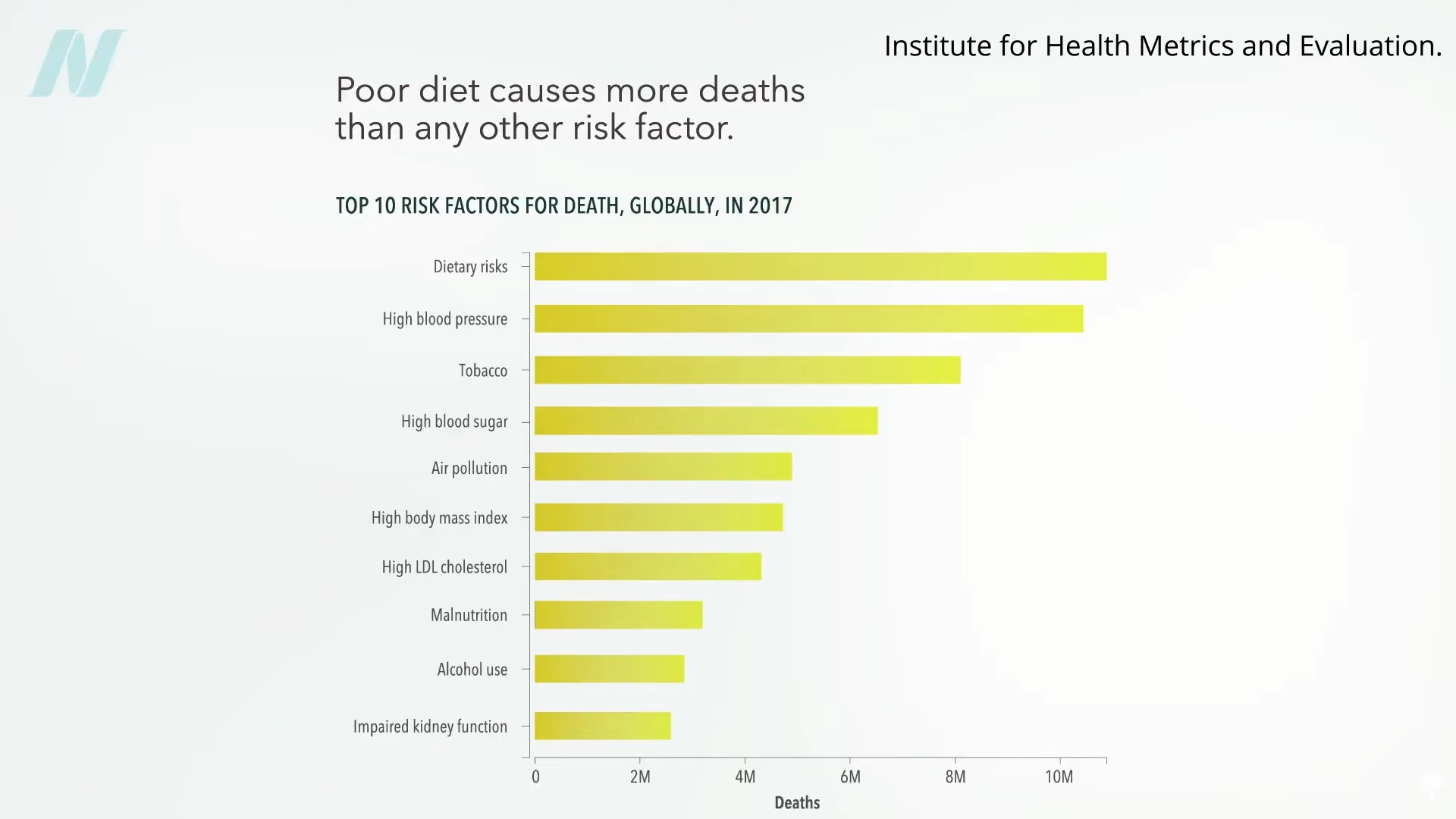
The human body relies on a delicate balance of minerals to maintain optimal health, and potassium plays a particularly vital role in regulating blood pressure. Its ability to counteract the effects of sodium is well-established, yet modern dietary habits have created a significant imbalance for many. Historically, our ancestors consumed a diet rich in potassium from a wide variety of plant-based foods. However, a pervasive shift towards processed, calorie-dense foods high in sodium and low in essential nutrients like potassium has led to a global health crisis. High blood pressure, a leading risk factor for mortality worldwide, claims over 10 million lives annually, with unhealthy diets identified as a primary contributor. Understanding this dietary evolution and its health consequences is crucial for informed public health strategies.
The Evolutionary Disconnect: From Potassium-Rich Diets to Modern Consumption
Our evolutionary past paints a clear picture of optimal potassium intake. Scientific research suggests that our ancestors, whose diets were predominantly plant-based, likely consumed potassium levels far exceeding current recommendations. This era was characterized by an abundance of fruits, vegetables, leafy greens, roots, and tubers – all natural powerhouses of potassium. These foods not only provided essential minerals but also fiber, contributing to overall well-being.
The advent of modern food production and processing has dramatically altered this dietary landscape. Many of the potassium-rich whole foods have been displaced by manufactured products laden with added fats, sugars, and excessive sodium. This shift has resulted in a diet that is not only deficient in potassium but also contributes to the overconsumption of sodium, creating a dangerous nutritional imbalance. This dietary transformation has occurred over a relatively short period in evolutionary terms, leaving our bodies ill-equipped to cope with the new nutritional reality.
High Blood Pressure: A Global Health Epidemic Driven by Diet
The consequences of this dietary shift are starkly evident in global health statistics. High blood pressure, or hypertension, stands as the second leading cause of death globally, impacting millions of lives each year. The World Health Organization (WHO) consistently highlights unhealthy diets as a paramount risk factor for mortality, underscoring the profound link between what we eat and our longevity. This dire statistic is further contextualized by the fact that unhealthy diets rank higher than any other global risk factor for death.
The scientific community has extensively documented the correlation between low potassium intake, high sodium intake, and the prevalence of hypertension. Traditional diets, characterized by a high potassium-to-sodium ratio, are associated with significantly lower rates of cardiovascular disease. Conversely, the Western diet, with its emphasis on processed foods and excessive salt, has contributed to an epidemic of high blood pressure, placing an immense burden on healthcare systems worldwide.
Exploring Solutions: The Role of Potassium-Rich Foods and Salt Substitutes
Recognizing the critical need to address this imbalance, health experts advocate for increasing the consumption of whole, healthy plant foods. Greens and beans, in particular, are lauded for their high potassium content and their proven ability to help lower blood pressure. These nutrient-dense foods offer a natural and effective way to combat hypertension and improve cardiovascular health.
However, for many individuals struggling with existing dietary habits and high sodium intake, a more immediate solution is being explored: salt substitutes. Potassium chloride, the most common salt substitute, offers a way to reduce sodium consumption while simultaneously increasing potassium intake. This dual action presents a promising avenue for blood pressure management.
Potassium Chloride Salt Substitutes: Efficacy and Considerations

Scientific evidence supports the efficacy of potassium chloride salt substitutes in lowering blood pressure. A comprehensive meta-analysis of over a dozen randomized controlled trials has demonstrated that replacing sodium chloride with potassium chloride can lead to a significant reduction in blood pressure. Crucially, these benefits have been observed even when the potassium chloride content is less than 30% of the total salt substitute. This threshold is also important from a sensory perspective, as most individuals cannot discern a taste difference between regular salt and substitutes with lower potassium chloride concentrations. This suggests that a palatable and effective blood pressure-lowering strategy may be within reach for many.
The U.S. Food and Drug Administration (FDA) generally regards potassium chloride as safe (GRAS). For individuals with healthy kidney function, the primary concern regarding excessive potassium intake is the potential for a bitter or metallic taste, which can vary depending on the food being seasoned. Anecdotal evidence suggests that palates can adapt to these taste profiles over time, with some individuals finding that the substitutes work exceptionally well for certain dishes while not being suitable for others. The transition to a lower-sodium diet, whether through the use of salt substitutes or other means, can lead to a recalibration of taste preferences, making unsalted foods more appealing.
The Kidney’s Role: A Natural Regulator of Potassium Levels
The human body possesses a sophisticated mechanism for managing potassium levels, primarily orchestrated by the kidneys. In healthy individuals, the kidneys efficiently excrete excess potassium, preventing it from accumulating to dangerous levels in the bloodstream. This natural regulatory system allows for a wide range of potassium intake without adverse health consequences.
Research indicates that even with high potassium supplementation, healthy kidneys can maintain blood potassium levels within the normal range. Studies have shown no adverse effects from long-term supplementation at doses up to 3,000 mg per day. Furthermore, healthy kidneys can accommodate potassium intakes as high as 15,000 mg per day, a figure that aligns with estimated ancestral potassium consumption. This robust capacity highlights the body’s evolutionary adaptation to a potassium-rich diet.
Understanding Blood Potassium Levels and Potential Risks
The normal range for blood potassium levels is typically between 3.5 and 5.0 millimoles per liter (mmol/L). Levels approaching 6 mmol/L can become a cause for concern. While salt substitute trials, where participants consume an average of 2,000 mg of potassium daily, have shown only minor increases in blood potassium levels (around 0.14 mmol/L), indicating a safe margin for most.
However, the risk of hyperkalemia, a condition characterized by dangerously high potassium levels, is not entirely absent. Extremely high consumption of potassium-rich foods, such as an individual reportedly consuming up to 20 bananas daily for an extended period, could theoretically elevate blood potassium to problematic levels. Similarly, excessive consumption of certain potassium-rich vegetables, particularly through juicing as part of unproven health regimens, could also pose risks. These extreme scenarios underscore the importance of moderation and a balanced dietary approach.
Historical Context and Cautionary Tales: The Evolution of Salt Substitutes
The history of salt substitutes offers valuable lessons. Early attempts in the 1940s using lithium chloride as a substitute led to cases of lithium poisoning, highlighting the critical importance of identifying the correct and safe chemical compounds. More recently, a case of suicide involving the ingestion of a tablespoon of potassium chloride salt substitute serves as a stark reminder that even seemingly safe substances can be dangerous in excessive quantities.
It is essential to contextualize these incidents. Even common table salt, when ingested in very large amounts, can be lethal. Historically, ingesting saltwater was even employed as a method of suicide in ancient China. This perspective emphasizes that the danger lies not necessarily in the substance itself but in the dosage and the individual’s physiological state.
The Critical Role of Kidney Function: Identifying At-Risk Populations
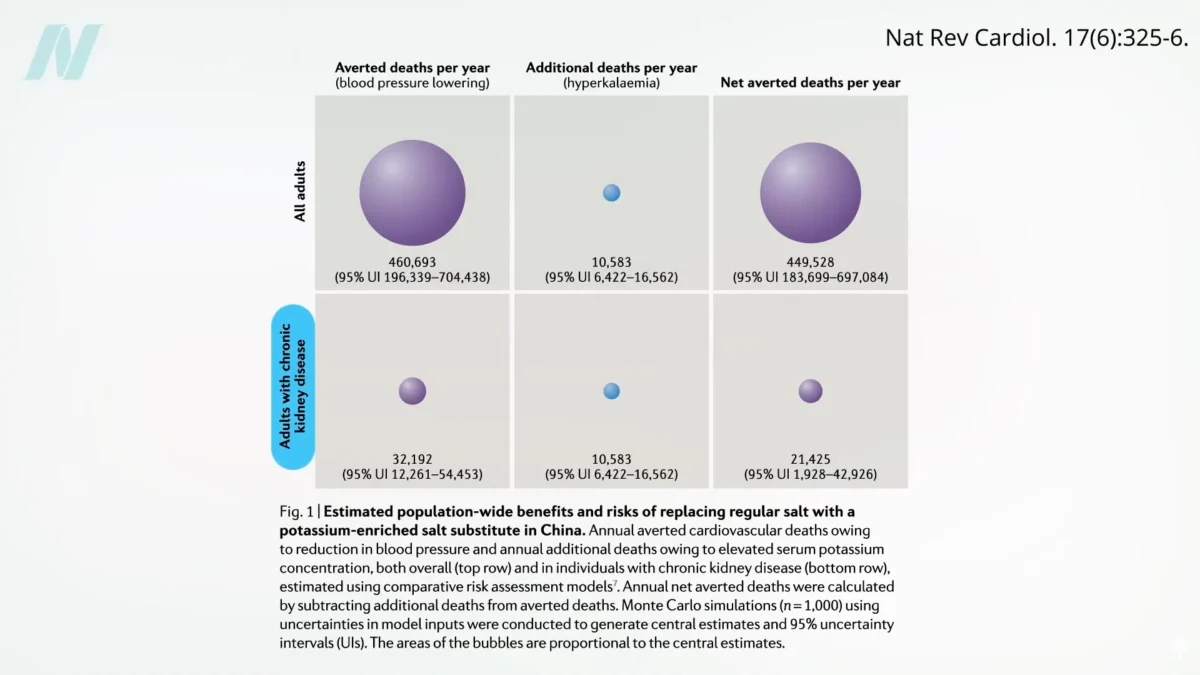
The primary concern regarding potassium intake, particularly from supplements or salt substitutes, revolves around individuals with compromised kidney function. Healthy kidneys are indispensable for regulating potassium excretion. For those with severely impaired kidney function, the body’s ability to eliminate excess potassium is significantly diminished, making them susceptible to hyperkalemia.
This vulnerability has led to a cautious approach in recommending potassium-based salt substitutes at a population level. Individuals at higher risk of potassium imbalances include those with:
- Known kidney disease: Impaired kidney function directly affects potassium regulation.
- Diabetes: Diabetes can lead to kidney damage over time, increasing the risk.
- Severe heart failure: The cardiovascular system and kidney function are closely intertwined.
- Individuals on medications that impair potassium excretion: Certain drugs, such as some diuretics and ACE inhibitors, can affect how the kidneys handle potassium.
- Older adults: Kidney function naturally declines with age.
- People with adrenal insufficiency: Hormonal imbalances can impact electrolyte balance.
For individuals in these categories, or anyone unsure about their risk, consulting a healthcare professional for kidney function testing is paramount. Understanding one’s kidney health is the first step in safely navigating dietary choices related to potassium.
A Paradigm Shift in Kidney Patient Nutrition: Embracing Plant-Based Diets
Historically, dietary recommendations for kidney patients often included restrictions on fruits and vegetables due to their potassium content. This approach was rooted in the belief that limiting potassium intake was essential for managing kidney disease. However, this paradigm is undergoing a significant transformation.
Emerging research strongly suggests that a whole-food, plant-based diet can not only be beneficial but may even help ameliorate chronic kidney disease (CKD). Studies indicate that such diets can help slow the progression of CKD and potentially delay kidney failure. This shift in understanding is leading to a reevaluation of potassium restriction in kidney patients.
The current thinking is that dietary potassium restriction should be reserved for patients with documented hyperkalemia (blood potassium levels of 6 mmol/L or higher). For many individuals with CKD, the key to halting disease progression may lie not in avoiding potassium-rich produce but in embracing it. The produce aisle, once seen as a potential pitfall, is now being recognized as a vital source of nutrients that can support kidney health.
Conclusion: Informed Choices for a Healthier Future
The intricate relationship between potassium, sodium, kidney function, and cardiovascular health is a complex but crucial area of public health. While the benefits of increasing potassium intake and reducing sodium are clear, the optimal approach requires individual consideration. For the general population with healthy kidneys, embracing a diet rich in whole plant foods is the most effective and natural way to achieve a healthy potassium-sodium balance. For those seeking to reduce sodium, potassium chloride salt substitutes offer a viable and scientifically supported option, provided they are used judiciously and with an awareness of individual health conditions.
Critically, individuals with impaired kidney function or other risk factors must engage in open and ongoing dialogue with their healthcare providers. The evolving understanding of kidney disease and nutrition suggests that a plant-forward approach, rich in potassium-containing produce, may hold the key to better kidney health for many. Ultimately, informed dietary choices, guided by medical advice and an understanding of our body’s intricate systems, are fundamental to safeguarding our long-term health and well-being.
Doctor’s Note:
This article is part of a three-part series. Previous installments include "The Mineral Intake Recommendations Only 1 in 6,000 U.S. Adults Meet" and "Are Potassium Chloride Salt Substitutes Worth Trying?"
In the event of a health crisis, please contact the National Suicide Prevention Lifeline at 800-273-8255, available 24 hours a day, seven days a week.

