

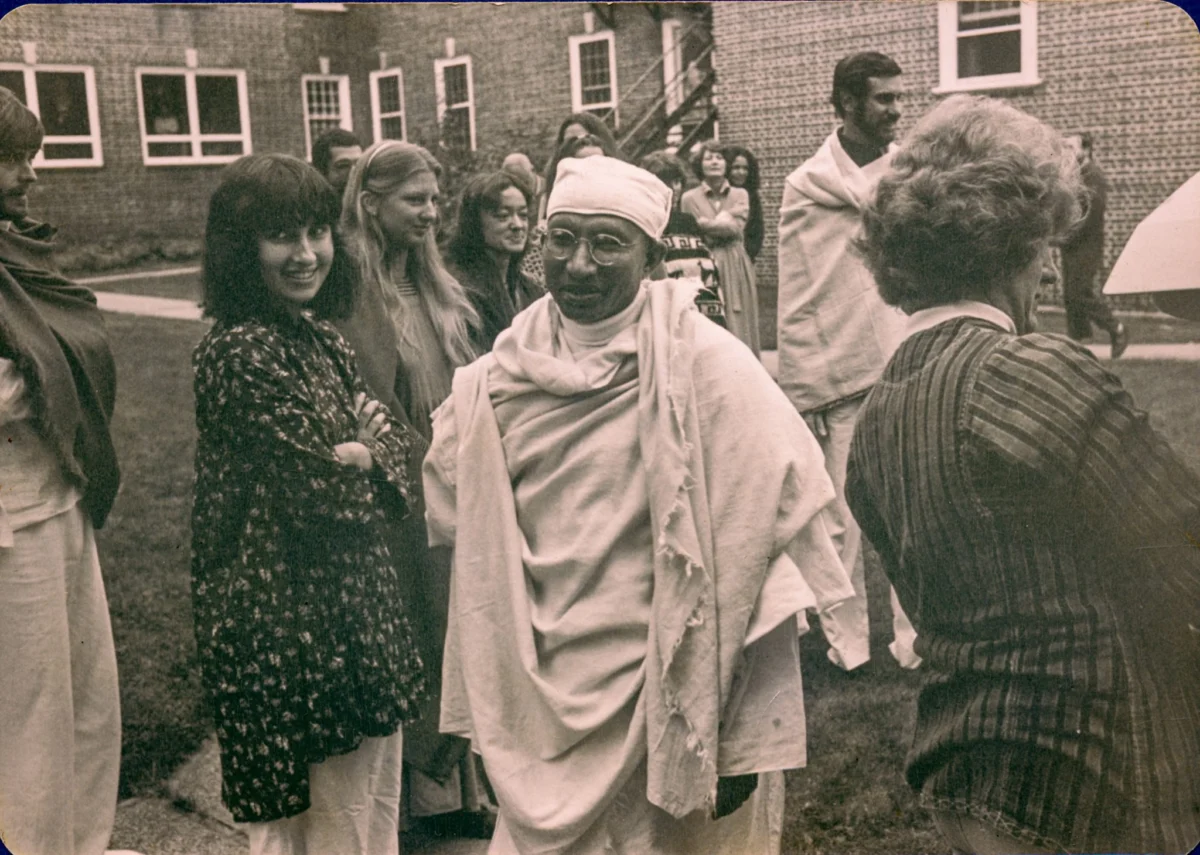
Sharon Salzberg, a renowned meditation teacher and author, recently shared her personal reflections on the multifaceted experience of aging, a topic often met with apprehension but which she views through the lens of Buddhist practice and the cultivation of wisdom. In a contemplative essay published on August 5, 2026, Salzberg articulated a nuanced perspective, acknowledging the inherent difficulties while also highlighting the profound, often unexpected, gifts that accompany advancing years. Her reflections resonate with a growing societal conversation about longevity and well-being, particularly within communities that embrace mindfulness and introspection.
Salzberg, who has dedicated decades to teaching loving-kindness (metta) meditation, confessed to an initial tendency to resist acknowledging her own aging. “I’m mostly in denial that I’m getting older,” she admitted. “I often find myself saying, ‘Let’s just not think about it. I’ll pretend it isn’t going to happen.’” This sentiment, she noted, stands in contrast to the core tenets of the Buddhist tradition she has long embraced, which encourages daily contemplation of mortality. This personal confrontation with her own mortality, a practice central to Buddhist teachings, has prompted a deeper engagement with the process of aging.
The Duality of Experience: Challenges and Growth
Aging, Salzberg observes, presents a duality of experience. While it undeniably brings forth enhanced wisdom, a broader perspective, and a deepening sense of gratitude, it also introduces significant physical challenges. She candidly described the "distressing, growing incapacities from one’s body," the "fear of what a moment of forgetfulness might mean," and the "sheer indignity of being treated as unimportant by some." The practical inconveniences, such as the frustration of navigating online forms with excessively long dropdown menus for birth years, were also cited as relatable, albeit minor, annoyances. Furthermore, she pointed to the "painful fact, so relevant recently, that one’s body tends not to mount as strong an immune response to illness," a statement that reflects heightened public awareness of age-related health vulnerabilities, particularly in light of recent global health events.
However, Salzberg emphasized that these difficulties do not negate the profound joys that can accompany later life. She articulated a noticeable shift in her own internal landscape, noting a diminished sense of ambition and competitiveness. "If someone asks me what I’d like my legacy to be, I think, ‘I’ve done it.’ Hopefully I can still accomplish things and make things happen, but I don’t feel competitive. I don’t feel haunted by the folly of youth as I might have been at one time.” This feeling of contentment and a release from the pressures of achievement can be seen as a significant psychological benefit of aging, supported by studies in gerontology that highlight increased life satisfaction and emotional regulation in older adults.
A Teacher’s Wisdom: Acknowledging All Aspects of Aging
Salzberg’s reflections were informed by an experience at a retreat focused on aging, led by Tibetan master Tsoknyi Rinpoche. Despite his relatively young age at the time, Rinpoche had recognized the burgeoning challenges his students were facing. During one session, a participant spoke with excessive enthusiasm about the "tremendous joys and delights of growing older," detailing insights, pleasures, and triumphs with increasing speed. Rinpoche’s gentle interruption offered a crucial recalibration: “Don’t just make a poem out of aging,” he advised. “It can be really hard sometimes.”
This anecdote underscores Salzberg’s central theme: the importance of acknowledging all facets of the aging experience, both the difficult and the joyful, without succumbing to denial or despair. She posited that while acknowledging the hardships is essential, it is equally important not to be solely defined by them. This balanced approach, she explained, requires intentionality, especially in a world where difficulties can easily overshadow positive forces.
Practical Applications of Mindfulness in Aging
Salzberg offered practical strategies, rooted in mindfulness and Buddhist principles, for navigating the challenges of aging:
1. Avoiding Self-Imposed Suffering
A core principle she highlighted is the practice of not adding to already existing difficulties. She observed a common human tendency to "rehearse some catastrophe and thereby live it several times." The question, she proposed, is always: "What are we adding onto a situation which is already hard enough?" This includes mental narratives of "it shouldn’t be this way," or feelings of shame and fear. Mindfulness, in this context, serves as a tool to recognize and disengage from these self-generated layers of suffering, which often amplify physical or emotional pain. Research in cognitive behavioral therapy (CBT) also supports the idea that challenging negative thought patterns can significantly reduce distress associated with chronic conditions.
2. Integrating Loving-Kindness with Embodied Awareness
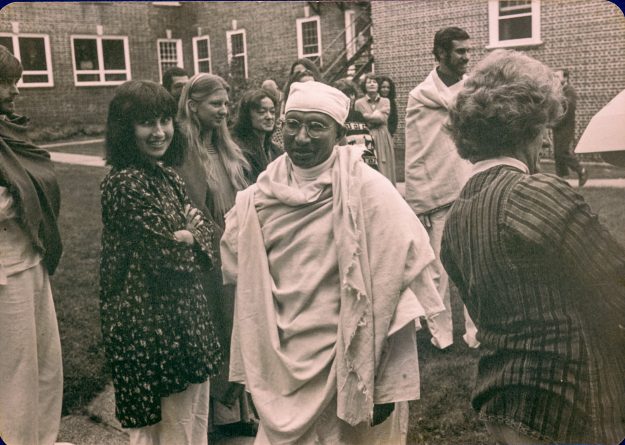
Salzberg shared a profound practice taught by Ananda Matteya, a 94-year-old Sri Lankan monk, who visited the Insight Meditation Society in the 1990s. This practice combines loving-kindness meditation with a body scan. Participants are guided to extend well wishes to each part of their body, from head to toe, with phrases like, "May my head be happy," and even, "May my liver be happy!" Salzberg has found this technique particularly beneficial for individuals facing injuries, scars, diseases, or difficult diagnoses. By actively sending kindness to the body, even to parts experiencing discomfort or decline, practitioners can counter subconscious tendencies to associate negative emotions with their physical state, thereby fostering a more compassionate relationship with their bodies. This approach aligns with the growing field of mind-body medicine, which emphasizes the interconnectedness of psychological and physiological well-being.
3. Cultivating the Perspective of Wisdom
Salzberg also touched upon the development of wisdom through prolonged practice and experience. She recounted an early meditation experience in India where her intense frustration with her wandering mind led her to consider drastic actions. It was only later, through encountering fellow practitioners like Joseph Goldstein, that she began to understand the long-term perspective of meditation and life itself. Goldstein, a seasoned practitioner, approached the same challenges with a casualness that initially bewildered Salzberg. She realized that his perspective was born from years of consistent practice and an acceptance of the inherent fluctuations of the mind and life. This realization, she explained, extends to life in general: "Things change, there are ups and downs, and with practice, we can learn to let go, again and again." This perspective aligns with the concept of post-traumatic growth, where individuals, after facing significant adversity, can develop greater appreciation for life, stronger relationships, and a deeper sense of purpose, often facilitated by a shift in perspective.
Broader Implications for Society
Salzberg’s essay arrives at a time when global demographics are shifting dramatically, with a significant increase in the elderly population. According to the United Nations, the number of people aged 65 and over is projected to more than double, from 726 million in 2020 to 1.5 billion in 2050. This demographic reality underscores the critical importance of fostering positive attitudes towards aging. Salzberg’s reflections offer a valuable framework for individuals and communities seeking to navigate this transition with grace and resilience. Her emphasis on acceptance, mindful engagement, and the cultivation of wisdom provides a pathway not just for individual well-being but also for a more compassionate and understanding society that values the contributions and experiences of its older members. The insights she shares, drawn from decades of spiritual practice and teaching, offer a potent antidote to the often ageist narratives prevalent in contemporary culture, suggesting that aging, when approached with intention and wisdom, can indeed be a profound and enriching chapter of life.

