

The question of whether certain foods can act as a buffer against the negative health consequences of consuming unhealthy items is a persistent one. Recent scientific investigations delve into this complex relationship, exploring how dietary choices, particularly the inclusion of specific plant-based foods, can influence arterial function following less-than-ideal meals. The findings suggest a nuanced picture, highlighting the protective potential of certain fruits and nuts, while also underscoring the inherent risks of frequently consuming high-fat, processed foods.
Vegetarian Diets and Superior Arterial Health
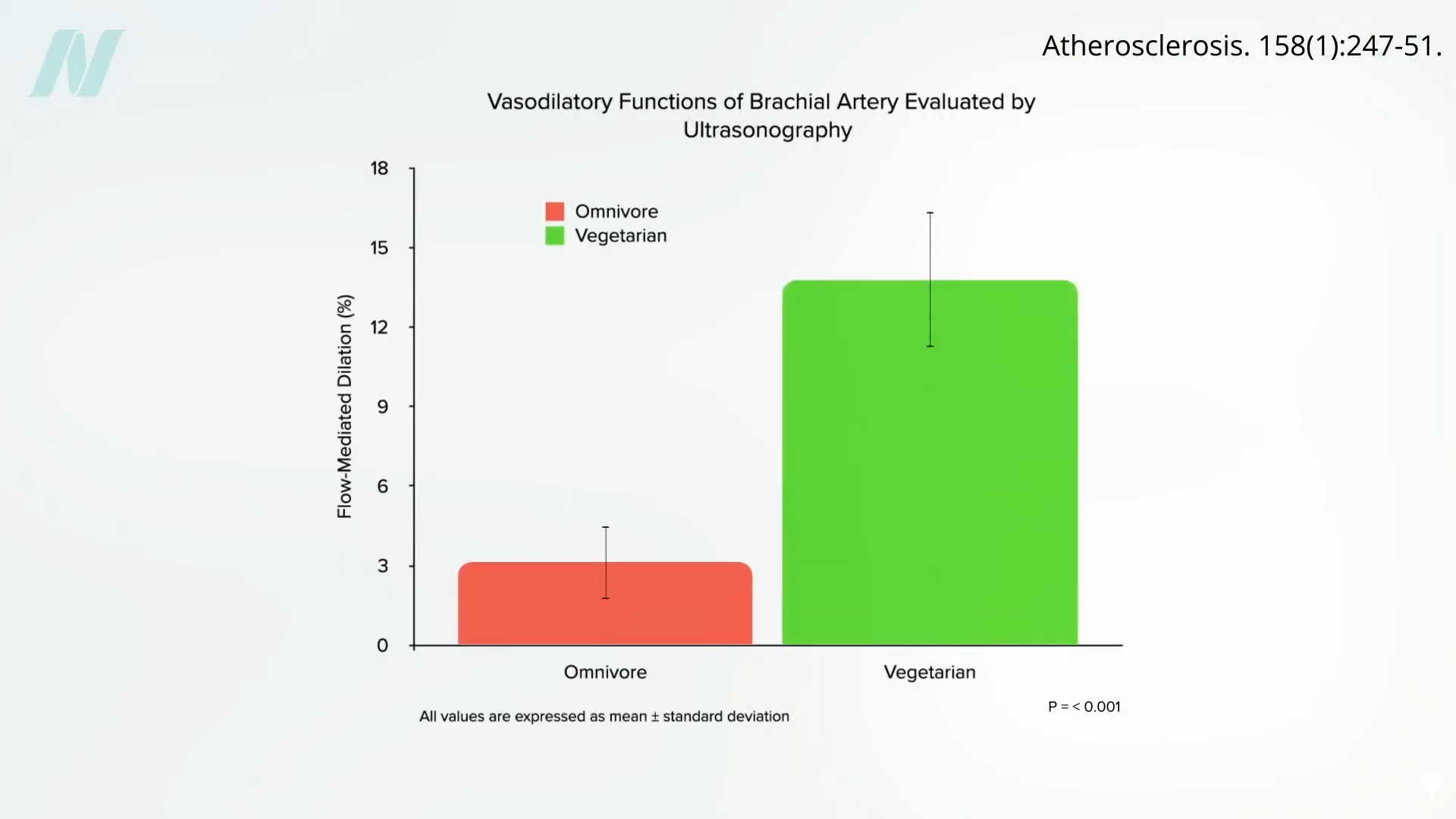
A foundational element of this discussion stems from comparative studies examining the arterial health of vegetarians versus meat-eaters. Research has consistently demonstrated that individuals adhering to vegetarian diets exhibit significantly better arterial function, specifically their ability to dilate and allow for increased blood flow. One notable study, which controlled for various lifestyle factors such as age, smoking habits, weight, and prevalence of conditions like diabetes, high cholesterol, and hypertension, still found a pronounced difference. Even when comparing healthy, non-smoking vegetarians to a meticulously matched cohort of omnivores who were slim and had comparable blood pressure and cholesterol levels, the vegetarians’ arteries performed demonstrably better.
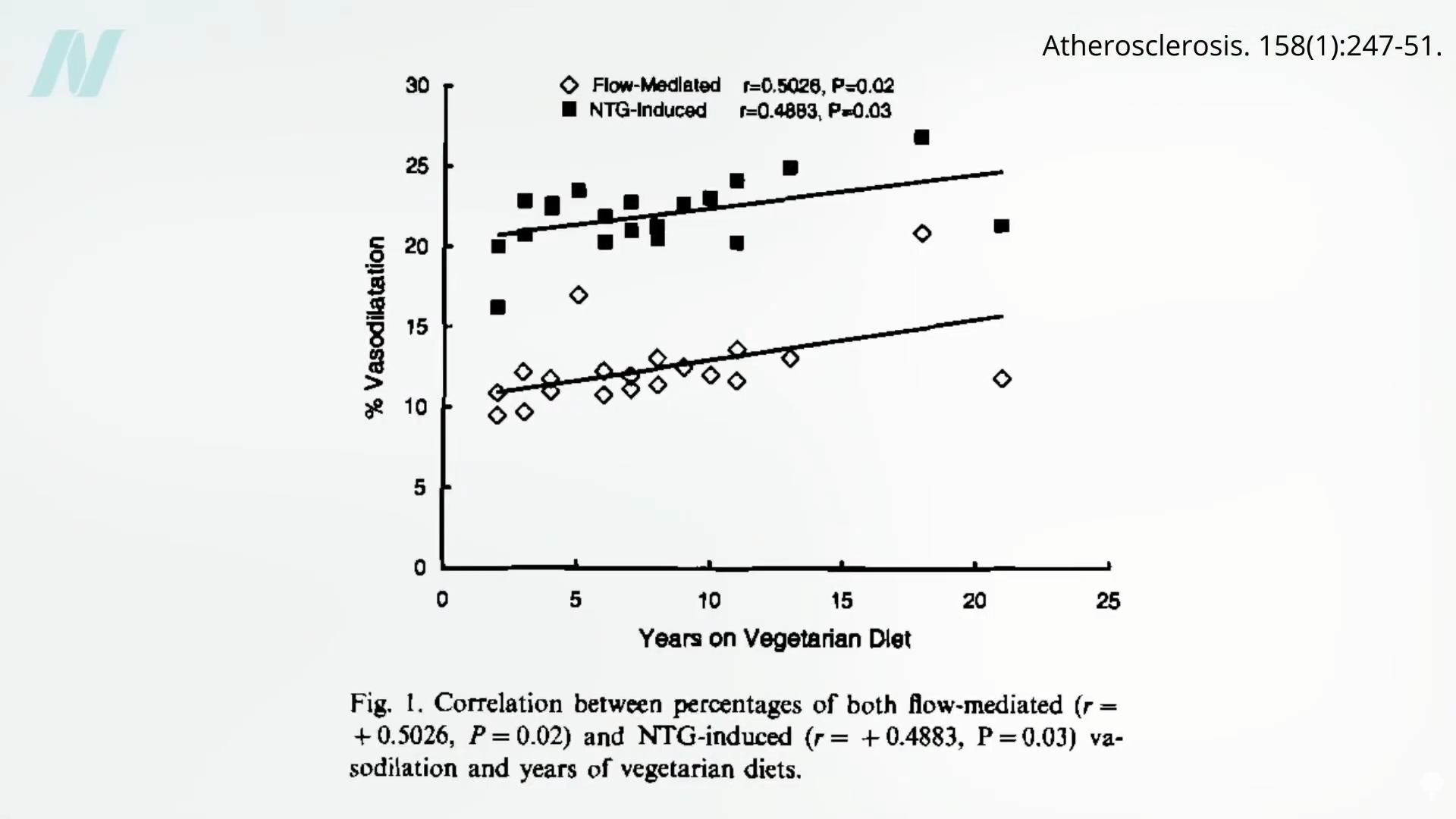
This superior arterial function in vegetarians was not a marginal difference; it was observed to be four times greater in some analyses. Furthermore, the duration of adherence to a vegetarian diet appeared to correlate positively with improved arterial health. Instead of a decline in function with age, individuals who had been meat-free for longer periods experienced better arterial performance. This suggests that vegetarian diets, independent of other health-conscious behaviors, exert a direct beneficial impact on the cardiovascular system, potentially explaining the lower rates of atherosclerosis and cardiovascular mortality observed in these populations.
The underlying mechanism is believed to be multifaceted. While the absence of potentially harmful components in meat may play a role, the increased consumption of whole, nutrient-dense plant foods by vegetarians is also a significant factor. Studies indicate that vegetarians may consume, on average, an additional serving of vegetables daily, contributing a wealth of antioxidants, fiber, and other beneficial phytonutrients.
The Impact of Specific Food Components on Arterial Function
Further research has focused on isolating the effects of specific dietary components on immediate arterial function. One study compared the impact of a high-fat fast-food meal (an Egg McMuffin, Sausage McMuffin, and hash brown patties) with a meal centered on a sugary cereal (Frosted Flakes). Within hours of consumption, the fatty fast-food meal demonstrably impaired artery function. In contrast, the sugary cereal meal did not elicit the same immediate negative effect. This observation pointed towards fat, particularly animal fat, as a key culprit.
This distinction is critical. While high-fat foods, especially those derived from animals, can negatively impact arterial health, not all high-fat plant-based foods share this characteristic. In fact, studies on the consumption of nuts, which are rich in healthy fats, have shown a different outcome. A comprehensive review of randomized controlled trials investigating the effects of nut consumption on artery function revealed that incorporating nuts into the diet actually leads to significant improvements over time.
Nuts: A Potential Countermeasure?
The question then arises: can nuts effectively counteract the artery-damaging effects of less healthy foods? Research has explored this, with varying results depending on the type of nut. For instance, studies suggest that walnuts may possess the capacity to mitigate the negative arterial impact of a salami sandwich, a finding not replicated with almonds in the same context. This suggests that different nuts offer distinct benefits, much like different fruits have varying nutritional profiles. Walnuts, in this analogy, are presented as the "blueberries" of the nut world, indicating a particularly potent effect.
Berries: Powerhouses of Arterial Protection
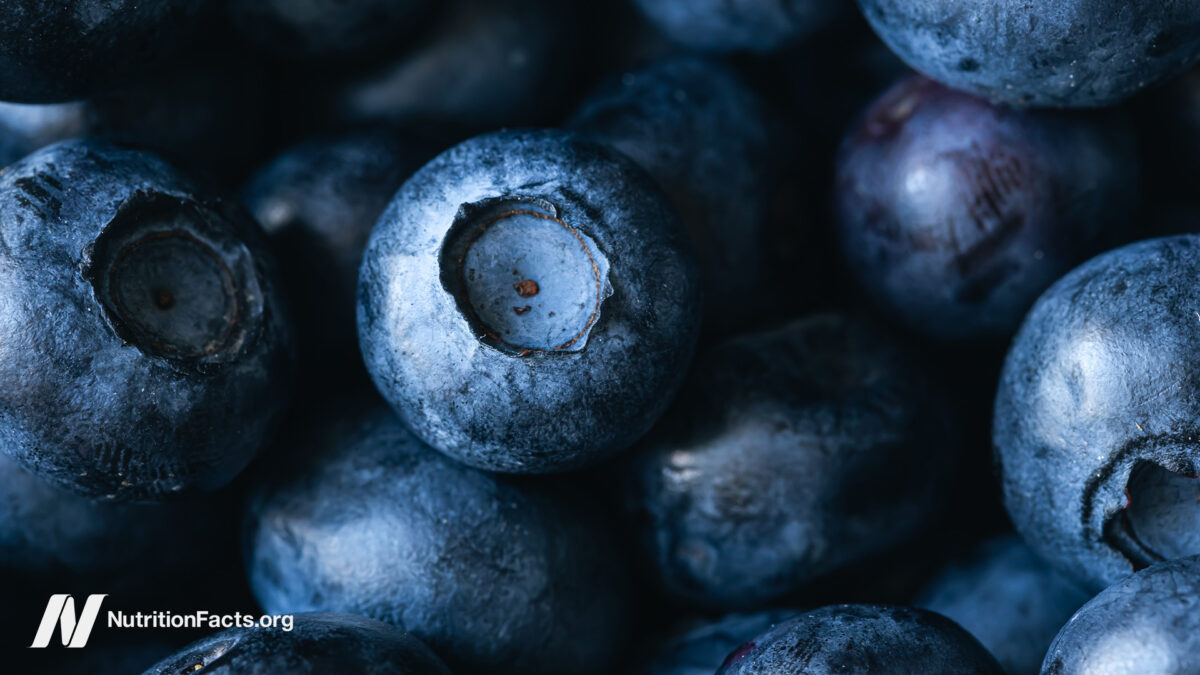
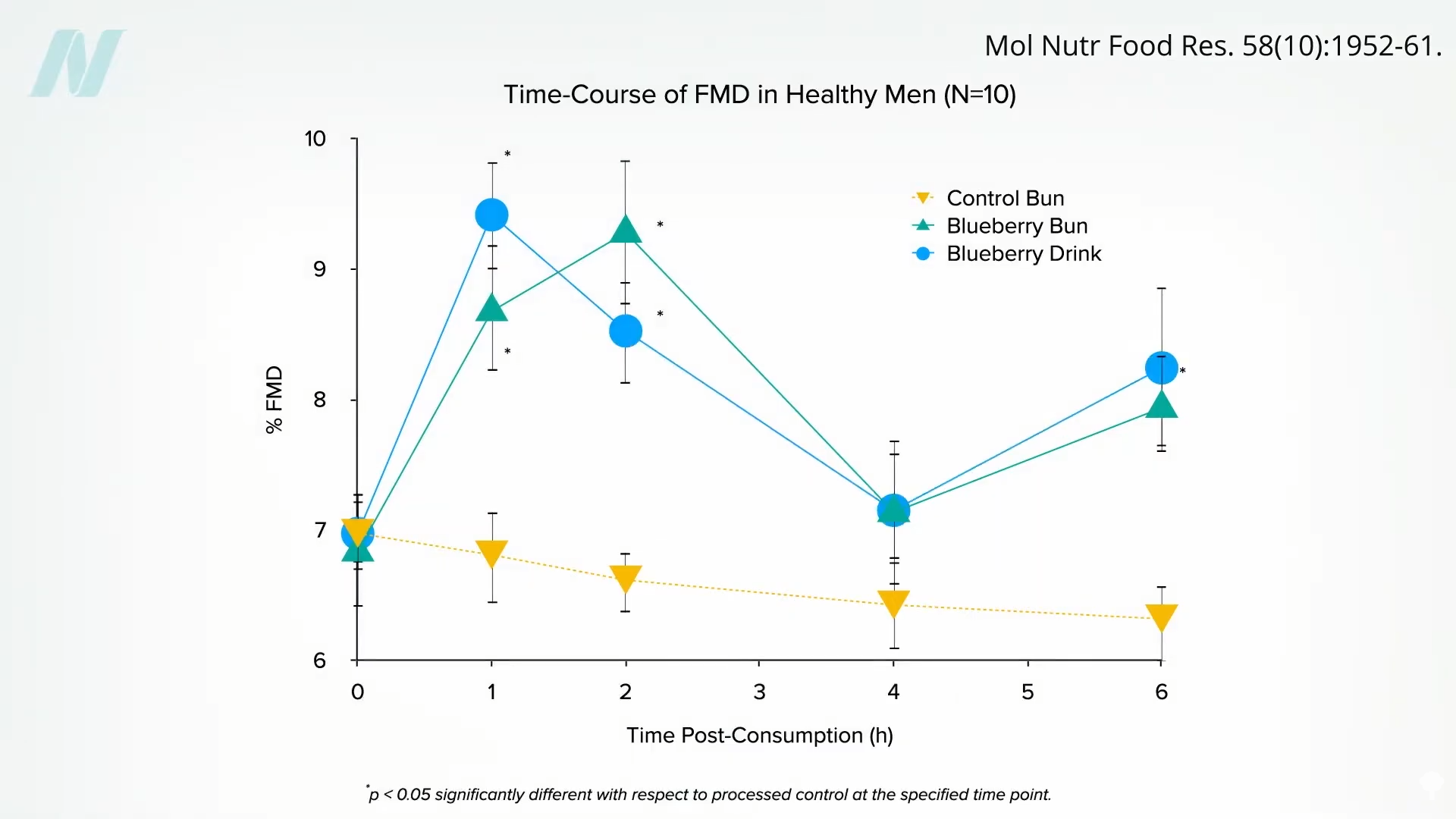
Berries, particularly blueberries, have garnered significant attention for their positive effects on arterial health. One study investigated the impact of blueberries on artery function when consumed alongside a standard white flour bun, which contained sugar and eggs – a composition known to negatively affect vascular health. Participants who consumed a bun with added wild blueberries experienced a substantial boost in arterial function, to a degree comparable to consuming blueberries mixed with plain water. This enhancement in artery function was observed over a six-hour period following consumption.
While strawberries have also been studied, their ability to counteract the detrimental effects of a particularly indulgent meal – comprising cheese blintzes, whipped cream, syrup, eggs, and bacon – was limited. This highlights that the magnitude of the unhealthy meal can influence the extent to which even beneficial foods can offer protection.
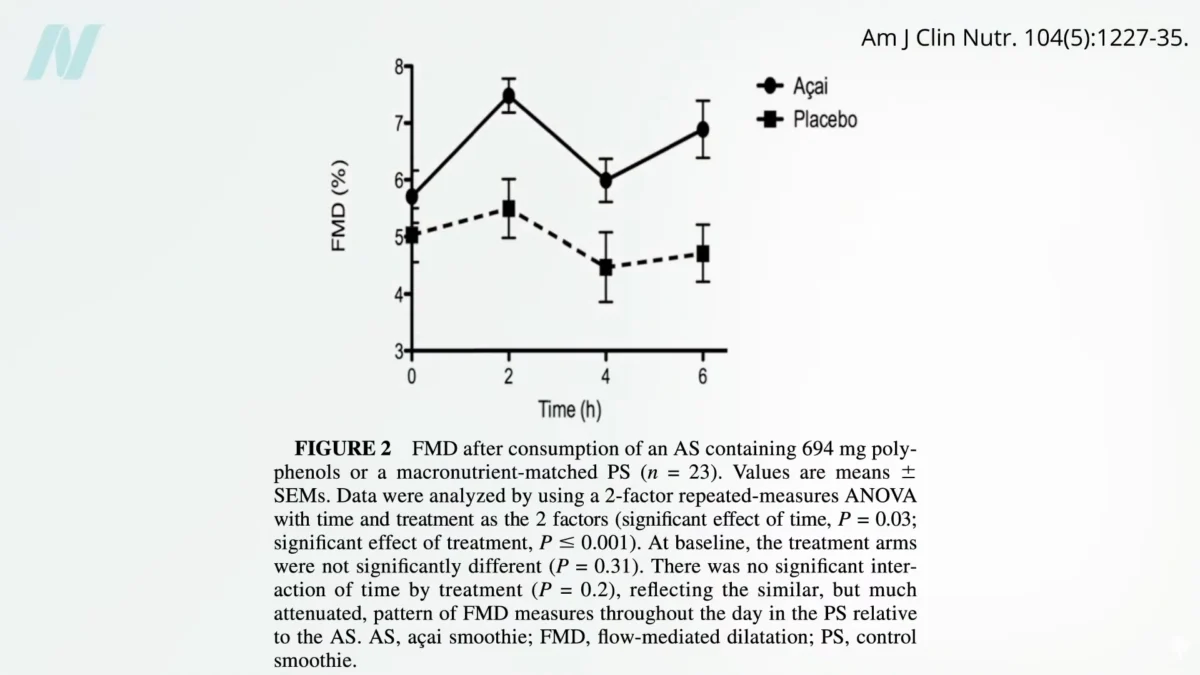
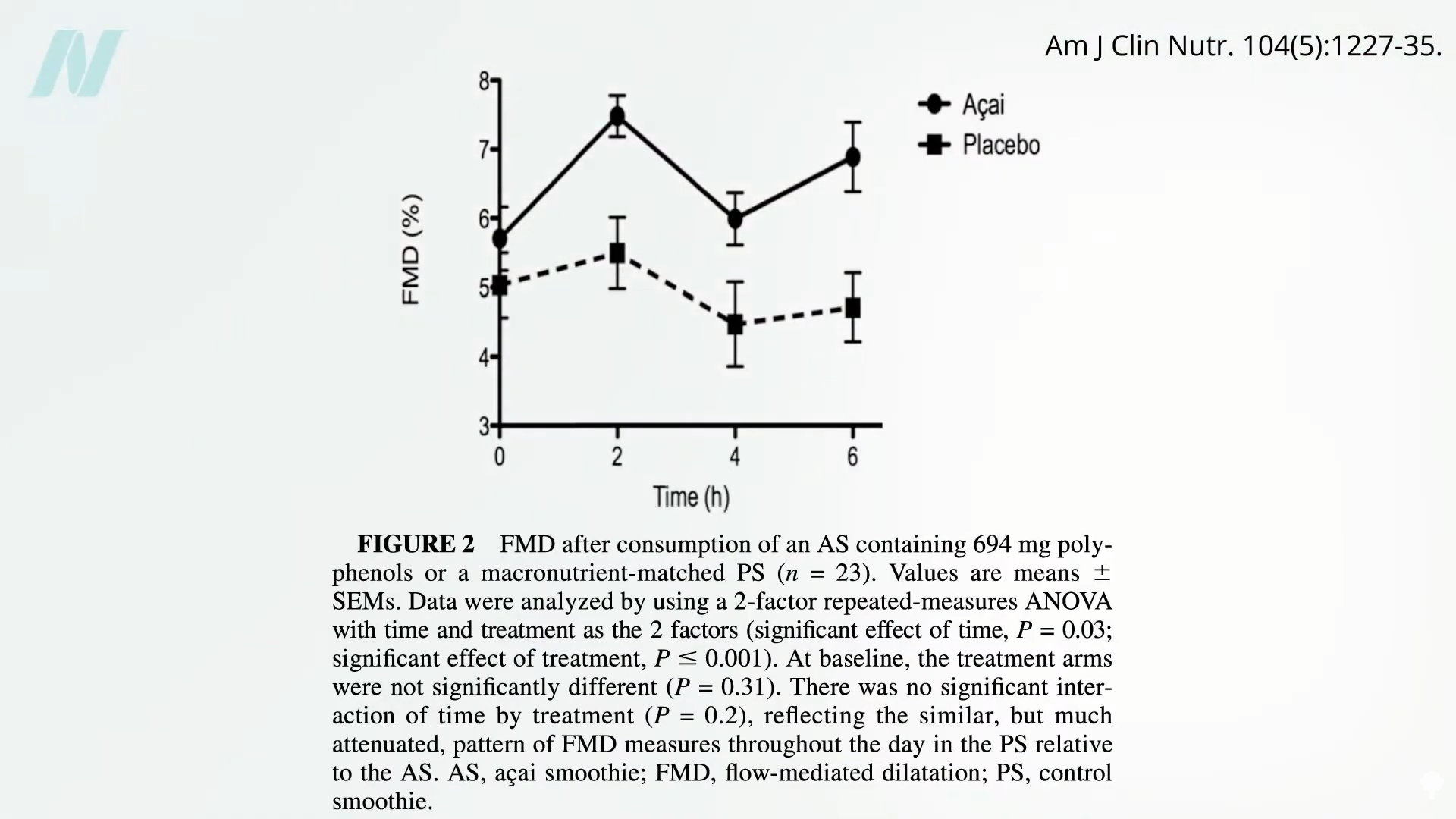
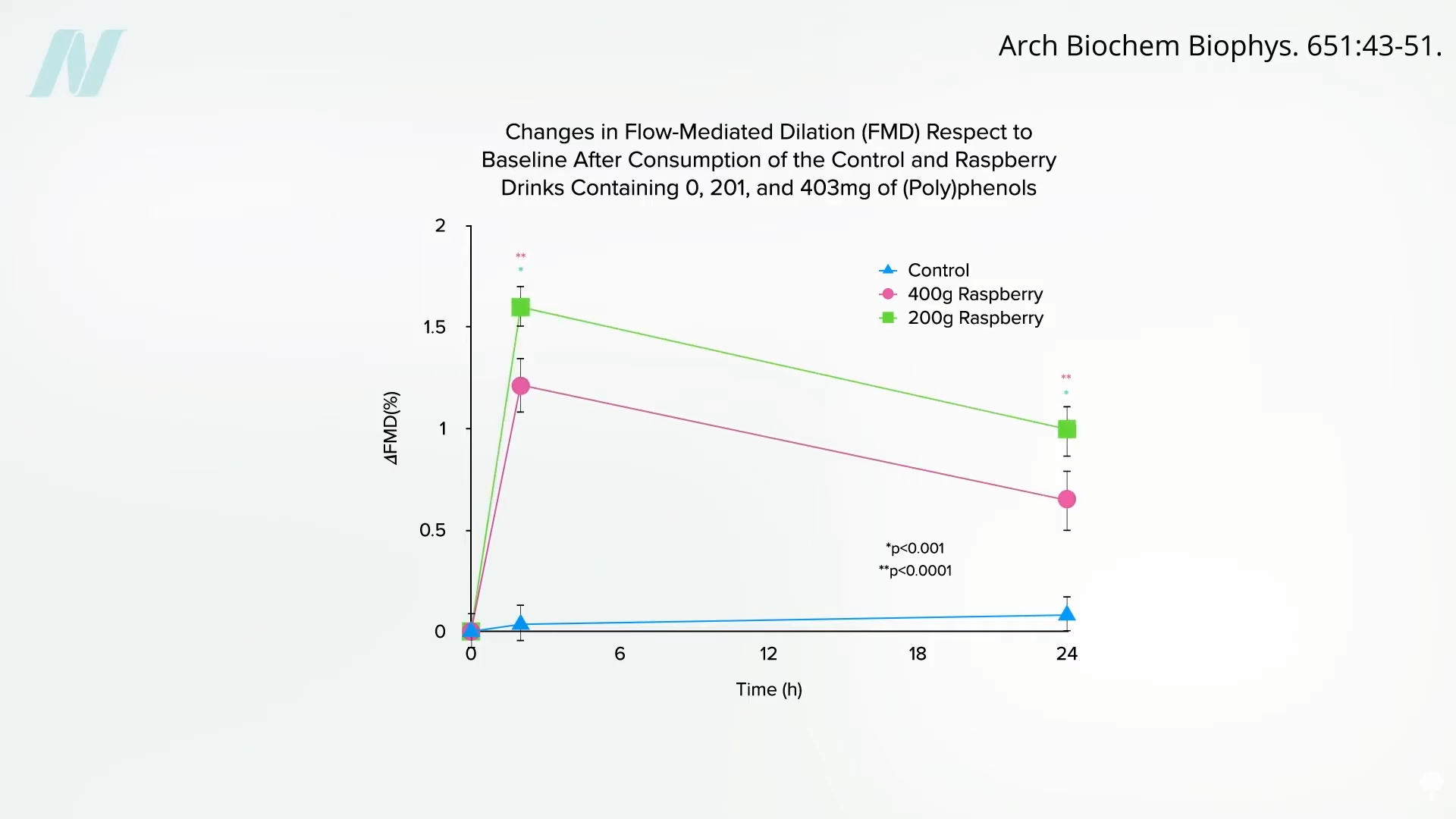
Açaí berries have also demonstrated promising results. A study comparing açaí berry smoothies to a control smoothie with a similar fat content revealed that the açaí significantly rehabilitated arterial function. Similarly, red raspberries have shown a notable impact. In a double-blind, randomized controlled trial, participants who consumed smoothies made with red raspberries exhibited improved artery function for up to 24 hours. Even a modest dose, equivalent to about three-quarters of a cup, yielded significant results, comparable to the effects observed with blueberries, where benefits tend to plateau after approximately one cup.
While the immediate percentage improvement in artery function from a single serving of berries might seem small (around 1%), the long-term implications at a population level are substantial. Each 1% increase in arterial function is associated with a significant reduction in the risk of cardiovascular events, such as heart attacks and strokes, underscoring the preventative power of regular berry consumption.
The Complex Role of Juices and Beverages
The benefits of berries extend to their juice forms, though the concentration matters. Studies testing different concentrations of cranberry juice found that even a 25% juice drink provided a modest improvement in artery function. Higher concentrations, such as 50% juice, offered sustained benefits for a longer duration. However, it’s crucial to distinguish between consuming whole berries and their juices.
Research has investigated whether berry juice cocktails could mitigate the artery dysfunction induced by high-fat meals. One study using a blend of grapes, blueberries, strawberries, lingonberries, and black aronia berries found no significant improvement after a high-fat meal. While drinking these berries alone would likely still offer benefits, their ability to counteract a substantial arterial insult in combination with such a meal was not evident.
The impact of other beverages alongside unhealthy meals has also been examined. When participants consumed high-fat ham and cheese croissants, neither water, orange juice, green tea, nor red wine significantly improved their arterial response. This reinforces the notion that avoiding such artery-compromising meals is paramount.
Furthermore, the interaction between orange juice and fatty meals can be detrimental. Studies have shown that consuming orange juice with bacon and cheese muffins can lead to a prolonged elevation of blood fat levels. This is hypothesized to occur because the body prioritizes the rapid absorption and burning of the free sugars present in the juice, which are not contained within the cell walls as they are in whole fruit. This suggests that the form in which sugars are consumed, and their interaction with other dietary components, can have distinct physiological consequences.
Broader Implications and Future Directions
The cumulative evidence from these studies paints a clear picture: the choices we make regarding our diet have a direct and measurable impact on our cardiovascular health. While the ideal scenario is a diet rich in whole, unprocessed plant foods, understanding which specific foods can offer a degree of protection against occasional indulgences is valuable. Nuts and berries, in particular, emerge as significant players in this protective strategy, demonstrating tangible benefits for arterial function.
The research also highlights the importance of considering the whole food versus processed form. Whole fruits, with their intact cellular structures and accompanying fiber, appear to offer more consistent and robust benefits than their juice counterparts, especially when consumed alongside less healthy meals.
As research continues to explore the intricate relationship between diet and arterial health, these findings provide actionable insights for individuals seeking to optimize their cardiovascular well-being. The emphasis remains on a balanced and nutrient-dense dietary pattern, but the identification of specific protective foods offers a powerful tool for navigating the complexities of modern eating habits.
Doctor’s Note: This article is the third in a three-part series examining the effects of fast food and dietary interventions on health. Previous installments include "How a Single Meal Can Cripple Your Arteries and Lungs" and "Can Exercise Counteract a High-Fat Meal?". Further exploration of specific food impacts can be found in related posts.

