

Emerging research is investigating the potential of dietary onions to address significant health concerns, including weight management, elevated cholesterol levels, and the complex metabolic and hormonal imbalances associated with Polycystic Ovary Syndrome (PCOS). While preliminary studies suggest intriguing possibilities, a closer examination of the available data reveals a nuanced picture, highlighting both the promise and the limitations of incorporating onions into therapeutic dietary strategies.
Investigating Onion Powder for Body Fat Reduction
Recent scientific endeavors have explored the impact of concentrated onion compounds on body composition. One notable study, titled "Effect of Steamed Onion (ONIRO) Consumption on Body Fat and Metabolic Profiles in Overweight Subjects," delved into whether even small quantities of onion derivatives could influence body fat mass. Researchers administered a daily dose of approximately one-eighth of a teaspoon (300 mg) of dried, steamed onion powder to participants. The rationale behind using steamed onions was to mitigate their characteristic pungency and aroma, thereby facilitating their integration into a blinded study design, where participants were unaware if they were receiving the active compound or a placebo.
The initial findings, as presented in the study’s abstract, indicated a promising reduction in body fat. Measurements obtained through dual-energy X-ray absorptiometry (DEXA) scans suggested a significant decrease in overall body fat mass. Furthermore, computed tomography (CT) scans reportedly revealed a notable reduction in visceral and subcutaneous fat areas, two critical indicators of metabolic health. The reduction in visceral fat, in particular, is of significant interest, as this type of fat, stored around internal organs, is strongly linked to increased risk of cardiovascular disease and type 2 diabetes.
However, a more rigorous analysis of the study’s underlying data reveals a divergence between the abstract’s optimistic summary and the statistical significance of the results when compared to a placebo group. While the group receiving the onion powder did exhibit a loss of approximately 1.5 pounds (0.64 kg) of body fat over the study period, this reduction was not statistically significant when contrasted with the placebo group, which experienced a loss of about a tablespoon (7 g) of fat. This suggests that the observed fat loss in the onion powder group could be attributable to random variation rather than a direct effect of the intervention. Similarly, while the CT scan data indicated a greater reduction in total and visceral fat in the onion powder group—five times more overall fat and over thirty times more visceral fat—these differences did not achieve statistical significance compared to the placebo. This crucial distinction means that the observed effects could have occurred by chance, underscoring the need for larger, more robust studies to confirm these preliminary findings.
Following this, another study attempted to replicate and expand upon these findings by investigating the effects of a higher dosage of onion powder – four teaspoons (9 g) daily. This research, however, also concluded without demonstrating a statistically significant acceleration in the loss of visceral, total, or subcutaneous fat when compared to a placebo. Intriguingly, in this particular study, the placebo itself consisted of four teaspoons (9 g) of onion powder, making direct comparisons challenging. The study utilized both yellow and white onions and observed a potential reduction in abdominal body fat in both groups, without a significant difference between the onion varieties. While the adverse effects of such a small daily dose of onion powder are likely minimal, the current body of evidence does not provide sufficient confidence to assert its efficacy as a weight loss aid. Public health nutritionists, when commenting on such findings, often emphasize the importance of distinguishing between a trend and a statistically proven effect, cautioning against overstating the benefits of low-dose interventions without conclusive evidence.

Exploring Onions’ Potential in Managing Polycystic Ovary Syndrome (PCOS)
Beyond weight management, the potential role of onions in addressing Polycystic Ovary Syndrome (PCOS) is also under scrutiny. PCOS is a prevalent endocrine disorder affecting an estimated 5% to 10% of women of reproductive age. It is characterized by a spectrum of symptoms, including irregular menstrual cycles, and is strongly associated with insulin resistance, often described as a pre-diabetic state. The management of PCOS can be complicated by the side effects of pharmaceutical interventions, leading to increased interest in dietary approaches.
The rationale for investigating onions in PCOS stems from studies on their impact on blood sugar and insulin sensitivity. Research in animal models with diabetes has shown that onion extracts can improve glycemic control. More directly relevant to human health, studies have indicated that onion consumption can reduce blood sugar levels in individuals with diabetes, although its effect on non-diabetic individuals has been less conclusive. Given that women with PCOS often exhibit impaired insulin sensitivity, understanding how onions might influence their metabolic profiles is a critical area of investigation.
A study examining the "Metabolic Effects of Onion and Green Beans" involved individuals with diabetes who consumed either a small onion (60 g) daily or an equivalent amount of green beans (600 g) for a week, alongside their usual diet. Both interventions demonstrated positive effects. The onion consumption led to an approximate 10% reduction in blood sugar levels compared to a control diet, while green beans resulted in a roughly 15% reduction. This suggests that vegetables, including onions, can play a role in glycemic management.
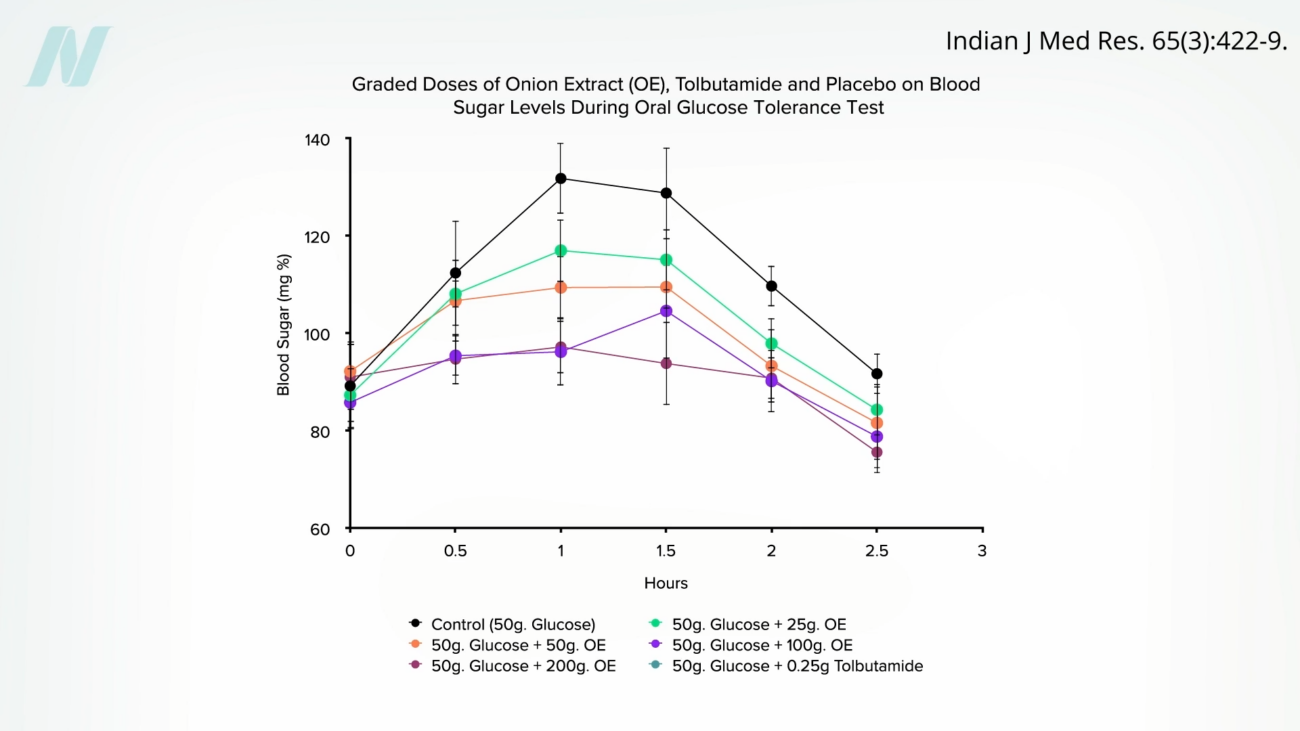
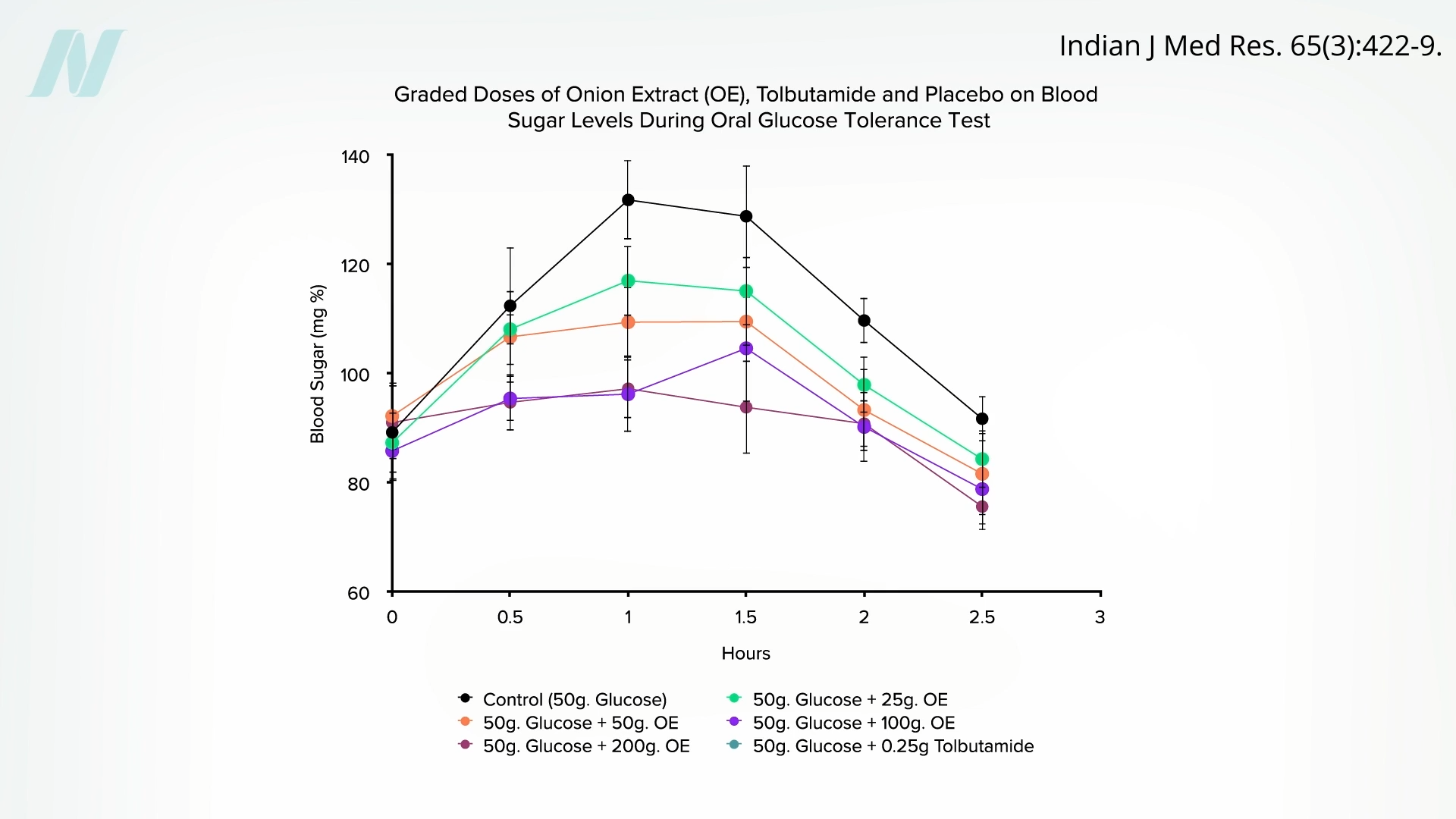
Further research has explored whether onions can mitigate blood sugar spikes in individuals without diabetes. When participants consumed a significant amount of sugar (50 g), their blood glucose levels rose sharply over two hours before the body could regulate them. However, when the same amount of sugar was administered along with increasing doses of onion extract, the resulting blood sugar spike was significantly blunted. This effect was comparable to the impact observed with certain anti-diabetic medications, suggesting that onions may possess compounds that can modulate the body’s response to glucose intake. This effect was also observed when individuals received an adrenaline shot, which typically causes a rise in blood sugar; onion extract significantly reduced this glycemic response.
Despite these promising findings regarding blood sugar regulation, direct clinical trials focusing on women with PCOS have yielded mixed results. A comprehensive review of existing literature, including a Cochrane review, did not find significant differences in blood sugar levels or other markers of insulin resistance between PCOS patients who consumed high-onion diets and those who consumed low-onion diets. Similarly, no significant differences in inflammatory markers were observed between these groups. This indicates that while onions may have a general beneficial effect on blood sugar regulation in certain contexts, their specific impact on the insulin resistance characteristic of PCOS requires further clarification.
Onions and Cholesterol Management
The health risks associated with PCOS extend beyond metabolic disturbances to a significantly increased likelihood of cardiovascular issues. Women with PCOS are over seven times more prone to heart attacks and developing heart disease, the leading cause of mortality among women. A key factor contributing to this elevated risk is dyslipidemia, particularly high cholesterol levels.
Preliminary evidence suggests that the consumption of raw red onions may have a beneficial effect on cholesterol levels. One study indicated that women with PCOS who consumed more onions experienced a modest reduction in LDL ("bad") cholesterol, approximately 5 mg/dL. However, this reduction was not statistically significant when compared to a control group that consumed fewer onions. This suggests that while there might be a trend towards cholesterol lowering, the effect may be subtle and require further investigation to confirm its clinical relevance.
Historically, research from 50 years ago explored the interaction between dietary fat and onion consumption. In one experiment, participants consumed a substantial amount of butter (100 g), which led to an approximate 30-point increase in their cholesterol levels within hours. When the same quantity of butter was consumed alongside approximately one-third of a cup (50 g) of either raw or boiled onion, the subsequent cholesterol increase was significantly attenuated, rising by only 9 points or 3 points, respectively. While this study predates modern research methodologies, its findings offer an early indication that onions might play a role in mitigating the acute cholesterol-raising effects of high-fat meals. The primary takeaway from this historical experiment, however, remains a cautionary note against consuming excessive amounts of dietary fat.
Broader Implications and Future Directions
The scientific exploration into the health benefits of onions, while yielding intriguing preliminary results, underscores the complexity of translating dietary components into concrete therapeutic interventions. For weight loss, the observed effects of onion powder, though statistically insignificant in direct comparisons with placebos, warrant further investigation with larger sample sizes and longer intervention periods. The potential mechanisms could involve the modulation of appetite, metabolism, or nutrient absorption, but definitive proof remains elusive.
In the context of PCOS, the current evidence does not strongly support onions as a standalone treatment for improving insulin sensitivity or reducing inflammation. However, their potential to influence blood sugar spikes, as demonstrated in studies with individuals with and without diabetes, suggests a broader role in metabolic health that may indirectly benefit women with PCOS. The consistent observation of a potential, albeit not statistically significant, impact on cholesterol levels also merits continued research, particularly concerning the type and preparation of onions.
The historical data on cholesterol, while limited by its age and methodology, provides a compelling rationale for further studies on how onions might interact with dietary fats to influence lipid profiles. Understanding the specific compounds within onions responsible for these effects, such as quercetin and other flavonoids, and their bioavailability through different preparation methods (raw, cooked, powdered), is crucial for developing targeted dietary recommendations.
Public health professionals and registered dietitians often emphasize that while onions are a nutritious addition to any diet, they should be considered part of a comprehensive approach to health management. For conditions like PCOS and hypercholesterolemia, evidence-based lifestyle modifications, including a balanced diet rich in whole foods, regular physical activity, and appropriate medical management, remain the cornerstone of effective treatment. The ongoing research into onions offers a promising avenue for dietary supplementation, but it is essential to await more robust scientific consensus before incorporating them as primary therapeutic agents. The journey from promising laboratory findings and preliminary human studies to evidence-based clinical recommendations is often a long and meticulous one, requiring rigorous validation and replication to ensure the safety and efficacy of any dietary intervention.

