

The human intestinal tract, a complex and dynamic ecosystem, serves as our primary interface with the external environment. Far more than a simple conduit for food, it is a sophisticated barrier, meticulously regulating the passage of nutrients into the bloodstream while preventing the ingress of harmful substances. When this delicate balance is compromised, a condition often referred to as "leaky gut," the consequences can extend far beyond digestive discomfort, potentially contributing to chronic systemic inflammation and a cascade of health issues. Emerging scientific evidence points towards dietary interventions, particularly those emphasizing plant-based foods and specific nutrients, as a cornerstone in restoring and fortifying the intestinal barrier.
Understanding the Intestinal Barrier and "Leaky Gut"
The intestinal lining, a single layer of cells, is reinforced by tight junctions, molecular complexes that act as seals, preventing unwanted substances from passing through. This impermeable barrier ensures that our bodies can selectively absorb essential nutrients while effectively blocking the entry of undigested food particles, pathogens, toxins, and other potentially harmful molecules. However, various factors can disrupt the integrity of this vital defense system, leading to increased intestinal permeability, commonly known as "leaky gut."
One of the most significant contributors to this breakdown is diet. The typical Western or Standard American Diet (SAD), characterized by high consumption of processed foods, refined sugars, unhealthy fats, and low fiber, has been implicated in fostering gut dysbiosis. This imbalance in the gut microbiome, the trillions of microorganisms residing in our intestines, can trigger inflammation within the gut lining, compromising the tight junctions and ultimately leading to a leaky gut. Once the barrier is breached, these undesirable elements can enter the bloodstream, eliciting an immune response and contributing to chronic, low-grade inflammation throughout the body. This systemic inflammation is now recognized as a potential underlying factor in a wide range of chronic diseases, including autoimmune disorders, metabolic syndrome, and certain neurological conditions.
The Power of Plants: A Vegetarian Diet’s Role in Gut Health
The scientific community has increasingly highlighted the profound impact of diet on gut health. A predominantly vegetarian diet, rich in fruits, vegetables, whole grains, legumes, nuts, and seeds, has emerged as a highly recommended approach for addressing leaky gut. This dietary pattern is not merely about abstaining from animal products; it is about actively embracing the diverse array of beneficial compounds found in plant-based foods.
Research indicates that individuals adhering to vegetarian diets tend to exhibit a more balanced gut microbiome, characterized by higher bacterial diversity and improved integrity of the intestinal barrier. This is largely attributed to the significant fiber content of plant-based foods. Fiber, indigestible by human enzymes, serves as the primary fuel source for beneficial gut bacteria. Through fermentation, these bacteria produce short-chain fatty acids (SCFAs), such as butyrate, propionate, and acetate. SCFAs play a crucial protective and nourishing role for the cells lining the gut, known as enterocytes. Butyrate, in particular, is a primary energy source for these cells, promoting their regeneration and strengthening the intestinal barrier, thereby ensuring its structural and functional preservation.
Furthermore, a vegetarian diet is associated with lower levels of uremic toxins, such as indole and p-cresol. These compounds are byproducts of protein metabolism, and their accumulation in the body can be detrimental. By reducing the reliance on high-protein, often animal-based diets, vegetarians naturally limit their exposure to these potentially harmful substances, further contributing to a healthier gut environment.

Scientific Validation: Reducing Zonulin Levels Through Dietary Intervention
A critical indicator of intestinal barrier impairment is the protein zonulin. Zonulin acts as a regulator of the tight junctions between intestinal cells, and elevated levels are considered a direct biomarker of a leaky gut. Studies have provided compelling evidence for the efficacy of plant-rich diets in reducing zonulin levels.
In one notable study involving individuals with non-alcoholic fatty liver disease (NAFLD), a six-month dietary intervention focused on whole grains, beans, lentils, fruits, vegetables, nuts, and seeds resulted in a significant reduction in zonulin levels. This finding suggests that the incorporation of these nutrient-dense plant foods can actively contribute to restoring the integrity of the intestinal barrier. While the study highlighted the overall benefit of this plant-heavy approach, it also underscored the multifaceted nature of these foods, which offer far more than just fiber.
The Crucial Role of Dietary Fiber
The question of whether fiber alone is responsible for these improvements, or if other components of whole plant foods play a role, has been a subject of scientific inquiry. To isolate the specific effect of dietary fiber, researchers have conducted more controlled studies.
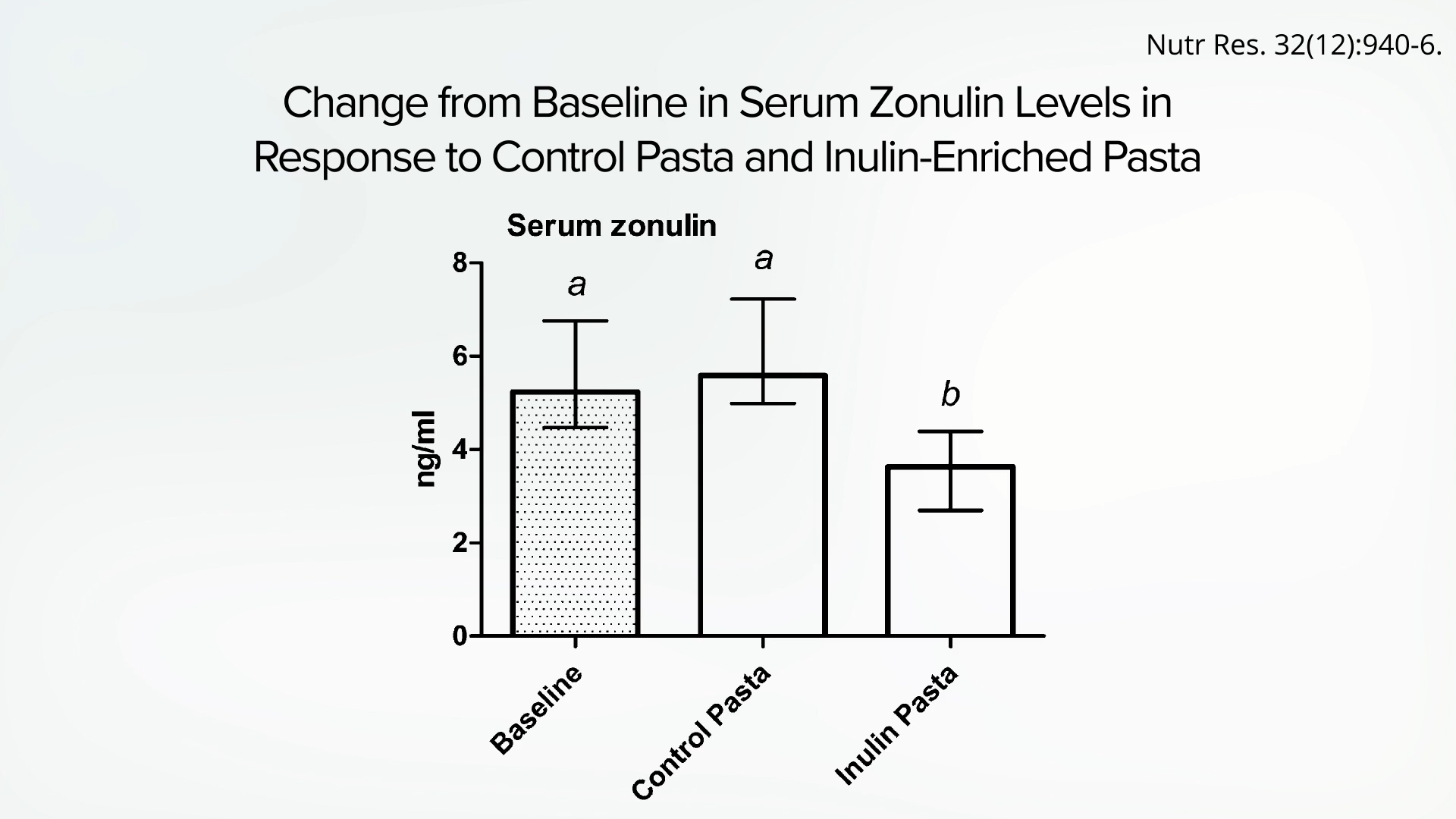
A randomized, double-blind, crossover study provided definitive evidence for the direct impact of fiber on gut permeability. In this research, healthy young men were assigned to consume pasta with or without added fiber. The results were striking: the group that received pasta with added fiber exhibited a significant decrease in zonulin levels compared to both their pre-intervention levels and the control group. This demonstrates a clear cause-and-effect relationship, establishing that dietary fiber plays a pivotal role in improving gut leakiness. The implications of this finding are substantial, suggesting that increasing fiber intake through various food sources can be a direct and effective strategy for managing intestinal permeability.
Specific Plant Compounds and Nutrients for Gut Barrier Support
Beyond fiber, certain plant-derived compounds and micronutrients have demonstrated promising effects in protecting and repairing the intestinal barrier.
Curcumin: The vibrant yellow pigment found in turmeric, curcumin, has garnered attention for its potent anti-inflammatory and antioxidant properties. Preclinical studies in rats have shown that curcumin can help prevent intestinal damage induced by non-steroidal anti-inflammatory drugs (NSAIDs) like ibuprofen. While human studies are still emerging, a trial involving the equivalent of two to three teaspoons of turmeric daily for three days demonstrated a reduction in markers of gastrointestinal barrier damage and inflammation caused by exercise when compared to a placebo. This suggests that even moderate consumption of turmeric can contribute to gut health.
Sulforaphane: Found abundantly in cruciferous vegetables like broccoli, sulforaphane is another compound that has shown protective effects. Animal studies have indicated its ability to shield the gut lining from damage. Although direct human studies on broccoli’s impact on leaky gut are limited, the research on sulforaphane offers a compelling rationale for incorporating these vegetables into the diet.
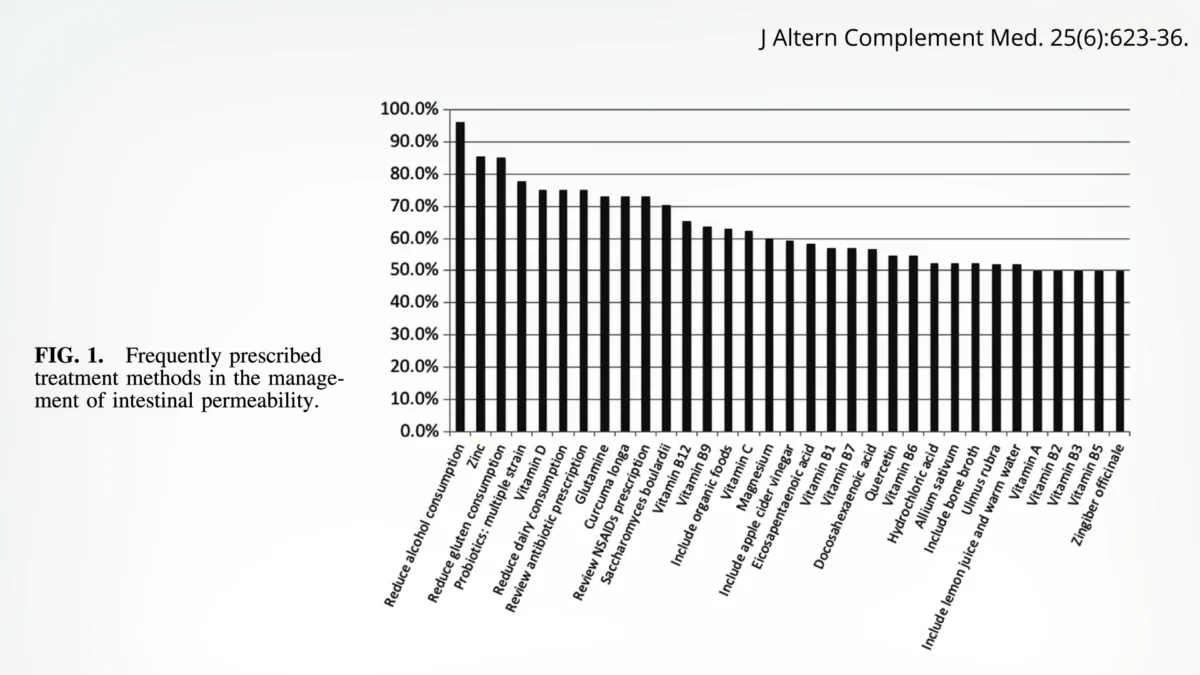
Zinc: In the realm of alternative medicine, zinc is frequently cited as a key treatment for leaky gut, often mentioned alongside reducing alcohol consumption. Scientific research has begun to validate this recommendation. Studies in rats have shown that zinc can protect against drug-induced intestinal damage. More importantly, a randomized trial in healthy adults demonstrated that while a common NSAID, indomethacin, significantly increased gut permeability, this effect was mitigated when participants also took zinc. This strongly suggests a protective role for zinc in the small intestine.
While the initial human study used a very high dose of zinc (75 mg per day, nearly twice the tolerable upper daily limit), further research has indicated that even much lower doses can be effective. A study found significant improvement in gut leakiness with just 3 mg of zinc supplementation, suggesting that regular dietary intake or modest supplementation can be beneficial. For context, one cup (200g) of cooked lentils provides approximately 3 mg of zinc, illustrating how easily this essential mineral can be incorporated into a plant-rich diet.
Broader Implications for Public Health
The growing body of evidence linking diet to gut health has significant implications for public health initiatives. Promoting dietary patterns that prioritize whole, unprocessed plant foods can serve as a proactive strategy for preventing and managing a wide array of chronic diseases associated with inflammation and compromised intestinal integrity.
The shift towards a plant-forward approach not only addresses the immediate concern of leaky gut but also aligns with broader recommendations for cardiovascular health, weight management, and the prevention of metabolic disorders. Educational campaigns and public health policies that emphasize the consumption of fiber-rich foods, fruits, vegetables, and legumes can empower individuals to take control of their gut health and, by extension, their overall well-being.
Future Directions in Research
While current research provides a strong foundation for understanding the dietary management of leaky gut, further investigations are warranted. Randomized controlled trials that compare the effects of specific dietary components and their synergistic interactions within whole foods will be crucial. Exploring the long-term impacts of plant-based diets on gut microbiome composition and function, as well as their role in preventing and treating specific inflammatory conditions, will continue to advance our understanding.
Furthermore, research into personalized nutrition, considering individual genetic predispositions and microbiome profiles, may offer even more tailored and effective strategies for optimizing gut health and mitigating the risks associated with leaky gut syndrome. The journey to understanding and healing the gut is ongoing, with diet consistently emerging as a powerful and accessible tool.
Conclusion
The scientific consensus is increasingly pointing towards a diet rich in plant-based foods as a primary strategy for addressing leaky gut. By providing essential fiber, beneficial phytonutrients, and key minerals like zinc, these foods actively work to restore and strengthen the intestinal barrier. The evidence underscores that embracing a predominantly vegetarian or plant-forward eating pattern is not merely a dietary choice but a critical investment in long-term health, offering a powerful defense against the pervasive threat of chronic inflammation and its associated health complications.

