

The global fight against cancer, a complex and often devastating disease, continues to be a significant public health priority. While billions are invested annually in the development of advanced chemotherapy treatments, a growing body of scientific evidence suggests that a fundamental shift in our approach may be necessary. Rather than solely focusing on managing the consequences of cancer, a proactive strategy centered on preventative dietary interventions is emerging as a crucial component of cancer control. This paradigm shift is particularly relevant when considering the aggressive nature of metastatic cancer, the primary cause of cancer-related mortality. Emerging research highlights the remarkable potential of specific dietary components, particularly those found in legumes, to directly combat the biological mechanisms that enable cancer to spread.
Understanding Cancer Metastasis: The Unseen Enemy
Cancer metastasis, the process by which cancer cells break away from a primary tumor, travel through the bloodstream or lymphatic system, and establish new tumors in distant organs, is responsible for approximately 90% of cancer-related deaths. This invasive cascade is a multi-step process, and understanding its molecular underpinnings is key to developing effective interventions. Central to this process are enzymes known as matrix metalloproteinases (MMPs). These enzymes act like molecular scissors, breaking down the extracellular matrix – the structural scaffolding that surrounds cells. By degrading this matrix, MMPs create pathways for cancer cells to invade surrounding tissues, breach blood and lymphatic vessels, and ultimately spread throughout the body.
The pharmaceutical industry has invested heavily in developing MMP inhibitors as a therapeutic strategy to curb metastasis. While these synthetic inhibitors have shown promise in preclinical animal models, their translation to human clinical trials has been fraught with challenges. Significant side effects, often compromising the quality of life for patients and sometimes failing to demonstrate a substantial improvement in survival, have limited their widespread efficacy and adoption. This has prompted researchers to explore alternative, natural sources of MMP inhibition, leading to a renewed focus on the bioactive compounds found in whole plant-based foods.
Legumes: A Nutritional Powerhouse Against Metastasis
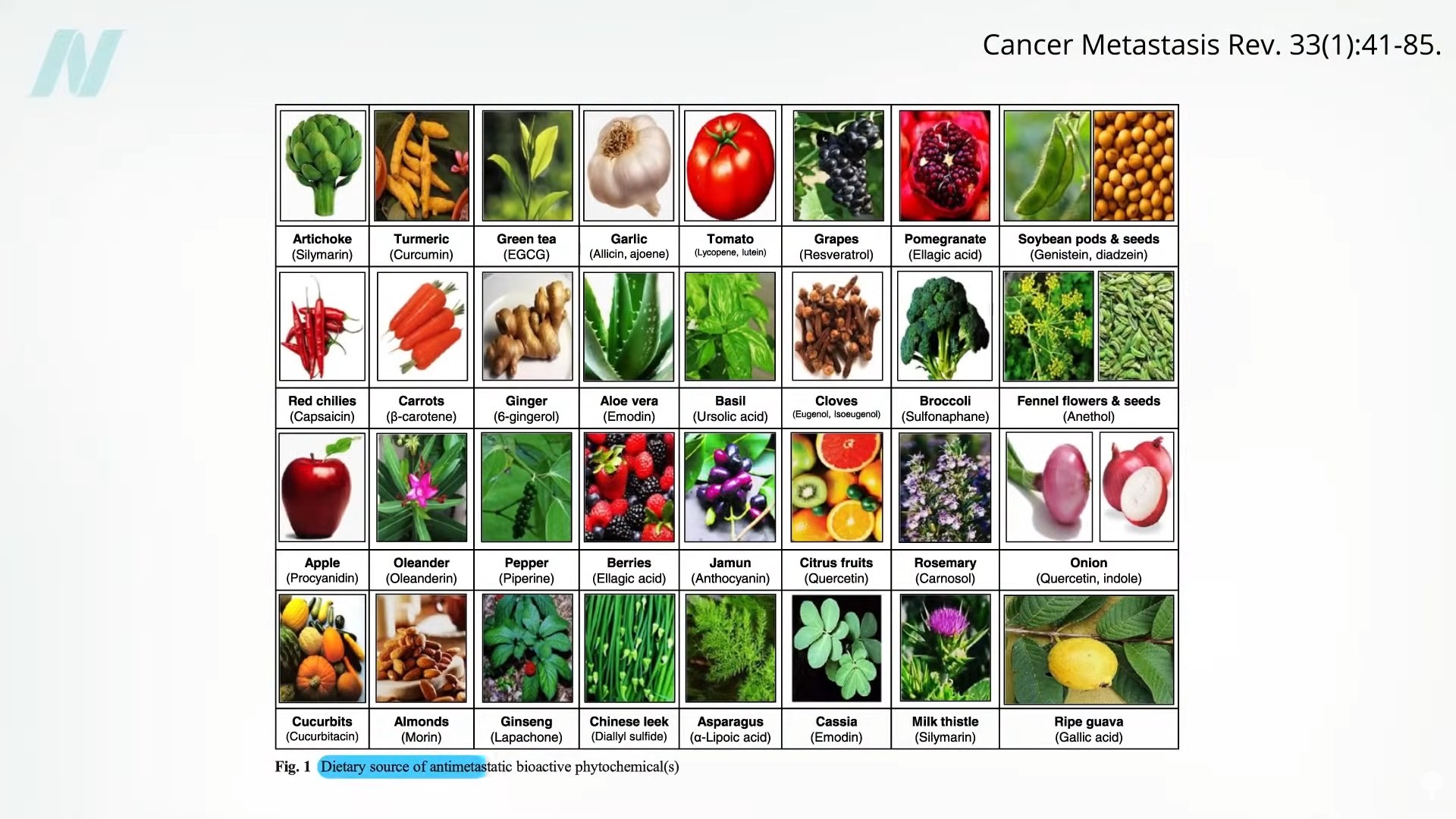
A substantial body of research underscores the chemopreventive and anticancer properties of dietary bioactive compounds present in whole plant foods. These compounds, often referred to as phytochemicals, engage with various cellular pathways implicated in cancer development and progression. Among the most promising food groups identified for their potential to combat cancer metastasis are legumes, which encompass a diverse range of pulses such as beans, split peas, chickpeas, and lentils.
Scientific inquiry has increasingly focused on the specific mechanisms by which legumes exert their protective effects. A critical area of investigation has been their capacity to inhibit the activity of matrix metalloproteinases. Studies have demonstrated that legumes contain unique proteins that can significantly reduce MMP activity, thereby impeding the invasive capabilities of cancer cells.

Identifying the Top Performers: A Comparative Study
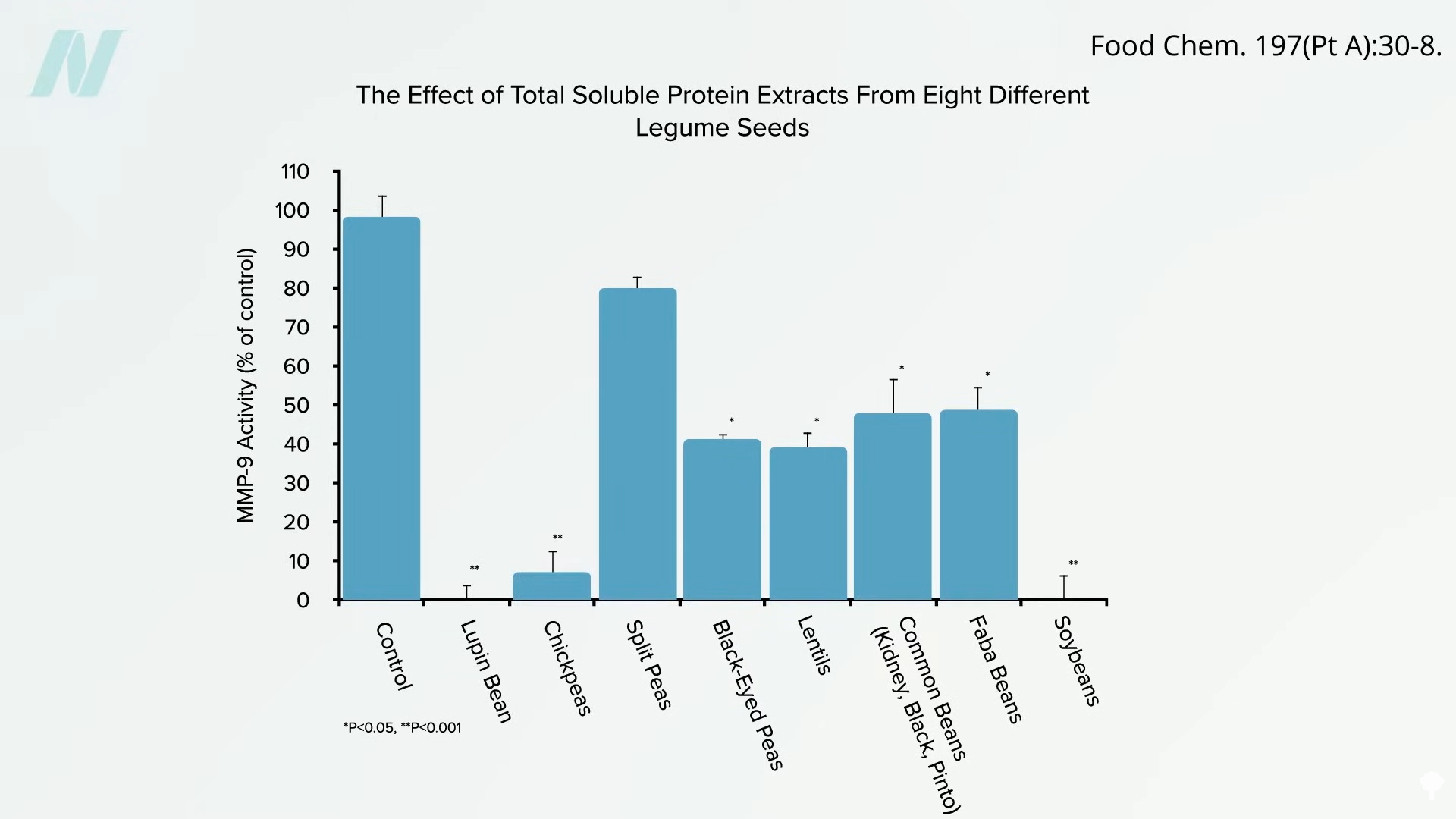
To pinpoint which legumes are most effective in inhibiting MMPs, researchers conducted a series of comparative studies. In a significant study, eight different types of legumes were rigorously tested for their ability to reduce MMP activity: lupin beans, chickpeas, split peas, black-eyed peas, lentils, common beans (including kidney, black, and pinto varieties), fava beans, and soybeans.
The findings of this research provided a clear hierarchy of efficacy. When MMP activity was measured without the presence of legume proteins, it remained at approximately 100%. The addition of protein extracts from split peas showed a negligible impact. However, black-eyed peas, lentils, common beans, and fava beans demonstrated a notable reduction in enzyme activity, cutting it by more than 50%.
The most striking results emerged from the testing of lupin beans, chickpeas, and soybeans. These legumes were found to be exceptionally potent, slashing MMP activity by an impressive margin of over 90%. This significant reduction in enzyme activity suggests a powerful natural mechanism for disrupting the early stages of cancer invasion.
Visualizing the Impact: In Vitro Evidence
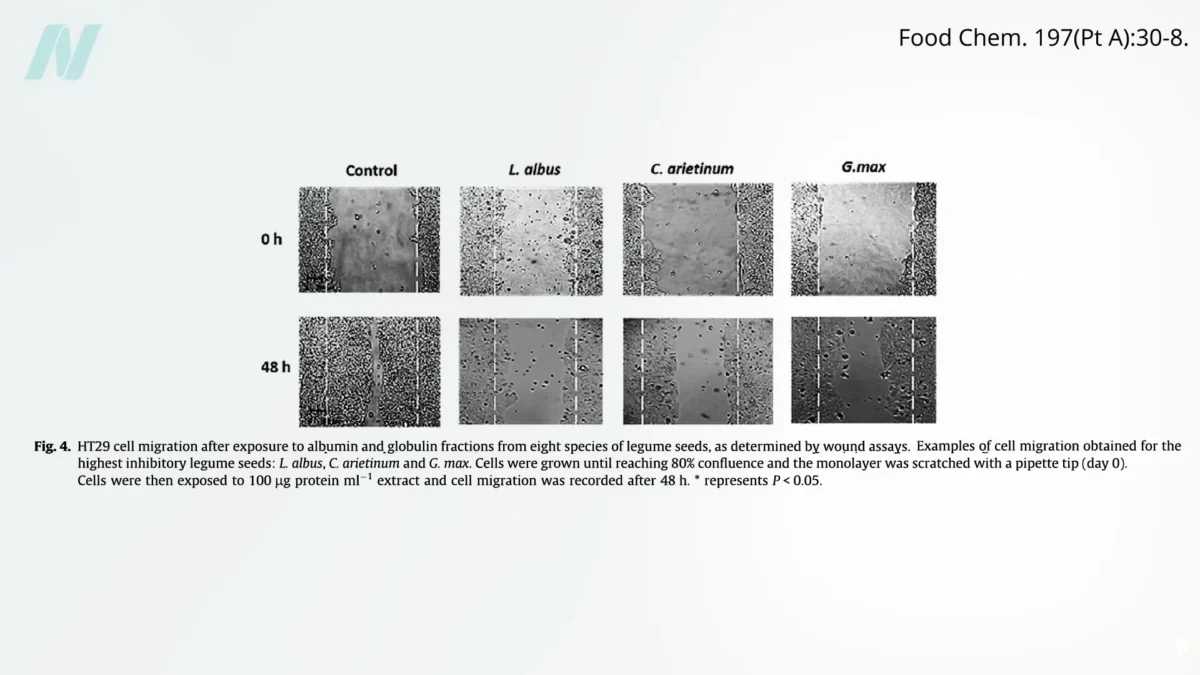
The effectiveness of legume-derived compounds in inhibiting cancer cell migration was further substantiated through in vitro experiments. In a controlled laboratory setting, human colon cancer cells were plated, and a strip was cleared in the center using a razor blade. This created a void that the cancer cells would naturally migrate to fill.
When left to their own devices, the cancer cells rapidly converged to close the gap within 48 hours. However, a stark contrast was observed when protein extracts from lupin beans, chickpeas, or soybeans were introduced. In the presence of these legume proteins, the cancer cells exhibited a significantly impaired ability to migrate and fill the cleared space. This visual evidence strongly suggests that these specific legumes can directly interfere with the invasive processes that drive metastasis.
Cooking and Bioavailability: Ensuring Effectiveness
A crucial consideration in the practical application of these findings is whether the beneficial anti-cancer proteins in legumes are preserved during the cooking process. If cooking were to denature these compounds, their therapeutic potential would be severely diminished. Fortunately, research has provided reassurance on this front.
Studies investigating the effects of cooking on soybean proteins, for instance, have revealed that the matrix metalloproteinase inhibitors remain active even after the beans have been subjected to heat. While further research may be needed to confirm this for all types of legumes and all cooking methods, current evidence indicates that incorporating cooked legumes into the diet can still harness their MMP-inhibiting properties.
Broader Implications: Legumes in Cancer Prevention and Management
The implications of these findings extend beyond the direct inhibition of MMPs. Legumes are a rich source of fiber, protein, vitamins, and minerals, and their inclusion in the diet is associated with a reduced risk of various chronic diseases, including colorectal cancer. The direct contact of legumes with the colon lining may offer a localized protective effect against colon cancer, which originates from the inner lining of the colon.
Furthermore, research on dietary patterns suggests that individuals adhering to vegetarian diets often exhibit significantly lower levels of matrix metalloproteinases. While this correlation is partly attributed to generally lower levels of inflammation in vegetarian populations – similar to how non-smokers have lower MMP levels – it underscores the systemic benefits of plant-based eating.
The significance of MMPs extends beyond cancer metastasis. These enzymes are implicated in a range of pathological conditions, including autoimmune diseases and cardiovascular disease. Their "machete-like" action can contribute to the rupture of atherosclerotic plaques in diseased arteries, a critical event in heart attacks and strokes. Therefore, dietary strategies that modulate MMP activity, such as the inclusion of legumes, may offer a dual benefit in promoting overall cardiovascular health and reducing inflammation.
The established link between plant-based diets and reduced heart disease risk is well-documented. However, the parallel reduction in cancer risk, particularly for those adhering to strictly plant-based diets, is a growing area of recognition, with legumes playing a central role in these protective dietary patterns.
A Call for Dietary Re-evaluation in Cancer Treatment
The current landscape of cancer treatment, heavily reliant on chemotherapy, faces significant challenges. The projected rise in cancer incidence over the next two decades, coupled with the often-limited efficacy and considerable side effects of existing treatments, necessitates a broader perspective. The prevailing approach of "mopping up the mess" rather than addressing the root causes of cancer progression is becoming increasingly untenable.
The substantial financial investment in chemotherapy drugs, which may offer minimal benefit while compromising patient well-being, raises critical questions about resource allocation and the efficacy of current pharmaceutical development. A more pragmatic approach would demand clinically significant benefits from pharmaceuticals, prompting a potential redirection of resources toward targeting fundamental cancer processes like metastasis.
The evidence supporting the anticancer and chemopreventive properties of dietary bioactive compounds in whole plant-based foods is compelling and mounting. While chemotherapy aims to shrink primary tumors, its impact on the pervasive threat of metastasis is often insufficient. The fact that metastasis accounts for the vast majority of cancer deaths highlights the critical need to address this aspect of the disease.
The Future of Cancer Prevention: Embracing Whole Foods
The scientific exploration into the power of legumes against cancer metastasis represents a significant advancement in our understanding of nutritional oncology. It offers a tangible, accessible, and cost-effective strategy for both preventing cancer and potentially managing its most lethal manifestation. By prioritizing diets rich in whole plant foods, particularly legumes, individuals can actively engage in their own health and contribute to a paradigm shift in cancer care – one that moves beyond reactive treatment to proactive prevention and natural empowerment.
This research reinforces the notion that food can be medicine, offering potent tools to combat complex diseases like cancer. As scientific understanding deepens, the integration of dietary interventions into comprehensive cancer care strategies is not just a possibility, but an imperative for improving patient outcomes and public health. The humble legume, often overlooked, stands as a testament to the profound healing potential found within nature’s pantry.
Doctor’s Note:
The broader implications of dietary interventions in combating the ten hallmarks of cancer are explored in detail in the video "Fighting the Ten Hallmarks of Cancer with Diet." Further insights into the mechanisms of cancer metastasis and how food can be leveraged to counter it can be found in related posts and videos focusing on cancer metastasis.

