

The quest for a slimmer physique has, throughout history, led individuals down paths ranging from the sensible to the downright bizarre. While established principles of diet and exercise remain the bedrock of healthy weight management, a significant undercurrent of radical and often concerning interventions persists. This article delves into the safety and efficacy of various extreme weight-loss methods, examining their scientific underpinnings, documented outcomes, and the ethical considerations they raise.
The Calorie Conundrum: Exercise vs. Indulgence
A fundamental principle of weight management is the energy balance equation: calories consumed versus calories expended. For a moderately obese individual engaging in moderate physical activity, such as biking or brisk walking, an hour of exercise might burn approximately 350 calories. However, the modern food landscape presents a formidable challenge. Many processed snacks and beverages are calorie-dense, delivering around 70 calories per minute. This stark contrast means that a mere five minutes of consuming high-calorie, low-nutrient foods can negate an entire hour of dedicated physical exertion. This imbalance highlights why dietary habits often wield more influence over weight than exercise alone, a reality that fuels the search for more immediate, albeit often drastic, solutions.
The AspireAssist Siphon: A Radical Approach to Calorie Elimination
One of the most striking and controversial methods to emerge in recent years is the AspireAssist siphon assembly. This device represents a significant departure from traditional weight-loss strategies, employing a surgically implanted system designed to mechanically remove food from the stomach.
The Surgical Intervention
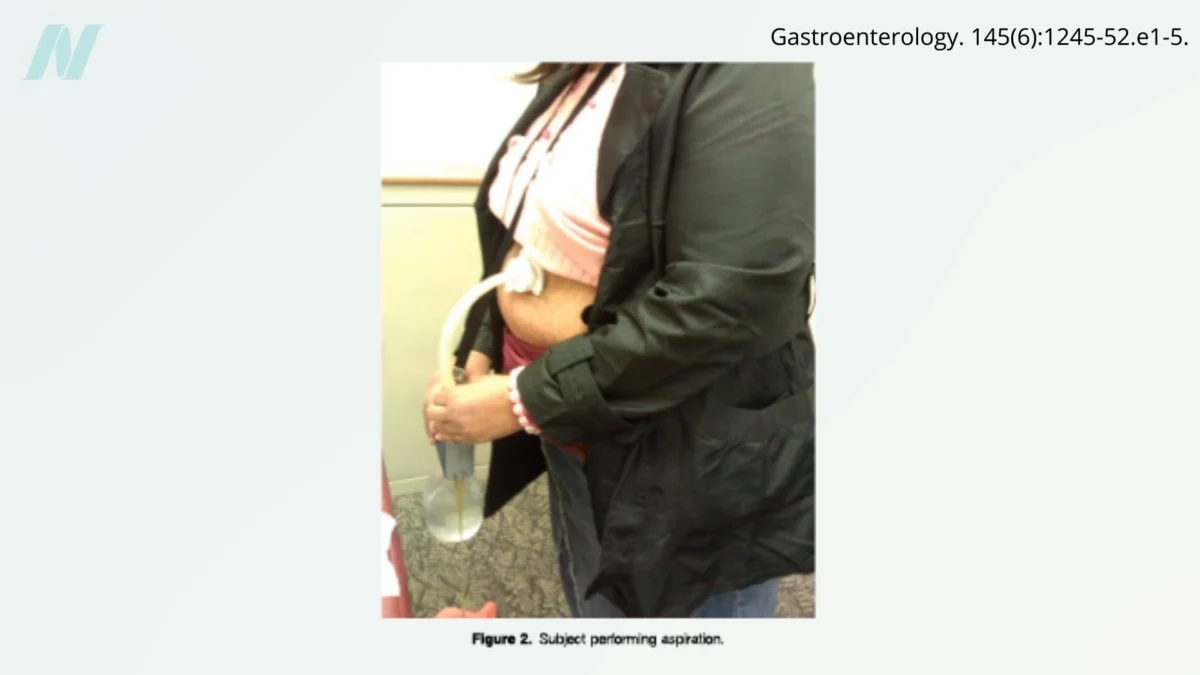
The AspireAssist procedure involves a percutaneous gastrostomy, a surgical intervention where a small opening is created in the abdominal wall, leading directly into the stomach. This creates a fistula, a direct conduit from the stomach to the exterior. Post-meal, the patient can attach a specialized suction device to this port, enabling the direct aspiration of stomach contents.
Mechanism of Action and Patient Experience
The purported mechanism of the AspireAssist is to reduce the number of calories absorbed by the body. By siphoning out a portion of the ingested food shortly after consumption, the system aims to bypass the digestive processes that lead to calorie assimilation. Studies have indicated that patients using the AspireAssist do experience weight loss. This efficacy is attributed to several factors. The presence of the fistula may interfere with the stomach’s natural ability to relax and accommodate food, potentially leading to earlier feelings of fullness. Furthermore, the protocol associated with the device often necessitates significant water intake and thorough chewing of food, both of which can contribute to satiety and slow down eating rates. Perhaps more profoundly, the visual reality of aspirating partially digested food, particularly from unhealthy meals, has been reported to motivate patients to make healthier dietary choices to avoid the unpleasant sight of the gastric aspirate.
Potential Drawbacks and Complications
Despite its weight-loss results, the AspireAssist is not without its significant drawbacks and potential complications. Patients are required to supplement their diet with potassium, as the siphoning process can deplete this essential electrolyte, posing a risk similar to that seen in bulimia. While minor wound complications are relatively common, serious adverse effects, such as abdominal abscesses, though rare, are a significant concern. The ethical implications of a device that enables the consumption of food followed by its immediate removal are also widely debated, with critics questioning whether it truly fosters sustainable healthy eating habits or merely facilitates a cycle of disordered eating.
The Duodenal-Jejunal Bypass Liner: A Less Invasive Surgical Alternative?
Another intervention that has garnered attention is the duodenal-jejunal bypass liner, often referred to as the EndoBarrier. This device aims to mimic some of the effects of more invasive bariatric surgeries without requiring extensive anatomical alteration of the gastrointestinal tract.
Mimicking Gastric Bypass
Traditional gastric bypass surgery involves surgically rerouting the digestive tract, effectively shortening the length of the small intestine involved in nutrient absorption. The duodenal-jejunal bypass liner attempts to achieve a similar outcome by introducing a flexible, tube-like device made of plastic. This liner is inserted into the duodenum, the first part of the small intestine, and extends down into the jejunum, the second part. Its presence is intended to create a physical barrier, preventing food from coming into direct contact with the intestinal lining for a significant portion of the digestive tract, thereby reducing calorie absorption.
High Risk of Adverse Events
However, the implementation of the EndoBarrier has been plagued by a high incidence of adverse effects. The device is anchored in place using small, barbed hooks – typically ten – designed to secure it within the digestive tract. These hooks frequently cause lacerations and trauma to the intestinal lining, leading to a substantial number of reported complications. Data from clinical studies has indicated that a significant proportion of patients experience adverse events, with nearly nine out of ten patients reporting issues. More severe complications, such as penetrating trauma that results in esophageal perforation or liver abscesses, while rarer, have occurred in approximately 1 in 27 patients, underscoring the inherent risks associated with this intervention.
Intestinal "Resurfacing": A Thermally Invasive Procedure
Pushing the boundaries of invasive interventions, the concept of intestinal "resurfacing" has been explored. This radical approach involves deliberately damaging the superficial lining of the duodenum, the uppermost part of the small intestine.
Thermal Ablation of the Duodenal Mucosa
The procedure, termed "thermal ablation of the superficial duodenal mucosa," essentially involves burning off the intestinal lining. The rationale behind this highly aggressive intervention is to reduce the capacity of the intestine to absorb nutrients. While proponents might euphemistically refer to it as "resurfacing," the reality is a deliberate injury to a vital part of the digestive system. The long-term consequences of such an intervention, particularly on gut health and nutrient absorption beyond immediate calorie reduction, remain a significant concern. The high risk of complications associated with such a procedure raises serious questions about its ethical justification and clinical utility.
Unconventional and Unsuccessful Approaches
Beyond the surgically implanted devices, a range of other methods have been explored, many of which have proven to be ineffective or even harmful.

Botox Injections into the Stomach
In an attempt to leverage the muscle-paralyzing properties of Botulinum toxin (Botox), researchers have investigated its injection into the stomach walls of obese individuals. The hypothesis was that by partially paralyzing the gastric muscles, stomach emptying would be slowed, leading to prolonged feelings of fullness and subsequent weight loss. However, clinical trials have consistently demonstrated that this approach does not yield significant or sustainable weight loss results.
The Corset Conundrum
Historically, corsets were believed to contribute to a slender waistline through physical constriction. A modern study in Sweden attempted to scientifically evaluate this by having participants wear corsets for extended periods. The experiment, however, met with a swift and predictable outcome: participants found the corsets uncomfortable and largely failed to adhere to the prescribed wearing schedule. This anecdotal failure highlights the impracticality and discomfort associated with such methods for long-term weight management.
The Tapeworm Tactic
One of the most notorious and disturbing weight-loss remedies involves the ingestion of tapeworm eggs, with the premise that the adult tapeworm will consume food within the digestive tract, thus reducing the host’s calorie intake. While "sanitized tapeworm" pills were advertised as far back as the early 20th century, the reality is far from benign. The discovery of live tapeworms during bariatric surgery operations strongly suggests that infesting oneself with these parasites is not only ineffective but also poses serious health risks. Tapeworm infections can lead to a range of severe complications, including nutrient deficiencies, abdominal pain, and neurological issues.
The Power of Disgust and Psychological Interventions
In contrast to invasive and harmful physical interventions, some research has explored psychological avenues for influencing eating behaviors.
Harnessing Disgust for Appetite Control
A fascinating study explored the concept of "harnessing the power of disgust" to reduce the appeal of high-calorie foods. This research utilized subliminal priming, exposing participants to brief, positive images (like kittens) before showing healthy food items and negative images (such as cockroaches on pizza or vomit) before displaying unhealthy, high-calorie foods. The rapid, subconscious exposure to negative imagery was intended to create an aversion to these foods. While direct testing of food consumption was not conducted, participants reported a reduced desire for high-calorie options. This suggests that psychological strategies, leveraging innate disgust responses, could potentially serve as a tactic to combat the pervasive influence of unhealthy food cues in modern environments.
International Perspectives on American Weight-Loss Innovations
The unconventional nature of some of these weight-loss interventions has not gone unnoticed on the global stage, prompting bemused commentary and critical analysis from international observers. Publications in reputable journals have often framed these developments with titles such as "Don’t Let Them Eat Cake! A View from Across the Pond" and "What Are the Yanks Doing?" This reflects a perception of American innovation in the weight-loss sphere as often pushing the boundaries of conventional medical practice, sometimes with questionable efficacy and safety profiles.
Electrical Stimulation: A Wired Approach to Appetite Suppression
Further exploration into radical interventions includes the use of electrical stimulation. Studies have investigated implanting electrodes into the muscular layer of the stomach wall, with the aim of influencing gastric function. When gastric electrical stimulation proved inconclusive, researchers turned their attention to colon electrical stimulation.
Even more strikingly, experiments have delved into the realm of neurosurgery for appetite control. Research has explored repetitive electric brain stimulation as a method to reduce food intake in humans. Despite the inherent risks and complications associated with deep-brain electrode placement, scientists have long been intrigued by the possibility of surgically altering brain activity to curb appetite. In one notable study, holes were drilled into the skulls of obese individuals, and wires were inserted into their brains to identify areas that, when stimulated, could elicit hunger responses. The researchers then applied electrical current to create lesions in these identified areas. While similar techniques had shown some success in animal models (cats and monkeys), the application to obese humans did not result in significant weight loss. This underscores the complexity of the human brain and the significant risks involved in attempting to manipulate its functions for weight management.
The Path Forward: Sustainable and Evidence-Based Strategies
The exploration of these extreme and often questionable weight-loss methods underscores a persistent societal desire for rapid solutions to complex health issues. However, the scientific and medical consensus remains firm: sustainable and healthy weight loss is not achieved through drastic, invasive, or unproven interventions.
The Importance of a Holistic Approach
As highlighted in comprehensive guides to weight management, such as "How Not to Diet," the foundation of successful and lasting weight loss lies in a holistic approach that integrates evidence-based dietary practices, regular physical activity, and behavioral changes. These methods, while requiring dedication and patience, offer a safe and effective route to improved health and well-being, without the significant risks and ethical dilemmas posed by extreme interventions.
Medical Consultations and Informed Decisions
For individuals considering any weight-loss intervention, particularly those that deviate from standard recommendations, consulting with qualified healthcare professionals is paramount. Understanding the potential risks, benefits, and long-term implications of any proposed treatment is crucial for making informed decisions. Resources such as discussions on the safety and efficacy of gastric balloon surgery, or critical reviews of weight-loss pills, offer valuable insights into the spectrum of available options and their scientific validity.
The pursuit of a healthy weight is a journey, and while the allure of quick fixes can be powerful, the most enduring successes are built on a foundation of knowledge, safety, and sustainable lifestyle changes. The history of extreme weight-loss methods serves as a potent reminder that the most effective path is often the one grounded in science and guided by a commitment to overall health.

