

The human desire to achieve an ideal physique has, throughout history, spawned a bewildering array of approaches to weight loss. While many individuals seek sustainable lifestyle changes through diet and exercise, a persistent undercurrent of more extreme and often ethically dubious methods continues to surface, promising rapid results with little regard for long-term health or well-being. This article delves into the safety and efficacy of several such controversial weight-loss techniques, ranging from invasive surgical interventions and novel device applications to historical curiosities and psychologically driven interventions.
The Calorie Conundrum: Why Quick Fixes Appeal
The fundamental challenge in weight management often lies in the stark imbalance between energy expenditure and intake. Consider a moderately obese individual engaging in moderately intense physical activity, such as cycling or brisk walking. For approximately one hour, this individual might burn around 350 calories. However, the ease with which high-calorie foods and beverages are consumed presents a formidable obstacle. A mere five minutes spent consuming processed snacks or sugary drinks, which can contain upwards of 70 calories per minute (293 kJ), can effectively negate an entire hour of strenuous exercise. This stark mathematical reality fuels the demand for more immediate and less effort-intensive solutions, paving the way for the development and adoption of extreme measures.
The AspireAssist Siphon: A Mechanized Approach to Digestion
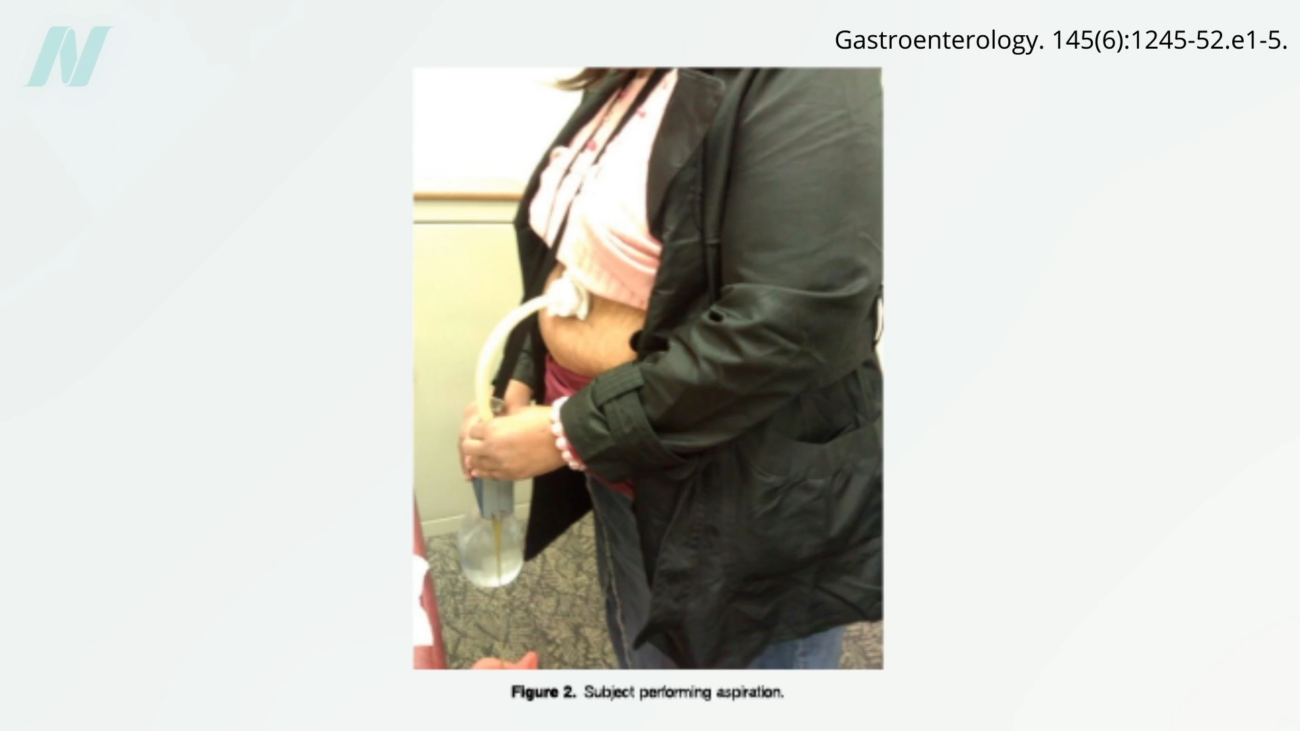
One such intervention that emerged in recent years is the AspireAssist siphon assembly. This device represents a radical departure from conventional weight-loss strategies, employing a surgically implanted percutaneous gastrostomy. In essence, surgeons create an opening in the stomach and establish a tunnel, or fistula, through the abdominal wall. Following each meal, individuals can attach a specialized suction gadget to this opening, enabling them to directly drain a significant portion of their stomach contents.
This mechanism allows individuals to consume food and then, through a mechanical process, remove a substantial portion of it before the body can fully absorb the calories. The concept is often described as a means to "have your cake and eat it too," albeit with a subsequent, albeit unpleasant, digestive intervention. Proponents of the AspireAssist highlight its ability to induce weight loss, with studies indicating that patients do indeed shed pounds. Several factors may contribute to this observed efficacy. The presence of the fistula might subtly interfere with the natural relaxation of the stomach wall during a meal, potentially leading to earlier feelings of satiety. Furthermore, the procedure necessitates a commitment to drinking ample water and thoroughly chewing food, both of which are independently recognized as beneficial for weight management by promoting hydration and slowing the eating pace. Anecdotal reports also suggest that patients tend to make healthier food choices to avoid the unappealing visual of aspirating less nutritious food, as the clear tubing can make processed and fried items appear particularly unappetizing when expelled.
However, the AspireAssist is not without its drawbacks and risks. Patients are required to supplement their diet with potassium, as this essential mineral is lost in the gastric juices removed through the siphon. Failure to do so can lead to potassium deficiency, a complication also observed in individuals with bulimia nervosa. While serious adverse effects like abdominal abscesses are reported to be rare, minor wound complications are more common. The device’s primary selling point, that it does not alter the gastrointestinal tract’s anatomy, is presented as a significant advantage in a landscape of weight-loss procedures. Yet, the very nature of its function raises significant ethical and psychological questions about disordered eating patterns and the long-term impact on an individual’s relationship with food.
The EndoBarrier: A Linchpin in Intestinal Intervention
Another approach that bypasses traditional surgical alterations of the digestive tract is the duodenal-jejunal bypass liner, often referred to as the EndoBarrier. This device aims to mimic the calorie-reducing effects of gastric bypass surgery without extensive resection of the small intestine. Instead of surgically removing a section of the intestine, a flexible, plastic tube, approximately two feet in length, is inserted to line the walls of the duodenum and jejunum. The intention is to create a physical barrier that prevents the absorption of calories from ingested food.
The primary challenge with the EndoBarrier lies in its anchoring mechanism. To secure the liner in place within the digestive tract, it is equipped with ten barbed hooks. These hooks, while intended to prevent dislodgement, are responsible for a significant number of adverse events. In a study involving 1,056 patients, nearly 9 out of 10 experienced adverse effects, with the lacerations caused by the hooks being the most prevalent issue. More severe complications, such as penetrating trauma leading to esophageal perforation or liver abscesses, although rarer, have been documented in approximately 1 in 27 patients. The inherent risk associated with anchoring a foreign object within the delicate intestinal lining raises significant concerns about the safety profile of this intervention.
Beyond Devices: Exploring Other Radical Weight-Loss Methods
The quest for rapid weight loss has led to the exploration of a wide spectrum of interventions, some more peculiar than others. The concept of "intestinal resurfacing," while sounding akin to a cosmetic procedure, involves a considerably more invasive approach. This method entails "thermally ablating the superficial duodenal mucosa," essentially burning off the inner lining of the intestines. The rationale behind this drastic measure is to reduce calorie absorption by destroying the absorptive surface area. The implications of such a procedure on nutrient absorption and overall gut health are substantial and warrant further investigation.
Botox Injections: A Muscle-Paralyzing Gambit
In a bid to manipulate the body’s natural digestive processes, researchers have explored injecting Botulinum toxin (Botox) into the stomach walls of obese individuals. The hypothesis was that by partially paralyzing the gastric muscles, stomach emptying would be slowed, leading to prolonged feelings of fullness and subsequent weight loss. However, clinical trials investigating this method have largely concluded that it is ineffective for achieving significant or sustained weight reduction.

Corsets and Tapeworms: Echoes of the Past
Historical attempts at weight control have also resurfaced in modern discourse, often with a touch of novelty. For instance, a study in Sweden explored the efficacy of wearing corsets for extended periods – 12 to 16 hours a day for nine months. The results, however, were predictably disappointing. Participants found the corsets uncomfortable and failed to adhere to the rigorous wear schedule, rendering the intervention ineffective.
The notion of consuming "sanitized tapeworms" as a weight-loss remedy dates back to the early 1900s. While the idea of intentionally ingesting a parasite to lose weight seems abhorrent by today’s standards, the continued discovery of live tapeworms during bariatric surgery operations suggests that this method was likely never truly effective and posed significant health risks. The ingestion of parasites can lead to a host of severe health problems, including malnutrition, abdominal pain, and neurological issues, far outweighing any potential, and highly improbable, calorie expenditure.
Harnessing Disgust: A Psychological Intervention
In a more unconventional, yet scientifically grounded, approach, researchers have investigated the power of disgust as a tool to curb unhealthy eating habits. A study titled "Harnessing the Power of Disgust: A Randomized Trial to Reduce High-Calorie Food Appeal Through Implicit Priming" explored the use of subliminal messages to alter food preferences. Participants were exposed to brief flashes of positive imagery (like kittens) before viewing healthy food options, aiming to create a positive association. Conversely, high-calorie foods were paired with negative imagery, such as cockroaches on pizza, vomit, or burn wounds, intended to evoke revulsion. The study found that subjects reported a reduced desire to consume high-calorie foods following this priming. While not directly measured, the researchers concluded that this subliminal aversion technique could be a viable strategy to counteract the pervasive influence of food cues that promote unhealthy eating patterns.
The American Fascination with Invasive Procedures
The international community has often observed the American penchant for innovative, and at times perplexing, approaches to weight management. Commentaries like "Don’t Let Them Eat Cake! A View from Across the Pond" and academic papers such as "What Are the Yanks Doing?" have highlighted the U.S. experience with various implantable devices. These include electrodes inserted into the stomach wall for gastric stimulation, a method that ultimately proved unsuccessful. Following this, electrical stimulation of the colon was also explored.
More startling were studies investigating the impact of repetitive electric brain stimulation on food intake. Despite the inherent risks associated with deep-brain electrode implantation, scientists have long pondered whether direct electrical intervention in the brain could reduce appetite. In one experimental study, holes were drilled into the skulls of five obese individuals, and wires were inserted into their brains for "electrostimulatory exploration." The objective was to identify specific brain regions that, when stimulated electrically, could elicit hunger responses. Once identified, the researchers delivered electrical currents sufficient to create electrocoagulatory lesions, effectively burning out these brain areas. While this technique showed some promise in animal studies with cats and monkeys, it failed to produce any weight loss in the human participants. This experimental phase, thankfully, did not lead to widespread adoption, underscoring the critical distinction between animal research and its applicability to human health, especially when involving such invasive procedures.
The Path Forward: Sustainable Solutions
The myriad of extreme and often questionable weight-loss methods discussed underscores a persistent societal preoccupation with achieving a desired physique through often drastic means. The allure of quick fixes and the bypass of fundamental lifestyle changes can lead individuals down paths fraught with health risks and limited long-term efficacy. As evidenced by the numerous failed interventions, from Botox injections to invasive brain surgery, the pursuit of sustainable weight loss is rarely as simple as a technological or surgical solution.
The overwhelming scientific consensus points towards a holistic approach: a balanced, nutrient-dense diet, regular physical activity, sufficient sleep, and effective stress management. These foundational elements, when integrated into daily life, offer the most reliable and sustainable pathway to achieving and maintaining a healthy weight, without the inherent dangers and ethical quandaries associated with extreme measures. As emphasized in comprehensive guides to healthy living, true weight management is not a complex surgical procedure but rather a commitment to informed, consistent, and healthy lifestyle choices.
Doctor’s Note:
For individuals considering interventions related to weight management, it is crucial to consult with qualified healthcare professionals. Discussions regarding the safety and efficacy of procedures such as gastric balloon surgery and the use of weight-loss medications are essential. Resources are available to provide in-depth information on these topics, empowering individuals to make informed decisions aligned with their health and well-being.
The pursuit of sustainable weight loss is a multifaceted endeavor. Comprehensive resources are available to guide individuals toward effective and healthy strategies. These resources often emphasize long-term behavioral changes over short-term, potentially harmful interventions.

