

The question of whether opting for organic produce shields consumers from cancer, and the precise impact of pesticide exposure on cancer risk, has long been a subject of scientific inquiry and public concern. A growing body of evidence suggests a complex relationship, with some studies indicating a significant reduction in cancer risk among those who frequently consume organic foods, while others highlight the persistent presence of pesticides in conventional agriculture and their potential, albeit debated, health consequences.
Pesticide Exposure and Cancer: A Growing Body of Evidence
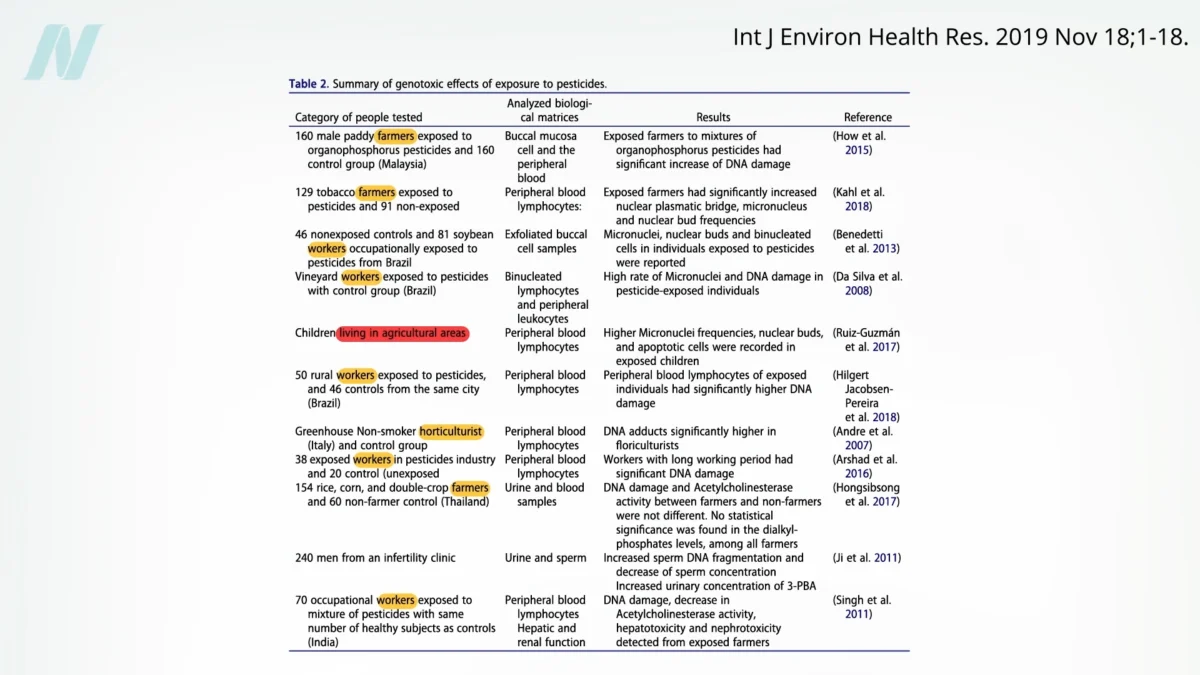
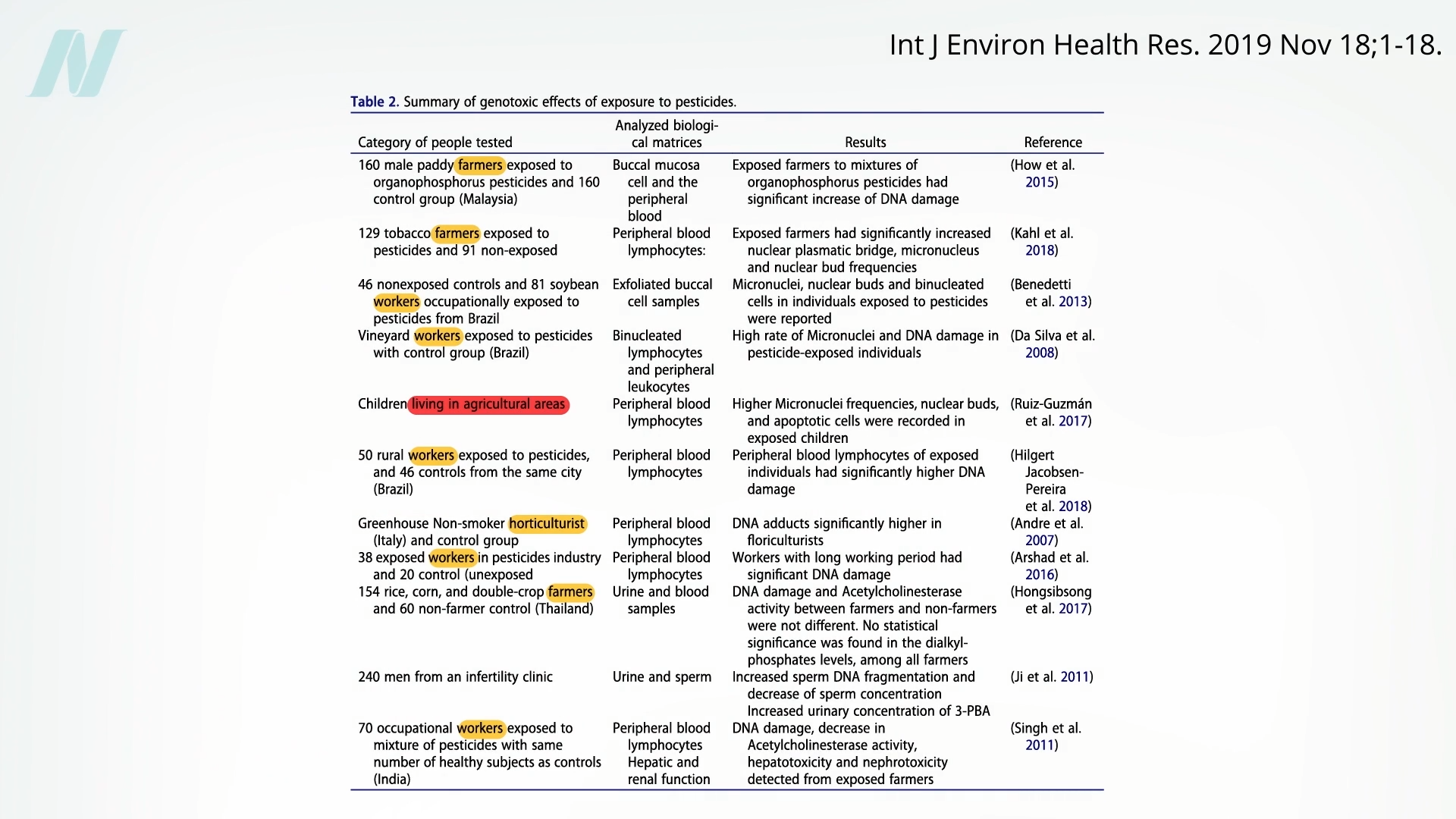
Scientific consensus is increasingly solidifying around the link between pesticide exposure and cancer. A comprehensive review updating evidence on human exposure and toxicity of pesticides concluded that the body of evidence linking pesticide exposure and cancer is so substantial that the role of pesticides in cancer development "cannot be doubted." This assertion, rooted in extensive research, underscores the potential health implications of these agricultural chemicals.
However, a significant portion of the evidence demonstrating direct DNA damage from pesticides originates from occupational settings. Studies have frequently focused on farmers, agricultural workers, and individuals residing in areas with high pesticide application rates. These groups often experience direct and prolonged exposure, leading to measurable effects like DNA damage. For instance, research has shown that chronic exposure in these high-risk populations can lead to genotoxic effects. While this occupational data provides a stark warning, it raises questions about the risks faced by the general population through dietary intake.
Non-Occupational Exposure and DNA Damage
Beyond the farm gate, evidence also points to potential harm from non-occupational pesticide exposure. A study examining men in China, where average pesticide concentrations can be significantly higher than in many Western nations, revealed a link between pesticide exposure and DNA damage. Specifically, researchers observed single- and double-stranded DNA fragmentation in the sperm of men with elevated pesticide levels in their bodies. This finding suggests that even at lower, non-occupational exposure levels, pesticides might have detrimental effects on reproductive health and cellular integrity.

Pesticides and the Immune System’s Defense Against Cancer
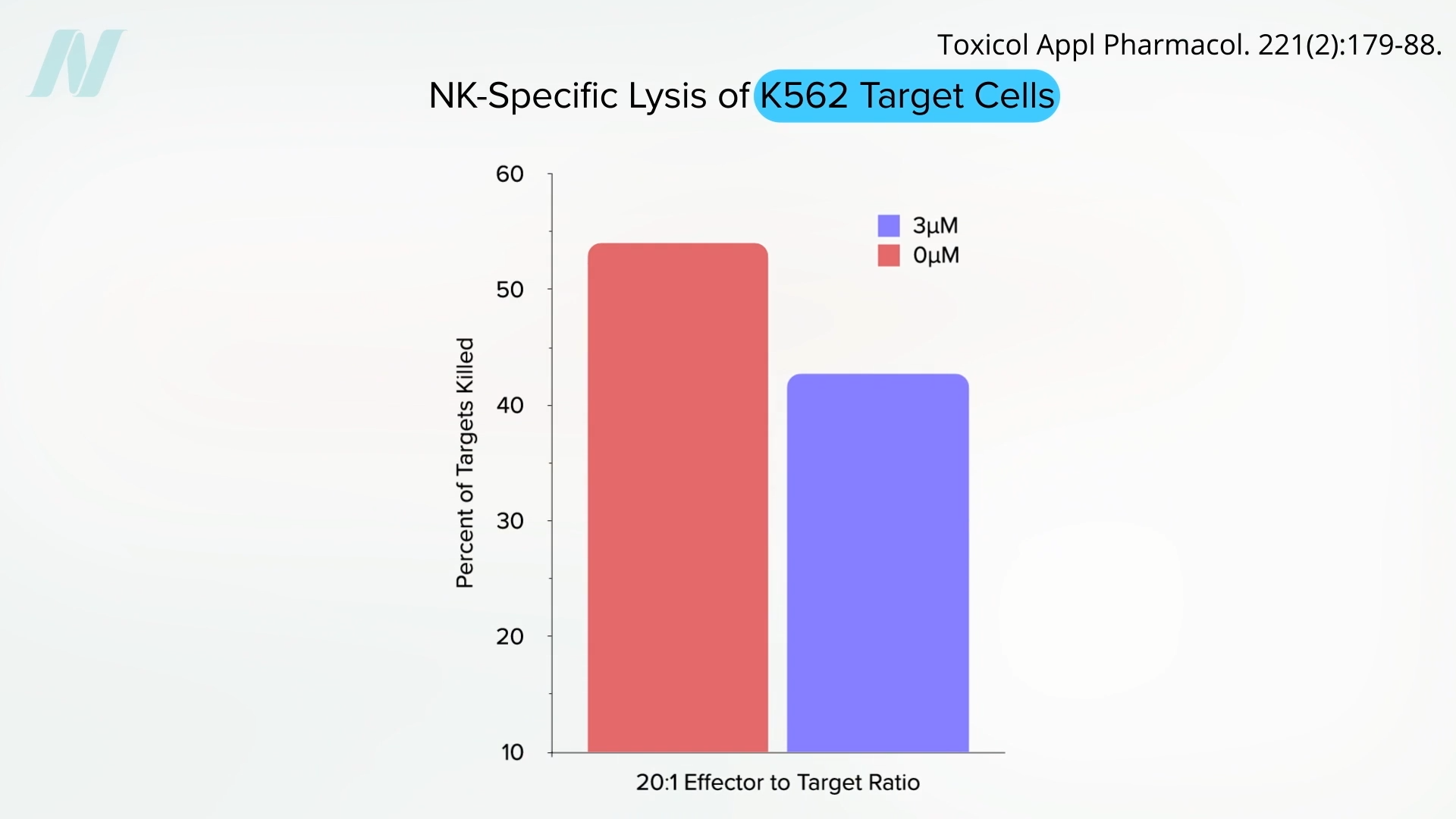
Another critical pathway through which pesticides may influence cancer risk is by compromising the body’s natural defense mechanisms, particularly its immune system. Natural killer (NK) cells, a crucial component of the innate immune system, act as the first line of defense against cancer cells and virus-infected cells. Research has indicated that exposure to certain pesticides can impair the function of these vital defender cells.
In laboratory settings, the impact of pesticides on NK cell activity has been starkly illustrated. Studies have shown that when NK cells are introduced to leukemia cells in a petri dish without pesticide exposure, they are highly effective at eliminating a significant portion of the cancer cells. However, when even small amounts of pesticides are added to the mix, the NK cells become severely compromised, significantly reducing their ability to combat the cancer cells. This experimental evidence suggests a potential mechanism by which pesticide exposure could create a more permissive environment for tumor development and growth by weakening the immune system’s surveillance and elimination capabilities.
The levels of pesticides used in such experimental settings often reflect the maximum concentrations found in individuals actively involved in pesticide application. This raises a pertinent question: what about the effects of the residual pesticides that remain on conventionally grown produce? The answer to this question is crucial for understanding the potential benefits of choosing organic options for cancer prevention.
The Ubiquity of Pesticides and the Organic Choice
Pesticides are remarkably pervasive, detectable in the blood and urine of over 90% of the U.S. population, irrespective of their occupation or geographic location. This widespread presence strongly suggests that dietary intake is a significant, if not primary, route of exposure for the general public. Crossover trials, where participants alternate between consuming conventionally grown and organically produced foods, have provided compelling evidence for this. These studies have demonstrated that switching to an organic diet can rapidly decrease urinary concentrations of pesticide metabolites, akin to turning a light switch on and off. This direct correlation between dietary choices and internal pesticide levels highlights the tangible impact of food choices on personal exposure.
While the ability to reduce pesticide metabolites through dietary shifts is clear, the direct health consequences of ingesting these residues from conventional foods remain a subject of ongoing research. However, emerging studies are beginning to shed light on the potential long-term implications.
Organic Food Consumption and Reduced Cancer Risk
A landmark study in this area investigated the association between the frequency of organic food consumption and cancer risk. This research, the first of its kind to meticulously control for a wide array of confounding factors, found that individuals who self-reported the highest frequency of organic food consumption had approximately a 25% lower risk of developing cancer. This finding is particularly noteworthy given the rigorous statistical controls employed by the researchers.
The study’s authors proactively addressed potential biases that might influence the results. They accounted for factors such as age, with organic consumers often being younger. Even after controlling for age, the association between higher organic food intake and reduced cancer risk remained significant. Further analyses addressed other lifestyle and socioeconomic variables, including affluence, educational attainment, body mass index (BMI), physical activity levels, meat consumption, and smoking habits. In every instance, the link between organic food consumption and a lower cancer risk persisted. Similarly, researchers controlled for potential dietary differences, such as overall fruit and vegetable intake or consumption of processed foods, and the protective association remained. The study’s robust conclusion was that "higher organic food consumption is associated with a reduction in the risk of overall cancer."
Nuances in Cancer Incidence and Organic Consumption
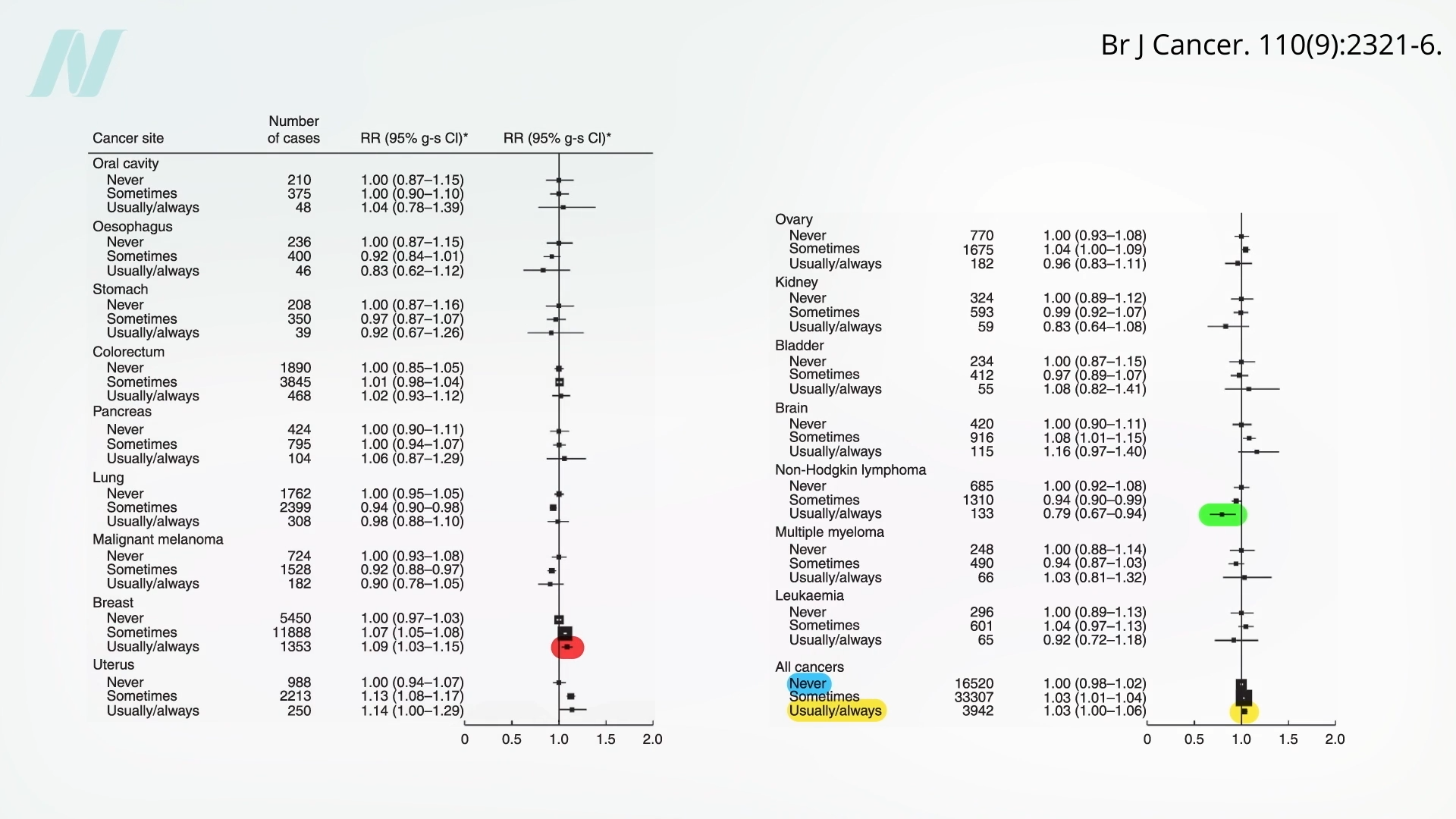
While the aforementioned study offered a compelling narrative, earlier, larger-scale investigations have presented a more nuanced picture. One such extensive study found little evidence for a decrease in the incidence of all cancers combined among organic food consumers. The exception was a potential reduction in the risk of specific blood cancers, most notably non-Hodgkin lymphoma.
Further analysis of the data from this earlier study revealed no overall difference in cancer incidence between individuals who never consumed organic foods and those who did so regularly. However, significant findings did emerge for specific cancer types. A lower risk of non-Hodgkin lymphoma was observed, a finding that aligns with some research linking pesticide exposure to this type of cancer. Conversely, the study also indicated an increased risk of breast cancer among organic consumers. The reasons for this discrepancy remain unclear. One hypothesis is that women who choose organic foods may be more diligent about cancer screenings, leading to earlier detection and thus a higher reported diagnosis rate, rather than a true increase in incidence. This highlights the complexities in interpreting observational data, where correlation does not always imply causation.
Beyond Cancer: All-Cause Mortality and Pesticide Residues
Beyond specific cancer diagnoses, a critical measure of public health is all-cause mortality, which reflects the overall risk of premature death. Emerging research suggests a connection between pesticide exposure and longevity. A notable study found that higher blood levels of a specific pesticide, beta-hexachlorocyclohexane (beta-HCH), were associated with a significantly shorter lifespan. This finding underscores the potential for certain pesticide residues to have broader, life-limiting health impacts.
Dietary Patterns and Pesticide Load
Understanding how to reduce exposure to these harmful compounds is therefore paramount. Historical research has provided insights into dietary patterns and their influence on pesticide levels. One study from decades ago compared the breast milk of a vegetarian mother to that of her non-vegetarian sister. The vegetarian sister, who was also breastfeeding, exhibited approximately one-third lower levels of beta-HCH in her breast milk compared to her omnivorous sibling. This suggests a potential benefit of plant-based diets in reducing the body’s burden of certain fat-soluble pesticides.
This observation is consistent with the chemical properties of beta-HCH and other chlorinated pesticides. These compounds are lipophilic, meaning they are fat-soluble and tend to accumulate in fatty tissues. Consequently, they are found most frequently in foods of animal origin, such as meat, dairy products, and eggs, which are richer in fat.
More recent research has continued to explore the link between dietary choices and the presence of pesticide-type compounds. While a newer study did not specifically examine beta-HCH, it investigated polychlorinated biphenyls (PCBs), a class of persistent organic pollutants with known health risks, including increased mortality. Similar to beta-HCH, these toxins were found in higher concentrations in animal products like eggs, dairy, and animal fats.
The study further found that the blood of individuals following a vegan diet was "significantly less polluted than omnivores" with respect to a range of PCBs linked to increased mortality. However, vegans in this study did not exhibit lower levels of beta-HCH, suggesting that dietary strategies for reducing different types of pesticide residues may vary.
The Bottom Line: Balancing Risks and Benefits
The cumulative scientific evidence presents a complex picture regarding the benefits of organic food consumption and the risks associated with pesticide exposure. For individuals concerned about the adverse health effects of pesticides and similar compounds, reducing the intake of animal products appears to be a prudent strategy. These products are more likely to accumulate lipophilic toxins.
However, when it comes to fruits and vegetables, the consensus leans towards the benefits of consumption outweighing the potential risks from pesticide residues. The nutritional advantages of incorporating ample fruits and vegetables into one’s diet are substantial and well-established, contributing to overall health and disease prevention. While pesticide residues are present on conventionally grown produce, their potential to cause long-term harm, such as a reduction in lifespan, has been estimated to be minimal, on average, cutting only a few minutes off a person’s life. This potential downside is dwarfed by the significant and immediate health benefits derived from a diet rich in fruits and vegetables. Therefore, concerns about pesticide residues should not deter individuals from consuming these vital food groups in abundance.
The ongoing research into pesticide toxicity and the benefits of organic food consumption continues to inform public health recommendations. While the debate over the precise extent of risk and benefit may persist, the overarching message emphasizes the importance of a diet rich in plant-based foods, with a mindful consideration of sourcing when possible, particularly for those seeking to minimize exposure to persistent environmental toxins.
Doctor’s Note:
For further exploration into the topic of organic foods and their health implications, please refer to the related posts provided below.

