

A critical window of time exists in which sufficient physical activity can help to counteract some of the immediate detrimental effects of consuming an unhealthy meal, particularly those high in saturated fat and sodium. Emerging scientific research is shedding light on the intricate physiological responses to indulgent eating and the potent, albeit temporary, protective capabilities of exercise. This exploration delves into the science behind how a single high-fat meal can impair vascular function and how targeted physical activity can serve as a crucial buffer against these acute consequences.
The Immediate Impact of High-Fat Meals on Arterial Health
Studies have previously documented the adverse effects of a single meal laden with saturated fat on arterial function. While some research has focused on peripheral arteries, such as those in the arm, a more significant concern lies in the impact on blood flow to the heart itself. Investigations have demonstrated that a high-fat meal, characterized by a substantial proportion of saturated fat and elevated cholesterol levels, can lead to a measurable decline in arterial function within hours of consumption.
In one notable study, male participants were randomized to consume either a high-fat meal exceeding 60% fat, with half of that being saturated fat and cholesterol content equivalent to more than one egg, or a low-fat meal composed primarily of carbohydrates with less than 10% fat and 50 times less cholesterol. The critical difference in their impact on cardiovascular health was stark.
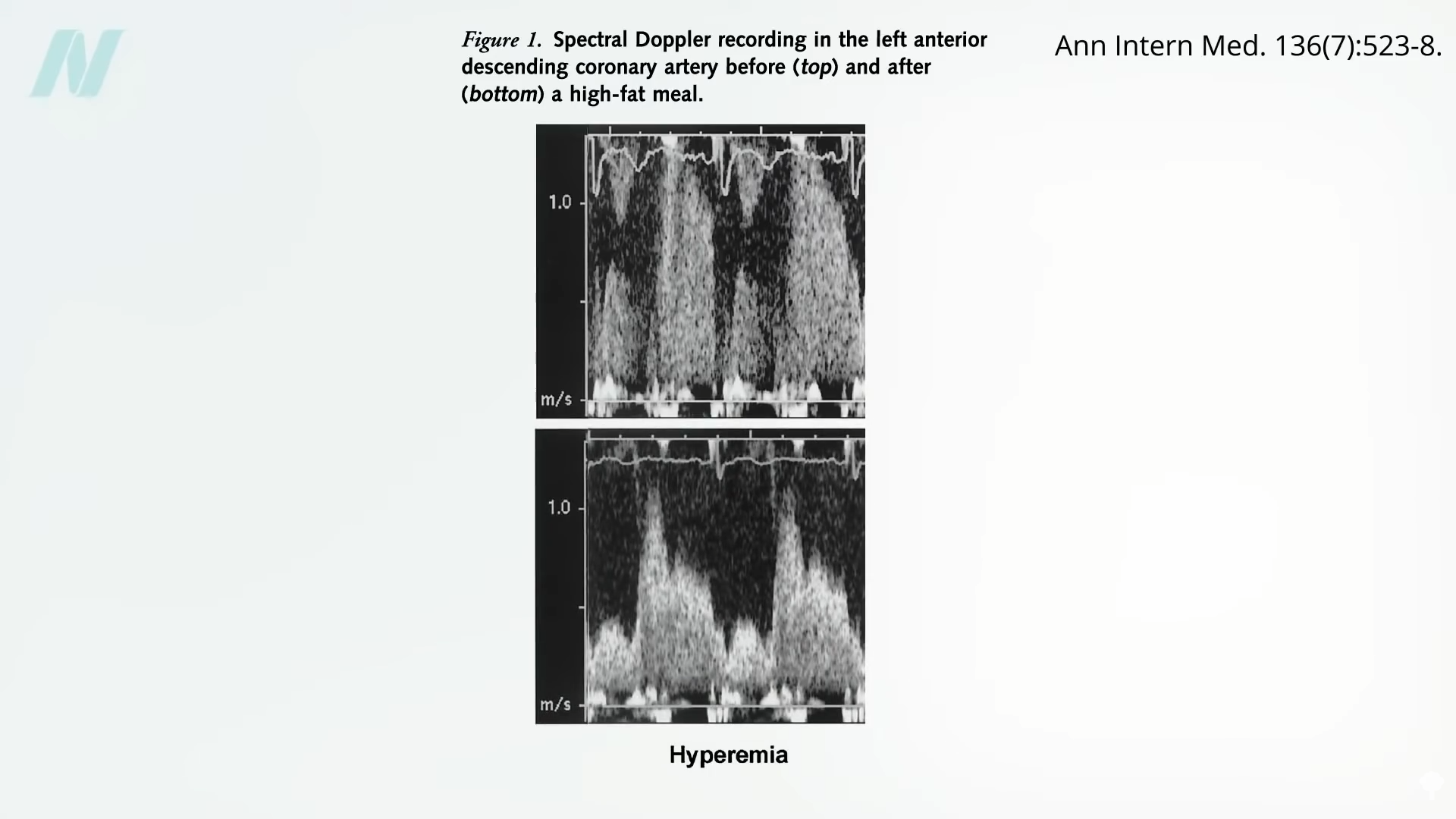
Visual evidence from Doppler recordings of the left anterior descending coronary artery, often referred to as the "widow-maker" due to its critical role in heart function, vividly illustrates this phenomenon. Before the consumption of a high-fat meal, the Doppler signal indicating robust blood flow is strong and unimpeded. However, within hours after ingesting the high-fat meal, this signal is significantly diminished, a visual representation of constricted blood flow. Conversely, the low-fat meal, despite having the same caloric content, did not produce this detrimental effect on coronary blood flow.
Understanding Coronary Flow Reserve
The term "coronary flow reserve" refers to the capacity of the coronary arteries to dilate and increase blood flow in response to increased demand, such as during physical exertion or in the presence of blockages. When a portion of a coronary artery becomes narrowed or obstructed, the surrounding healthy vessels attempt to compensate by expanding to maintain adequate blood supply to the heart muscle. This compensatory dilation capacity is precisely what constitutes the coronary flow reserve.

Research indicates that this crucial reserve capacity is significantly curtailed within hours of consuming a high-fat meal. This impairment undermines the heart’s ability to adapt to increased oxygen demands, potentially exacerbating existing cardiovascular conditions or increasing the risk of acute cardiac events. The mechanism by which high-fat meals affect blood flow to the heart is complex, but it directly impacts the arteries’ ability to adjust and respond, a fundamental aspect of cardiovascular health.
Visualizing the Impact: Beyond the Coronary Arteries
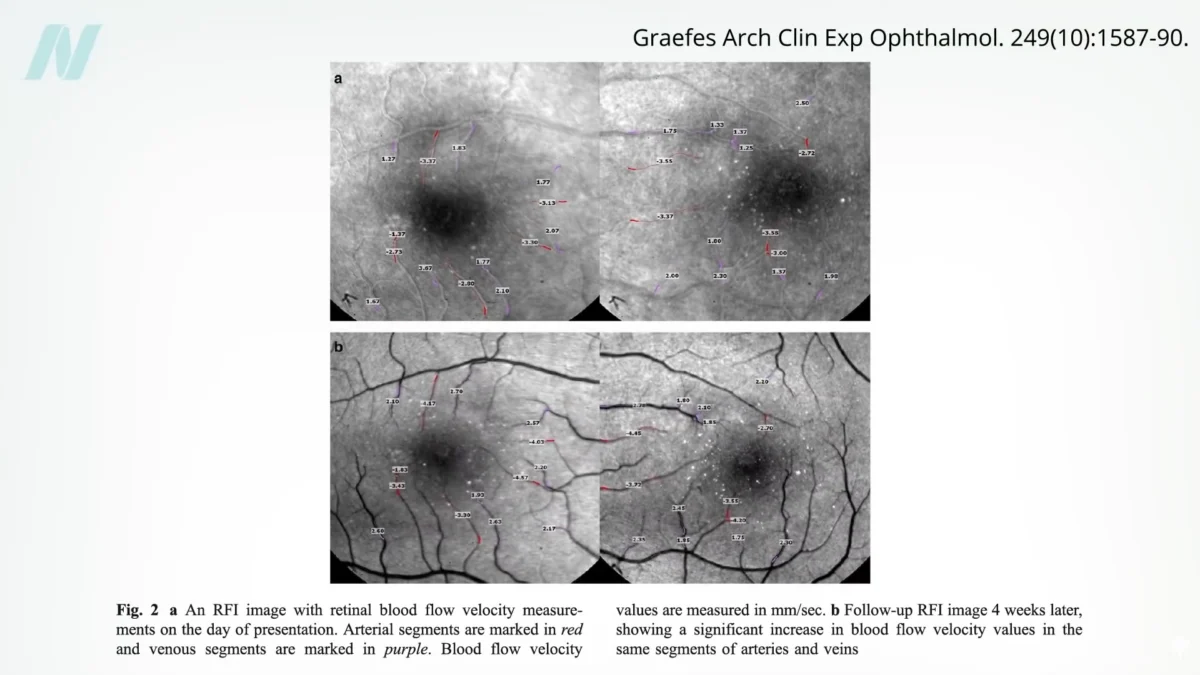
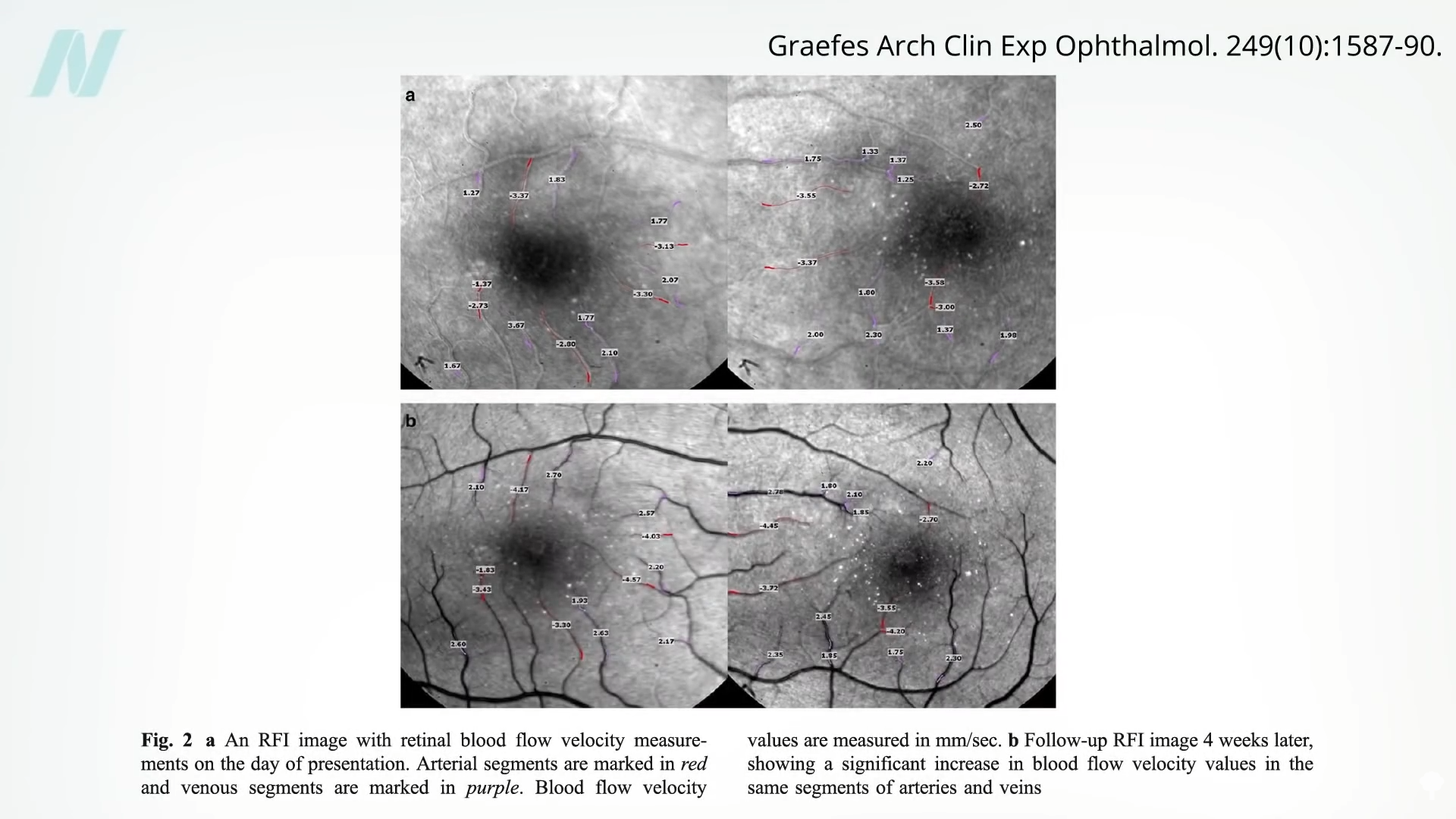
The detrimental effects of unhealthy dietary choices are not confined to the coronary arteries. In extreme cases, the impact can even be observed in the delicate vasculature of the retina, the light-sensitive tissue at the back of the eye. Before-and-after imaging studies have shown how a high-fat meal can alter the appearance of retinal blood vessels.
Initially, these vessels may appear milky or clouded, a visual indicator of the elevated lipid content in the bloodstream. This condition, known as lipemia, where fats circulate in the blood, can persist for hours after a particularly indulgent meal. In contrast, following a low-fat diet or therapeutic interventions to clear fats from the bloodstream, the retinal blood vessels can return to their normal, clear appearance. The visual difference is striking, with blood resembling a thick, opaque milkshake in its post-meal state.
The Protective Role of Acute Exercise
The question then arises: can immediate physical activity mitigate these adverse effects? Emerging evidence suggests that acute exercise, performed shortly after a high-fat meal, can indeed be an effective strategy to help clear excess fats from the bloodstream and improve vascular function. Post-meal inflammation, driven by the sustained elevation of fats after high-fat meals, is a recognized contributor to increased cardiovascular disease risk. Substantial evidence indicates that acute exercise can help to attenuate this inflammatory response and reduce the postprandial lipemic response.
However, the beneficial effects of acute exercise on postprandial lipemia appear to be transient. The protective impact on arterial function is not a permanent change. For the benefits to be fully realized, regular exercise is crucial. Studies suggest that even a few days of inactivity can completely negate any protective benefits gained from acute exercise, regardless of an individual’s overall fitness level.
The optimal timing for exercise to exert its protective effects appears to be within a specific window: between approximately 18 hours before the meal and up to 90 minutes after the meal. This timeframe highlights the importance of consistent physical activity in conjunction with dietary choices. The recommended duration for such exercise is approximately one hour of moderate-intensity activity.
Stair Climbing: A Practical Intervention
Further research has explored the effectiveness of more accessible forms of exercise, such as stair climbing, in mitigating the negative impacts of unhealthy eating. One study demonstrated that just 20 minutes of stair climbing, broken into five-minute intervals every hour for a four-hour period following a substantial fast-food breakfast (comprising hash browns, eggs, pancakes, sausage, and a milkshake), significantly improved artery function.
In this study, participants who remained sedentary after the high-fat meal experienced a notable decrease in arterial function. In contrast, those who engaged in the hourly stair-climbing exercises did not exhibit this decline. This finding suggests that incorporating short bursts of physical activity throughout the day, particularly after consuming a high-fat meal, can help to offset both the negative effects of prolonged sitting and the immediate vascular consequences of unhealthy food. The researchers proposed that regular stair climbing could serve as an easily accessible lifestyle strategy to protect vascular function.
However, the study also implicitly underscores the primary preventive measure: avoiding such high-fat meals in the first place. While exercise can offer a compensatory benefit, it cannot entirely negate the inherent damage caused by consistently consuming nutrient-poor, high-fat, and high-sodium foods.
The Impact of Sodium: A Parallel Threat
Beyond the detrimental effects of saturated fat, the high sodium content of many processed and fast foods poses another significant threat to cardiovascular health. A typical fast-food breakfast, for instance, can contain upwards of 2,000 mg of sodium, far exceeding the American Heart Association’s recommended daily limit of 1,500 mg.
Even a reduction in salt intake by a third can still impair artery function within an hour of consumption, independent of any significant increase in blood pressure. This highlights the multifaceted nature of cardiovascular risk associated with unhealthy dietary patterns.
Salt Sensitivity and Arterial Function
The relationship between sodium intake and blood pressure is complex, with individuals categorized as either "salt-sensitive" or "salt-resistant." Salt-sensitive individuals experience a pronounced rise in blood pressure following increased salt consumption, while salt-resistant individuals show a less dramatic response. However, regardless of an individual’s blood pressure’s sensitivity to salt, high dietary sodium intake consistently impairs artery function. The transition from a low-salt to a high-salt diet demonstrably reduces arterial function, a phenomenon that persists irrespective of blood pressure fluctuations. This underscores that the detrimental effects of sodium on vascular health extend beyond its impact on blood pressure regulation.
The Broader Implications and Ongoing Research
The accumulating evidence on the immediate and cumulative effects of unhealthy dietary choices on cardiovascular health is significant. The findings underscore the critical interplay between diet, exercise, and vascular function. While acute exercise offers a valuable short-term mitigation strategy, it should not be viewed as a license to consume unhealthy foods without consequence. The long-term health of the cardiovascular system relies on a sustained commitment to a balanced diet rich in whole foods and regular physical activity.
This area of research is ongoing, with ongoing investigations aiming to further elucidate the precise mechanisms of action and to refine recommendations for optimal dietary and exercise strategies. The influence of dietary salt, beyond its well-established role in blood pressure regulation, continues to be a subject of intense study. Despite some industry-funded dissent, the overwhelming scientific consensus points to high sodium intake as a significant contributor to cardiovascular disease, independent of its effect on blood pressure.
Doctor’s Note: This article is the second in a three-part series examining the intricate relationship between saturated fat, sodium, and arterial health. The preceding installment, "How a Single Meal Can Cripple Your Arteries and Lungs," explored the initial impacts of unhealthy eating. The forthcoming article, "Protect Your Arteries from Saturated Fat with These Foods," will delve into dietary strategies that can actively promote cardiovascular well-being. For those seeking further detailed evidence on the link between salt and blood pressure, supplementary resources are available.

