

The long-standing paradigm of achieving perfect symmetry in strength training and physical rehabilitation is undergoing a significant shift as experts in biomechanics and sports science highlight the inherent asymmetrical nature of the human body. For decades, fitness professionals and clinicians have operated under the assumption that a symmetrical stance—specifically during foundational movements like the squat and deadlift—is the gold standard for safety and performance. However, emerging perspectives from leading institutions and practitioners suggest that forcing the human frame into a rigid, mirrored posture may actually increase the risk of injury rather than mitigate it. This evolution in thought challenges the "one-size-fits-all" approach to coaching, emphasizing that human anatomy is not a series of standardized parts but a complex, individualized system of biological variances.
The Biomechanical Foundation of Asymmetry
At the core of this debate is the physiological reality that the human body is designed asymmetrically. Internally, the arrangement of organs creates a natural imbalance: the liver is situated on the right side, while the heart is on the left. The diaphragm, a primary muscle of respiration, is larger and stronger on the right side due to its attachment points and the support of the liver beneath it. These internal factors influence the position of the ribcage, the pelvis, and the way the central nervous system manages weight distribution.
The Postural Restoration Institute (PRI), a leading educational body in the field of physical therapy, has been at the forefront of documenting these patterns. According to PRI methodology, the human body tends to favor a "Left AIC" (Anterior Interior Chain) pattern, where the pelvis is naturally rotated toward the right. This inherent bias affects how an individual stands, walks, and, crucially, how they load their body under heavy resistance. When a coach insists on a perfectly symmetrical squat stance, they may be forcing a person’s joints to work against their natural bony architecture, leading to impingement, labral wear, or chronic lower back pain.
Chronology of the Shift in Strength Coaching
The transition from a symmetry-focused model to an individualized anatomical model has been a multi-decade progression. In the late 20th century, the "Corrective Exercise" movement popularized the idea that any deviation from a "neutral" or "symmetrical" posture was a pathology that needed to be fixed. Coaches were taught to use plumb lines and grids to identify "dysfunctions," such as a slightly rotated hip or a shoulder that sat higher than the other.
By the early 2010s, practitioners like Neil Rampe and Michael Mullin began introducing PRI concepts to high-performance environments, such as Cressey Sports Performance (CSP). Rampe, who later served as the Head Strength and Conditioning Coach for the Los Angeles Dodgers, conducted workshops demonstrating that "fixing" asymmetry was often less effective than "managing" it. This period marked a turning point where elite coaches began to realize that an athlete’s "crookedness" was often a functional adaptation to their sport or their unique skeletal structure.

In recent years, this philosophy has been bolstered by the work of Dr. Stuart McGill, a world-renowned expert in spine biomechanics, and Dean Somerset, an exercise physiologist. Their research and practical applications have shown that hip morphology—the specific shape and orientation of the hip socket and femur—varies so wildly between individuals that a symmetrical stance is often anatomically impossible for a significant portion of the population.
Supporting Data: Anatomical Variance in the Hip and Spine
Scientific investigations into human osteology provide the most compelling evidence for the necessity of asymmetrical training. Research into the "acetabular version" (the angle at which the hip socket faces) and "femoral torsion" (the twist in the thigh bone) reveals massive disparities.
- Acetabular Orientation: Studies have shown that the angle of the hip socket can vary by as much as 30 degrees between individuals. Furthermore, a single individual may have a right hip socket that faces more forward (anteverted) and a left hip socket that faces more outward (retroverted).
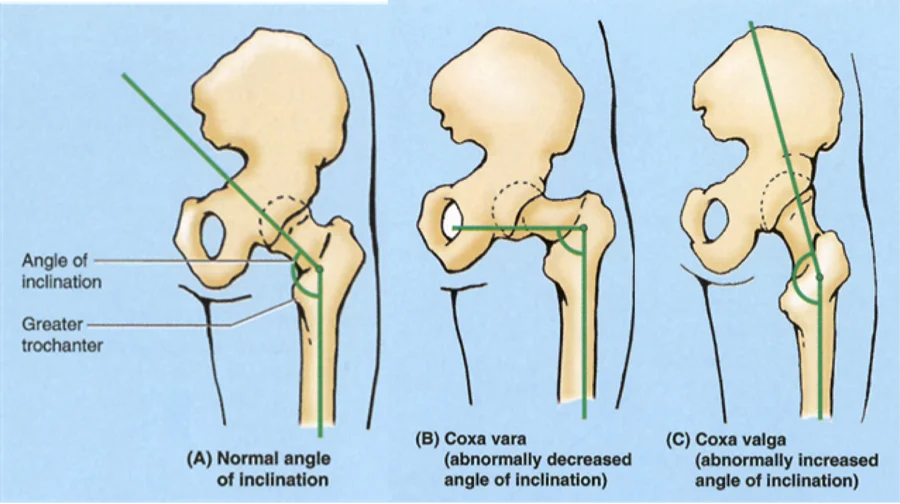
- Femoral Neck Angle: The angle of the femoral neck relative to the shaft of the bone can also differ from side to side. If the angles are different, forcing both feet to point straight ahead during a squat will result in one hip hitting "bone-on-bone" contact earlier than the other.
- The "Celtic Hip" vs. "Deep Socket": Research often cites ethnic and regional variations in bone structure. For example, individuals of certain Eastern European descents often possess deeper hip sockets, which naturally limit the depth of a symmetrical squat but provide greater stability for heavy lifting.
When these variances are ignored, the body compensates. If the hip cannot move further due to bony blockage, the movement must come from the lower back (lumbar spine), leading to the "butt wink" or disc herniation over time.
Professional Consensus and Industry Responses
The move toward accepting asymmetry has met with some resistance, often from those who use the "automotive analogy." This argument suggests that just as a car requires perfect alignment to prevent tire wear, a human requires perfect symmetry to prevent joint wear. However, experts like Dr. Ryan DeBell and Dr. John Rusin have countered this by highlighting the biological difference between a machine and an organism. While a Volvo is manufactured to precise, repeatable specifications by machines, the human body is a self-organizing biological entity that adapts to stress.
In a professional setting, the "optometrist approach" is becoming the new standard for coaching. Just as an eye doctor flips through different lenses to find the best fit for a patient, coaches are now encouraged to test various stances for their clients. This includes:
- Staggered Stances: Placing one foot slightly ahead of the other to accommodate pelvic rotation.
- Variable Foot Flaring: Allowing one foot to turn out more than the other to match the internal rotation of the hip.
- Asymmetrical Loading: Using weights on only one side (offset loading) to challenge the body’s ability to stabilize its natural asymmetries.
Dr. Stuart McGill’s "hip scour" test is a frequently cited tool in this new methodology. By moving a client’s hip through various ranges of motion while they are supine, a coach can identify the specific "track" the joint wants to follow, which rarely results in a perfectly mirrored setup for both legs.

Broader Impact and Implications for the Fitness Industry
The implications of moving away from the symmetry myth are profound for both the fitness industry and the general public. For the average gym-goer, this shift reduces the "shame" or "fear" associated with not looking like a textbook illustration. It validates the experience of many lifters who have found that a traditional squat feels "wrong" or painful despite being told their form is "perfect."
For the professional coaching industry, this evolution demands a higher level of education. Coaches can no longer rely on a static checklist of "correct" form. Instead, they must become proficient in basic orthopedic assessment and be willing to experiment with unconventional setups.
Key Implications Include:
- Injury Reduction: By honoring anatomical reality, lifters avoid the repetitive micro-trauma associated with forcing joints into unnatural positions.
- Performance Optimization: Athletes often find they can lift more weight and generate more power when they are allowed to stand in a way that aligns with their strongest bony support.
- Longevity: Training in a way that respects individual morphology allows for a longer "training life," reducing the likelihood of joint replacements or chronic pain in later years.
In conclusion, the pursuit of symmetry in the human body is increasingly viewed as a pursuit of a visual aesthetic rather than a functional necessity. While symmetry remains a goal in aesthetic disciplines like bodybuilding or ballet, it is often a hindrance in the realms of strength, power, and long-term health. The human body is "effed up" in a way that is highly functional and adaptive. Recognizing that "unicorns" of perfect symmetry do not exist allows the fitness community to move toward a more scientific, compassionate, and effective way of training the human form. As the industry continues to integrate findings from PRI, McGill, and others, the "asymmetrical stance" will likely move from a controversial "mic drop" moment to a foundational principle of human movement.

