

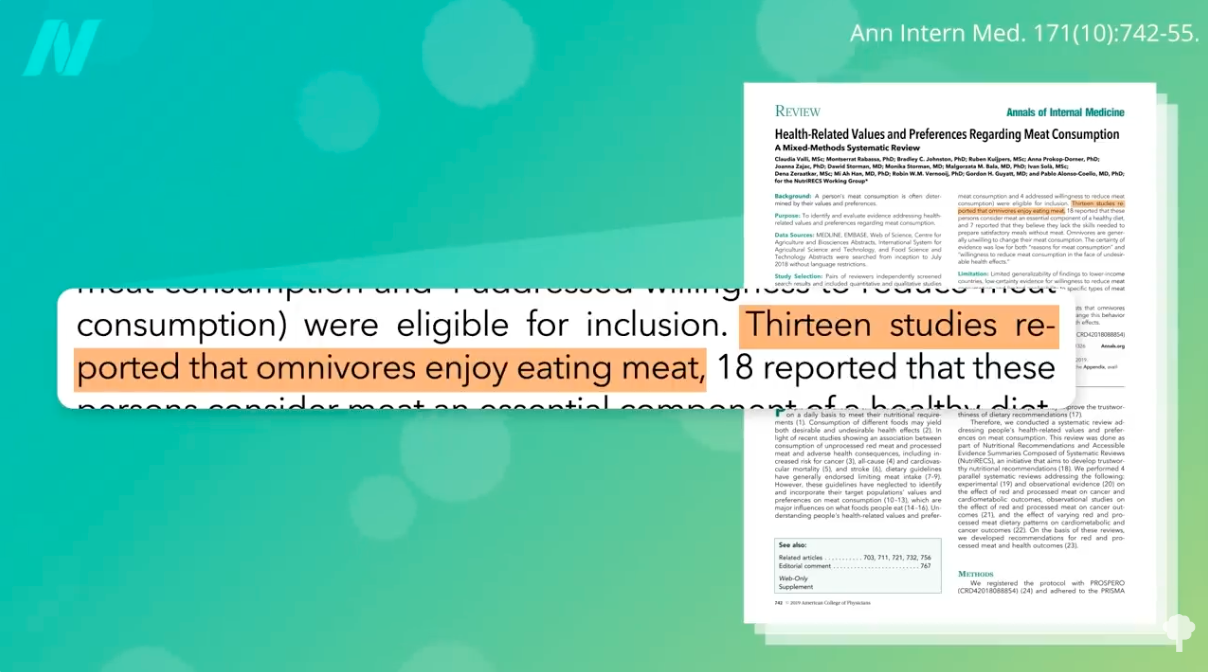
A controversial series of studies published in the esteemed Annals of Internal Medicine has ignited a firestorm within the public health community. These papers, which controversially discounted a vast amount of existing research by exclusively focusing on high-quality randomized controlled trials, have reached a conclusion that directly contradicts decades of established public health advice regarding meat consumption. The findings suggest that individuals should continue their current levels of red and processed meat intake, a stance that has been met with widespread criticism from nutritionists, public health advocates, and medical professionals.
The Controversial Methodology and its Findings
The core of the controversy lies in the methodology employed by the research panel. The authors utilized the GRADE (Grading of Recommendations Assessment, Development, and Evaluation) criteria, a system primarily designed for assessing evidence from drug trials. While rigorous randomized, double-blind, placebo-controlled trials are the gold standard for pharmaceutical research, applying such strict criteria to dietary and lifestyle factors has significant implications. Critics argue that the stringency of the GRADE system is inherently ill-suited for evaluating the complex and often observational evidence related to diet and chronic disease. This approach, according to many experts, inevitably leads to the downgrading of evidence for most dietary, lifestyle, and environmental factors impacting chronic illness to "low" or "very low" quality.
The implications of this methodology are far-reaching. If the GRADE criteria were applied consistently to other areas of public health advice, current recommendations on numerous fronts could be undermined. For instance, guidance on the benefits of low fruit and vegetable consumption, the risks of sugar-sweetened beverages, the impact of alcohol, physical inactivity, safe sex practices, adequate sleep, passive smoking, and air pollution would all face challenges in meeting the high-quality evidence threshold demanded by the GRADE system. This selective application of stringent criteria, critics contend, opens the door for biased interpretations and recommendations.
Despite the deliberate exclusion of a significant portion of the available evidence, the panel’s own meta-analyses still revealed a concerning association between meat intake and an increased risk of cancer. Furthermore, their findings indicated that diets lower in red or processed meat consumption could lead to a decrease in the risks of premature death, cardiometabolic diseases (such as heart disease and type 2 diabetes), and cancer mortality. However, in a move that has baffled many, the authors ultimately recommended that individuals "continue current unprocessed red meat consumption" and "continue current processed meat consumption." This conclusion, critics argue, effectively dismisses the identified health risks, including cancer, heart disease, and diabetes, in favor of maintaining existing dietary habits.
A Panel’s Background and Funding
The panel responsible for these controversial guidelines, known as NutriRECS (Nutrition Recommendation and Evidence Syntheses), has come under scrutiny for its funding and affiliations. Documents indicate that the panel received "generous support" from entities that are substantially funded by the meat industry. This financial backing has raised concerns about potential conflicts of interest and the objectivity of their recommendations. The panel’s stated aim is to produce nutritional guideline recommendations based on the "preferences of patients." However, critics question whether this focus on consumer preferences, particularly when potentially influenced by industry funding, can adequately serve the public’s best interest regarding long-term health.
This is not the first instance of NutriRECS engaging in controversial guideline development. The same panel previously published a paper criticizing sugar guidelines, which was reportedly funded by the sugar and candy industries. This pattern of involvement in industry-funded reviews of dietary guidelines further fuels skepticism about the independence and scientific integrity of their work.
The "Taste Cost" Argument and its Critics
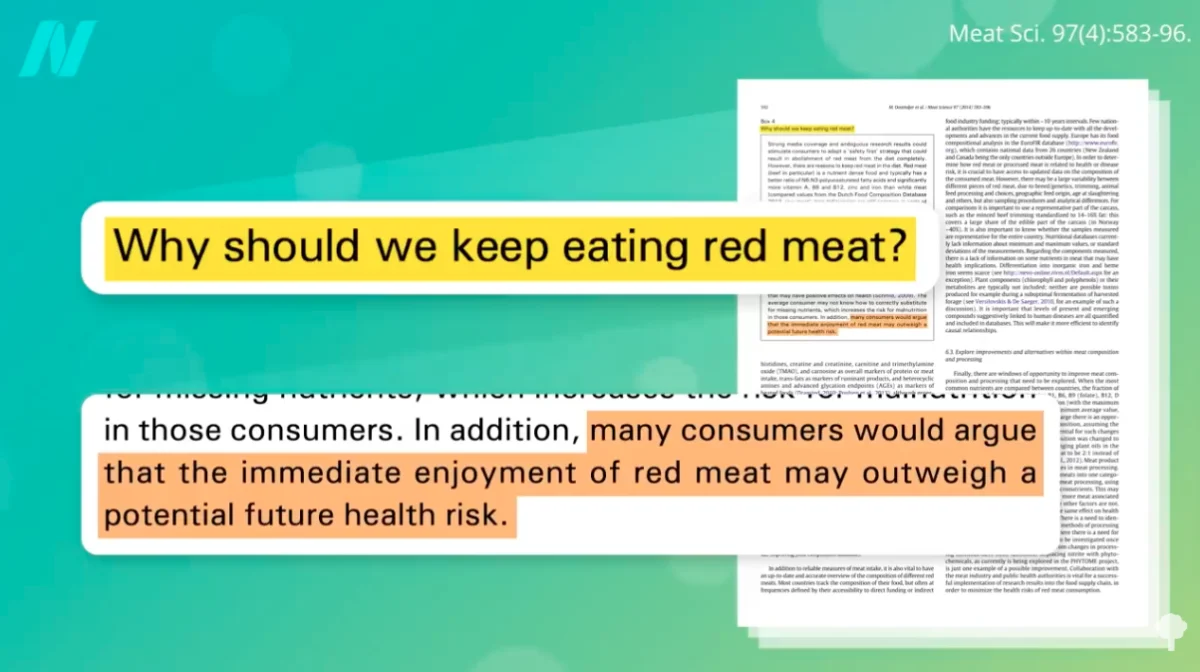
The panel’s justification for their recommendation to maintain current meat consumption levels hinges on a concept they term the "taste cost." They posit that while reducing meat intake can offer significant health benefits—including reductions in total mortality, heart disease mortality, cancer mortality, and type 2 diabetes risk—these benefits are often outweighed by the perceived loss of enjoyment derived from eating meat. Their systematic review of preferences regarding meat consumption found that individuals who eat meat "enjoy eating meat." This enjoyment factor, combined with the perceived unwillingness of many omnivores to change their dietary habits, even in the face of health risks, formed a significant part of their rationale.
The panel concluded that for the majority of people, the desirable effects of reducing meat consumption, such as lowering the risk of serious diseases, "probably do not outweigh the undesirable effects," namely the forfeiture of pleasurable eating experiences. This approach has drawn sharp criticism, with some comparing it to advocating for risky behaviors based on personal preference. For instance, the analogy has been drawn to smoking, drinking sugary sodas, or engaging in unsafe sex, all of which can provide immediate gratification but carry significant long-term health consequences.
Expert Reactions and Broader Implications
The Annals of Internal Medicine published these papers with a press release asserting, "No need to reduce red or processed meat consumption for good health." This statement has been widely condemned by health professionals. Dr. David Katz, director of Yale’s Prevention Research Center, articulated this sentiment forcefully, stating, "Guidelines opposing the very data on which they purport to be based are not science; they are anti-science." He further argued that applying the same methodology and rationale could lead to equally absurd recommendations, such as "No need to quit smoking for good health" or "No need to exercise for good health."
The implications of these controversial guidelines extend beyond dietary advice. They raise fundamental questions about the scientific process, the influence of industry funding on research and public health messaging, and the ethical considerations of balancing individual preferences with collective well-being. The publication of these studies in a respected medical journal like the Annals of Internal Medicine has lent them an air of authority, potentially misleading the public and undermining years of public health efforts to promote healthier eating habits.
The debate highlights the critical need for transparency in research funding and a rigorous adherence to scientific integrity when formulating public health recommendations. The public’s trust in scientific guidance is paramount, and studies that appear to prioritize consumer preferences or industry interests over established health risks risk eroding that trust. The long-term consequences of such erosion could be significant, potentially leading to increased rates of preventable chronic diseases and a decline in public health overall.
The Importance of Context in Risk Assessment
Understanding the nuances of risk assessment is crucial in this debate. While the panel focused on the absolute risk reduction, which might appear modest in some cases when viewed in isolation, it is essential to consider the relative risk and the absolute number of lives that could be saved. For example, a moderate reduction in red and processed meat consumption has been shown to decrease total mortality by 13%, heart disease mortality by 14%, cancer mortality by 11%, and type 2 diabetes risk by 24%. These figures, when aggregated across large populations, represent a substantial public health impact.
The concept of "relative risk" versus "absolute risk" is often a point of confusion. For instance, while the absolute risk of developing certain cancers from processed meat consumption might be relatively low on an individual basis, the relative risk increase can be significant, especially when considering long-term exposure. A detailed explanation of relative risk numbers, as provided in resources like the video "How Much Cancer Does Processed Meat Cause?" on NutritionFacts.org, can help clarify these complex statistical concepts for the public.
A Pattern of Industry Influence
This controversy is not an isolated incident but rather part of a broader pattern where industries seek to influence dietary and health guidelines. The panel’s involvement in criticizing sugar guidelines, funded by the sugar industry, and their current work on meat, supported by the meat industry, suggests a concerted effort to shape nutritional advice in favor of specific commercial interests. This practice raises serious ethical questions about the independence of scientific advisory bodies and the potential for conflicts of interest to compromise public health.
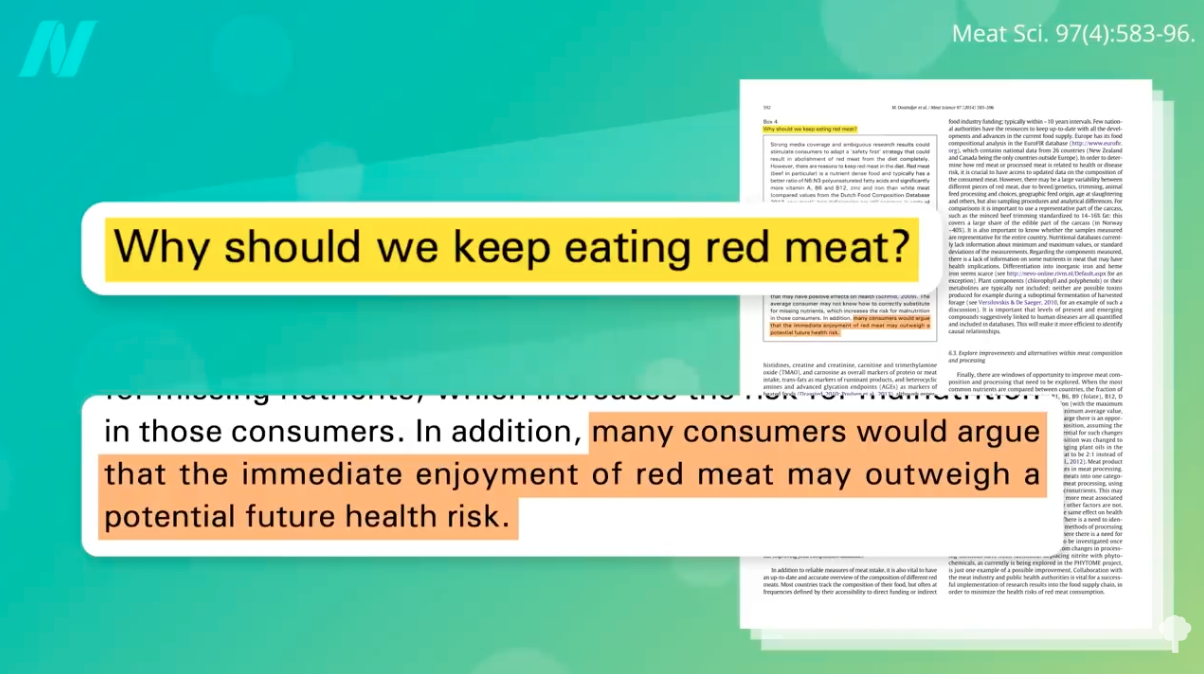
The argument that recommendations should be "socially desirable" and "most compatible with consumer preferences" is a dangerous precedent. It suggests that if a behavior, even one known to be unhealthy, is popular or provides immediate pleasure, it should be condoned or even recommended. This logic could be applied to a wide range of unhealthy behaviors, from excessive alcohol consumption to sedentary lifestyles, undermining the very purpose of public health guidance, which is to promote well-being and prevent disease.
The Path Forward: Reaffirming Scientific Integrity
The recent publications in the Annals of Internal Medicine serve as a stark reminder of the ongoing challenges in navigating the complex interplay between scientific evidence, public health, and industry influence. The scientific community, policymakers, and the public must remain vigilant in scrutinizing research, especially when potential conflicts of interest are present.
Moving forward, it is imperative to:
- Prioritize Transparency: All research funding sources must be clearly disclosed, and potential conflicts of interest rigorously managed.
- Employ Appropriate Methodologies: The criteria used to evaluate scientific evidence should be robust, context-appropriate, and consistently applied across all areas of public health.
- Uphold Scientific Integrity: Guidelines should be based on the totality of the scientific evidence, not on subjective interpretations of risk tolerance or consumer preferences that may be influenced by commercial interests.
- Educate the Public: Clear and accurate communication about health risks and benefits is essential to empower individuals to make informed decisions about their well-being.
The debate initiated by these studies underscores the vital role of independent scientific inquiry in safeguarding public health. The science regarding the health impacts of meat consumption, when assessed objectively and comprehensively, points towards a need for moderation, not unchecked consumption. The public deserves guidance that is grounded in robust science, free from undue influence, and ultimately aimed at promoting long-term health and longevity. The notion that immediate gratification should consistently outweigh significant, scientifically established health risks is a dangerous fallacy that cannot be allowed to dictate public health policy.

