

By the time individuals reach the age of 50, a significant portion of the population, encompassing both men and women, will experience hair loss. This common phenomenon is not attributable to frequent hair washing or excessive brushing, contrary to persistent myths. Scientific research has firmly established that the primary driver of age-related hair loss in both sexes is genetic predisposition. Studies involving twins have provided compelling evidence, revealing that the heritability of baldness in men is approximately 79%, indicating that around 80% of the variations in hair loss observed among men are genetically determined. However, this genetic component does not fully account for all instances of hair thinning, leaving room for other influencing factors.
Even among identical twins, who share the same DNA, disparities in hair loss can emerge. This divergence can be attributed to a multitude of lifestyle and environmental factors. For instance, one identical twin sister might experience more significant hair loss than her genetic counterpart due to heightened stress levels, increased smoking habits, having a larger number of children, or a personal or family history of high blood pressure or cancer. These external influences can interact with genetic predispositions, leading to differential outcomes in hair density and retention.
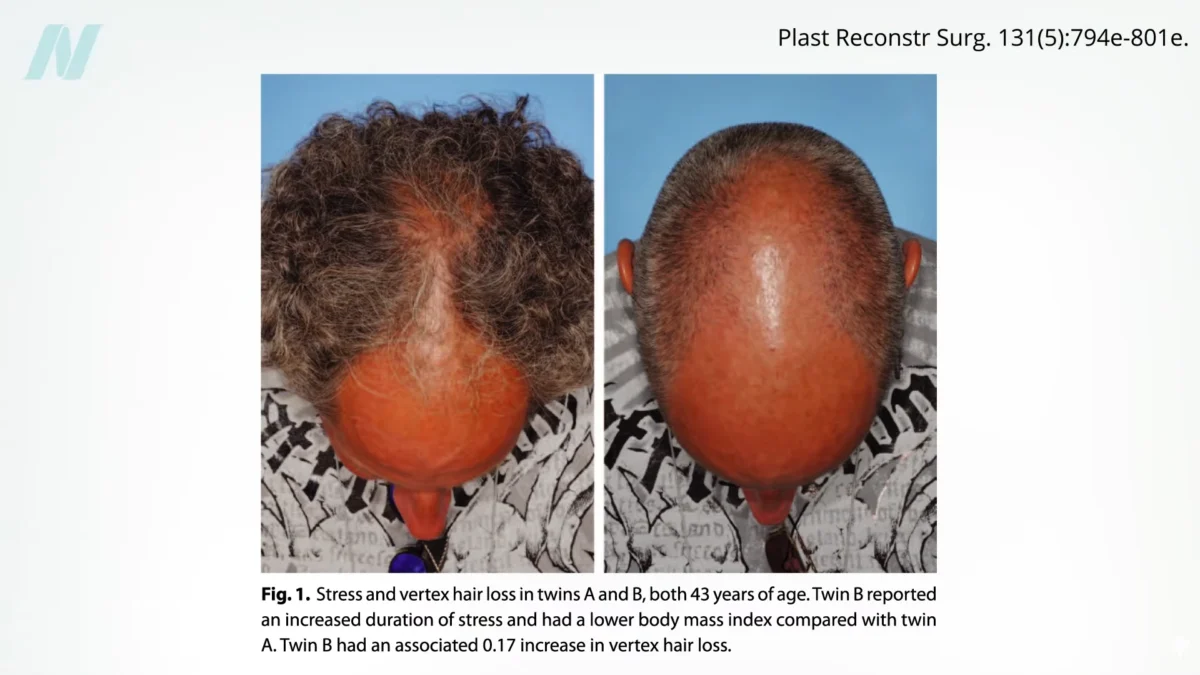
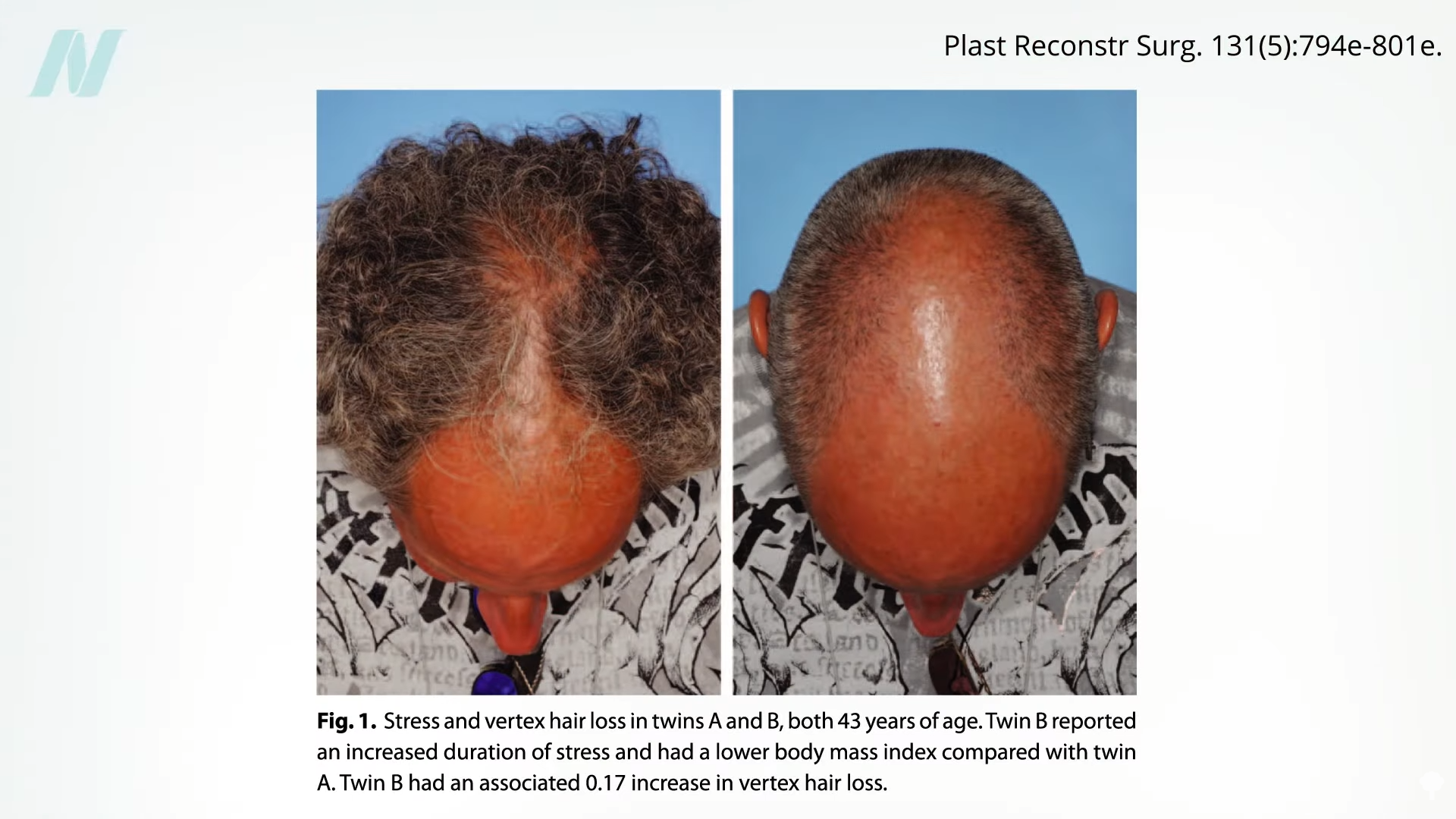
Visual evidence from twin studies underscores this point. In one documented case, identical twin brothers, despite possessing identical genetic material, exhibited noticeable differences in hair loss. The twin on the right reported experiencing a higher degree of stress in his life, which researchers posit may have contributed to his more pronounced hair thinning compared to his brother. Similarly, in another pair of identical twins, the twin on the right, who was identified as a smoker and consumed more alcohol, displayed greater hair loss than his sibling.
The detrimental effects of smoking on hair health are well-documented. Cigarette smoke contains genotoxic compounds that can directly damage the DNA within hair follicles. Furthermore, these toxic substances can lead to microvascular poisoning at the base of the hair follicle, impairing its ability to support healthy hair growth. This dual mechanism makes smoking a significant contributor to the development of both male and female pattern baldness.
Beyond smoking, other environmental toxins have been linked to hair loss. Mercury, for instance, has been found to concentrate in growing scalp hair at levels approximately 250 times higher than in other tissues. Historically, mercury poisoning was even suspected as a cause of hair loss in prominent figures. While mercury is no longer administered as a medical treatment, modern exposure primarily occurs through the consumption of contaminated seafood.
For women of reproductive age, hair loss is often associated with hormonal changes, particularly around menopause. In some cases, medical evaluations for early menopause have revealed hair loss accompanied by elevated mercury levels. A striking example involved a 43-year-old woman who presented with hair loss and high mercury levels, traced back to a diet rich in tuna. Upon discontinuing tuna consumption, her mercury levels decreased, and her hair began to regrow, achieving complete restoration within seven months. This case highlights the importance of considering mercury toxicity as a potential treatable cause of hair loss and the role of dietary habits in heavy metal exposure. Clinicians are advised to screen for mercury toxicity in patients experiencing unexplained hair loss and to advise dietary modifications, such as reducing fish intake, as a therapeutic measure.
The question of whether nutrient deficiencies can directly cause hair loss warrants careful examination. While hair loss is a recognized symptom following bariatric surgery, this is largely due to the induced malabsorption of nutrients. In the general population, there is limited scientific evidence to suggest that vitamin and mineral supplementation offers significant benefits unless an individual has a diagnosed deficiency.
For instance, scurvy, a severe deficiency in Vitamin C, has been known for centuries to cause hair loss. However, beyond a certain baseline level of Vitamin C sufficiency, there is no demonstrable correlation between Vitamin C levels and hair loss. This suggests that once the body has adequate Vitamin C to prevent overt symptoms like bleeding gums, additional supplementation does not confer further benefits for hair growth.
Similarly, the notion that zinc supplements can enhance hair growth is largely a myth, unless an underlying zinc deficiency exists. Such deficiencies can occur in individuals with alcohol abuse issues, but for those with normal blood zinc levels, supplementation is unlikely to yield positive results and may even lead to adverse effects. The same cautionary principle applies to iron supplements; they are beneficial only in cases of iron deficiency anemia.
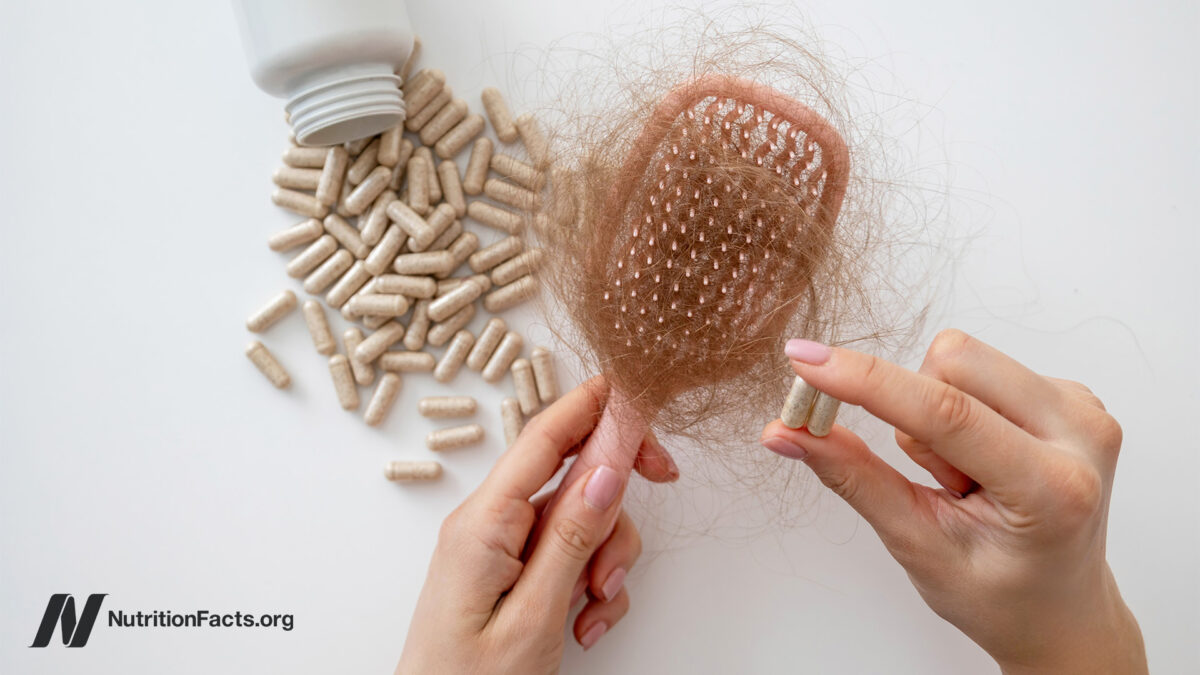
Biotin, also known as Vitamin B7, is a ubiquitous ingredient in many popular hair loss products. While it is true that a severe biotin deficiency can lead to hair loss, there is a lack of robust, evidence-based data to support the claim that biotin supplementation promotes hair growth in individuals who are not deficient. Severe biotin deficiency is exceptionally rare in healthy individuals consuming a balanced diet. The primary documented cause of deficiency involves the consumption of raw egg whites, which contain avidin, a compound that binds to biotin and inhibits its absorption. However, outside of these rare deficiency syndromes, the widespread belief that biotin supplements stimulate hair growth is largely unfounded.
The prevailing "can’t hurt, might help" attitude towards supplement use for hair health is problematic for several critical reasons. Firstly, the dietary supplement industry operates with limited regulatory oversight. This lack of stringent regulation can lead to products containing inaccurate or harmful levels of ingredients. In the case of biotin, for example, many supplements marketed for hair health have been found to contain levels up to 650 times the recommended daily intake.
The consequences of such excessive biotin intake can be severe and potentially life-threatening. High levels of biotin in the blood can interfere with a wide range of laboratory tests, including crucial diagnostic assays for thyroid function, hormone levels (including pregnancy tests), and tests used to detect heart attacks. This interference can lead to misdiagnosis and delayed or incorrect medical treatment.
Furthermore, the supplement industry has a history of "shenanigans" and errors that have resulted in significant public health issues. One notable incident involved an outbreak of selenium toxicity affecting hundreds of individuals. An error in manufacturing led to a supplement containing 200 times the labeled dose of selenium, resulting in severe health consequences, including hair loss. Similar incidents have occurred with excessive intake of Vitamin A, underscoring the risks associated with unregulated supplement manufacturing.
Implications for Consumers and Public Health
The widespread marketing of supplements for hair growth, often with unsubstantiated claims, creates a significant public health challenge. Consumers are frequently misled into spending money on products that are unlikely to provide the advertised benefits and may, in some cases, pose considerable health risks. The lack of transparency and rigorous scientific backing for many supplement claims necessitates a more informed approach from consumers.
Expert Commentary and Future Research
Medical professionals and researchers emphasize the need for evidence-based approaches to hair loss management. While genetic factors play a dominant role, identifying and addressing modifiable risk factors such as stress, smoking, alcohol consumption, and environmental toxin exposure remains crucial. Further research is needed to elucidate the complex interplay between genetics, lifestyle, and the microbiome in the context of hair health.
Recommendations for Consumers
Individuals experiencing hair loss are advised to consult with a qualified healthcare professional for an accurate diagnosis and personalized treatment plan. Relying on scientific evidence rather than anecdotal claims or marketing hype is paramount. Before considering any supplements, a thorough discussion with a doctor or registered dietitian is recommended to assess individual needs and potential risks.
This article is the first in a three-part series exploring the multifaceted issue of hair loss and growth. Subsequent installments will delve into the benefits and risks associated with hair loss drugs and explore dietary strategies that can promote hair health.
For those concerned about mercury exposure, resources are available to guide dietary choices aimed at reducing heavy metal levels. Additionally, further information regarding the often-unregulated nature of the supplement industry can be found through related posts and investigations. Understanding the science behind hair loss and the limitations of current supplement offerings is the first step toward effective management and overall well-being.

