

A recent analysis of scientific literature, commissioned and published by a panel with significant ties to the meat industry, has concluded that meat consumption is associated with increased risks of cancer, heart disease, diabetes, and premature death. Despite these findings, the panel’s recommendations, published in the Annals of Internal Medicine, controversially suggest that individuals should continue their current levels of red and processed meat consumption. This stance directly contradicts decades of public health advice and has sparked considerable debate among health professionals and researchers.
The Genesis of the Controversial Guidelines
The series of papers, published in October 2019, aimed to re-evaluate existing nutritional guidelines concerning red and processed meat. The panel, known as NutriRECS (Nutrition and Healthy Eating Science), adopted a stringent methodology, largely discounting evidence from observational studies and focusing almost exclusively on high-quality randomized controlled trials (RCTs). This approach, while intended to enhance scientific rigor, has been criticized for its limitations when applied to dietary research.
The GRADE (Grading of Recommendations Assessment, Development, and Evaluation) criteria, typically used for evaluating evidence in drug trials, were employed by the NutriRECS panel. These criteria emphasize the need for randomized, double-blind, placebo-controlled trials, which are often impractical or unethical to conduct for dietary interventions. Critics argue that by applying such strict criteria to nutritional science, the panel systematically downgraded the quality of evidence for a wide range of dietary, lifestyle, and environmental factors linked to chronic diseases.
Dr. Neal Barnard, founder of the Physicians Committee for Responsible Medicine, highlighted this issue, stating, "If the GRADE criteria were used to evaluate the evidence for other factors related to diet (such as low consumption of fruits and vegetables and high consumption of sugar-sweetened beverages), lifestyle (such as alcohol, physical inactivity, safe sex, and inadequate sleep), and environment (such as passive smoking and air pollution), none of the current recommendations on these issues would be supported by high- or even moderate-quality evidence."

Ignoring Evidence While Acknowledging Risk
Even when adhering to their selective evidence base, the NutriRECS panel could not entirely dismiss the health risks associated with meat consumption. Their own meta-analyses identified a link between meat intake and an increased risk of cancer. Furthermore, the panel acknowledged that diets lower in red or processed meat consumption may decrease risks for premature death, cardiometabolic diseases (such as heart disease and type 2 diabetes), and cancer mortality.
However, in a move that baffled many public health advocates, the panel’s ultimate dietary guideline recommendations were to "continue current unprocessed red meat consumption" and "continue current processed meat consumption." This conclusion appears to deliberately sideline the identified health risks, seemingly prioritizing perceived consumer preferences over established health warnings. The implicit message, as one commentator noted, was "Forget the whole premature death thing and everything about cancer, heart disease, diabetes—just keep eating your burgers and bacon."
Questioning the Panel’s Independence and Methodology
The composition and funding of the NutriRECS panel have come under intense scrutiny. The panel was described as a "self-appointed panel" with "generous support" from organizations that receive substantial funding from the meat industry. This raises concerns about potential conflicts of interest influencing the interpretation of evidence and the formulation of recommendations.
This is not the first time NutriRECS has been associated with controversial guidelines. The panel was also responsible for a 2016 paper published in the Annals of Internal Medicine that criticized existing guidelines recommending reduced sugar intake. That paper, too, was criticized for its methodology and for downplaying the health risks of sugar, while being funded by the soda and candy industries.
The panel’s stated aim is to produce nutritional guidelines based on "the preferences of patients." This approach, critics argue, prioritizes immediate gratification and established habits over long-term health outcomes. The analogy has been drawn to suggesting that because some people enjoy smoking, drinking sugary sodas, or engaging in unsafe sex, public health advice should accommodate these preferences, even when they carry known risks.
The "Taste Cost" Argument
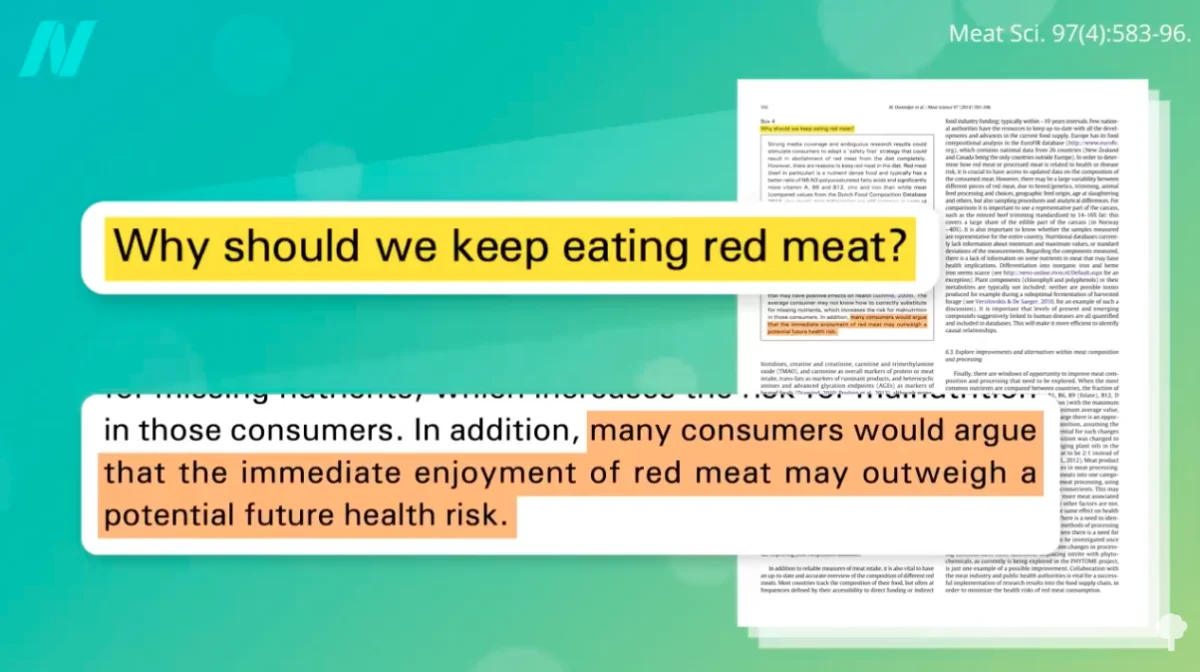
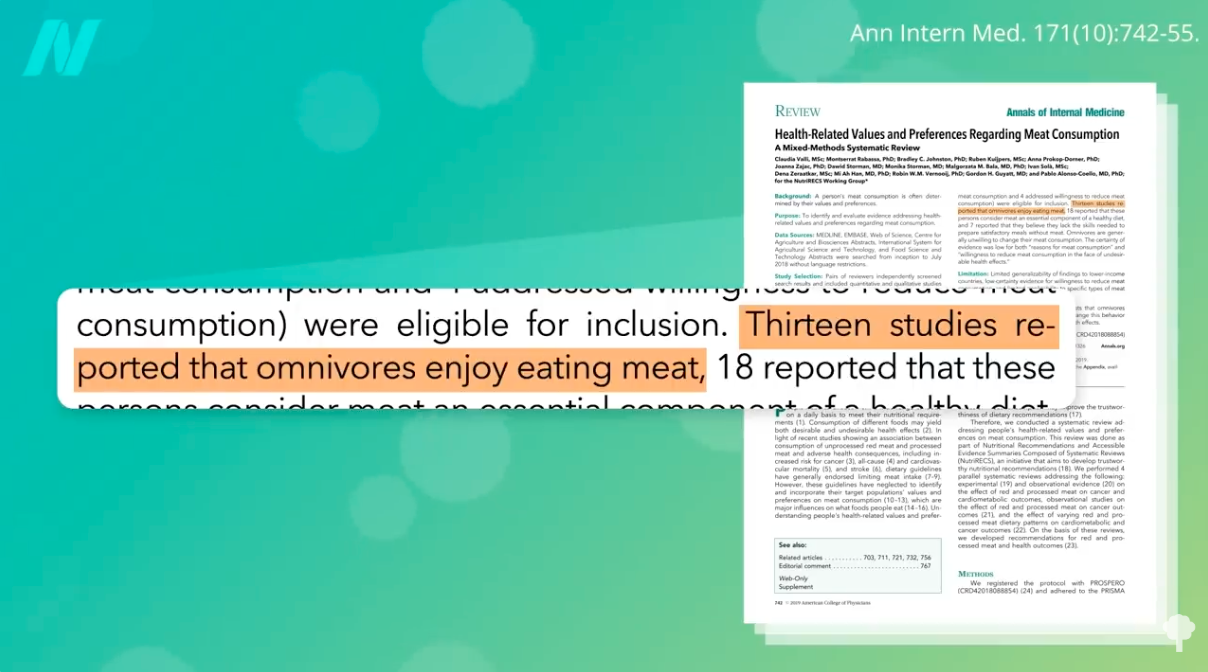
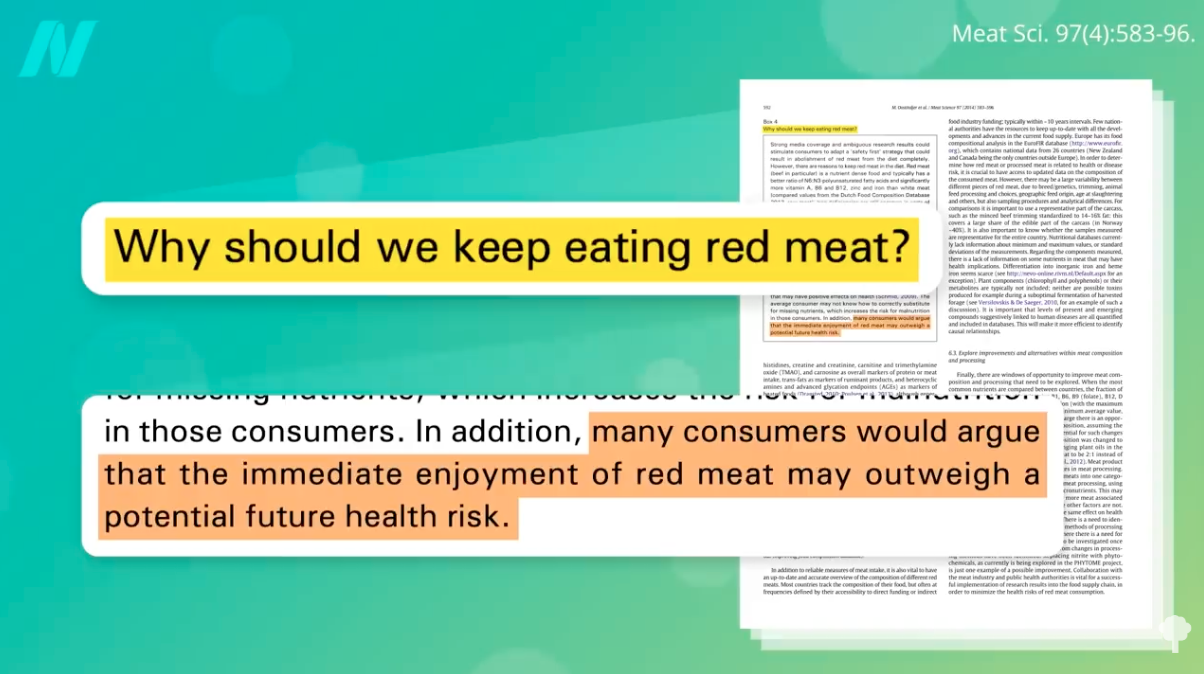
The NutriRECS panel justified their recommendations by introducing the concept of "taste cost." They argued that complying with dietary recommendations often imposes a "taste cost" on consumers, implying that health benefits must be weighed against the perceived enjoyment of certain foods. In their view, the reduction in risks associated with moderating meat consumption—such as lowering the risk of cancer and heart attacks—"probably do not outweigh the undesirable effects," such as having to give up enjoyable meat-based meals.
This perspective suggests a departure from traditional public health approaches that emphasize risk reduction for serious diseases. Instead, it introduces a consumer-centric model where personal preference and immediate satisfaction are given significant weight in public health messaging.
"Complying with dietary recommendations therefore imposes a ‘taste cost’ on consumers," the panel stated, advocating for "socially desirable recommendations that are most compatible with consumer preferences (i.e., that best balance health benefits against ‘taste cost’)." This logic, critics contend, could be used to justify almost any unhealthy behavior, arguing that if a person derives enjoyment from it, the "taste cost" of abstaining might outweigh the health benefits.
Expert Reactions and Broader Implications
The publication of the NutriRECS guidelines triggered a strong backlash from numerous health organizations and independent researchers. Many expressed concern that the Annals of Internal Medicine‘s decision to publish the papers, accompanied by a press release stating, "No need to reduce red or processed meat consumption for good health," could mislead the public and undermine years of established health advice.
Dr. David Katz, director of Yale’s Prevention Research Center, sharply criticized the panel’s conclusions, stating, "Guidelines opposing the very data on which they purport to be based are not science; they are anti-science." He drew a parallel between the meat recommendations and potentially advising against helmets for motorcyclists or exercise for good health, simply because some individuals may prefer not to adopt these safety measures.
The controversy highlights a broader challenge in nutritional science: the difficulty of conducting definitive, long-term studies and the potential for industry influence on research and policy. While observational studies have consistently shown associations between high meat consumption and increased risk of chronic diseases, the reliance on RCTs, as favored by the NutriRECS panel, can exclude a significant body of evidence.
The Importance of Relative Risk Understanding
Understanding the implications of these findings requires an appreciation of relative risk. For instance, studies have indicated that reducing red and processed meat consumption can lead to a significant reduction in total mortality, heart disease mortality, cancer mortality, and type 2 diabetes risk. While the NutriRECS panel acknowledges these potential reductions, they ultimately deem them insufficient to warrant a change in current consumption patterns for the majority of the population, based on their interpretation of consumer preferences.
The debate over meat consumption guidelines is part of a larger, ongoing discussion about how to balance scientific evidence with public behavior and consumer preferences. As this series of reports explores, the influence of industries on dietary and health guidelines is a critical factor that warrants careful consideration. The implications of the NutriRECS findings extend beyond dietary advice, raising questions about the integrity of scientific consensus and the role of industry funding in shaping public health narratives. The long-term impact of these recommendations on public health remains to be seen, but the controversy underscores the need for transparent, independent research and clear, evidence-based public health messaging.

