

A critical window of opportunity exists where sufficient physical activity can significantly mitigate the immediate detrimental effects of consuming an unhealthy meal. This insight stems from recent research highlighting the profound, albeit temporary, impact that single, high-fat meals can have on cardiovascular function. Previously, studies have demonstrated that a single meal rich in saturated fat can impair arterial function in men, with measurable effects observed in peripheral arteries. However, a more pressing concern lies in the impact on blood flow specifically to the heart muscle itself.
Unveiling the Immediate Cardiovascular Consequences of Fatty Meals
Researchers have conducted controlled studies to investigate these effects. In one notable experiment, male participants were randomly assigned to consume either a high-fat meal, characterized by over 60% fat content (half of which was saturated) and a cholesterol level equivalent to more than one egg, or a low-fat meal. The low-fat alternative was primarily carbohydrate-based, containing less than 10% fat and a significantly lower cholesterol content, approximately 50 times less than the high-fat option.
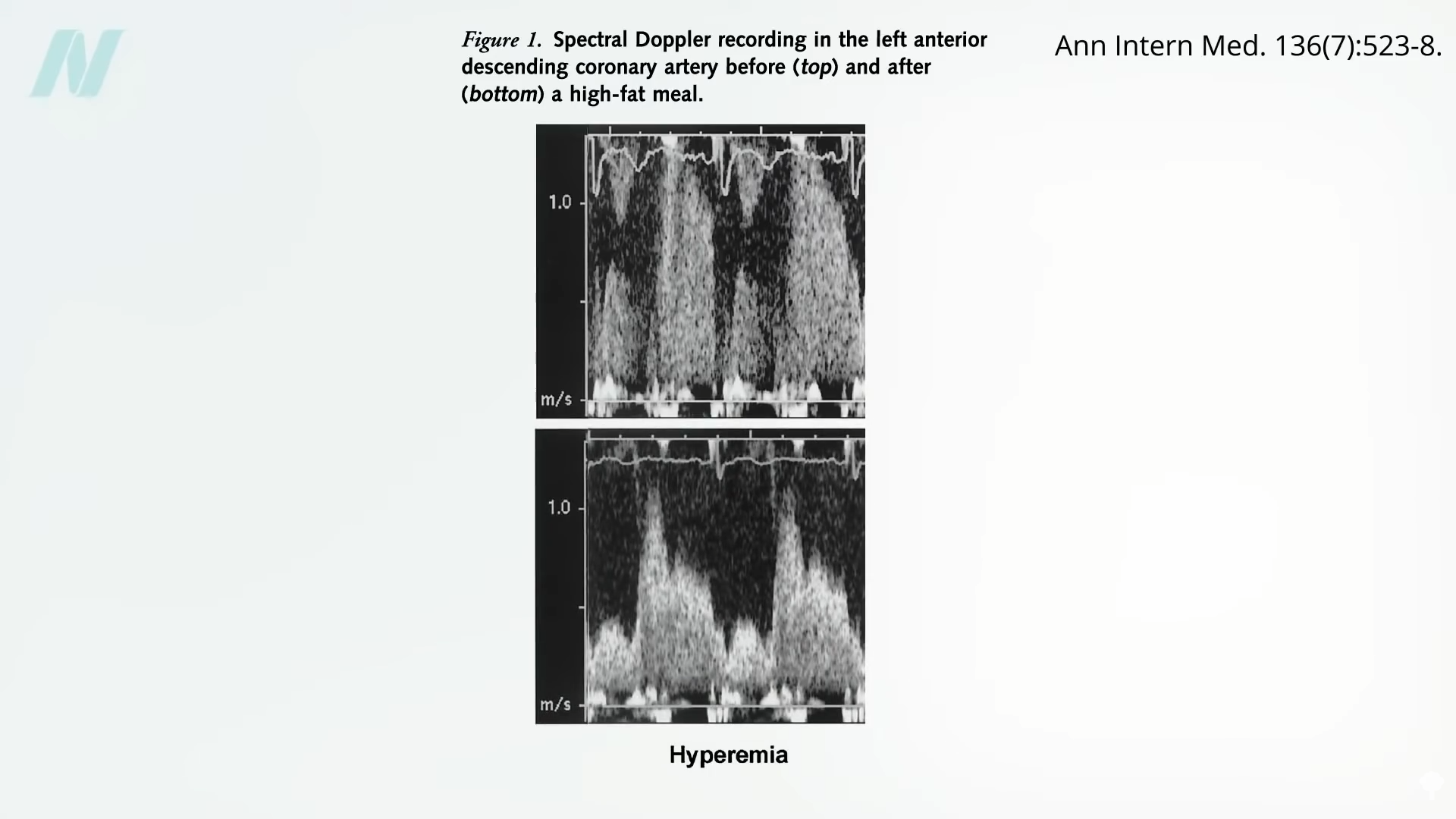
The consequences of this dietary intervention were visualized through Doppler imaging of the left anterior descending coronary artery, a critical vessel often referred to as the "widow-maker" due to its significance in heart attacks. Before the high-fat meal, the Doppler recording showed a robust and strong signal, indicative of healthy blood flow. However, within hours of consuming the high-fat meal, this signal dramatically diminished, squeezed down significantly. An image taken just five hours after the high-fat meal clearly illustrates this constriction, showing a markedly reduced blood flow. This observation is crucial because it demonstrates a tangible, immediate impairment in the heart’s ability to receive adequate blood supply.
This phenomenon is directly linked to a reduction in coronary flow reserve. Coronary flow reserve refers to the capacity of the coronary arteries to dilate and increase blood flow in response to increased demand, such as during physical exertion or in situations where a portion of a coronary artery might be narrowed. It represents the heart’s ability to compensate for potential blockages or increased metabolic needs. The research indicates that this vital reserve capacity is significantly clamped down within hours of consuming a fatty meal. This compromises the heart’s inherent ability to adjust blood flow, thereby undermining its resilience against existing arterial conditions and increasing the risk of cardiac events.
Visualizing the Impact: Beyond the Coronary Arteries
The detrimental effects of high-fat meals are not confined to the coronary arteries; they can manifest in other parts of the circulatory system as well. In extreme cases, the impact on blood viscosity and flow can be observed even in the delicate vasculature of the retina, the light-sensitive tissue at the back of the eye.

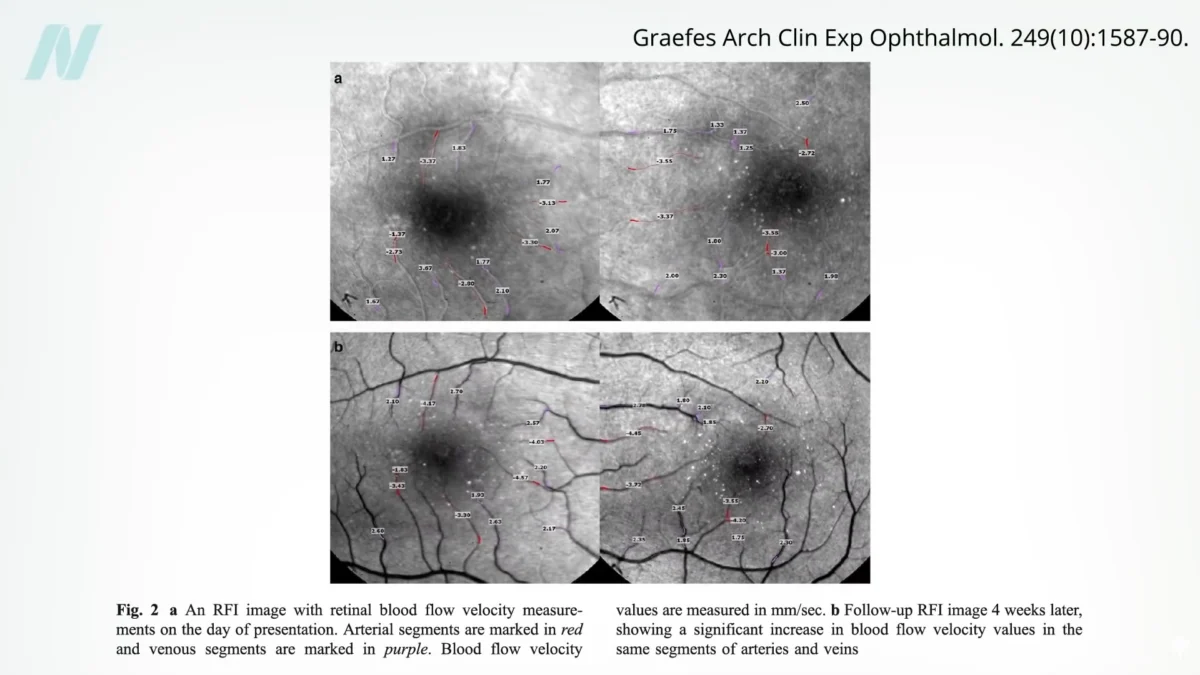
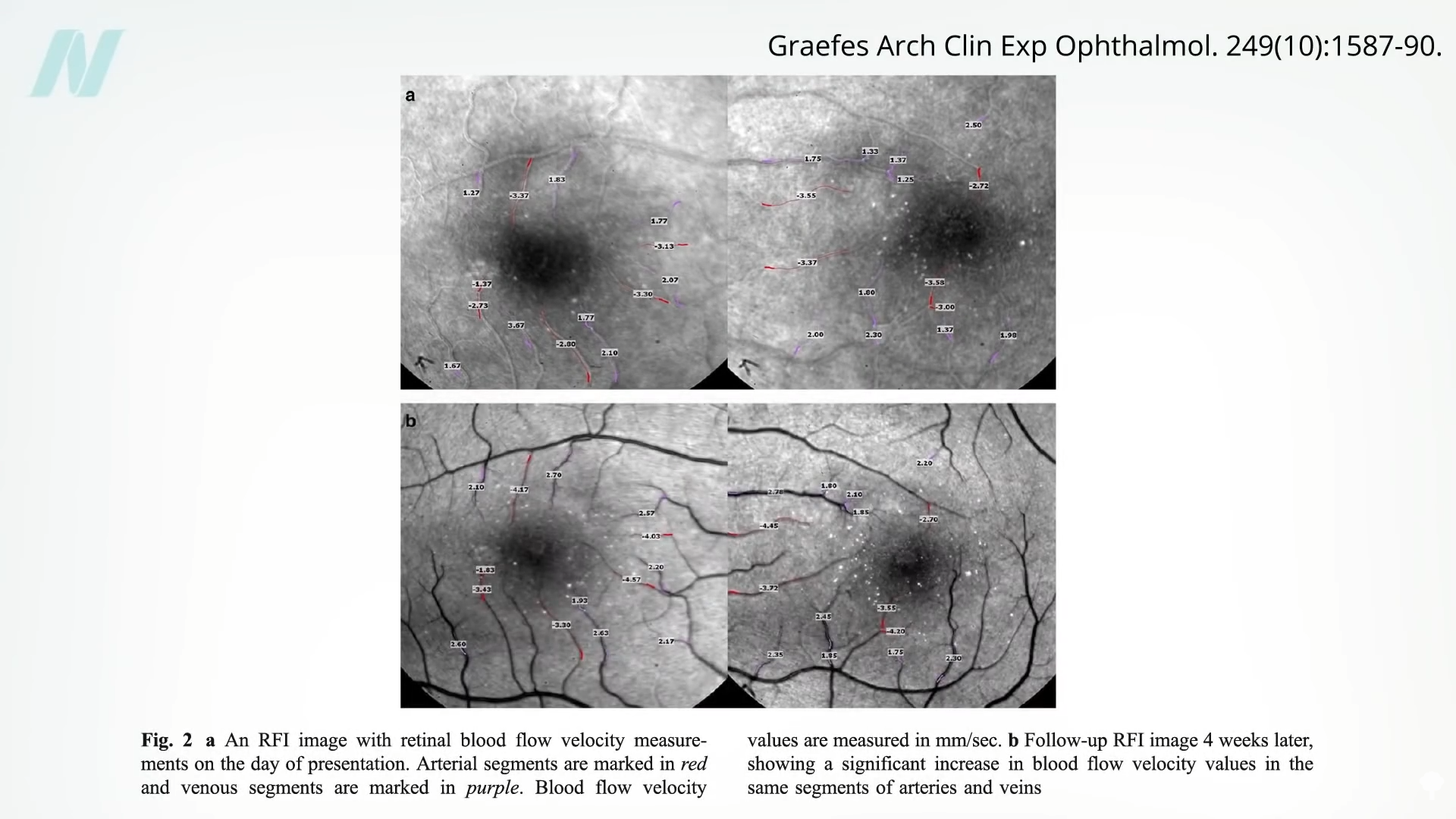
Before and after images of a retina provide a striking visual representation of this phenomenon. In the "before" state, following a high-fat meal, the blood vessels in the retina appear milky and opaque. This visual alteration is due to the increased concentration of lipids (fats) circulating in the bloodstream, making the blood resemble a thick, opaque fluid, akin to a milkshake. In contrast, after a low-fat meal, combined with the intervention of dietary adjustments and potentially medication to clear the bloodstream of excess fats, the retinal blood vessels return to a clearer, more defined appearance. The stark difference between these images underscores the systemic impact of dietary fat on blood composition and vascular clarity.
The Protective Role of Exercise: A Timely Intervention
While the immediate effects of a high-fat meal can be concerning, emerging research suggests that strategic physical activity can act as a powerful countermeasure. The post-meal inflammatory response, coupled with the prolonged elevation of fat in the bloodstream following such meals, is considered a significant contributor to increased cardiovascular disease risk. However, substantial evidence now indicates that acute exercise, performed in a timely manner, can be an effective strategy for clearing some of this excess fat from the bloodstream.
It is crucial to note that the beneficial effects of acute exercise on postprandial lipemia (the state of elevated fats in the blood after a meal) appear to be relatively short-lived. This implies that a consistent exercise regimen is paramount. Infrequent or sporadic exercise, even by individuals who are otherwise fit, may completely negate any protective benefits derived from post-meal activity.
The critical window for this exercise intervention appears to be quite specific: approximately 18 hours before the meal and within about 90 minutes after the meal. To achieve a meaningful benefit, researchers suggest that around an hour of moderate-intensity exercise is typically required.
Breaking Down Sedentary Habits: The Power of Hourly Movement
Further research has explored the impact of more frequent, shorter bursts of physical activity. A study investigating the effects of a typical fast-food breakfast – comprising hash browns, eggs, pancakes, sausage, and a milkshake – found compelling results. In this scenario, participants who consumed this high-fat, high-cholesterol meal and then remained sedentary experienced a significant decrease in arterial function.
However, when the same participants engaged in 20-minute sessions of stair climbing, broken down into five-minute intervals every hour for four hours following the meal, the negative impact on artery function was significantly attenuated. This suggests that incorporating hourly physical activity, such as stair climbing, can effectively counteract the detrimental effects not only of prolonged sitting but also of consuming high-fat meals. The study’s authors propose that stair climbing should be considered an accessible lifestyle strategy for protecting vascular function.
This research emphasizes that even small, consistent efforts to move can make a difference. The implications are far-reaching, suggesting that incorporating short bouts of activity throughout the day can be a vital component of a heart-healthy lifestyle.
The Silent Threat of Sodium: An Independent Risk Factor
Beyond dietary fat, the impact of high sodium intake on arterial health is another critical area of concern. A typical fast-food breakfast, as mentioned earlier, can contain upwards of 2,000 mg of sodium, exceeding the American Heart Association’s recommended daily limit of 1,500 mg for overall health.
The detrimental effects of sodium on artery function are evident even independently of blood pressure increases. Studies have shown that consuming a meal with reduced salt content, even by one-third, can still impair arterial function within an hour of consumption. This impairment occurs irrespective of whether an individual’s blood pressure is significantly affected by salt intake.
Salt Sensitivity and Arterial Function: A Broader Concern
The concept of "salt sensitivity" refers to individuals whose blood pressure experiences a substantial rise in response to sodium intake, while "salt-resistant" individuals show less variation. However, this distinction does not negate the broader impact of sodium on arterial health.
Research indicates that high dietary sodium intake negatively affects artery function regardless of an individual’s salt sensitivity or resistance. Transitioning from a low-salt to a high-salt diet consistently impairs vascular function, a phenomenon visually represented in studies that track changes in artery function over time. The evidence strongly suggests that sodium’s detrimental influence extends beyond its effect on blood pressure, impacting the fundamental elasticity and responsiveness of blood vessels.
The Ongoing Debate on Sodium: Scientific Consensus vs. Industry Influence
Despite a seemingly unanimous scientific consensus on the negative health impacts of excessive sodium intake, a minority of researchers, sometimes reportedly funded by the salt industry, have challenged this view. These dissenting voices have suggested that reducing salt intake may not be beneficial. However, the overwhelming body of scientific evidence stands in opposition to these claims.
Similar to the established understanding of saturated fat in unhealthy foods, the scientific community increasingly points to sodium itself as a primary culprit in cardiovascular disease. The focus is shifting towards acknowledging sodium’s direct role as a "villain" in impairing vascular health, rather than solely attributing problems to the absence of sodium reduction.
Broader Implications and Future Directions
The findings from these studies carry significant implications for public health recommendations and individual dietary choices. They underscore the immediate and profound impact that seemingly innocuous dietary choices can have on our cardiovascular system. The research provides a scientific basis for emphasizing the importance of both diet and exercise in maintaining arterial health.
- Dietary Guidelines: The evidence strongly supports the need for stricter guidelines and public awareness campaigns regarding the consumption of high-fat and high-sodium foods, particularly those commonly found in fast-food establishments.
- Exercise Integration: The research highlights the critical role of exercise, not just as a long-term health strategy but as an immediate intervention to mitigate the negative effects of unhealthy eating. This could lead to a greater emphasis on integrating physical activity breaks throughout the day, especially in sedentary work environments.
- Public Health Messaging: Clearer and more accessible public health messages are needed to educate individuals about the immediate risks associated with specific food choices and the protective benefits of timely exercise.
- Industry Accountability: The findings may also prompt further scrutiny of the food industry’s role in promoting diets high in saturated fat and sodium, and the potential influence of industry funding on research outcomes.
The ongoing research series on saturated fat and artery health, of which this article is a part, aims to provide a comprehensive understanding of these complex interactions. By illuminating the immediate physiological responses to dietary choices and the mitigating power of physical activity, this work contributes to a growing body of evidence that empowers individuals to make informed decisions for their long-term well-being.
Doctor’s Note: This article is the second in a three-part series examining the intricate relationship between saturated fat and arterial health. The preceding installment, "How a Single Meal Can Cripple Your Arteries and Lungs," delved into the initial impacts, while the upcoming piece, "Protect Your Arteries from Saturated Fat with These Foods," will explore dietary strategies for bolstering cardiovascular resilience. For those seeking further clarity on the evidence linking salt consumption to elevated blood pressure, a dedicated resource, "The Evidence That Salt Raises Blood Pressure," is available.

