

The humble potato, a staple in diets worldwide, is undergoing a nutritional reevaluation, with emerging research highlighting significant health benefits associated with its more colorful varieties. While white and yellow-fleshed potatoes have long been a dietary cornerstone, a growing body of scientific evidence suggests that purple-fleshed potatoes, and to a lesser extent yellow-fleshed types, offer a distinct advantage, particularly in managing blood sugar levels, reducing inflammation, and boosting antioxidant capacity. This shift in understanding challenges the perception of potatoes as solely a high-glycemic carbohydrate source and points towards a more nuanced appreciation of their nutritional potential.
The Glycemic Impact and Mitigation Strategies
Potatoes, particularly when consumed in their traditional starchy forms, have been associated with a high glycemic impact. This means they can cause a rapid rise in blood glucose levels after consumption, potentially contributing to insulin resistance and an increased risk of type 2 diabetes over time. The pancreas, tasked with releasing insulin to regulate blood sugar, can become chronically overstimulated by frequent high glycemic loads, potentially leading to impaired function.
Recognizing this, previous research has explored methods to mitigate the glycemic impact of white potatoes. Strategies such as consuming them cold, chilling them after cooking and then reheating, or incorporating ingredients like broccoli, lemon juice, or vinegar have shown promise in moderating blood sugar responses. These methods often work by increasing the resistant starch content or by introducing compounds that interfere with starch digestion.

Pigments as Natural Starch Blockers
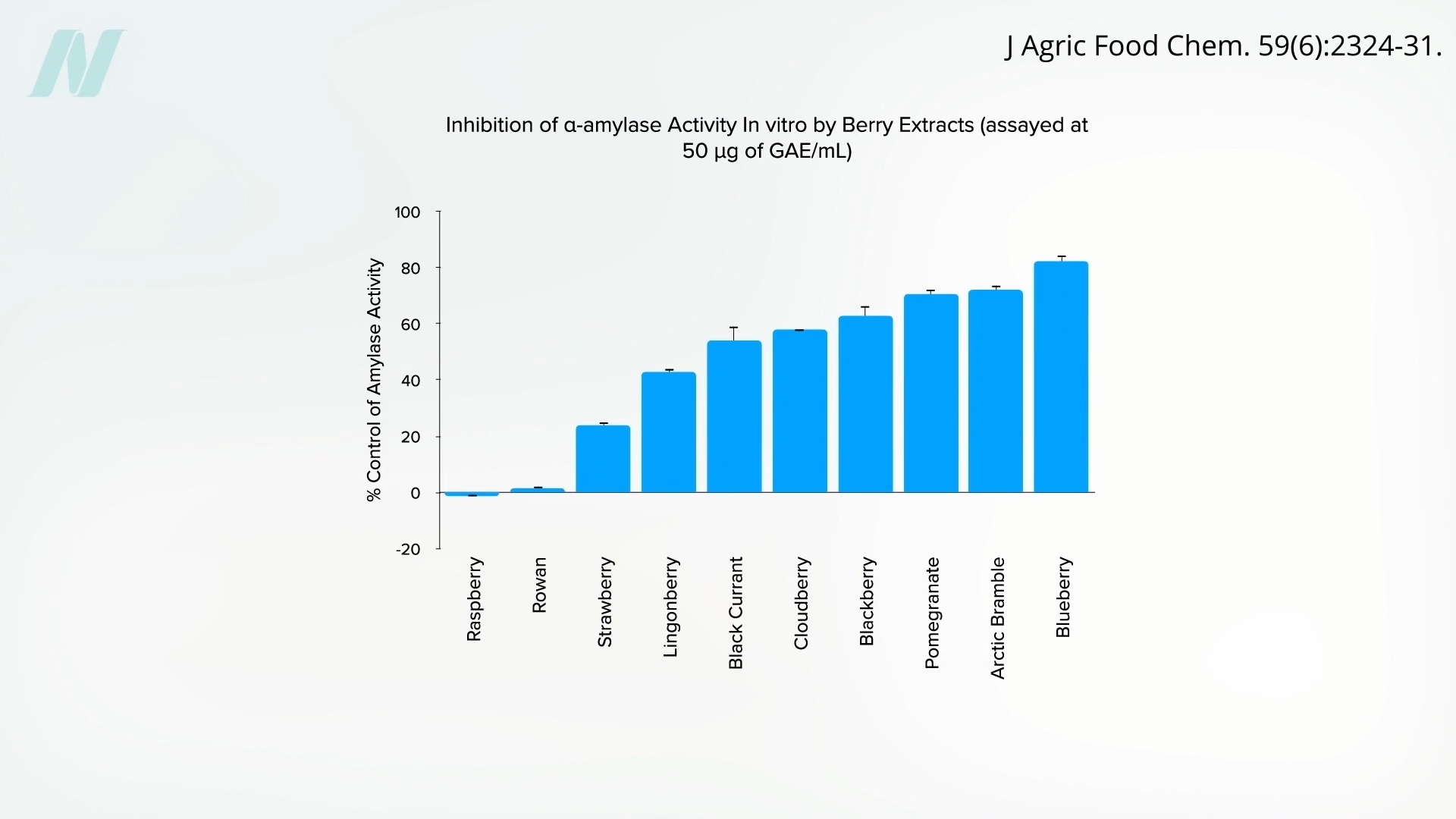
Further investigation into dietary interventions has drawn parallels between the beneficial pigments found in brightly colored berries and the potential of pigmented potatoes. Scientific studies have demonstrated that the natural pigments in berries, such as anthocyanins, can act as starch blockers. This means they can inhibit the enzymes responsible for breaking down complex carbohydrates into simple sugars, thereby slowing down glucose absorption into the bloodstream. This mechanism offers a pathway to reduce the glycemic load of carbohydrate-rich foods.
The implication for potato consumption is significant. If the vibrant colors in fruits can temper the digestion of starches, the question arises: can the pigments in colored potatoes achieve a similar effect? The answer, supported by recent research, appears to be a resounding yes.
The Rise of Pigmented Potatoes: Yellow and Purple Varieties
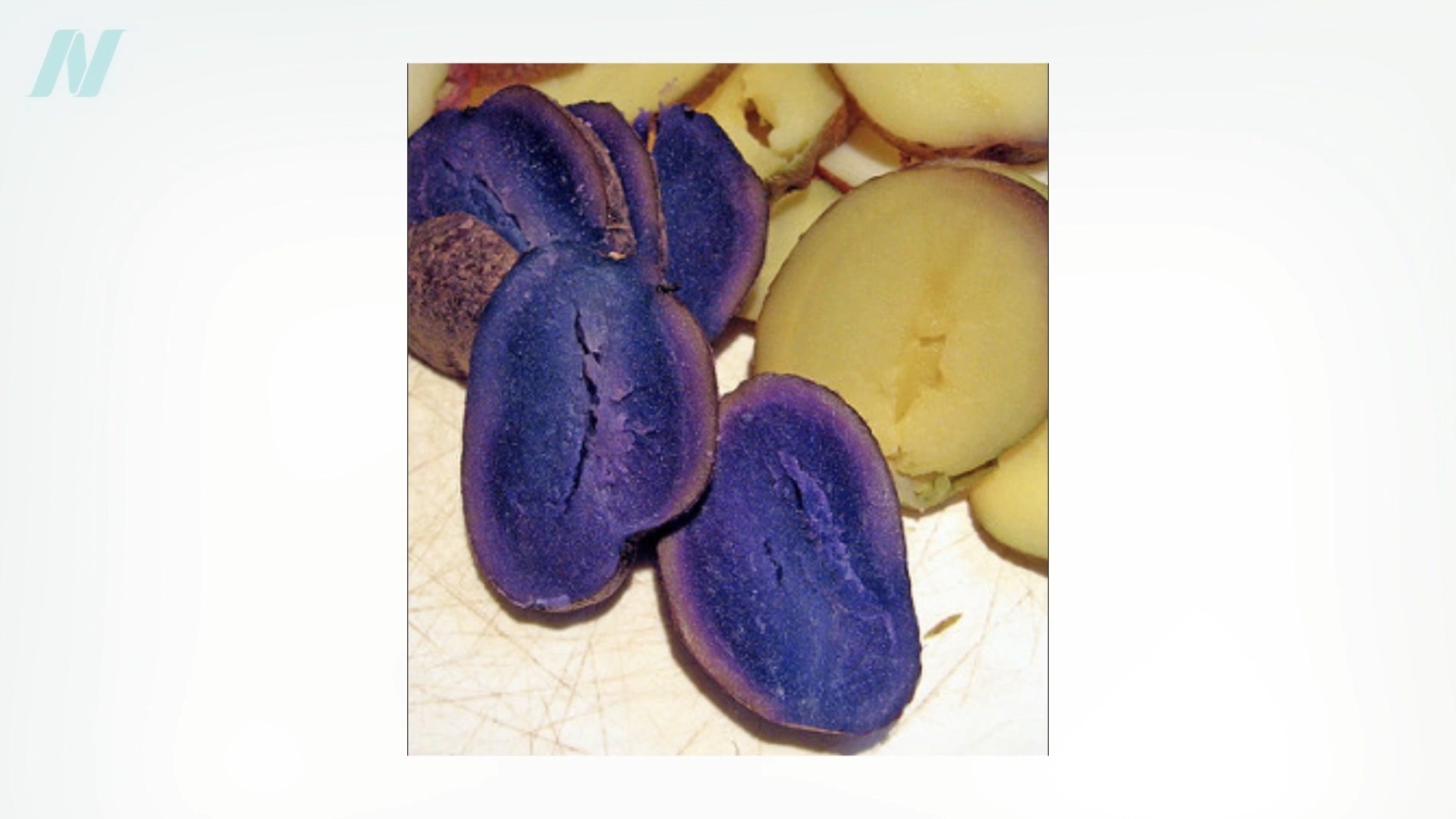
While standard white potatoes offer a baseline nutritional profile, yellow-fleshed potatoes, such as the popular Yukon Gold variety, are generally considered a step up. However, the most significant nutritional gains appear to lie with purple-fleshed potatoes. These potatoes are not merely those with a purple skin; they possess a deep, vibrant purple flesh, often exhibiting an almost neon-blue hue when freshly cut.
Research published in peer-reviewed journals has indicated that purple potatoes lead to a measurably lower insulin spike and a blunted blood sugar response when compared to even yellow-fleshed varieties. This suggests that a dietary shift from white or yellow potatoes to purple ones could have substantial implications for public health, particularly in the management and prevention of metabolic disorders.
Deconstructing the Pigment’s Role: Scientific Validation
To ascertain whether the observed benefits were solely attributable to the pigments or to other inherent differences between potato varieties, researchers have conducted targeted studies. In vitro experiments using test tubes have shown that extracts from purple and red-fleshed potatoes possess starch-blocking properties.
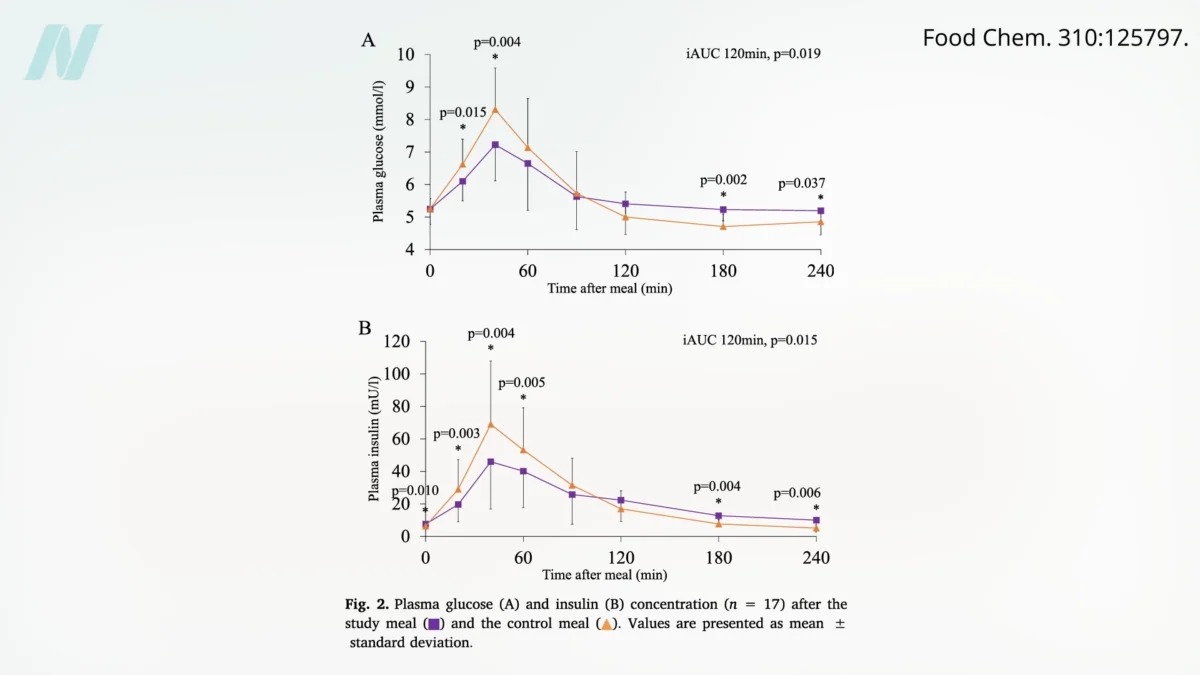
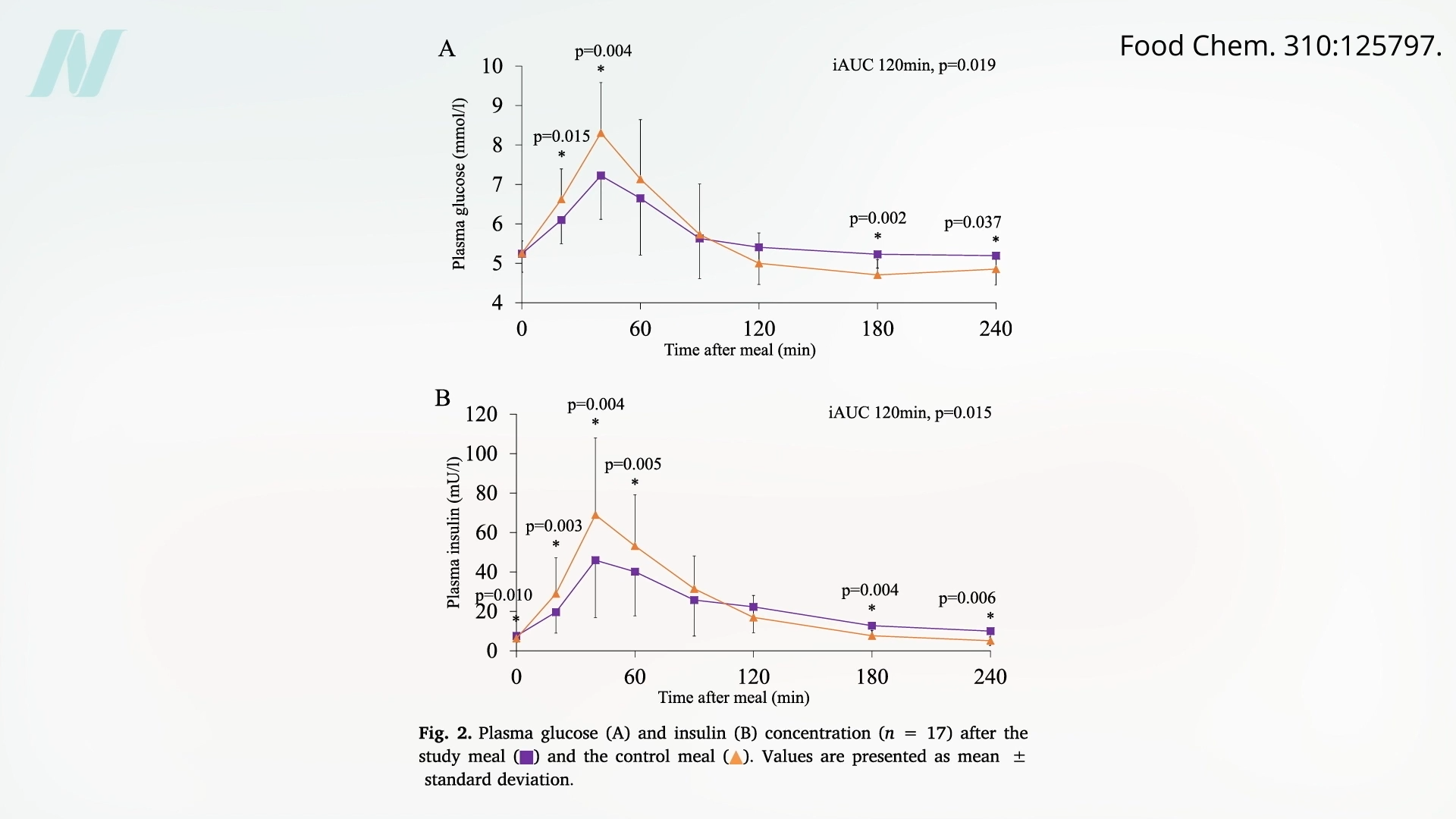
Further research involved isolating and purifying the pigments from purple potatoes and then adding them to yellow potatoes. This controlled experiment aimed to isolate the effect of the pigments themselves, removing potential confounding factors from other variations between potato types. The results were compelling: compared to plain yellow potatoes, those enhanced with purple potato pigments demonstrated suppressed blood sugar and insulin spikes. This led to a gentler, more controlled rise and fall in blood glucose levels, characteristic of foods with a lower glycemic index, rather than the "overshoot" reaction where blood sugar can sometimes drop below baseline levels.
The authors of these studies have proposed that these concentrated purple potato extracts could be developed into supplements or innovative functional foods. However, they also acknowledge that a more cost-effective and accessible approach for consumers would be to simply incorporate whole purple potatoes into their regular diet.
Beyond Blood Sugar: Anti-inflammatory and Antioxidant Powerhouses
The health advantages of pigmented potatoes extend beyond glycemic control. The Potato Association of America has historically promoted potatoes as an anti-inflammatory food. However, recent findings suggest that this benefit may be largely confined to pigmented varieties.
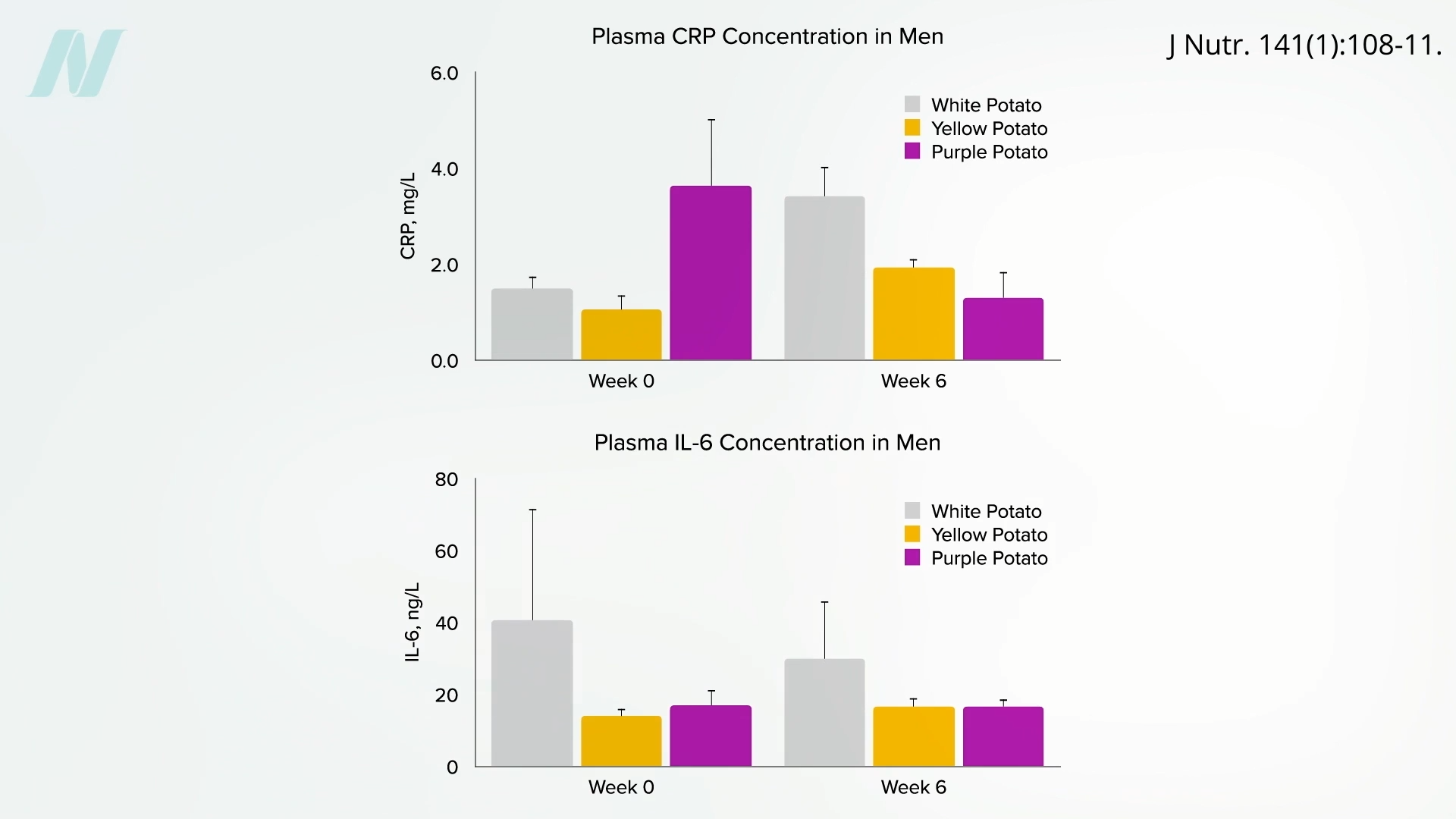
A randomized controlled trial demonstrated that individuals who consumed a small white potato daily for six weeks experienced different inflammatory markers compared to those who consumed yellow or purple-fleshed potatoes. Participants in the purple potato group exhibited significantly lower levels of C-reactive protein and interleukin-6, key indicators of inflammation, when contrasted with the white potato group. This suggests that the anti-inflammatory properties attributed to potatoes are most pronounced in their pigmented forms.
Furthermore, the consumption of pigmented potatoes has a profound impact on oxidative stress. Within hours of consuming a large purple potato, a notable increase of approximately 60% in the antioxidant capacity of the bloodstream has been observed. This surge in antioxidant power translates into a reduction in free radical damage to DNA.
A comparative analysis of the antioxidant activity across different potato types reveals a stark contrast. While Yukon Gold potatoes possess about twice the antioxidant power of white potatoes, purple potatoes are in a league of their own, boasting up to 20 times the antioxidants. This level of antioxidant potency is comparable to that found in berries. Specifically, half a purple potato can provide a polyphenol antioxidant content equivalent to half a cup of blueberries.
The Pro-oxidant Effect of White Potatoes
The contrast between pigmented and non-pigmented potatoes is further highlighted by their effects on antioxidant capacity. Purple potatoes demonstrably enhance the antioxidant capacity of the bloodstream. Conversely, plain white potato starch, devoid of its natural pigments, can act as a pro-oxidant, actively decreasing antioxidant levels. Consuming white potato starch can leave individuals in a worse physiological state regarding oxidative stress than they were prior to consumption, as illustrated by experimental data.
Physiological Implications: Arterial Health and Blood Pressure
The positive physiological effects of purple potatoes are not merely theoretical. Studies have shown tangible benefits on cardiovascular health. When individuals consumed either purple or white potatoes for a two-week period, those who ate purple potatoes showed an improvement in a measure of arterial stiffness, a condition often linked to cardiovascular disease. White potatoes, in contrast, did not yield this positive outcome.
This improvement in arterial health translates into a measurable reduction in blood pressure. The effect has been observed even in individuals already taking prescription medications for high blood pressure, underscoring the potent blood pressure-lowering capabilities of purple potatoes. This positions them as a significant dietary agent for cardiovascular wellness.
Addressing Concerns: Glycoalkaloid Toxins in Potatoes
A common concern regarding potato consumption revolves around glycoalkaloid toxins, such as solanine and chaconine, which are naturally present in the plant. These compounds can be toxic in sufficient quantities. The toxic human dose is estimated to begin around 2 to 5 milligrams per kilogram of body weight, with a lethal dose not far beyond.
However, the average concentration of total glycoalkaloids found in most potatoes is typically less than 100 milligrams per kilogram. For an average adult weighing approximately 180 pounds (around 82 kilograms), this means that a toxic dose would require consuming an exceedingly large quantity of potatoes, estimated at four to nine pounds.
Symptoms of glycoalkaloid toxicity, when they occur, can manifest as nausea, vomiting, or diarrhea, which might be mistaken for gastroenteritis or food poisoning. Some individuals may experience symptoms at lower doses, around 1.25 mg/kg, or even at 1 mg/kg of body weight, which could equate to approximately two pounds of potatoes for an average adult. There is also a possibility that glycoalkaloids could accumulate with consistent, daily consumption of potatoes.
Crucially, research indicates that the glycoalkaloid content is primarily concentrated in the peel and just beneath the surface of the potato. Therefore, peeling potatoes effectively removes nearly all of these compounds. This suggests that individuals who choose to consume large quantities of potatoes, such as those following fad diets, can mitigate the risk of glycoalkaloid-related illness by simply peeling their potatoes. This practice effectively renders the consumption of several pounds of potatoes per day safe from a glycoalkaloid perspective.
Conclusion: A Colorful Future for Potato Consumption
The evolving understanding of potato nutrition paints a compelling picture: color matters. While the traditional white potato remains a source of carbohydrates, its impact on blood sugar and inflammation is less favorable than its pigmented counterparts. Yellow-fleshed potatoes offer moderate improvements, but purple-fleshed potatoes emerge as nutritional powerhouses, delivering significant benefits in glycemic control, anti-inflammatory action, and antioxidant defense. As research continues to unravel the complex interplay of nutrients and bioactive compounds within these tubers, the humble potato, particularly in its vibrant purple iteration, is poised to play an increasingly important role in promoting overall health and well-being. The exploration of these pigmented varieties offers a delicious and accessible strategy for individuals seeking to enhance their dietary defenses against chronic diseases.

