

The question of whether individuals who consume nuts live longer primarily due to replacing animal protein with plant-based protein is a complex one, drawing scrutiny from researchers and public health advocates alike. Emerging analyses and a critical examination of influential nutrition journals suggest that the sources of protein, and the broader dietary patterns they represent, play a significant role in health outcomes, particularly cardiovascular health and longevity.
Examining the Influence of Industry in Nutrition Research
A central point of contention in understanding dietary recommendations arises from the financial backing of key institutions and journals within the nutrition science field. The American Journal of Clinical Nutrition, often cited as a leading peer-reviewed scientific journal in nutrition and dietetics, is published by the American Society of Nutrition. This society’s list of sustaining partners includes prominent industry organizations such as The Sugar Association, major soda companies, and the meat, dairy, and egg industries.
The influence of such partnerships has been a subject of concern for some researchers. For example, the journal’s publication of an article claiming that red meat consumption "does not negatively influence cardiovascular disease risk factors" has drawn particular attention. Critics argue that the close ties between the journal’s funders and industries that produce red meat may create a conflict of interest, potentially biasing the interpretation and publication of research findings. This has led to calls for greater transparency and independent oversight in nutrition research.
The Flawed Premise of Red Meat Studies
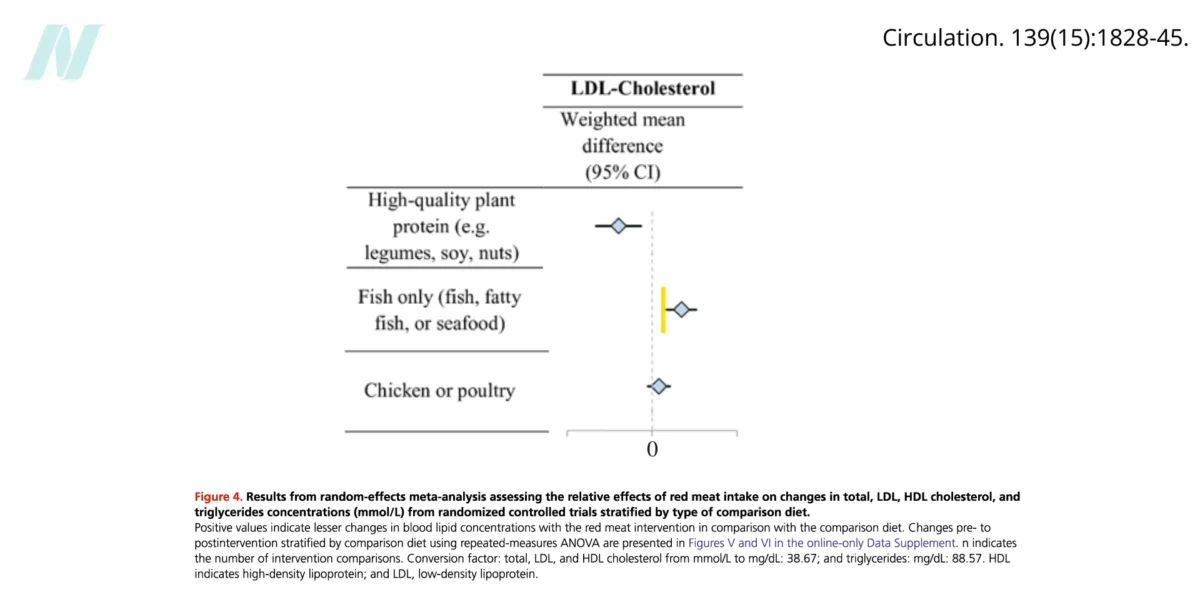
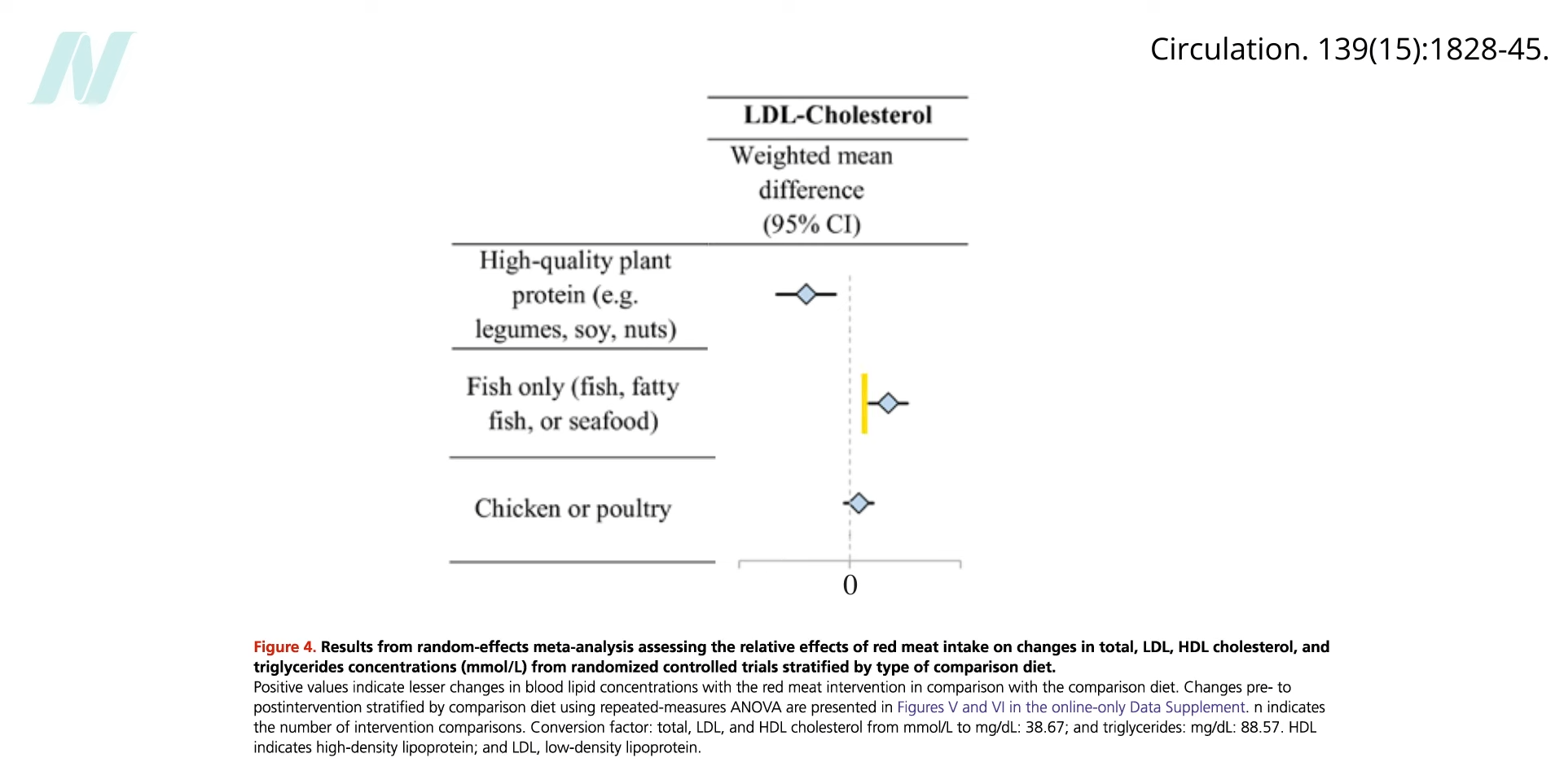
A significant methodological critique has been leveled against meta-analyses that aim to assess the impact of red meat consumption on health. Drs. Neal Barnard and Walter Willett, in their editorial "The Misuse of Meta-analysis in Nutrition Research," highlighted a critical flaw in such studies: the question of "Compared with what?" They pointed out that a substantial majority of randomized controlled trials examined in a particular meta-analysis on LDL cholesterol did not compare red meat consumption to a true control group but rather to other animal proteins, such as white meat.
According to their analysis of 39 trials, nearly 90% of these studies involved participants swapping one type of meat for another, for instance, comparing red meat to chicken or fish. This approach, critics argue, masks the detrimental effects of meat consumption altogether. By using control diets of chicken or fish, researchers may inadvertently create the impression that red meat is not uniquely harmful, when in fact, all forms of meat can negatively impact cholesterol levels.
This strategy has been likened to testing a new confectionery product by comparing it to an existing, equally unhealthy option. For instance, a study claiming that Twinkie consumption does not negatively influence health markers might compare Twinkies to Ding Dongs. In such a scenario, participants randomly assigned to consume fewer Twinkies might still experience similar negative health outcomes if they are consuming Ding Dongs, a comparable sugary treat. This mirrors a tactic observed in the pharmaceutical industry, where a new drug is sometimes tested against a known ineffective or harmful placebo, thereby making the new drug appear more beneficial than it truly is when compared to a truly healthy alternative.
Plant-Based Proteins: A Healthier Alternative
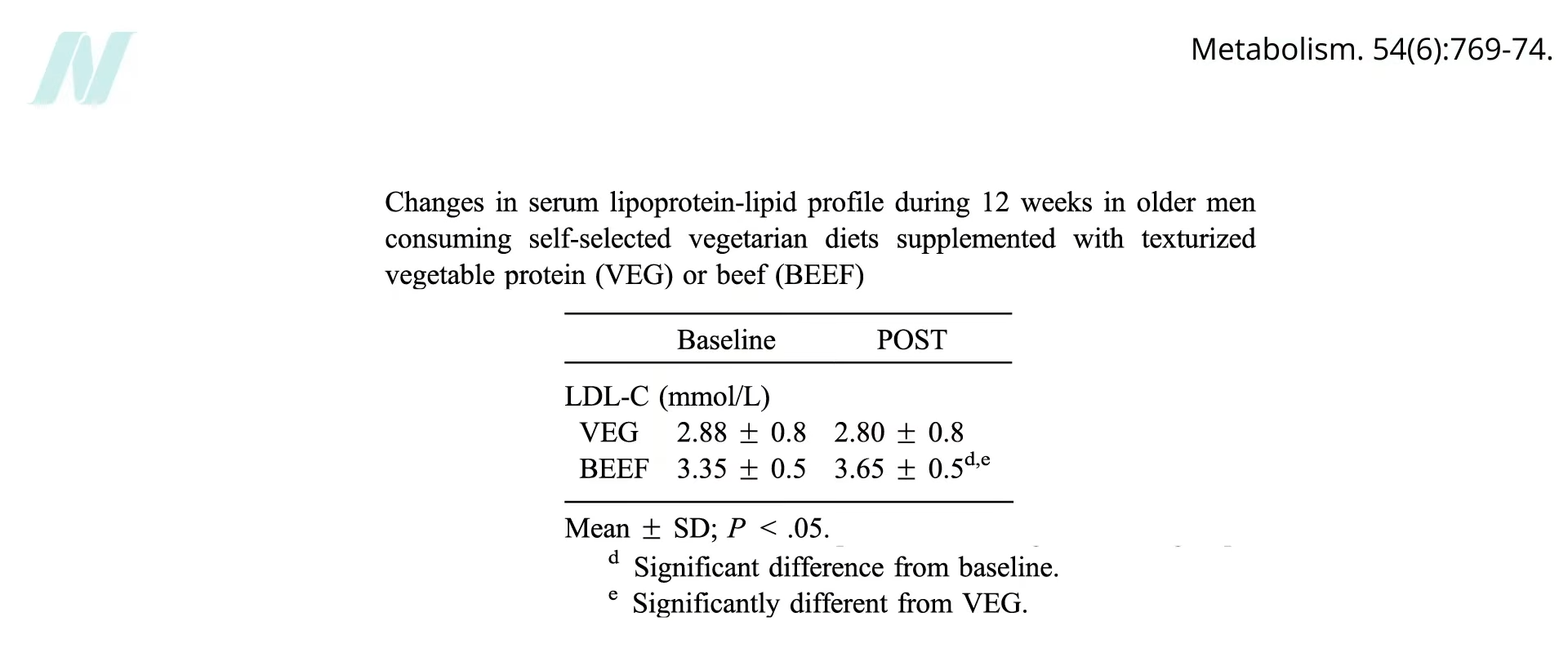
In stark contrast to studies that compare different types of meat, research examining the effects of replacing meat with plant-based protein sources demonstrates significant health benefits. When individuals swap meat for plant-based alternatives such as plant-based sausages, chicken patties, or veggie dogs, studies have shown a notable reduction in LDL cholesterol levels. This finding is visually represented in numerous studies and presentations, illustrating the positive impact of plant-derived proteins on cardiovascular health.
The reduction in saturated fat content found in plant-based meats contributes to these positive outcomes. However, the benefits extend beyond just saturated fat. Even when controlling for saturated fat, consuming red meat or white meat, irrespective of its leanness, has been shown to result in higher LDL cholesterol levels compared to non-meat protein sources.
A comprehensive analysis published in The American Journal of Clinical Nutrition noted that while some studies suggest plant-based diets align with recommendations for increased plant food intake, the cholesterol-lowering effects are particularly pronounced when animal proteins are replaced. The research indicates that white meat, such as chicken and turkey, can be as detrimental to cholesterol levels as red meat. Fish, while often perceived as healthier, may in some contexts be even worse, particularly if preparation methods involve adding saturated fats like butter. At equivalent saturated fat content, fish consumption has been observed to be more detrimental than beef, and chicken shows comparable negative effects to beef.
Conversely, plant protein sources, including soy, nuts, and legumes (such as beans, split peas, chickpeas, and lentils), consistently demonstrate superior outcomes in terms of cholesterol management. These findings underscore the importance of dietary protein source in influencing cardiovascular risk factors.
Nuts and Longevity: Independent of Dietary Habits
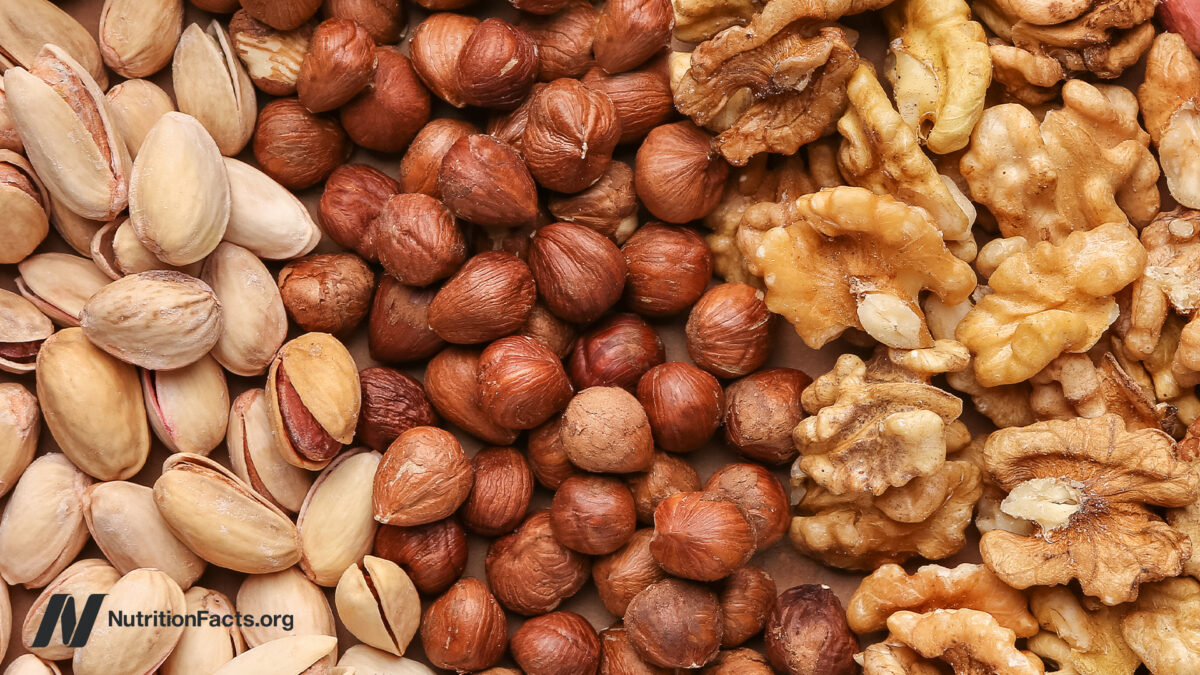
The impact of nut consumption on longevity is a compelling area of research. Replacing even a single serving of lean beef with an equivalent calorie portion of nuts or soybeans has been shown to lower LDL cholesterol. This is particularly significant given that cardiovascular disease remains the leading cause of death globally.
Studies have indicated a strong association between regular nut consumption and a reduced risk of premature death. For instance, a daily serving of nuts has been linked to a 22% reduction in the risk of premature mortality. Millions of deaths each year may potentially be attributable to inadequate nut intake.
Crucially, the cardiovascular benefits derived from eating nuts appear to be independent of an individual’s overall dietary pattern. The reduction in heart attacks observed among frequent nut eaters is as robust among non-vegetarians as it is among vegetarians. This suggests that the beneficial effects of nuts are not solely derived from their displacement of less healthy foods but also from their intrinsic nutritional properties.
Further research supports the notion that the reduced mortality associated with nut consumption is not limited to individuals already following health-conscious diets. In comparisons of various food groups, nuts have outperformed even vegetables in their association with a lower risk of premature death. This broad-ranging benefit highlights nuts as a powerful dietary component for promoting a longer, healthier life.
Doctor’s Recommendations and Broader Implications
Based on the accumulating scientific evidence, health professionals often recommend the inclusion of nuts in daily diets. For example, a daily intake of a quarter cup (approximately one ounce) of nuts is a common recommendation, forming part of comprehensive dietary guidelines aimed at improving health and longevity.
The findings regarding the influence of industry funding on nutrition research and the methodological flaws in certain studies raise broader implications for public health policy and consumer education. It underscores the necessity for:
- Increased Transparency: Greater disclosure of funding sources for nutrition research is crucial to allow for an objective assessment of potential biases.
- Rigorous Methodological Standards: Future research, particularly meta-analyses, should adhere to stricter methodological standards, ensuring that comparisons are made against appropriate control groups to yield accurate and meaningful results.
- Evidence-Based Dietary Guidelines: Public health recommendations should be firmly grounded in robust, independent scientific evidence, free from undue industry influence.
- Consumer Education: Empowering consumers with clear, science-backed information about the health impacts of different food choices is essential for promoting well-being.
The ongoing investigation into the corporate playbook behind undermining dietary guidelines suggests a systematic effort to influence public perception and policy. Understanding these dynamics is vital for navigating the complex landscape of nutrition science and making informed choices that support long-term health and well-being. The consistent evidence pointing to the health benefits of plant-based proteins, particularly nuts, offers a promising avenue for individuals seeking to improve their health outcomes and potentially increase their lifespan.

