

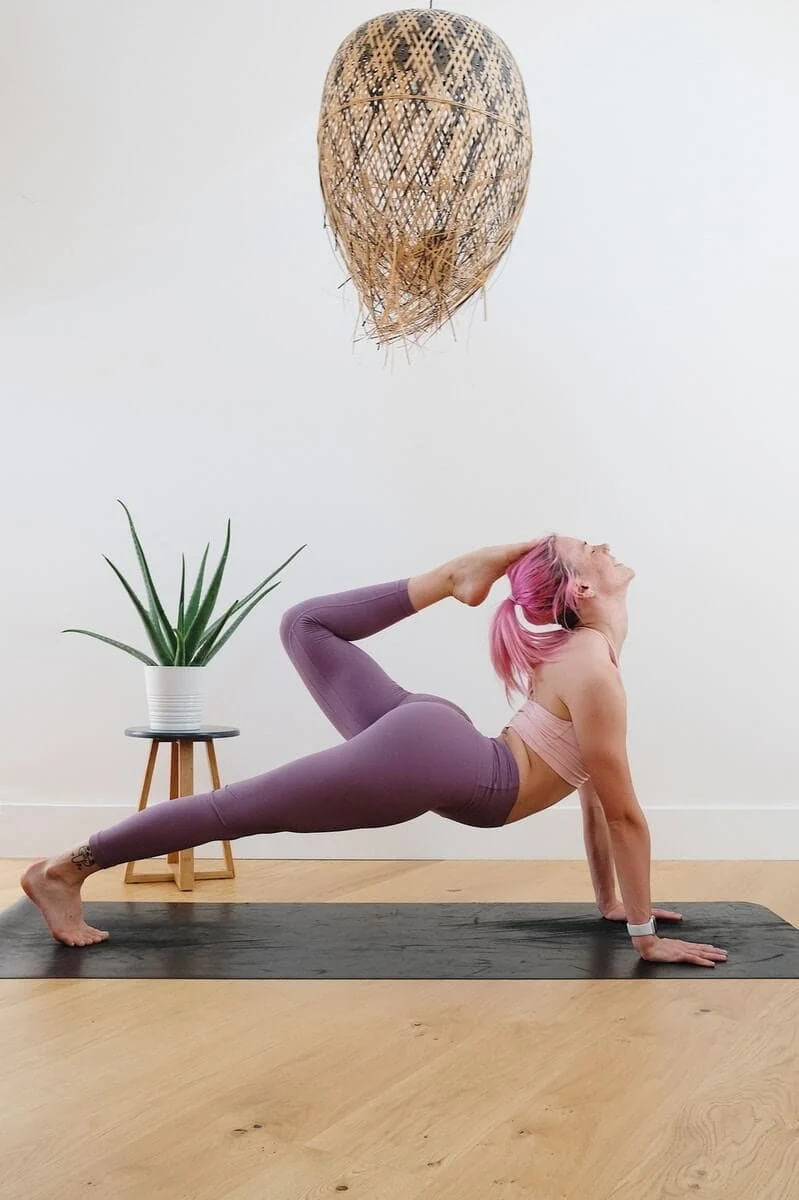
The DoYou Global Yoga Survey 2021, drawing responses from over 10,000 individuals across 124 countries, has unveiled a significant and accelerating trend in the global yoga community: a pronounced shift towards practicing yoga at home. This comprehensive study, conducted during a period marked by unprecedented global health challenges and restrictions on public gatherings, provides crucial insights into the evolving landscape of wellness practices. A staggering 85% of respondents indicated a preference for home-based yoga, highlighting a paradigm shift driven by factors ranging from convenience and affordability to privacy and personalized control. This phenomenon, while significantly influenced by the prevailing COVID-19 pandemic, reflects deeper, underlying consumer preferences that are likely to shape the future trajectory of yoga engagement worldwide.
The Overwhelming Preference for Home Practice
The survey’s most striking revelation is the near-ubiquitous adoption of home yoga practice. This statistic, representing an overwhelming majority of the global yoga population surveyed, underscores a fundamental recalibration of how individuals integrate yoga into their daily lives. The primary drivers behind this pronounced preference are multifaceted, each contributing to a compelling argument for the efficacy and appeal of the home environment as a primary yoga studio.
1. Unrivaled Convenience and Accessibility
Convenience emerged as the top reason, with 71% of home practitioners citing it as a critical factor. In an increasingly fast-paced world, the prospect of navigating traffic, adhering to fixed class schedules, and preparing for an external studio environment often presents a significant barrier to consistent practice. Home yoga eliminates these logistical hurdles, offering unparalleled flexibility. Practitioners can engage with their yoga routine at any time of day or night, fitting it seamlessly into demanding work schedules, family commitments, or personal energy levels. The ability to practice immediately upon waking, during a lunch break, or late in the evening without the added travel time or the need to change into specific attire significantly reduces the friction associated with maintaining a regular practice. This on-demand accessibility aligns perfectly with modern lifestyles, empowering individuals to prioritize their well-being without compromising other obligations. The comfort of one’s own space, whether in pajamas or athletic wear, fosters an environment of ease and removes any perceived pressure often associated with public settings.
2. Enhanced Affordability and Economic Accessibility
Financial considerations play a substantial role in the shift to home practice, with 46% of respondents indicating affordability as a key motivator. Traditional yoga studio memberships often entail significant monthly fees, which, when compounded with travel expenses, specialized equipment, and occasional workshop costs, can render regular practice inaccessible for many. The digital age has democratized access to high-quality yoga instruction, with platforms like YouTube offering an extensive library of free tutorials catering to all levels and styles. Beyond free resources, subscription-based online yoga platforms typically present a more cost-effective alternative to studio memberships. This economic advantage broadens the demographic reach of yoga, making it a viable wellness option for individuals and families across diverse income brackets. The ability to practice without incurring prohibitive costs fosters greater inclusivity within the global yoga community, encouraging more people to explore and sustain a yoga practice.
3. The Sanctuary of Privacy and Personal Space
The desire for privacy resonates strongly with 33% of home practitioners. For many, the initial foray into yoga, or even continued practice, can be intimidating in a group setting. Concerns about perceived judgment, body image issues, or the pressure to perform certain poses can detract from the introspective and calming nature of yoga. Practicing at home provides a safe, non-judgmental sanctuary where individuals can explore their practice without external scrutiny. This private environment allows practitioners to move at their own pace, experiment with poses, and connect more deeply with their inner experience without feeling self-conscious. It is particularly beneficial for beginners who may feel apprehensive about their flexibility or form, or for those who prefer to engage in a deeply personal and spiritual practice away from the communal energy of a studio. The home space becomes a personal haven for self-discovery and uninhibited expression.
4. Unparalleled Control and Customization
Over 60% of survey respondents emphasized the importance of the instructor and atmosphere to their enjoyment of a yoga class, underscoring the value of control that home practice offers. At home, practitioners become the architects of their own yoga experience. They have the autonomy to choose their preferred instructor from a vast array of online teachers, select specific yoga styles (Vinyasa, Hatha, Yin, Restorative), dictate the duration and intensity of their session, and even curate their environment with music, lighting, and aromatherapy. This level of customization ensures that each practice session is perfectly tailored to their current mood, physical needs, and personal goals, minimizing the risk of dissatisfaction often encountered in a fixed studio schedule. The ability to pause, rewind, or repeat sections of an online class further enhances the learning experience, allowing for detailed focus on alignment and technique without the pressure of keeping up with a group.
Background Context: The Global Yoga Survey 2021 and its Pandemic Lens
The DoYou Global Yoga Survey 2021 was conducted during a period of unprecedented global upheaval, specifically amidst the ongoing COVID-19 pandemic. This context is crucial for interpreting the survey’s findings. As the disclaimer notes, "The numbers reported here are likely to be affected by the pandemic." The year 2020 saw widespread lockdowns, social distancing mandates, and the temporary or permanent closure of countless businesses, including yoga studios. This forced many practitioners, who previously relied on in-person classes, to adapt to home-based alternatives. The survey, therefore, captures a snapshot of yoga practice during a unique historical moment, where digital solutions became not just convenient options but often the only feasible means of continued engagement.
DoYou.com, as an established online yoga platform, was uniquely positioned to conduct such a survey, leveraging its global reach and understanding of digital wellness trends. The survey’s objective was to gauge how practitioners globally were maintaining their yoga routines, adapting to new realities, and utilizing yoga for health and lifestyle improvements under these circumstances. The 124 countries represented in the respondent pool underscore the universal impact of the pandemic and the global adaptability of the yoga community.
Timeline and Evolution of Yoga Practice
Historically, yoga was passed down through direct lineage from guru to student, often in intimate, personalized settings. The 20th century saw its popularization in the West, leading to the proliferation of yoga studios and a more formalized, class-based structure. However, the seeds of home practice were sown with the advent of instructional books, DVDs, and later, early internet videos. The true acceleration of this trend began in the mid-2010s with the rise of dedicated online yoga platforms and streaming services.
The period from late 2019 through 2021, coinciding with the global pandemic, served as a definitive inflection point. With physical studios inaccessible, millions worldwide turned to digital resources, rapidly normalizing and even preferring home practice. This period not only validated the existing digital infrastructure but also spurred innovation in online instruction, leading to higher quality content, interactive virtual classes, and the growth of online communities. The DoYou Global Yoga Survey 2021 effectively captures the immediate impact of this accelerated digital transformation on yoga practice.
Implications and Broader Impact
The survey’s findings carry significant implications for the wellness industry, particularly for yoga studios and instructors. While the pandemic undoubtedly amplified the trend, the underlying reasons—convenience, affordability, privacy, and control—are enduring consumer preferences that transcend immediate circumstances.
Challenges and Downsides of Exclusive Home Practice:
Despite its numerous advantages, exclusive home practice presents certain drawbacks. The absence of a qualified instructor for real-time feedback and hands-on adjustments poses a potential risk, particularly for beginners or those attempting advanced poses. Incorrect form can lead to inefficiencies in practice or, more critically, to injuries. Individuals with pre-existing injuries or medical conditions benefit immensely from the personalized guidance and modifications offered by a trained instructor in a controlled environment. Furthermore, the communal aspect of studio classes—the shared energy, motivation, and sense of belonging—is a powerful component of many practitioners’ experience, which can be diminished in isolation. This community element fosters accountability, provides opportunities for social connection, and can significantly boost mood and motivation.
The Rise of Hybrid Models and Adaptations:
Recognizing both the benefits of home practice and the invaluable contributions of in-person instruction, the yoga industry is increasingly moving towards hybrid models. Many studios, initially forced to close their doors, quickly pivoted to offering online classes, livestreaming sessions, and creating on-demand content. This adaptation has allowed them to retain existing students and attract new ones who might have previously been unable to attend in-person classes.
This evolving landscape suggests that the future of yoga is likely to be a blend of both approaches. Practitioners can enjoy the flexibility and cost-effectiveness of home practice for their regular routine, while periodically attending studio classes for expert guidance, personalized adjustments, community engagement, and the unique energy of a shared physical space. This "best of both worlds" approach offers maximum flexibility and allows individuals to tailor their yoga journey to their specific needs, preferences, and lifestyle.
Official Responses and Expert Commentary (Inferred):
While the article does not provide direct quotes from industry experts, the analysis embedded within it serves as an inferred commentary. The emphasis on trying different studios and instructors if an initial experience isn’t positive, for instance, suggests an understanding of the varied nature of yoga offerings and the importance of finding a suitable fit. The recommendation to combine home and studio practice implies a consensus among wellness advocates that a balanced approach is optimal for long-term engagement, safety, and holistic well-being. This perspective underscores the industry’s recognition of the changing consumer landscape and its efforts to adapt and provide comprehensive solutions.
Looking Ahead: A More Accessible and Personalized Future for Yoga
The DoYou Global Yoga Survey 2021 paints a clear picture of a yoga world undergoing significant transformation. The overwhelming preference for home practice, driven by deeply practical and personal considerations, indicates a fundamental shift in how people access and engage with wellness. While the pandemic acted as a powerful catalyst, the underlying trends suggest that home yoga is not merely a temporary solution but a permanent fixture in the global wellness ecosystem. This evolution promises a more accessible, affordable, and personalized future for yoga, democratizing its benefits and integrating it more deeply into the fabric of daily life for millions worldwide. The challenge and opportunity for the yoga industry lie in fostering dynamic hybrid models that leverage the strengths of both digital and in-person experiences, ensuring that the practice remains safe, enriching, and connected for all.

