


The State of Global Travel: Context and Challenges
The transition into the 2025-2026 travel season is marked by a dual reality: unprecedented demand for international experiences coupled with significant infrastructure strain. Following the systemic disruptions of the early 2020s, the Federal Aviation Administration (FAA) and international counterparts have faced ongoing challenges related to air traffic control staffing and technological modernization. Furthermore, the "bleisure" trend—the blending of business and leisure travel—has shifted consumer demand toward versatile gear that performs as well in a corporate setting as it does in rugged outdoor environments.
Market data indicates a 15% year-over-year increase in the "sustainable travel gear" segment, as consumers prioritize products with transparent supply chains and recycled materials. This shift is reflected in the 2025-2026 gift guide, which highlights manufacturers adhering to the Higg Index and Fair Labor Association standards.
Advanced Luggage and Transit Solutions
In response to stricter carry-on enforcement and the rise of budget-conscious regional carriers, luggage manufacturers have focused on maximizing internal volume while minimizing empty weight.
Sustainable Roller Bags and Hybrid Duffels
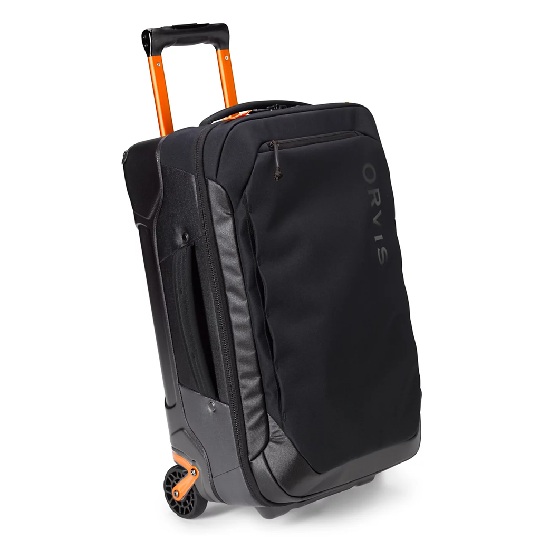
The Orvis Trekkage LT Adventure 40L Carry-On Roller Bag exemplifies the industry’s move toward a circular economy. Constructed from 100% recycled 600D CORDURA re/cor fabric derived from post-consumer plastic, the bag incorporates a high-density polycarbonate shell for structural integrity. Industry experts note that the bag’s "regenerative design"—which allows for the repair or replacement of components like the co-molded rubber wheels—addresses the growing consumer demand for longevity over disposability.
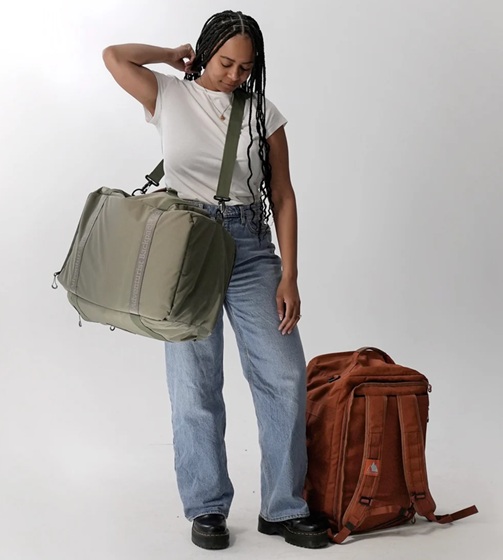
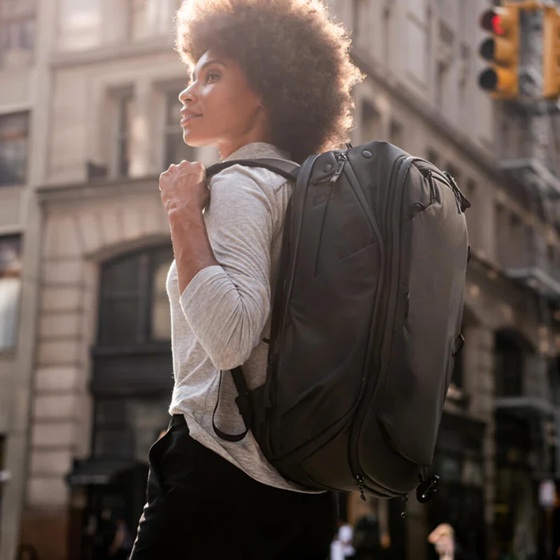
For travelers requiring modularity, the Adventurist Carry On Duffel Backpack 45L offers a minimalist approach. The brand has gained attention not only for its 1000D polyester construction but for its social impact model; the company reports providing over 100,000 meals to families in need through its "25 meals per bag" initiative. Similarly, the Peak Design 45L Travel Backpack utilizes weatherproof 400D nylon Versa Shell and offers a "Coyote X-Pac Ocean Edition" made entirely from recycled fishing nets, aligning with global efforts to reduce marine plastic pollution.

Niche and Artisanal Carriers
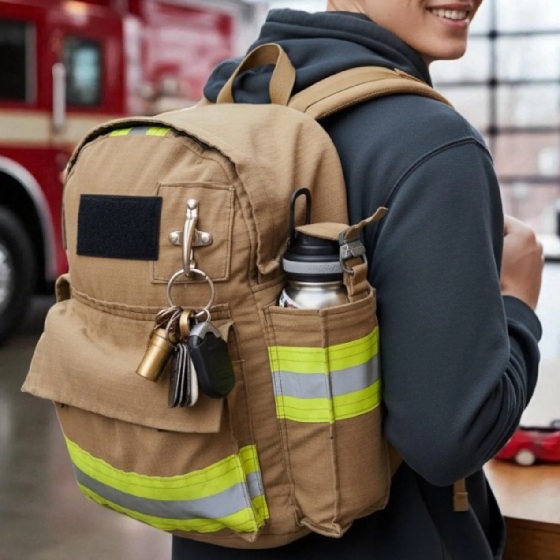
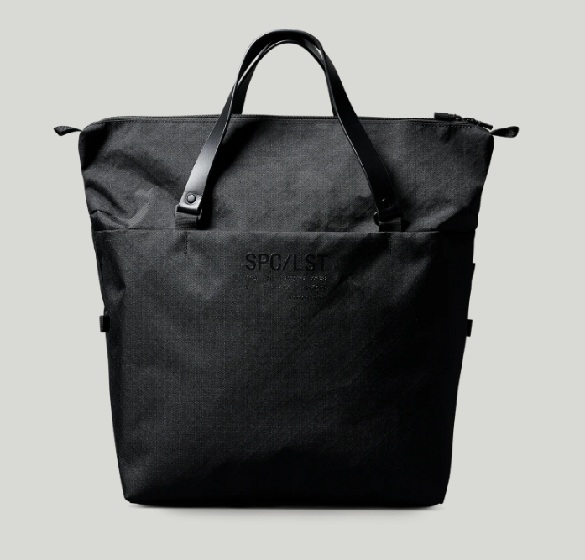
Small-scale manufacturing continues to disrupt the market with specialized products like the 277 Designs Firefighter Backpack. By upcycling decommissioned firefighter turnout gear, the manufacturer provides a durable, heat-resistant product while diverting industrial waste from landfills. In the luxury sector, the Lo & Sons Melrose Rucksack and the SPC/LST System Tote cater to the urban traveler, utilizing recycled poly liners and weather-resistant finishes to bridge the gap between high fashion and utility.
Outdoor and Wilderness Equipment Trends
The 2025-2026 period sees a continued surge in "nature-positive" travel, with a 20% increase in national park visits globally. This has spurred innovation in portable outdoor comfort and utility gear.
Portable Utility and Climate-Controlled Storage
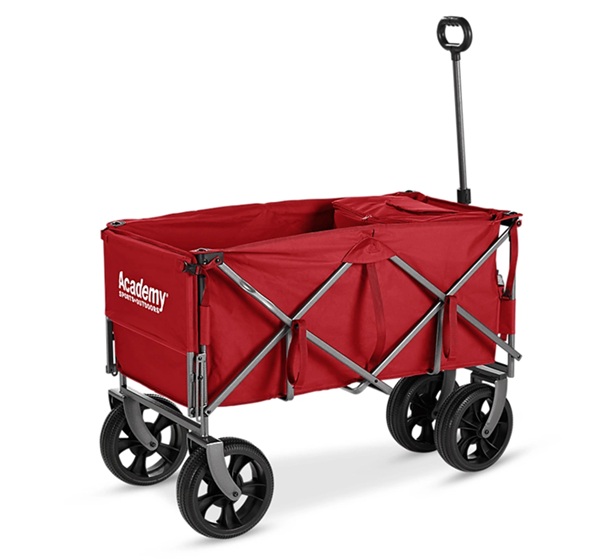
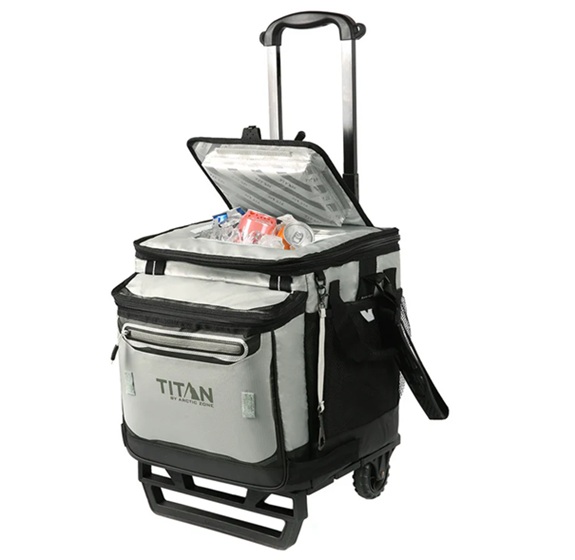
The Academy Sports XL ASO Folding Wagon with Tailgate reflects the rising popularity of "overlanding" and extended RV stays. With a 225-pound capacity and a removable 80-can cooler, this equipment serves as a primary logistical tool for mobile basecamps. In the cooling segment, the Arctic Zone Titan 60-Can Wheeled Cooler utilizes Deep Freeze Performance Insulation and Microban antimicrobial lining, which laboratory tests suggest can maintain ice for up to three days, a critical factor for travelers venturing into remote regions with limited infrastructure.
Technical Sleep Systems and Lighting
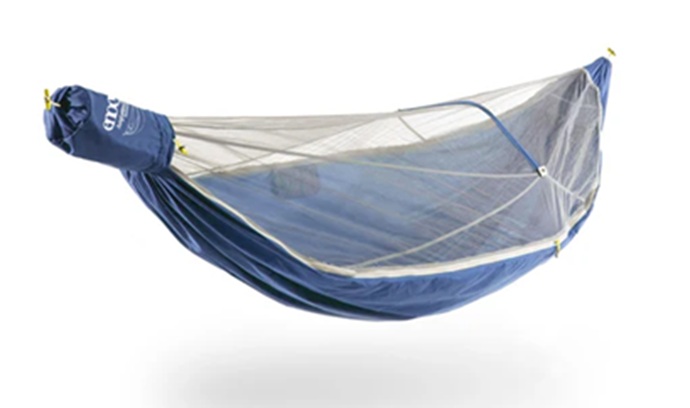
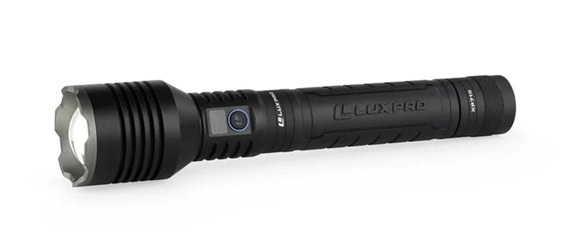
Hammock camping has seen a technological overhaul with the ENO JungleNest Hammock. Engineers have addressed common "human burrito" discomforts by implementing a structural ridgeline and an integrated stowable bug net, creating a tent-like canopy. This is complemented by advancements in illumination, such as the LuxPro XP715 Pro Series DS. This LED flashlight produces 16,070 lumens in turbo mode and features an integrated power bank and OLED feedback display, providing essential safety for travelers in low-light environments.
High-Performance Apparel and Footwear
The "athleisure" market is projected to reach a valuation of $600 billion by 2030, driven by technical fabrics that offer thermoregulation, moisture-wicking, and antimicrobial properties.
Technical Layering and Versatile Bottoms
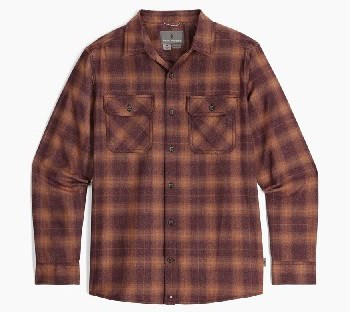
Royal Robbins remains a leader in the sustainable apparel sector, utilizing the Higg Index to monitor carbon neutrality. Their 2025 lineup, including the Men’s Vogelsang Long Sleeve and the Women’s Rockcraft Mock Neck, utilizes recycled polyester and 100% merino wool. Analysts suggest that merino wool’s natural odor resistance makes it an ideal choice for long-haul travelers looking to minimize luggage weight.
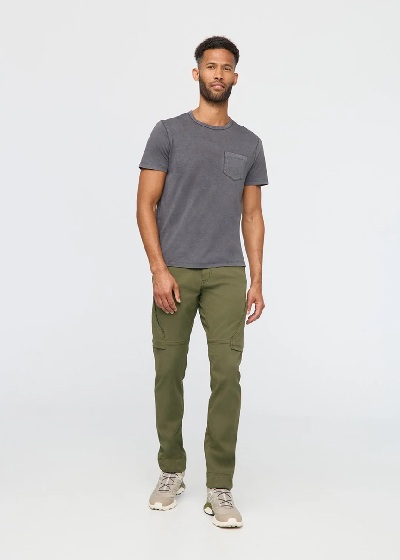
The DUER Live Free Adventure Pant and Origin GTFO Travel Pant represent the "performance denim" sub-sector. By integrating military-grade nylon and spandex into traditional silhouettes, these garments provide the range of motion required for hiking while maintaining an aesthetic suitable for urban environments. For the 2025-2026 season, "body heat-activated wrinkle release" technology has become a standard feature for high-end travel trousers.
Footwear: Orthotics and Sustainable Materials
Footwear innovation for 2025-2026 focuses on the "zero-drop" and "maximalist" categories. HOKA’s Transport Hike GTX utilizes a Vibram Megagrip outsole and a GORE-TEX bootie, catering to the "fast-packing" demographic. Meanwhile, the collaboration between VEJA and Finisterre on the Fitz Roy Trek-Shell highlights the use of bio-based EVA and Amazonian rubber, demonstrating that high-performance hiking boots can be produced without relying solely on petroleum-based synthetics.
In the casual and recovery segment, the Stegmann Original 108 Wool Clog and SOLE Jasper Chukka utilize ReCORK (recycled wine corks) and bison fiber. These materials provide natural thermoregulation and support, which podiatrists recommend for reducing fatigue during long transit days.

Security, Tech, and Heritage Gifts
As digital nomadism becomes a permanent fixture of the global economy, gear that protects digital assets and enhances mobile productivity has seen a sharp increase in adoption.
Biometric Security and Smart Wallets
Security remains a primary concern for international travelers. The BenjiLock Outdoor Fingerprint Padlock, recognized as a significant technological advancement in 2025, utilizes a biometric sensor to store up to 10 fingerprints, eliminating the need for physical keys or combinations that can be lost or compromised. To counter the rise of digital pickpocketing, the Ekster Wallet Pro incorporates RFID-blocking technology and global tracking capabilities, allowing users to locate their credentials via smartphone applications.
Specialized Electronics and Lifestyle Accessories
The Backbone Pro represents the convergence of mobile technology and high-fidelity gaming. By providing console-grade controls for smartphones, it addresses the "entertainment gap" during long-haul flights where traditional in-flight entertainment may be lacking. For the traditionalist, the Casio PRO TREK PRG-340B offers a solar-powered, Triple Sensor system (compass, barometer, altimeter) housed in bio-based resin, providing a redundant navigation tool that does not rely on cellular connectivity.

Emotional Value and Personalization
The 2025-2026 season also emphasizes the "sentimental economy." Products like the Custom Gifts Bring Joy Outdoor Adventure Woven Blankets, which feature personalized National Park maps, allow travelers to commemorate experiences. This trend toward "slow travel" and memory-keeping is viewed by psychologists as a necessary counterweight to the fast-paced nature of modern logistics.
Implications for the Future of Travel
The diversity of products highlighted in the 2025-2026 guide underscores a fundamental shift in the travel industry: the move from "disposable gear" to "investment equipment." As airlines continue to adjust baggage fees and weight limits, the value of lightweight, multi-functional, and durable gear has never been higher.
Furthermore, the integration of recycled materials—from fishing nets in backpacks to wine corks in shoes—indicates that the travel gear industry is successfully decoupling growth from environmental degradation. As global travelers become more discerning, manufacturers who prioritize ethical labor practices and transparent sourcing are expected to capture the majority of the market share in the coming decade. The 2025-2026 period will likely be remembered as the era when travel gear moved beyond mere utility to become a statement of environmental and social responsibility.

