

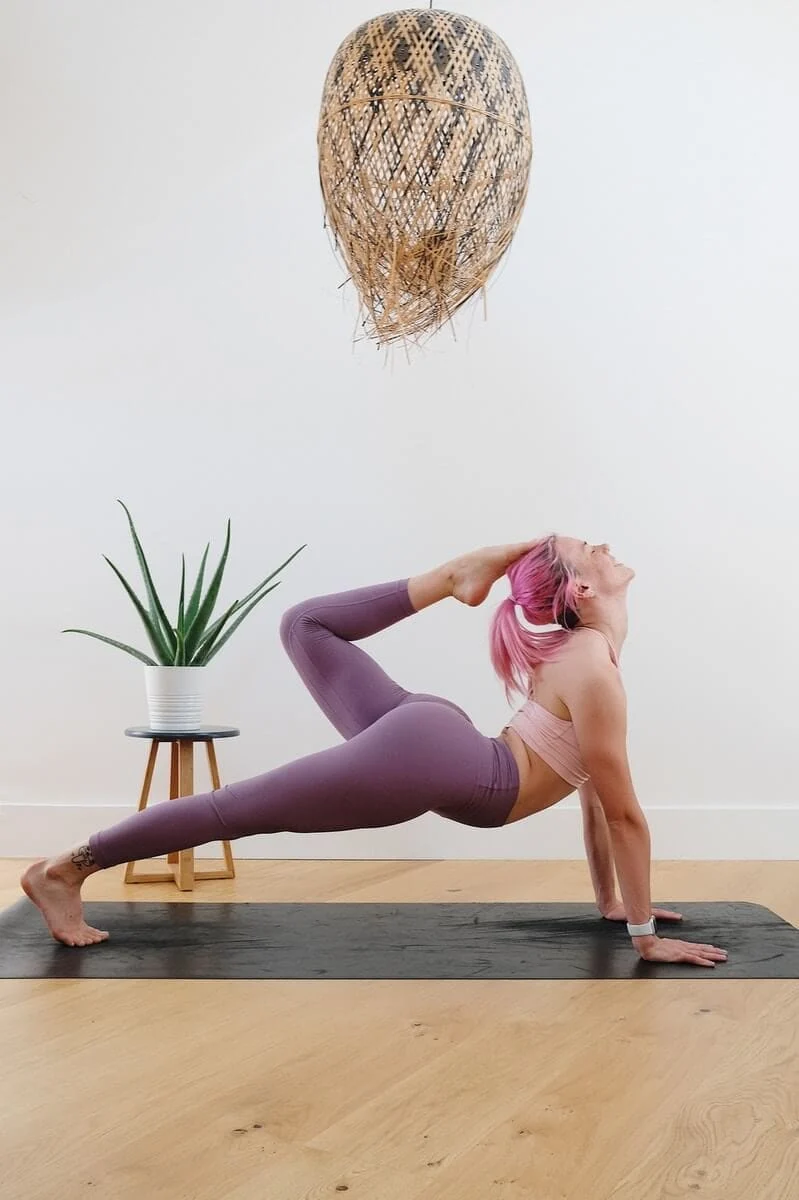
The comprehensive DoYou Global Yoga Survey 2021, drawing responses from over 10,000 individuals across 124 countries, has unveiled profound insights into the evolving landscape of yoga practice worldwide. A standout finding indicates a dramatic surge in home-based yoga, with an overwhelming 85% of respondents reporting they primarily practice in their own living spaces. This trend, significantly influenced by and accelerated during the COVID-19 pandemic, reflects a deeper shift in practitioner preferences driven by a confluence of convenience, affordability, privacy, and personal control, reshaping traditional studio-centric models of engagement with this ancient discipline.
Background and Context of the Global Yoga Survey 2021
The DoYou Global Yoga Survey 2021 was strategically conducted amidst the unprecedented global health crisis, from late 2020 through early 2021. This period was characterized by widespread lockdowns, social distancing mandates, and restrictions on public gatherings, including the closure or limited operation of yoga studios and fitness centers across the globe. Recognizing the transformative impact these circumstances were having on health and wellness routines, DoYou.com, a prominent online yoga platform, initiated the survey to gather empirical data on how practitioners were adapting. The survey aimed to capture real-time trends, motivations, and challenges faced by the global yoga community during a period of significant upheaval. Its broad international reach, encompassing diverse cultural contexts and economic backgrounds, ensured a rich dataset for analysis, offering a snapshot of a pivotal moment in yoga’s modern history. While the pandemic undeniably influenced the reported figures, as acknowledged by the survey’s disclaimer, it also acted as a powerful catalyst, accelerating pre-existing inclinations towards digital engagement and home-based fitness solutions.
Prior to the pandemic, the global yoga industry had already been experiencing steady growth, with an increasing number of studios, retreats, and online resources emerging. However, the in-person studio experience remained the cornerstone for many, valued for its community aspect, expert guidance, and dedicated environment. The proliferation of digital content, primarily through platforms like YouTube and specialized yoga apps, was present but often seen as supplementary to studio practice. The forced shift away from public spaces in 2020-2021, however, propelled these digital alternatives into the forefront, fundamentally altering how millions accessed and maintained their yoga routines.
Key Drivers Behind the Surge in Home Practice
The survey meticulously identified four primary factors underpinning the widespread adoption of home yoga, each speaking to the evolving needs and priorities of contemporary practitioners. These factors, while individually significant, collectively illustrate a paradigm shift away from the traditional studio model as the sole or primary mode of practice.
1. Unparalleled Convenience: Responding to Modern Lifestyles
The most frequently cited reason, embraced by 71% of home practitioners, is convenience. In an increasingly fast-paced world, the prospect of navigating traffic, adhering to fixed class schedules, and preparing for an external outing can be a significant deterrent. Home practice eliminates these logistical hurdles entirely. Practitioners gain the flexibility to unroll their mat whenever their schedule permits – be it first thing in the morning, during a lunch break, or late at night. This adaptability is particularly appealing to individuals with demanding work schedules, parental responsibilities, or those simply seeking to integrate wellness seamlessly into their daily lives without additional stress. The ability to practice in comfortable attire, from pajamas to athletic wear, without the need for travel or social presentation, further enhances this sense of ease and accessibility. The rise of remote work models, exacerbated by the pandemic, has also contributed to this, blurring the lines between professional and personal spaces and making home-based activities more feasible and desirable.
2. Enhanced Affordability: Democratizing Access to Yoga
Financial considerations play a crucial role, with 46% of home practitioners citing affordability as a primary motivator. The cost of studio memberships or drop-in classes can be substantial, often representing a significant recurring expense. In contrast, a vast array of high-quality yoga content is available for free on platforms like YouTube, making yoga accessible to a broader demographic regardless of income level. Beyond free resources, paid online subscriptions and apps typically offer a more cost-effective alternative to studio fees, often providing unlimited access to a diverse library of classes for a fraction of the price of a single month’s studio membership. When factoring in additional expenses associated with studio visits, such as transportation, parking, and specialized clothing, the economic benefits of home practice become even more pronounced, positioning it as a financially sustainable option for long-term engagement. This affordability democratizes access to yoga, allowing more individuals to experience its benefits without financial strain.
3. Cultivating Privacy and a Judgment-Free Zone
For 33% of respondents, the privacy offered by home practice is a decisive factor. Many individuals, especially beginners or those with body image concerns, find the idea of practicing in a public studio setting intimidating. The perceived pressure to perform, the fear of judgment from others, or a general sense of self-consciousness can create barriers to entry or enjoyment. Home practice provides a safe, personal sanctuary where individuals can explore poses, stumble, sweat, and experiment without external scrutiny. This environment fosters a deeper connection to one’s body and practice, allowing for vulnerability and genuine self-exploration that might be hindered in a group setting. It empowers practitioners to focus solely on their internal experience, free from comparisons or competitive impulses, thereby making yoga a truly personal and healing journey.
4. Empowering Personal Control and Customization
Over 60% of the overall survey respondents highlighted the instructor and atmosphere as crucial to their class enjoyment, a sentiment that directly supports the appeal of personal control in home practice. When practicing at home, individuals become the architects of their own yoga experience. They can select instructors whose teaching style resonates most deeply, choose specific yoga styles (Vinyasa, Hatha, Restorative, Yin, etc.) that align with their current physical and mental needs, and dictate the duration and intensity of their session. The ability to control the ambient environment – music, lighting, temperature – further personalizes the practice. This level of customization ensures that each session is precisely tailored to the practitioner’s preferences and energy levels on any given day, minimizing the risk of disappointment often associated with a mismatched studio class or instructor. This autonomy allows for a dynamic and responsive practice that evolves with the individual.
Challenges and Potential Pitfalls of Exclusive Home Practice
While the advantages of home practice are compelling, the survey also implicitly highlighted certain limitations and risks that warrant consideration. These aspects underscore the value of professional guidance and community that traditional studios provide.
One significant concern is the increased risk of injury when practicing without direct, in-person supervision. Navigating complex poses or understanding subtle alignment cues can be challenging through a screen alone. An experienced instructor in a studio setting can offer immediate, personalized feedback and hands-on adjustments, correcting improper form before it leads to strain or injury. This is particularly vital for beginners who are still learning foundational postures or for individuals with pre-existing injuries or physical conditions that require specific modifications. Without a trained eye, practitioners might unknowingly exacerbate existing issues or develop new ones.
Furthermore, the absence of personalized feedback can hinder progression. While online resources are abundant, they cannot replicate the nuanced guidance an instructor provides by observing a student’s unique body mechanics. This lack of tailored instruction can lead to plateaus in practice, where individuals struggle to deepen their understanding or advance safely.
Beyond the physical aspects, exclusive home practice can lead to a sense of isolation. The communal energy, shared intention, and social interaction inherent in group classes are powerful motivators and contributors to overall well-being. Many practitioners derive a significant mood boost and a sense of belonging from practicing alongside others, forming connections that extend beyond the mat. Missing out on these community benefits can diminish a holistic aspect of the yoga experience for some.
Implications for the Yoga Industry: Studios and Instructors Adapt
The pronounced shift towards home practice, as illuminated by the DoYou survey, carries significant implications for the yoga industry, compelling studios and instructors to adapt their business models and pedagogical approaches.
Many yoga studios have responded by adopting hybrid models, offering a blend of in-person classes and live-streamed or on-demand digital content. This strategy allows them to cater to both segments of the market: those who crave the studio experience and those who prefer the flexibility of home practice. Studios are investing in high-quality audio-visual equipment and digital platforms to ensure a seamless and engaging online experience, striving to maintain a sense of community even across virtual distances.
For instructors, this means developing new skills in online teaching – learning how to effectively cue, demonstrate, and connect with students through a camera lens. It also necessitates a deeper understanding of individual anatomy and common misalignments to provide verbal adjustments that compensate for the lack of physical presence. The market for private online yoga sessions has also expanded, offering a middle ground that combines the convenience of home practice with personalized expert guidance.
The Emerging Hybrid Model: A Balanced Future for Yoga
The findings of the DoYou Global Yoga Survey 2021, particularly when considering the pandemic’s influence, strongly suggest that the future of yoga practice is likely to be a hybrid one. Many practitioners are discovering the immense benefits of integrating both home and studio practice into their routines, leveraging the strengths of each.
The flexibility and affordability of home practice, often facilitated by online platforms, serve as an excellent foundation for a consistent routine, allowing individuals to practice daily or multiple times a week without logistical constraints. This foundational practice can then be complemented by periodic visits to a studio for in-person guidance, workshops, or specialized classes. Studio visits become opportunities to receive direct feedback from experienced instructors, deepen understanding of alignment, explore advanced poses safely, and reconnect with the vibrant energy of a physical community.
Industry experts and practitioners alike increasingly advocate for this balanced approach. A prominent yoga instructor, Sarah Chen, whose studio successfully pivoted to a hybrid model, stated, "The pandemic forced us to innovate, and what we found is that our community values both the convenience of online classes and the irreplaceable connection of in-person sessions. We’re seeing students who practice at home several times a week, then join us at the studio once or twice for that deeper dive and communal energy. It’s not an either/or scenario anymore; it’s about what best supports their overall well-being." This sentiment is echoed by countless practitioners who report increased adherence and enjoyment when they can switch between modalities based on their daily needs and preferences.
The evolution captured by the DoYou Global Yoga Survey 2021 signifies a mature and adaptable yoga landscape. It highlights a practitioner base that is empowered by technology and demanding greater personalization and accessibility, while still recognizing the enduring value of expert guidance and community. The challenge and opportunity for the yoga industry lie in fostering environments and offerings that cater to this diverse and evolving spectrum of needs, ensuring that yoga remains an inclusive and transformative practice for all.
Conclusion
The DoYou Global Yoga Survey 2021 stands as a crucial document charting the transformative trajectory of yoga practice in the modern era. With 85% of respondents opting for home practice, driven by convenience, affordability, privacy, and control, the survey unequivocally demonstrates a significant and likely enduring shift away from solely studio-centric models. While acknowledging the pandemic’s role as a potent accelerator, the underlying motivations reflect deeper societal trends and individual preferences that will continue to shape the industry. The findings prompt a re-evaluation of how yoga is taught, consumed, and experienced, pushing the industry towards innovative hybrid models that blend digital accessibility with the irreplaceable benefits of in-person instruction and community. As the global yoga community continues to evolve, understanding these shifts will be paramount for instructors, studios, and practitioners alike, ensuring the sustained growth and accessibility of this ancient practice in an increasingly interconnected world.

