

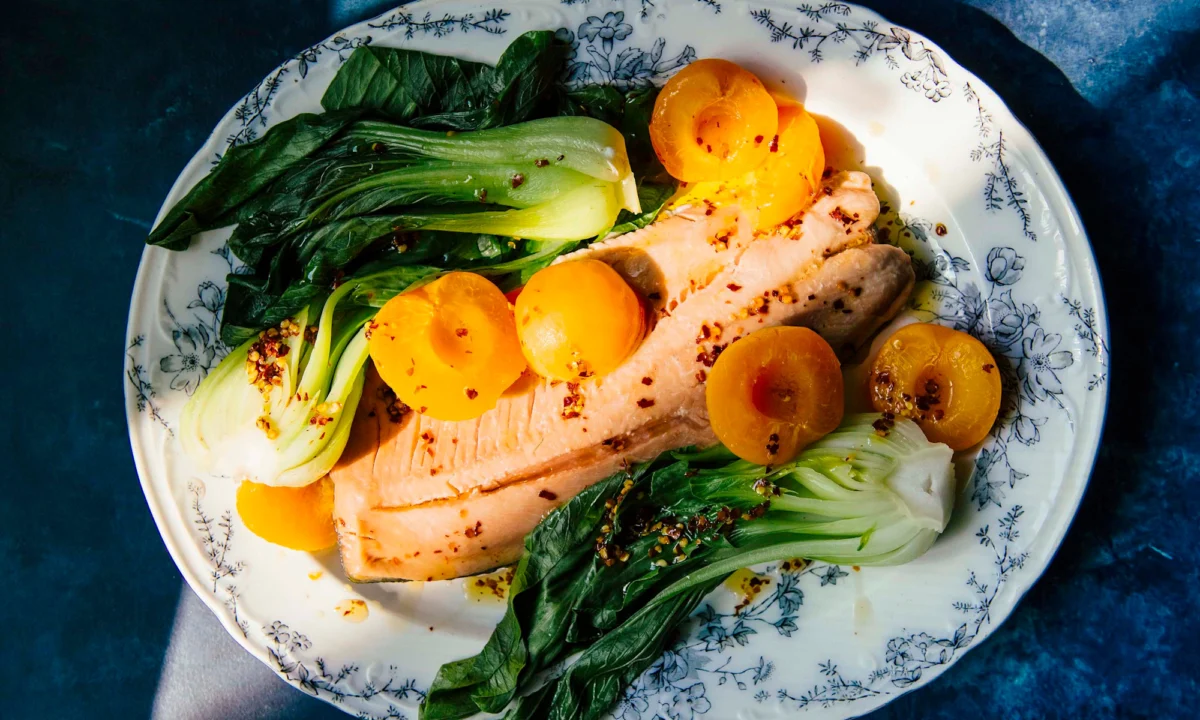
The realm of leafy greens offers a fascinating array of textures and flavors, and within the vast brassica family, the "choi" or "choy" group stands out for its unique characteristics and culinary versatility. This broad classification encompasses a variety of Chinese cabbages, including bok choy, tatsoi, pak choi, and choy sum. Unlike their head-forming counterparts such as napa or savoy cabbage, these varieties are distinguished by their broad, often spoon-shaped leaves and the absence of a tightly bound head. Their prevalence at farmers markets, particularly during the cooler months of spring and fall, underscores their appeal to both home cooks and chefs seeking vibrant, nutrient-dense ingredients. While these specific choi varieties are often sought after, a range of adaptable alternatives exists for those unable to source them, including readily available napa and savoy cabbages. A crucial preliminary step in preparing any of these greens involves meticulous washing, with particular attention paid to removing any soil that may accumulate at the base of the stems, ensuring both cleanliness and optimal flavor.
Understanding the Choi Family: A Culinary Spectrum
The term "choi," a phonetic representation of the Mandarin word for vegetable, serves as a convenient umbrella term for a diverse group of Chinese cabbages that share a common botanical heritage and distinctive growth patterns. These are not solitary, tightly packed heads but rather loose rosettes of leaves emerging from a central stalk. This structure lends itself to varied culinary applications, from quick stir-fries to hearty soups and braises.
-
Bok Choy: Perhaps the most widely recognized member of the choi family, bok choy is characterized by its thick, crisp white stems and tender, dark green leaves. Its flavor is mild and slightly sweet, making it a popular choice for a wide range of dishes.
-
Tatsoi: Smaller and more compact than bok choi, tatsoi boasts spoon-shaped leaves with a slightly peppery bite. It cooks quickly and retains a pleasing crunch, making it ideal for salads or as a delicate addition to sautés.
-
Pak Choi: Similar to bok choy but generally smaller, pak choi features paler green stems and a more tender texture overall. It offers a subtly sweet flavor profile that complements many Asian cuisines.
-
Choy Sum: This variety is notable for its flowering stalks and tender leaves, often referred to as "flowering bok choy." It has a slightly more pronounced, subtly bitter flavor compared to its non-flowering cousins, and its delicate stems and leaves cook very rapidly.
The botanical classification places these vegetables within the Brassica rapa species, specifically in subspecies like chinensis (bok choy, pak choi) and narinosa (tatsoi). Their genetic makeup contributes to their characteristic crispness and the slightly pungent notes often associated with brassicas.
Seasonal Availability and Substitution Strategies
The optimal growing conditions for choi varieties are the cooler temperatures of spring and autumn. This seasonality dictates their availability, with peak freshness and flavor often coinciding with these periods. For consumers who may not have access to Asian grocery stores or farmers markets during these times, or who wish to explore alternatives, several common cabbage varieties offer suitable replacements.
Napa cabbage, a larger, oblong variety with crinkled, pale green leaves and white ribs, shares a similar mild flavor and tender texture, particularly when its core is removed. Savoy cabbage, recognizable by its deeply ruffled, dark green leaves, possesses a more robust flavor and a slightly firmer texture that can stand up to longer cooking times. When substituting, it is essential to consider the intended cooking method. For quick stir-fries, the more tender outer leaves of napa or savoy might be preferred, while the tougher inner portions could be reserved for braising or soups.
The Importance of Meticulous Preparation
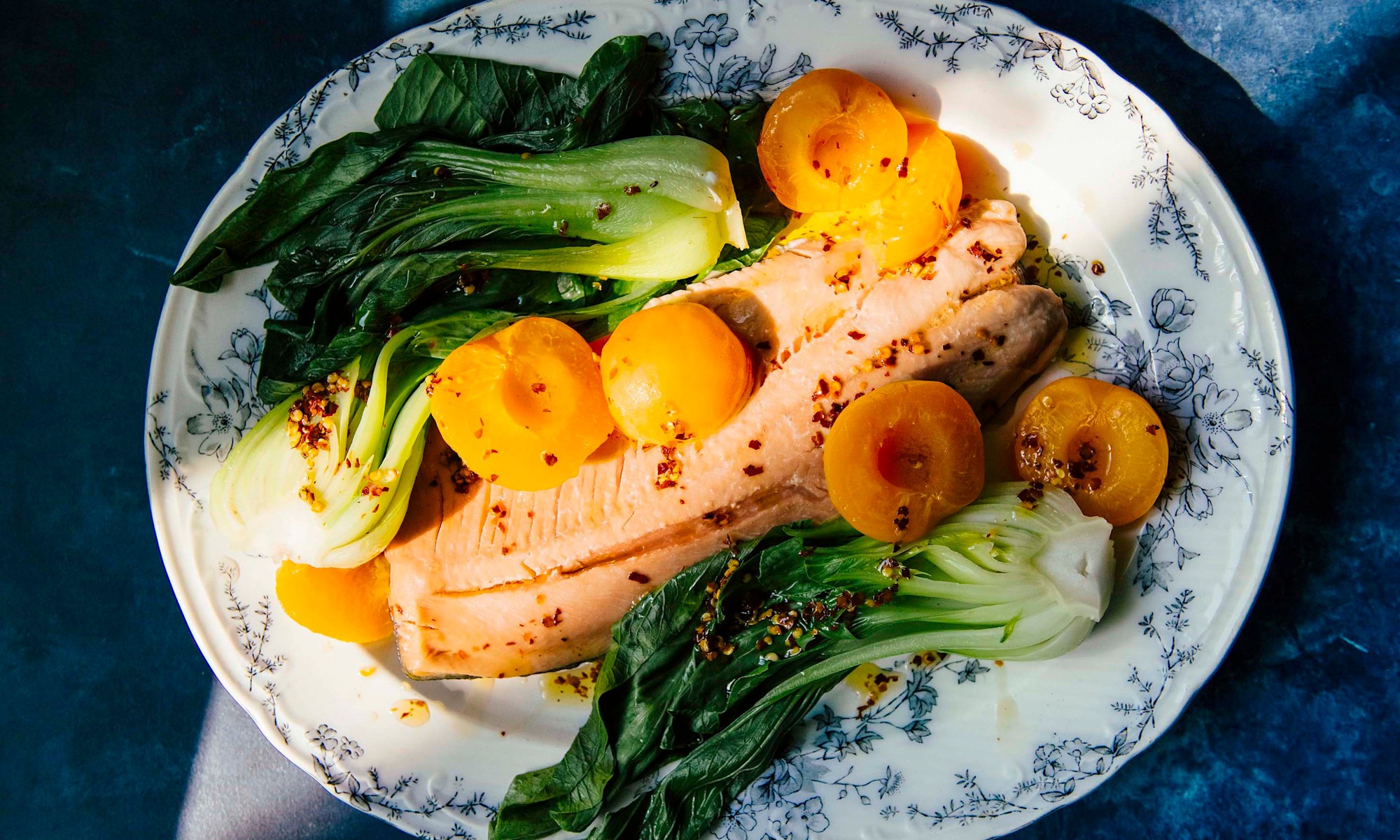
Regardless of the specific choi variety or its substitute, a critical step in preparing these leafy greens is thorough washing. The natural growth habit of these cabbages, with their tightly packed leaves and often a distinct base where the stem meets the roots, can trap soil and grit. A systematic approach to cleaning is therefore paramount. This typically involves:
- Separating the Leaves: For larger varieties like bok choy, gently pulling apart the stalks allows for better access to the inner surfaces.
- Rinsing Under Running Water: Holding the separated stalks or leaves under a strong stream of cool water can dislodge surface dirt.
- Soaking and Agitating: Submerging the greens in a basin of cool water and swishing them gently can help loosen any embedded soil. Repeat this process multiple times, changing the water until it runs clear.
- Attending to the Stems: Pay particular attention to the base of the stems where dirt can accumulate most stubbornly. A small brush can be helpful for removing any persistent particles.
This diligent cleaning ensures that the inherent flavors of the choi are not masked by grit and that the final dish is both palatable and safe for consumption.
Nutritional Profile and Health Benefits
Beyond their culinary appeal, choi varieties are nutritional powerhouses, offering a wealth of vitamins, minerals, and beneficial compounds. As members of the cruciferous vegetable family, they are particularly rich in:
- Vitamin C: An essential antioxidant that supports immune function and skin health.
- Vitamin K: Crucial for blood clotting and bone health.
- Vitamin A (in the form of beta-carotene): Important for vision, immune function, and cell growth.
- Folate: Vital for DNA synthesis and cell division, particularly important during pregnancy.
- Minerals: Good sources of calcium, potassium, and magnesium, which play roles in various bodily functions, including muscle and nerve function, and blood pressure regulation.
Furthermore, cruciferous vegetables are renowned for their glucosinolates, compounds that break down into isothiocyanates and indoles. These phytonutrients have been the subject of extensive research for their potential anti-inflammatory and anti-cancer properties. While direct causal links require further investigation, population studies have often associated higher consumption of cruciferous vegetables with a reduced risk of certain chronic diseases. The fiber content in choi also contributes to digestive health and can aid in weight management by promoting satiety.
Culinary Applications: A Versatile Ingredient
The mild, slightly sweet flavor and varied textures of choi family members make them incredibly versatile in the kitchen. Their ability to cook quickly or be braised for tenderness opens up a wide array of preparation methods.
- Stir-Frying: This is a classic method for choi, allowing the leaves to wilt slightly while the stems retain a pleasant crispness. A quick sauté with garlic, ginger, and a touch of soy sauce or oyster sauce is a simple yet delicious preparation.
- Soups and Broths: Chopped choi can be added to noodle soups, miso soups, or clear broths, contributing freshness and nutrients. The stems can be added earlier in the cooking process to soften, while the leaves can be added just before serving.
- Braised Dishes: For a richer flavor and softer texture, choi can be braised in stocks, sauces, or even rendered pork fat. This method is particularly effective for the tougher stems.
- Steaming: Steaming is a gentle cooking method that preserves the vibrant color and delicate flavor of choi. Steamed choi can be served with a simple drizzle of sesame oil or a light dressing.
- Salads: Young, tender leaves of tatsoi or baby bok choy can be incorporated into salads for added texture and a subtle peppery note.
The adaptability of choi means it can bridge the gap between simple weeknight meals and more elaborate culinary creations.
Market Trends and Consumer Interest
The growing global interest in plant-based diets and the increasing awareness of the health benefits associated with nutrient-dense vegetables have contributed to the rising popularity of ingredients like the choi family. As consumers seek out diverse flavors and healthier eating options, the unique characteristics of these Chinese cabbages have found a wider audience.
Data from agricultural organizations and market research firms indicate a steady increase in the consumption of specialty Asian vegetables in Western markets. This trend is driven by several factors:
- Culinary Globalization: The increasing exposure to and adoption of Asian cuisines has broadened palates and introduced consumers to a wider range of ingredients.
- Health and Wellness Movement: The emphasis on whole foods, plant-based nutrition, and disease prevention has put ingredients like cruciferous vegetables in the spotlight.
- Accessibility: The expansion of ethnic grocery stores and the inclusion of Asian produce sections in mainstream supermarkets have made these ingredients more readily available.
This increased demand has, in turn, led to greater cultivation efforts by farmers and a wider presence in retail channels, further solidifying the place of choi varieties in the modern culinary landscape. The ongoing exploration of these versatile greens promises to continue enriching diets and culinary experiences worldwide.

