

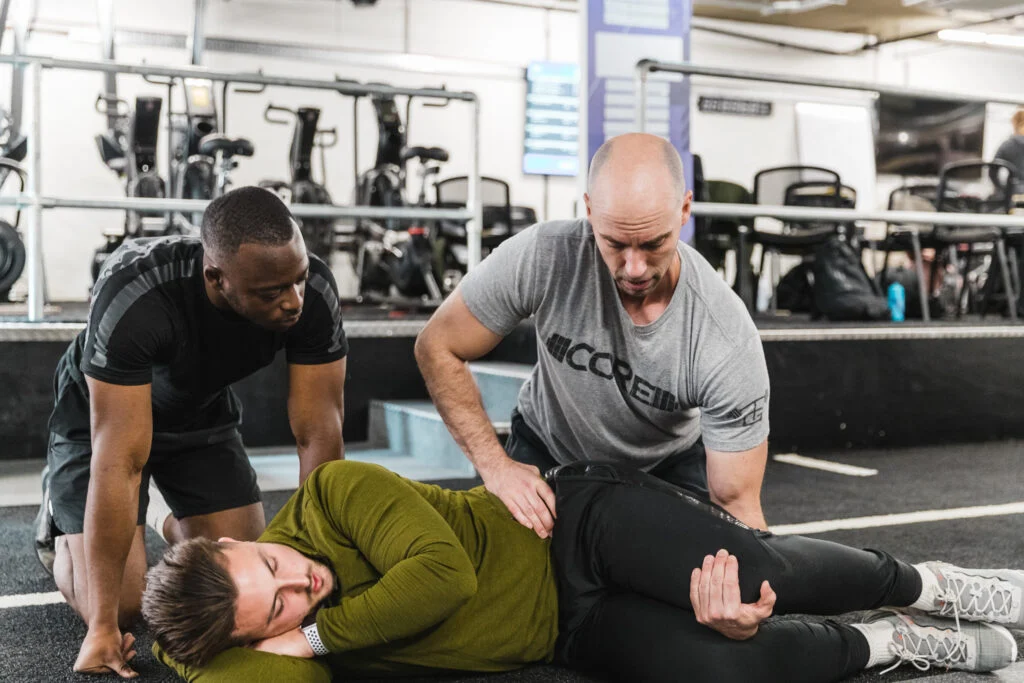
The selection of a personal trainer represents a significant financial and physiological commitment, often categorized by industry experts as a high-stakes investment in personal health and long-term physical sustainability. While the initial capital outlay for a personal training contract may not mirror that of a real estate or automotive purchase, the longitudinal impact on a client’s musculoskeletal health, metabolic efficiency, and injury prevention necessitates a rigorous vetting process. As the global fitness industry continues to expand, the distinction between qualified practitioners and unverified enthusiasts has become increasingly opaque, prompting a demand for standardized selection criteria. Professional strength and conditioning specialists emphasize that a coach’s role is to navigate the complexities of anatomy and physiology to deliver results in the most time-efficient and safest manner possible, whether the objective is rehabilitation, athletic performance, or general hypertrophy.
The Critical Role of Credentialing and National Accreditation
In the current regulatory landscape, the title of "personal trainer" remains largely unprotected in several jurisdictions, leading to a saturated market where qualifications vary significantly. To mitigate risk, consumers are advised to prioritize professionals holding certifications from organizations accredited by the National Commission for Certifying Agencies (NCCA). Among the industry’s "gold standard" credentials are those issued by the National Strength and Conditioning Association (NSCA), the National Academy of Sports Medicine (NASM), and the American Council on Exercise (ACE).
The NSCA’s Certified Strength and Conditioning Specialist (CSCS) designation, for instance, requires a minimum of a bachelor’s degree in a related field, ensuring a foundational understanding of biomechanics and bioenergetics. Furthermore, emerging educational platforms such as Show Up Fitness have begun to emphasize the necessity of practical, in-person internship hours to supplement theoretical knowledge. A certified professional is theoretically grounded in the principles of progressive overload, periodization, and corrective exercise, providing a layer of consumer protection against substandard programming that could lead to acute or chronic injury.
The Evolution of the Fitness Industry: A Chronological Perspective
The professionalization of personal training has undergone a significant transformation over the last four decades. In the 1970s and 1980s, the "gym culture" was largely decentralized, with instruction often provided by experienced lifters without formal academic backing. The focus was primarily on bodybuilding and aesthetic outcomes rather than functional health or scientific methodology.
By the 1990s, the founding of major certifying bodies brought a shift toward standardized testing and continuing education requirements. The early 2000s saw the rise of specialized niches, including functional movement screens and sports-specific conditioning. However, the 2010s introduced a new challenge: the democratization of fitness information via social media. This era allowed individuals with high aesthetic appeal but low technical proficiency to garner large followings, often bypassing traditional credentialing routes. Today, the industry is in a phase of "corrective professionalization," where the emphasis is returning to evidence-based practice and rigorous intake protocols to distinguish legitimate professionals from "influencer" coaches.
Quantitative Data on the Personal Training Market
According to data from the U.S. Bureau of Labor Statistics (BLS), employment for fitness trainers and instructors is projected to grow by 14 percent from 2022 to 2032, a rate significantly faster than the average for all occupations. This growth is driven by an aging population seeking to maintain mobility and a corporate shift toward wellness programs to reduce healthcare costs.
Market research from IBISWorld indicates that the personal training industry in the United States alone is valued at approximately $14.3 billion. Despite this growth, the industry remains fragmented. Statistical analysis suggests that clients who work with certified trainers report a 30% higher adherence rate to long-term fitness programs compared to those who exercise independently. However, the same data indicates that approximately 25% of active trainers in the boutique sector do not possess an NCCA-accredited certification, highlighting a significant gap in market quality control.
Assessing Professional Competence Through Intake and Assessment Protocols
A primary differentiator between a high-level coach and a novice instructor is the implementation of a comprehensive "Assessment" or "Intake" session. Industry standards dictate that no physical training should commence without a thorough review of the client’s medical history, previous injuries, and specific physiological goals.
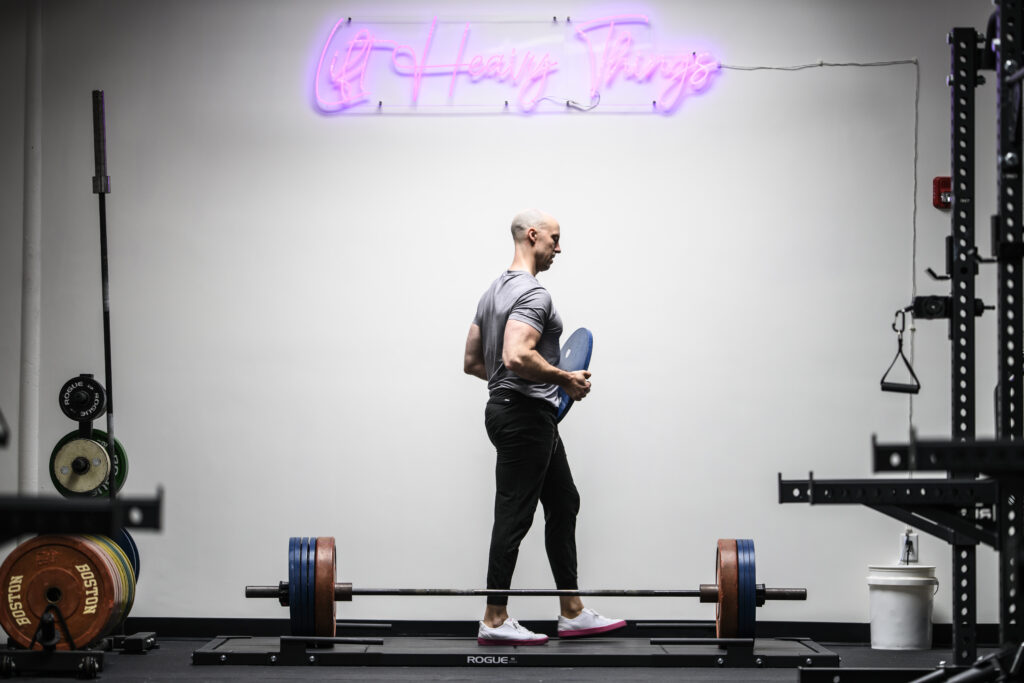
A professional assessment typically includes:
- Movement Screening: Evaluating joint mobility and stability to identify potential "speed bumps" or biomechanical inefficiencies.
- Biometric Data Collection: Establishing baselines for body composition, heart rate variability, or strength levels.
- Goal Alignment: Ensuring the client’s expectations are realistic and that the trainer has the specific expertise to meet them.
Failure to conduct an initial assessment is widely regarded by industry veterans as a "red flag." Without a baseline, any subsequent programming is speculative rather than prescriptive. In the context of strength and conditioning, "prescriptive" training involves tailoring variables such as volume, intensity, and frequency to the individual’s current capacity and recovery ability.
Navigating the Digital Landscape: Social Media as a Professional Proxy
In the modern era, a trainer’s social media presence often serves as a digital resume. However, analysts suggest that consumers must exercise "reconnaissance" to look past performative content. A professional’s feed should ideally serve as an educational resource, showcasing client progress and evidence-based techniques rather than focusing exclusively on the trainer’s own physical attributes.
The phenomenon of the "performative coach"—those who prioritize self-promotion and "body architecture" over client-centric education—is a point of contention within the industry. While maintaining a high level of personal fitness is often expected, the inability to translate that personal success into client results is a common pitfall. Professionalism also extends to branding; experts suggest that nebulous titles such as "transformation guru" or "lifestyle architect" often mask a lack of formal education in exercise science.
Psychological and Interpersonal Dynamics in Coaching
Beyond technical proficiency, the efficacy of a personal trainer is heavily reliant on interpersonal skills. The "Working Alliance," a concept borrowed from clinical psychology, refers to the collaborative relationship between a professional and a client. Research suggests that the strength of this alliance is a better predictor of success than any specific training modality.
A trainer must be able to communicate complex physiological concepts in a concise and accessible manner. "Word vomit"—the use of excessive jargon to confuse or impress—is often a sign of insecurity or a lack of deep understanding. Furthermore, the personality fit is crucial; given that clients often spend several hours a week with their coach, a lack of rapport can lead to decreased motivation and eventual burnout. Professionalism in dress and conduct, such as avoiding overly casual attire like cut-off shirts in a professional setting, also serves as a proxy for the trainer’s respect for their craft and their clients.
Official Responses and Industry Implications
Major health organizations, including the American Heart Association (AHA) and the American College of Sports Medicine (ACSM), have consistently advocated for the integration of qualified fitness professionals into the broader healthcare continuum. The "Exercise is Medicine" initiative, for example, seeks to create a referral system where physicians can direct patients to certified trainers for chronic disease management.
However, the success of such initiatives depends entirely on the reliability of the trainers. If the fitness industry cannot self-regulate through high standards of certification and professional conduct, it risks being excluded from these lucrative and impactful healthcare partnerships. The broader implication is that the "personal trainer" of the future must be as much a data analyst and behavioral coach as they are a motivator.
Conclusion: The Path Toward Informed Consumerism
For the consumer, the process of hiring a personal trainer should be approached with the same due diligence as hiring a legal or financial advisor. By focusing on accredited certifications, the presence of a rigorous assessment protocol, and a professional digital and interpersonal presence, individuals can maximize their return on investment. As the fitness market continues its rapid expansion, the burden of quality control remains partially on the consumer to demand high standards of expertise and professionalism. Ultimately, the transition from a "bodybuilder" mindset to a "strength and conditioning" professional standard represents the maturation of an industry that is vital to public health and longevity.

