

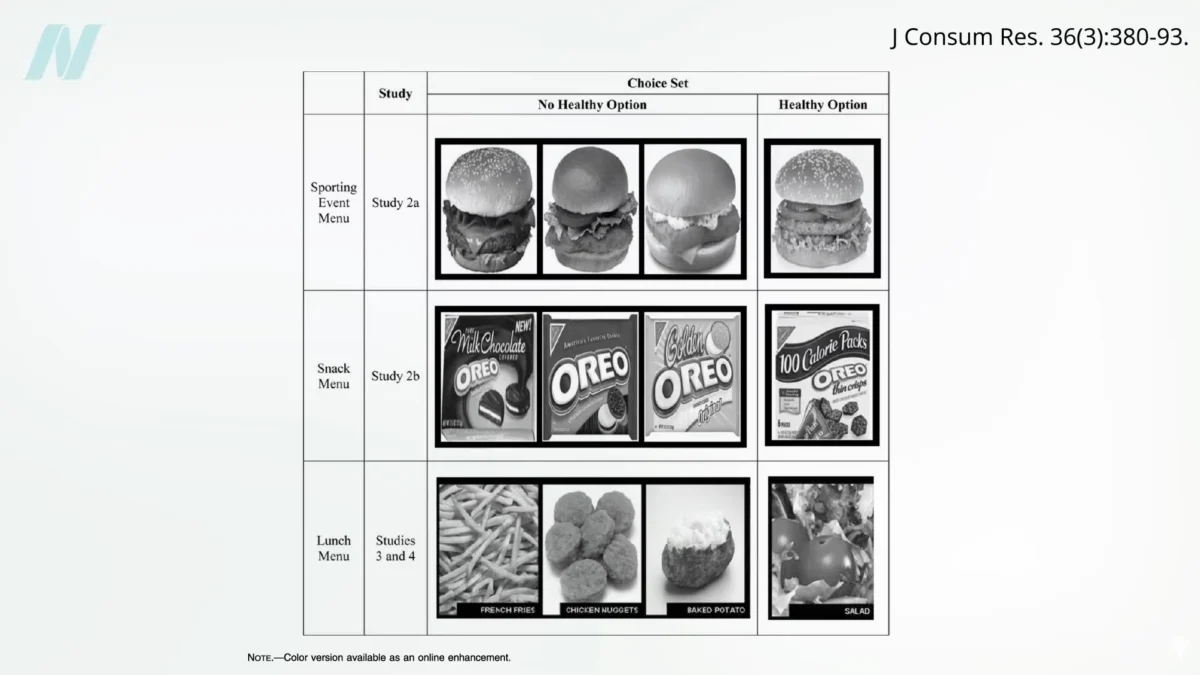
The well-intentioned introduction of calorie labeling on menus in national chain restaurants, mandated in 2017, has yielded surprisingly counterproductive results, revealing a complex interplay between consumer psychology and dietary decision-making. Far from empowering individuals to make healthier choices, the presence of calorie information has, in many instances, led to a marginal, statistically insignificant reduction in calorie intake, and in some cases, has paradoxically encouraged consumers to opt for even less healthy alternatives. This phenomenon, rooted in what researchers term "vicarious goal fulfillment" and "self-licensing," challenges the fundamental assumptions underpinning many public health interventions aimed at modifying food consumption habits.
The Rise and Fall of Calorie Labeling
The push for menu labeling gained momentum in the early 2010s, fueled by growing public concern over rising obesity rates and the perceived need for greater transparency in the food industry. New York City was a pioneer, implementing a mandate for calorie information on restaurant menus in 2008. However, early studies evaluating its impact on consumer behavior in the city indicated a negligible effect, with an average calorie reduction of a mere eight calories per meal. This finding set a precedent, casting doubt on the efficacy of simple information provision as a sole driver of dietary change.
Despite these early reservations, the concept continued to gain traction. In 2012, McDonald’s, a global fast-food giant, voluntarily began posting calorie counts on its menus nationwide. This move was seen by some as a proactive step towards consumer well-being, while others viewed it as a strategic response to regulatory pressures, designed to enhance the company’s public image without significantly altering its core offerings. The company’s simultaneous announcement of plans to introduce seasonal produce to its menu further complicated the narrative, presenting a seemingly positive step towards healthier options.
The national mandate, enacted in 2017, aimed to standardize this practice across all chain restaurants with 20 or more locations. The legislative intent was clear: to equip consumers with the data necessary to make informed decisions about their food intake, thereby contributing to a broader public health agenda. The expectation was that a clear understanding of caloric content would naturally steer individuals towards lower-calorie, healthier selections, leading to a cumulative reduction in overall calorie consumption outside the home.
The Unforeseen Consequences of "Healthy" Options
However, research emerging from academic institutions has begun to illuminate a disquieting paradox. The introduction of healthier choices on menus, rather than simply acting as a more virtuous alternative, can actually trigger a psychological "indulgence license," prompting consumers to make even less healthy decisions.
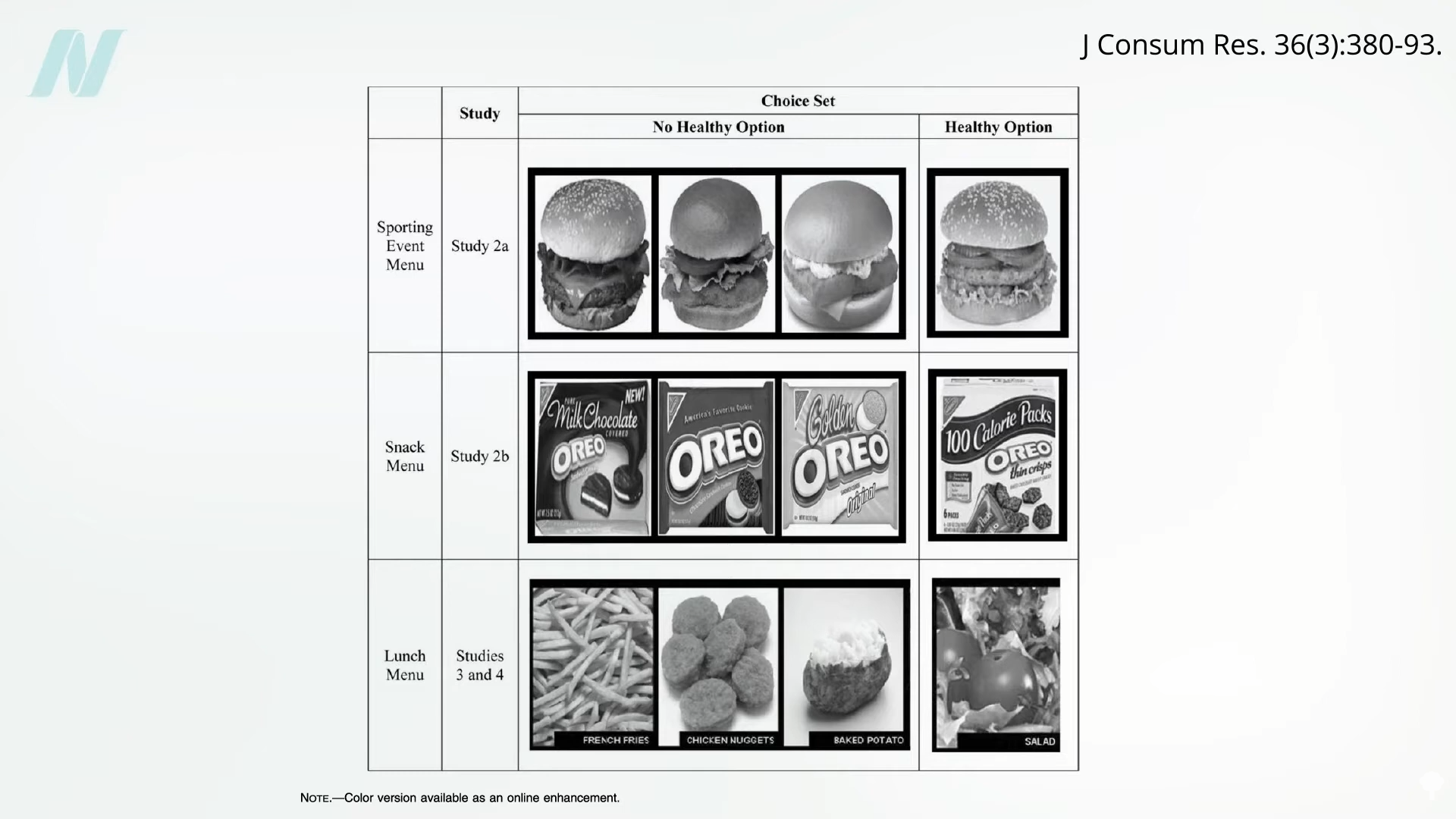
One series of experiments, detailed in a paper titled "Vicarious Goal Fulfillment: When the Mere Presence of a Healthy Option Leads to an Ironically Indulgent Decision," explored this phenomenon. In a controlled setting where participants were offered a choice of side dishes—ranging from French fries to a baked potato and a side salad—the presence of the salad, the healthiest option, had a peculiar effect. Without the salad, approximately 10% of participants chose the fries. However, when the salad was introduced, the percentage of individuals opting for fries more than tripled, reaching 33%. This counterintuitive outcome suggests that the availability of a healthy option did not necessarily lead to its selection, nor did it necessarily steer individuals towards a moderate choice. Instead, it appeared to embolden a segment of the population to embrace the more indulgent option.
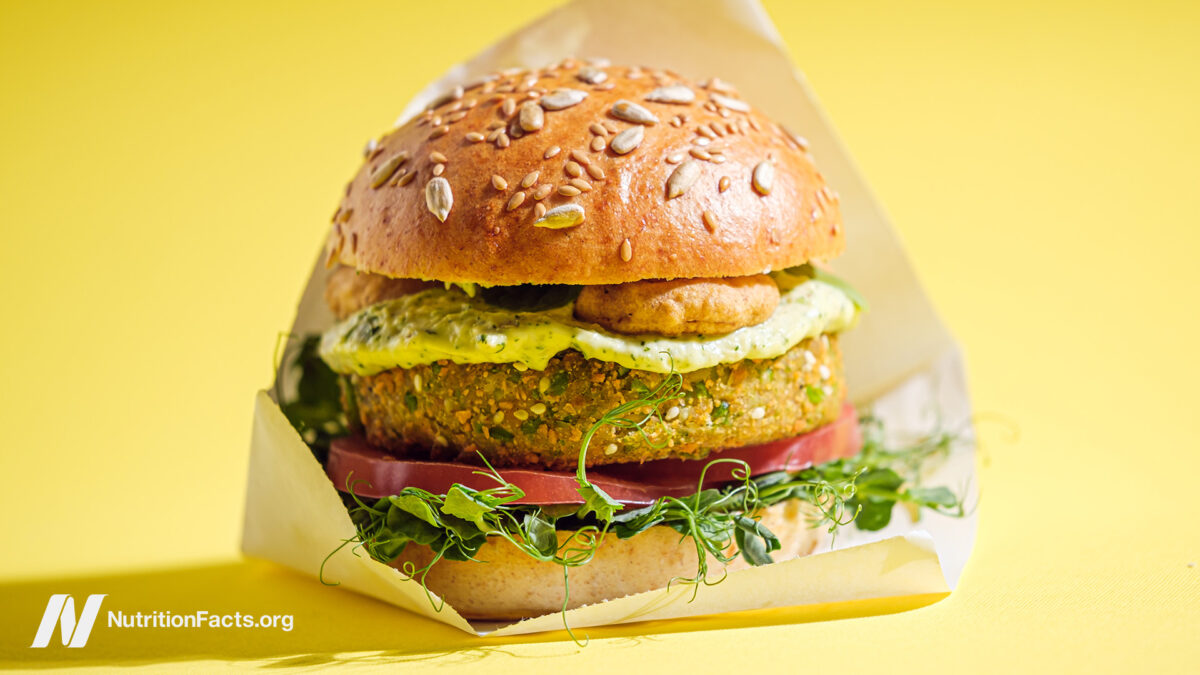
This effect was further observed when participants were presented with choices between a bacon cheeseburger, a chicken sandwich, and a veggie burger. In a scenario without a distinctly healthy option, where the choice was between a bacon cheeseburger, a chicken sandwich, and a fish sandwich, 17% of participants selected the burger. However, when the fish sandwich was replaced with a veggie burger, the preference for the bacon cheeseburger surged to 37%. The mere presence of the healthy veggie burger, in this context, doubled the likelihood of choosing the most indulgent item.
The Psychology at Play: Self-Licensing and Vicarious Goal Fulfillment
Researchers attribute these seemingly illogical consumer behaviors to distinct psychological mechanisms. "Vicarious goal fulfillment" suggests that the mere contemplation or perceived progress towards a goal can provide a psychological buffer, allowing individuals to deviate from that goal in the present. In essence, by seeing a healthy option like a salad or a veggie burger, individuals may subconsciously tell themselves, "I’ve already made a healthy choice by considering this, so I can afford to indulge now." This mental accounting then rationalizes the selection of a less healthy item.
A related concept, "self-licensing," further explains this tendency. This occurs when individuals justify indulging in a less desirable behavior after having engaged in a virtuous one. For instance, someone who has recently lost weight might feel licensed to consume a large dessert, viewing it as a reward for their past efforts. This psychological phenomenon can manifest in various aspects of life, including dietary choices.
Experimental Evidence Beyond the Menu
The implications of these psychological quirks extend beyond restaurant menus. Studies involving smokers have illustrated this principle. When smokers were given what they believed to be vitamin C supplements (even though they were identical placebo pills), they subsequently smoked significantly more cigarettes compared to a control group who received placebo pills that were not framed as a health supplement. The rationale, researchers posited, was that taking a perceived health-conscious action ("doing something good for their health") provided them with a subconscious justification to engage in a detrimental behavior ("live a little").
Similar findings have emerged in studies related to diet and exercise. In one experiment, participants who believed they were taking dietary supplements (which were actually placebos) reported less desire to exercise and subsequently engaged in less physical activity. Furthermore, they were more likely to choose a buffet over a "healthy, organic meal." A seminal study, "The Liberating Effect of Weight Loss Supplements on Dietary Control," directly tested this in a buffet setting. Participants who were led to believe they were taking a weight-loss supplement (again, a placebo) consumed more food, selected less healthy items, ate approximately 30% more candy in a subsequent "taste test," and ordered more sugary drinks. The investigators concluded that individuals who rely on dietary supplements for health protection may face a "curse of licensed self-indulgence."
The "What the Hell Effect" and Perceptual Distortions
The psychological phenomenon known as the "what the hell effect" also plays a significant role. This occurs when an individual, having already deviated from their intended path, decides to abandon all restraint. For dieters, this might mean eating an entire bag of cookies after having just one "forbidden" cookie. Applied to food choices, the decision to have a salad next time can, paradoxically, lead to the selection of the most indulgent option in the current instance, as the individual rationalizes, "I’ve already made a healthy mental commitment, so this one indulgence won’t hurt."
Further complicating matters are the perceptual distortions induced by the "health halo effect." When a less healthy item is presented alongside a healthy one, the unhealthy item can appear to be less calorically dense than it actually is. In one experiment, participants estimated a burger to contain 734 calories when presented alone. However, when the same burger was accompanied by three celery sticks, the estimated calorie count dropped to 619 calories. This suggests that the mere juxtaposition of a burger with celery, despite the celery itself containing calories, made the burger seem healthier by comparison. This perceptual bias has been observed with various food pairings, such as an apple with a bacon-and-cheese waffle sandwich, a side salad with beef chili, or carrots next to a cheesesteak, leading to an estimated calorie reduction of up to 100 calories.
This health halo effect can also influence ordering behavior. Studies suggest that consumers are more likely to order dessert and sugary drinks when presented with a "healthier" sub at a chain like Subway compared to a less healthy option at a place like McDonald’s, even if the sub in question is, in reality, more calorically dense. The perception of having made a healthier choice at the outset can then license further indulgence.
The Subtle Power of Association
Even a simple reference to healthy foods can trigger these effects. When presented with an advertisement for a Big Mac, participants estimated its calorie content at 646 calories. However, when the same ad included the text "For your health, eat at least five fruits and vegetables per day," the estimated calorie count for the Big Mac dropped to 503 calories. This demonstrates that the mere promotion of healthy eating, even without a direct choice being made, can subtly alter perceptions of less healthy items, potentially bolstering consumer loyalty without necessarily improving dietary outcomes.
Implications for Public Health Strategy
The findings from these studies raise critical questions about the effectiveness of current public health strategies focused on information provision. While transparency regarding nutritional content is undoubtedly valuable, it appears insufficient on its own to drive sustained healthy eating habits. The complex psychological factors at play suggest that interventions may need to move beyond simple labeling and explore more nuanced approaches.
The data implies that simply adding "healthy options" to menus, without considering the psychological ramifications, could inadvertently lead to increased consumption of less healthy foods. This suggests a need for careful consideration in menu design and marketing strategies. Furthermore, the "health halo" effect highlights how the presentation and association of foods can significantly influence consumer perception and choice, underscoring the importance of understanding these cognitive biases in designing effective public health campaigns.
Moving forward, policymakers and the food industry may need to explore strategies that acknowledge and account for these psychological tendencies. This could involve more robust educational initiatives that delve into the nuances of decision-making, or potentially, more direct interventions that guide consumers towards consistently healthier choices, rather than relying solely on the passive provision of information. The paradox of healthy options leading to unhealthier choices serves as a stark reminder that human behavior is often driven by intricate psychological mechanisms that defy simple, linear cause-and-effect assumptions.
Future Directions and Doctor’s Notes
The ongoing research into consumer psychology and dietary choices continues to uncover fascinating insights into why individuals make the food decisions they do. For those interested in further exploration, topics such as optimism bias and its impact on health choices, as well as the fight against trans fats and the testing of ultra-processed foods, offer additional perspectives on the complexities of nutrition and public health. The insights gleaned from these studies are crucial for developing more effective strategies to promote healthier lifestyles in an increasingly complex food environment.

