

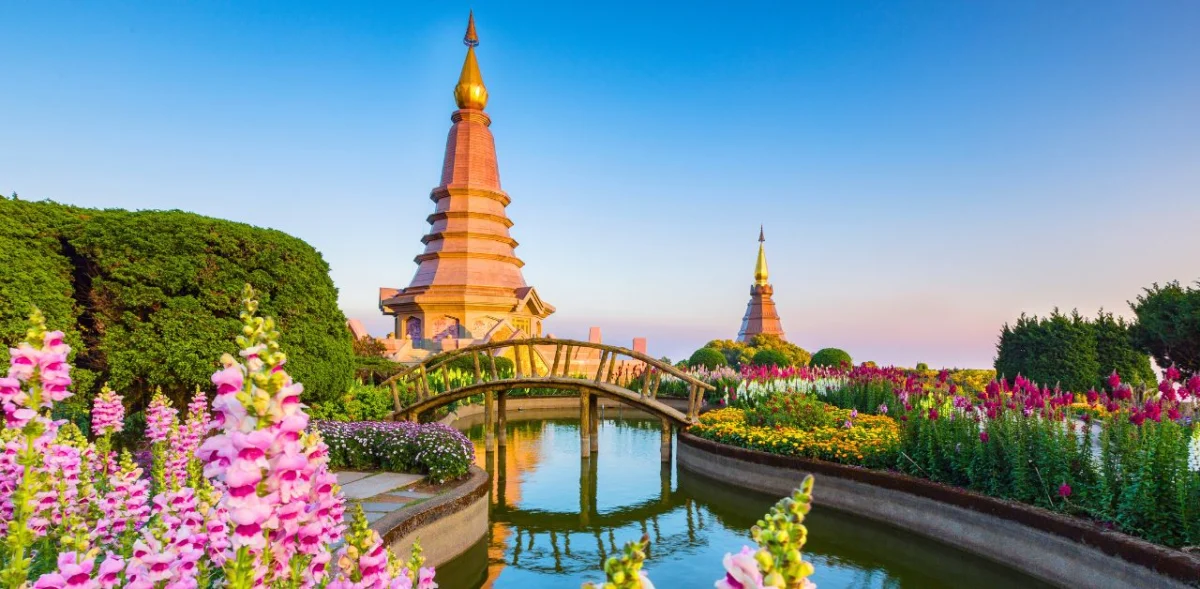
Thailand’s tourism sector has undergone a significant transformation in the post-pandemic era, shifting its strategic focus from mass-market volume to high-value, sustainable, and comfort-oriented experiences. As the Kingdom welcomed over 28 million international visitors in 2023, the demand for sophisticated itineraries that balance cultural immersion with logistical ease has reached an all-time high. Exploring Thailand in comfort requires a multifaceted approach that integrates seasonal awareness, professional logistical management, and a deep respect for the nation’s environmental and social fabrics. By prioritizing "slow travel" and utilizing modern infrastructure, travelers can navigate the diverse landscapes—from the mist-shrouded peaks of the north to the crystalline waters of the Gulf and the Andaman Sea—without the traditional stresses associated with international expeditions.

Strategic Seasonal Planning and Regional Climates
The primary factor determining the comfort of a Thai expedition is the timing of the visit. Thailand’s climate is governed by two major monsoon systems, creating distinct weather patterns that vary significantly between the northern, central, and southern regions. According to data from the Thai Meteorological Department, the "cool season," which spans from November to February, offers the most temperate conditions for outdoor exploration, with average temperatures ranging between 18°C and 32°C.
However, a nuanced understanding of regional variations is essential for a comfortable journey. While the northern provinces of Chiang Mai and Chiang Rai experience crisp evenings during this period, the southern peninsula faces asymmetrical weather patterns. The Andaman Coast (Phuket, Krabi, Phi Phi) enjoys its peak dry season from November to April, making it ideal for maritime activities. Conversely, the Gulf of Thailand (Koh Samui, Koh Phangan, Koh Tao) often experiences heavy rainfall in November and December, with its optimal weather window occurring between February and August. Travelers who fail to account for these regional discrepancies may find their comfort compromised by localized monsoon cycles or the "burning season" in the north, typically occurring between February and April, when agricultural practices can lead to reduced air quality.

The Rise of Professional Itinerary Management
As global travel logistics become increasingly complex, the role of travel experts and bespoke tour operators has expanded. The modern "comfort traveler" is moving away from the DIY model in favor of curated experiences that mitigate the risks of over-tourism and logistical bottlenecks. Organizations such as Black Tomato have noted a surge in demand for personalized itineraries that emphasize exclusive access and seamless transitions between destinations.
Professional planners provide a layer of security and efficiency by managing "ground handling," which includes airport fast-track services, private chauffeured transfers, and pre-vetted accommodations. The Tourism Authority of Thailand (TAT) has actively encouraged this shift toward high-end tourism through its "Amazing Thailand" campaigns, which highlight luxury wellness retreats and boutique heritage stays. By delegating the complexities of flight connections, hotel vetting, and activity bookings to experts, travelers can avoid the cognitive load of navigation and focus on the cultural and sensory aspects of their journey.

Infrastructure and the Evolution of Domestic Transport
The ease of movement within Thailand is a cornerstone of a comfortable travel experience. The nation has invested heavily in its transportation infrastructure, creating a multi-modal system that caters to various comfort levels. Domestic aviation remains the most efficient method for traversing the country’s 1,600-kilometer length. Carriers such as Bangkok Airways, which markets itself as "Asia’s Boutique Airline," offer private lounges for all passengers, significantly enhancing the transit experience at airports like Suvarnabhumi and Koh Samui.
For those seeking a more scenic and environmentally conscious alternative, the State Railway of Thailand (SRT) has introduced modern sleeper trains on major routes, such as the Special Express "Utrapath" to Chiang Mai. These services provide private berths and air-conditioned carriages, allowing travelers to witness the rural landscape of the central plains in relative luxury. Furthermore, the advent of ride-hailing applications like Grab and Bolt has revolutionized urban transport, providing transparent pricing and eliminating the language barriers and negotiations traditionally associated with local taxis and tuk-tuks. For families and small groups, private van transfers remain the gold standard for comfort, offering door-to-door service with customizable rest stops and climate control.

Sustainable Accommodations and Strategic Location
The selection of a base of operations significantly dictates the overall quality of a Thailand visit. Industry analysts have observed a growing trend toward "Green Hotels"—establishments that have received certification for their waste management, energy efficiency, and community engagement. Staying in well-located, high-quality accommodations not only saves time but also ensures a sanctuary from the high-energy environments of cities like Bangkok or Pattaya.
Proximity to key infrastructure is a vital consideration. In Bangkok, staying near the BTS Skytrain or MRT Subway lines allows travelers to bypass the city’s notorious traffic congestion. In resort areas, choosing properties with private beach access or integrated wellness facilities can reduce the need for external excursions, thereby increasing the "comfort quotient." Furthermore, the rise of "slow travel" has encouraged visitors to spend more nights in fewer locations. Rather than attempting a "whistle-stop" tour of the entire country, seasoned travelers are increasingly opting for five-to-seven-day stays in specific regions, allowing for a deeper connection with local markets, cafes, and neighborhoods.

Cultural Intelligence and Social Harmony
Comfort in Thailand is not merely physical; it is also psychological. Navigating the country with an understanding of "Thai-ness"—a complex set of social codes involving respect, hierarchy, and the concept of greng jai (consideration for others)—ensures smoother interactions and avoids the discomfort of social friction. Respect for the monarchy and religious institutions is paramount. The Thai government maintains strict lèse-majesté laws, and travelers are expected to dress modestly and remove footwear when entering temples (wats) or private homes.
Learning basic Thai phrases—such as Sawasdee (hello) and Khop Khun (thank you)—is more than a linguistic exercise; it is a gesture of respect that is highly valued by local residents. This cultural bridge-building often leads to more authentic and welcoming experiences, which are essential components of a comfortable and stress-free holiday.

Biodiversity and Conservation: The National Park Experience
Thailand’s natural heritage is protected within a robust system of 156 national parks, which serve as the primary draw for nature-focused travelers. Exploring these areas in comfort requires a balance of adventure and guided expertise.
Khao Yai National Park: A Terrestrial Sanctuary
As Thailand’s first national park and a UNESCO World Heritage site, Khao Yai spans over 2,100 square kilometers across the Phanom Dong Rak mountain range. It is home to one of the largest remaining populations of wild Asian elephants (Elephas maximus) in the country, with estimates suggesting between 300 and 400 individuals reside within the park’s boundaries. The comfort of the Khao Yai experience is enhanced by its proximity to Bangkok (approximately 2.5 hours) and the availability of luxury "glamping" sites and high-end resorts on the park’s periphery. Guided night safaris and bird-watching tours offer a structured way to observe rare species, including the Great Hornbill and the Asiatic Black Bear, while maintaining safety and comfort.

Ang Thong Marine National Park: Archipelago Exploration
In the Gulf of Thailand, the 42 islands of Ang Thong Marine National Park represent a different facet of Thai biodiversity. Covering 102 square kilometers, only about 18% of which is land, the park is famous for its limestone karsts and "Emerald Lake" (Thale Nai). For the comfort-conscious traveler, private speedboat charters from Koh Samui provide an alternative to the crowded "long-tail" boat tours. These private excursions allow for flexible timing, avoiding the peak hours when day-trippers congregate at popular snorkeling spots.
The Gibbon Rehabilitation Project: Ethical Wildlife Engagement
The ethical treatment of wildlife is a growing concern for international tourists. In Phuket, the Gibbon Rehabilitation Project (GRP) has been a leader in primate conservation since 1992. The project addresses the historical issue of "photo-prop" gibbons—young primates snatched from the wild for tourist entertainment. By focusing on rescue, rehabilitation, and eventual release into the Khao Phra Thaeo non-hunting area, the GRP provides an educational experience that aligns with modern ethical standards. Visitors can observe these "lesser apes" in a respectful environment, contributing to conservation through donations or the "Adopt a Gibbon" program, rather than supporting harmful exploitative practices.

Broader Implications and the Future of Thai Tourism
The shift toward comfortable, high-value travel has significant implications for Thailand’s economy and environment. By attracting travelers who stay longer and spend more, the Kingdom can reduce the ecological footprint associated with high-volume, low-margin tourism. The "Slow Travel" movement directly supports local economies by distributing wealth more evenly across smaller businesses, boutique hotels, and community-based tourism initiatives.
As Thailand continues to upgrade its digital infrastructure—including the widespread availability of 5G and the development of "Smart Cities"—the ease of travel is expected to improve further. However, the core of the Thai experience remains rooted in its traditional hospitality. For the discerning traveler, the best way to explore Thailand in comfort is to marry modern logistical tools with an ancient appreciation for the "Land of Smiles," ensuring a journey that is as enriching as it is effortless.

