

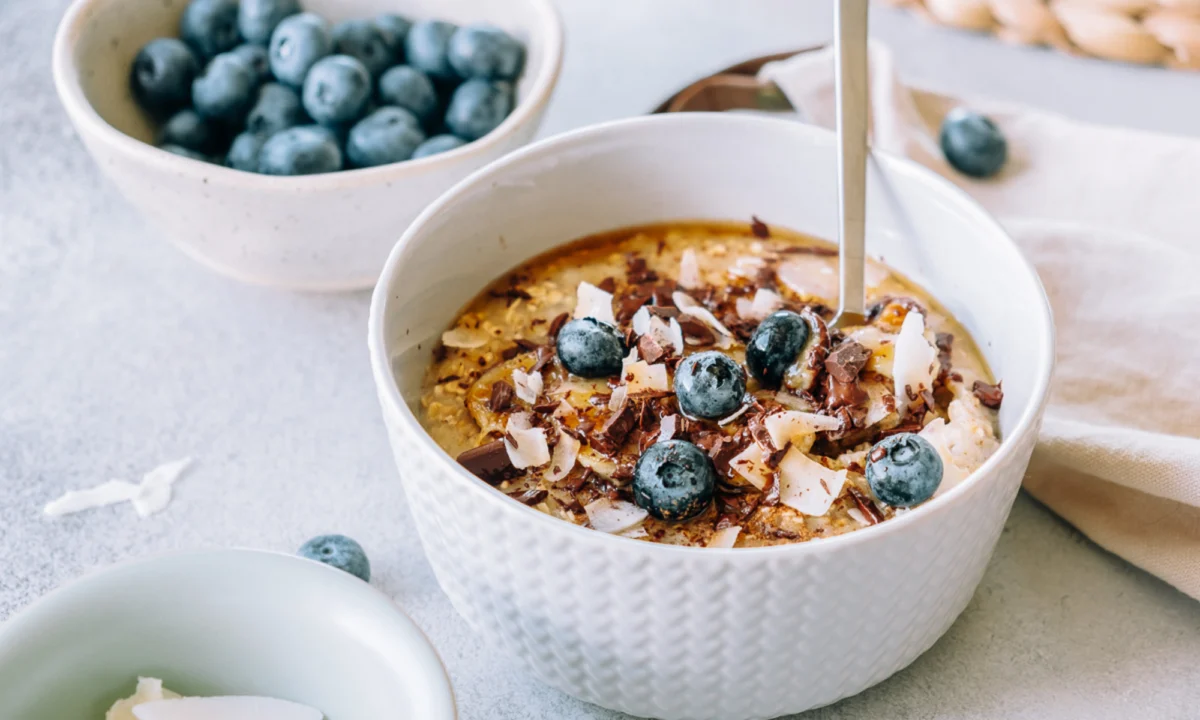
The humble bowl of oatmeal, a breakfast staple for its simplicity and affordability, is now being recognized for even more profound health benefits, particularly concerning cardiovascular well-being. Recent scientific findings published in the esteemed journal Nature Communications have illuminated a sophisticated mechanism by which oats actively contribute to cholesterol management, moving beyond the well-understood role of their soluble fiber content. This breakthrough research suggests that the synergy between oat compounds and the human gut microbiome unlocks a potent, multi-faceted approach to supporting heart health.
Unveiling the Hidden Mechanisms of Oat-Based Cholesterol Management
For decades, the heart-healthy reputation of oats has been largely attributed to their rich beta-glucan content, a type of soluble fiber known for its ability to bind with cholesterol in the digestive tract, preventing its absorption into the bloodstream. However, the latest scientific inquiry, spearheaded by a team of researchers investigating the intricate interactions within the digestive system, has unveiled a deeper layer of benefit. The study highlights the presence of unique phenolic compounds within oats, which are intrinsically linked to the fiber structure. Crucially, these compounds are not readily absorbed by the human body in their bound form. Their full health potential is realized through a complex biochemical process initiated by the gut microbiota.
When oats are consumed, the trillions of bacteria residing in the gut commence the process of fermenting the dietary fiber. This enzymatic breakdown liberates the bound phenolic compounds, transforming them into bioactive metabolites that can then enter the systemic circulation. Among these liberated compounds, ferulic acid has emerged as a key player. Ferulic acid is a potent antioxidant, and emerging evidence suggests it plays a significant role in regulating cholesterol metabolism. Once released into the bloodstream, these compounds can exert their beneficial effects throughout the body, contributing to a more comprehensive approach to cardiovascular health.
A Timeline of Discovery: From Fiber to Ferulic Acid
The understanding of oats’ health benefits has evolved over time. Early nutritional science focused on the macronutrient and micronutrient profiles of foods. The discovery of beta-glucan’s cholesterol-lowering properties in the latter half of the 20th century marked a significant advancement, solidifying oats’ position as a heart-healthy food. However, the precise biochemical pathways and the full spectrum of beneficial compounds remained areas of active research.
The recent study, conducted over a defined period and involving controlled dietary interventions, represents a crucial step forward. Researchers designed a randomized controlled trial to specifically investigate the impact of oat consumption on the release of phenolic metabolites. Participants were divided into groups receiving either a short-term, high-dose oat regimen or a longer-term, moderate intake as part of their regular diet. The study’s timeline was designed to capture both immediate and sustained effects on the gut microbiome’s activity and the subsequent presence of beneficial compounds in the bloodstream.
The findings, published in early 2026, provide a clear chronology of how oat consumption translates into enhanced cardiovascular support. The high-dose intervention, involving approximately 300 grams of oats daily over two days, demonstrated a significant increase in ferulic acid levels. More remarkably, this intensive regimen also led to a notable elevation in dihydroferulic acid, a closely related metabolite produced by gut bacteria from ferulic acid. This indicates a cascade effect, where the initial liberation of ferulic acid by the microbiome primes the system for further beneficial transformations. The six-week moderate intake group, consuming around 80 grams of oats daily, also showed positive increases in ferulic acid, underscoring the accessibility of these benefits through regular, everyday consumption.
Supporting Data: Quantifying the Impact
The scientific data generated from this research provides concrete evidence of oats’ multifaceted benefits. The study meticulously measured the concentrations of ferulic acid and dihydroferulic acid in the participants’ blood samples before, during, and after the intervention periods. The results indicated a statistically significant increase in these phenolic compounds following oat consumption.
For instance, the high-dose group experienced a marked surge in blood ferulic acid levels, suggesting a rapid and efficient release of this antioxidant. The concurrent rise in dihydroferulic acid further supports the hypothesis that the gut microbiome plays an active role in enhancing the bioavailability and metabolic activity of oat-derived compounds. While the precise quantitative impact on cholesterol levels was not the sole focus of this specific study, the established link between ferulic acid and cholesterol metabolism, combined with the observed increase in its presence, strongly implies a direct contribution to improved lipid profiles.
This research adds a vital layer of understanding to the existing body of evidence. Previous studies have consistently demonstrated that a higher intake of soluble fiber, such as that found in oats, is associated with reduced levels of low-density lipoprotein (LDL) cholesterol, often referred to as "bad" cholesterol. This new research complements those findings by identifying an additional, synergistic mechanism involving the gut microbiome’s ability to unlock potent antioxidant compounds that further support cardiovascular health.
Broader Implications: A Holistic Approach to Heart Health
The implications of this research extend beyond simply recommending oatmeal for breakfast. It underscores the profound interconnectedness of diet, the gut microbiome, and overall health. As our understanding of the microbiome’s role in human physiology expands, so too does our appreciation for foods that actively nourish and engage these microbial communities.
The findings suggest that individuals looking to proactively manage their cholesterol and support their cardiovascular system have a readily available, delicious, and cost-effective option in oats. The fact that these benefits are mediated, in part, by the gut microbiome also highlights the importance of a diverse and healthy gut environment for maximizing the advantages derived from our diet.
Furthermore, the versatility of oats makes them an adaptable addition to various dietary patterns. Whether incorporated into traditional porridge, overnight oats, or even baked goods, the benefits of their fiber and phenolic compounds can be harnessed. The researchers’ findings suggest that even moderate, consistent consumption can yield significant health advantages, making it an accessible strategy for a broad population.
Expert Commentary and Future Directions
While the study’s authors have provided a detailed analysis of their findings, the broader scientific and medical community is likely to view this research as a significant advancement in nutritional science. Dr. Anya Sharma, a leading cardiologist not involved in the study, commented, "This research is truly exciting because it moves beyond the established understanding of fiber. It highlights the sophisticated interplay between our food and the microbial ecosystem within us. If ferulic acid, released by our gut bacteria from oats, indeed plays a significant role in cholesterol metabolism, then we have a powerful new tool in our arsenal for promoting cardiovascular health."
The implications for public health messaging are also considerable. Campaigns promoting heart-healthy diets could be enhanced by emphasizing not only the fiber content of oats but also their role in fostering a beneficial gut microbiome environment. This could encourage greater adoption of oat-based meals among individuals seeking to improve their cardiovascular markers.
Future research will likely focus on further elucidating the precise mechanisms by which ferulic acid and its derivatives influence cholesterol metabolism. Studies investigating the optimal types and quantities of oats for maximizing these benefits, as well as exploring synergistic effects with other dietary components, are also anticipated. Additionally, research into individual variations in gut microbiome composition and their impact on the metabolism of oat compounds could pave the way for personalized dietary recommendations.
Incorporating Oats into Your Diet: Practical Tips
For individuals seeking to capitalize on the health benefits of oats, incorporating them into their daily routine is straightforward.
- Classic Oatmeal: Prepare rolled oats or steel-cut oats with water or milk. For enhanced satiety and nutritional value, stir in a scoop of protein powder, such as grass-fed whey protein isolate, after cooking.
- Overnight Oats: Combine rolled oats with milk (dairy or non-dairy), yogurt, and desired flavorings in a jar. Refrigerate overnight for a convenient, no-cook breakfast.
- Savory Oats: Experiment with savory oatmeal by topping it with a fried egg, avocado, and a sprinkle of seeds.
- Baking: Oats can be a healthy addition to muffins, cookies, and energy bars, contributing fiber and a nutty flavor.
By understanding the evolving science behind this ancient grain, consumers can make more informed dietary choices that contribute to long-term health and well-being, particularly in the critical area of cardiovascular health. The humble oat, it seems, is far more powerful than we once imagined.

