


Europe continues to solidify its position as the primary engine of the global culinary and enological tourism sectors, driven by a combination of centuries-old traditions and modern infrastructure. According to a comprehensive market analysis report by Grand View Research, the European wine tourism market dominates the global scene, generating more than 50% of all wine-related tourism revenue worldwide. This economic dominance is supported by a sophisticated network of regional protected designations, high-speed transit systems, and a growing consumer demand for authentic, place-based gastronomic experiences. As international travel recovers and expands, the continent’s diverse culinary landscape—ranging from the limestone-rich vineyards of Burgundy to the volcanic soils of Santorini—remains the benchmark for high-value tourism.
The Economic Landscape of European Gastronomy
The valuation of the global wine tourism market was estimated at approximately USD 13.9 billion in 2023, with a projected compound annual growth rate (CAGR) of 13.1% through 2030. Europe’s lead in this sector is not merely a result of production volume but of the successful integration of agriculture with the hospitality industry. Countries such as France, Italy, and Spain have pioneered the "terroir" concept, which links the quality and identity of a food or wine product to its specific geographic origin. This framework has allowed European destinations to command premium pricing and attract a demographic of travelers who prioritize "culinary curiosity" and luxury experiences.
Industry experts note that the rise of accessible business-class travel has further fueled this growth. By reducing the physical toll of long-haul transit, premium flight options allow high-spending travelers to arrive "rested and refreshed," enabling them to engage more deeply with complex tasting menus and intensive vineyard tours immediately upon arrival. This synergy between the aviation sector and luxury culinary destinations has created a robust ecosystem for the European tourism board.
France: The Institutional Benchmark of Gastronomy
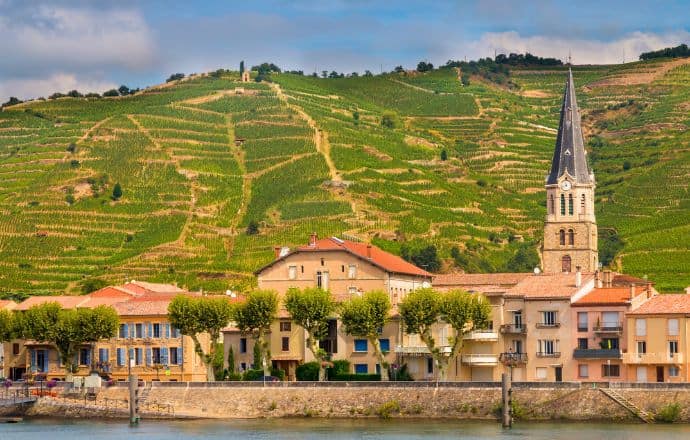
France remains the world’s most iconic destination for food and wine, a status codified in 2010 when the "Gastronomic Meal of the French" was added to the UNESCO Representative List of the Intangible Cultural Heritage of Humanity. The French approach to culinary travel is defined by its rigorous regionalism and the Appellation d’Origine Contrôlée (AOC) system, which ensures that products like Champagne, Roquefort, and Burgundy wines meet strict production standards.
In the Burgundy region, the focus is on the Côte d’Or, where limestone-heavy soils produce world-class Pinot Noir and Chardonnay. The town of Beaune serves as the commercial hub for these wines, housing historic cellars that date back centuries. To the south, Lyon is frequently cited as the "gastronomic capital of the world." The city is famous for its bouchons—traditional restaurants that serve hearty fare such as quenelles de brochet (pike dumplings) and andouillette (sausage).
The French Atlantic coast offers a different profile, with Normandy specializing in dairy and pomology (cider and Calvados), while Bordeaux continues to evolve. While traditionally known for its grand châteaux, Bordeaux has recently seen a surge in urban wine bars along the Garonne River, catering to a younger, more mobile demographic of enthusiasts.
Italy: The Intersection of Tradition and the Slow Food Movement
Italy’s culinary appeal is rooted in its diversity and the "Slow Food" movement, which originated in the 1980s as a response to the rise of fast food and the disappearance of local food traditions. Italy currently holds the highest number of Geographical Indications (GI) in the European Union, reflecting the country’s commitment to preserving regional specialties.
In the northern region of Piedmont, the focus is on high-altitude viticulture and foraging. The Nebbiolo grape, used to produce Barolo and Barbaresco, is the centerpiece of the region’s wine industry, often paired with the prized white truffles of Alba. Moving east, Emilia-Romagna is recognized as Italy’s "Food Valley," producing staples such as Parmigiano-Reggiano, Prosciutto di Parma, and traditional balsamic vinegar from Modena.

Southern Italy offers a starkly different culinary narrative. Naples remains the global epicenter for pizza, where the focus is on the simplicity of San Marzano tomatoes and buffalo mozzarella. Sicily, meanwhile, leverages its Mediterranean climate to produce mineral-rich wines like Etna Rosso and Grillo, alongside a cuisine influenced by Greek, Arab, and Spanish historical occupations.
Spain: The Evolution of the Tapas Culture
Spain has undergone a culinary revolution over the last three decades, transitioning from traditional rustic fare to becoming a global leader in molecular gastronomy and innovative dining. This shift was largely spearheaded by the Basque Country and Catalonia, regions that continue to attract gourmands from across the globe.
San Sebastián, located in the Basque Country, boasts one of the highest concentrations of Michelin stars per capita in the world. However, the city is equally famous for its pintxos (small snacks), which are consumed in a social, bar-hopping fashion. In Catalonia, Barcelona combines its maritime heritage with avant-garde techniques, while the city’s markets, such as La Boqueria, serve as vital hubs for both locals and tourists.
In the south, the "Sherry Triangle" (Jerez de la Frontera, Sanlúcar de Barrameda, and El Puerto de Santa María) offers a unique enological experience. The production of Sherry—a fortified wine aged in a solera system—is a highly specialized process that is currently seeing a resurgence in international markets.
Portugal and Greece: The Rise of Indigenous Varietals
While France, Italy, and Spain have long dominated the conversation, Portugal and Greece are experiencing a significant uptick in culinary tourism revenue. This is driven by an increasing consumer interest in indigenous grape varietals and ancient agricultural techniques.
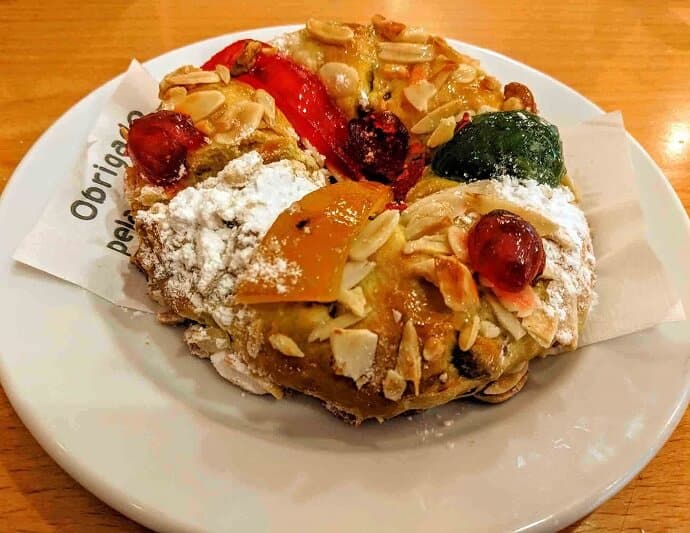
Portugal’s Douro Valley, the world’s first demarcated wine region (established in 1756), is famous for Port wine. However, the region is increasingly recognized for its high-quality dry red wines. In the south, the Alentejo region focuses on cork production and rustic pork-based cuisine, while Lisbon has become a destination for seafood and the iconic pastéis de nata (custard tarts).
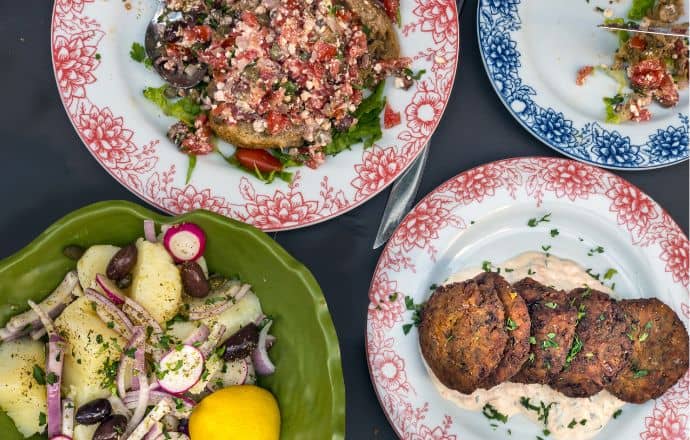
Greece has successfully modernized its wine industry by focusing on high-acid, mineral-driven whites. Santorini’s Assyrtiko, grown in volcanic soil using the unique kouloura (basket) vine-training method, has become a staple on international wine lists. The Greek "Mezze" culture—small plates designed for sharing—aligns with modern dining trends that prioritize variety and social interaction.
Strategic Planning for Culinary Tourism
For travelers seeking to maximize their experience, industry analysts suggest a structured approach to itinerary planning. The "Gourmand Calendar" strategy involves anchoring a trip around two distinct wine regions and one major culinary city. This allows for a balanced exploration of both production and consumption.
Logistical considerations are also paramount. The European rail network, including high-speed services like the TGV (France) and AVE (Spain), allows for seamless travel between wine regions without the need for car rentals, facilitating safer and more efficient "tasting flights." Furthermore, booking directly with small producers is recommended, as many boutique estates operate on limited hours and prioritize visitors who show a professional interest in their craft.
Broader Impact and Implications
The continued success of European food and wine tourism has significant implications for regional development and cultural preservation. By providing a financial incentive for farmers to maintain traditional methods, culinary tourism acts as a safeguard against the homogenization of global food supplies.
However, the sector faces challenges, most notably from climate change. Rising temperatures in traditional wine-growing regions like Bordeaux and Tuscany are forcing producers to adapt their harvesting schedules and, in some cases, experiment with new varietals. The ability of these regions to maintain their "terroir" in a changing climate will be the defining factor in the long-term sustainability of European food and wine tourism.
In conclusion, the European continent remains the undisputed leader in the global gastronomic market. Through a combination of historical prestige, rigorous quality control, and an evolving hospitality sector, destinations across France, Italy, Spain, Portugal, and Greece continue to set the standard for what it means to be a world-class destination for food and wine lovers. As travelers increasingly seek depth and authenticity, the "syllabus in flavor" offered by Europe’s countryside cellars and city bistros will remain a cornerstone of the international travel industry.

