

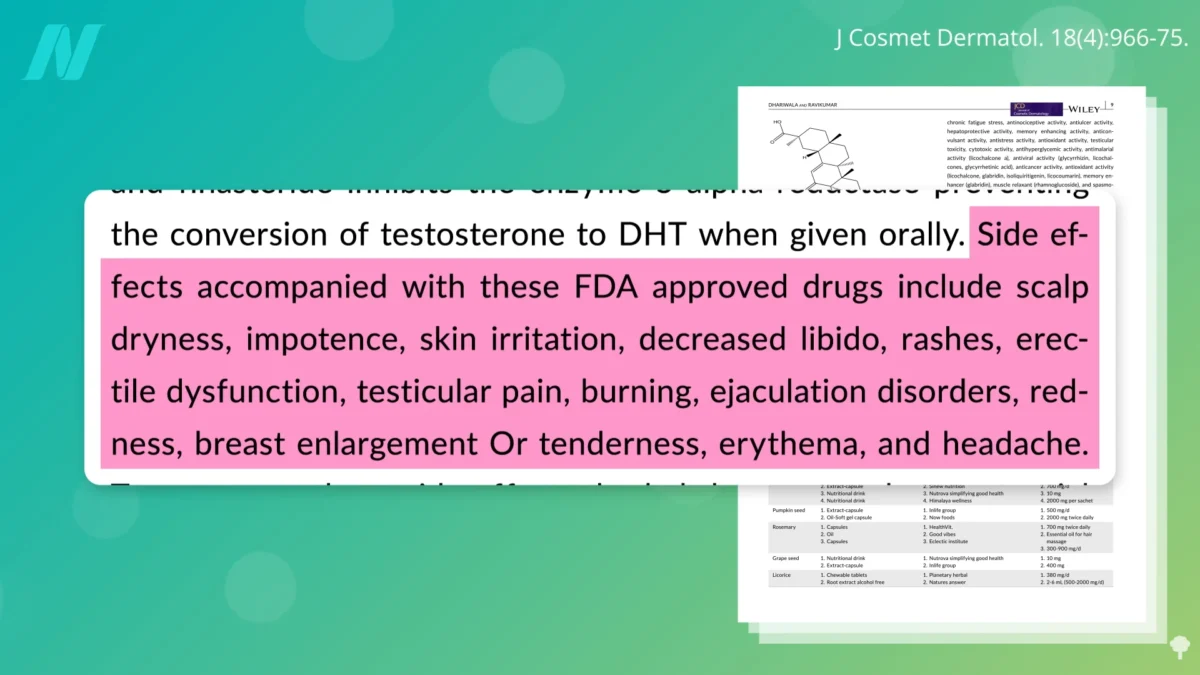
The pursuit of hair restoration has led countless individuals to explore a vast landscape of remedies, many of which populate the internet with unverified claims. However, when it comes to treatments with scientifically validated efficacy for hair loss, the U.S. Food and Drug Administration (FDA) has approved only a limited number of pharmaceutical interventions. Among these, finasteride, marketed as Propecia, and minoxidil, known by the brand name Rogaine, stand out as the primary FDA-approved drugs for addressing pattern baldness. While these medications offer potential benefits for hair regrowth, they are not without their own set of risks and side effects, a crucial aspect for consumers to consider before embarking on treatment. The proliferation of unregulated hair-loss supplements, often costing upwards of $1,000 annually, further complicates the consumer landscape, presenting a stark contrast to the more accessible pricing of FDA-approved drugs, which typically range from $100 to $300 per year. This article aims to provide a comprehensive examination of the benefits and potential drawbacks associated with Propecia and Rogaine, delving into their mechanisms of action, documented side effects, and the broader implications for individuals seeking solutions for hair loss.
Understanding the Approved Treatments: Propecia and Rogaine
For individuals experiencing hair loss, the market is saturated with a multitude of purported remedies, leading to significant consumer confusion. However, robust scientific evidence supporting efficacy is primarily associated with drugs that have undergone rigorous testing and received approval from regulatory bodies like the U.S. Food and Drug Administration (FDA). Finasteride (Propecia) and minoxidil (Rogaine) are the two most prominent FDA-approved medications for treating hair loss, specifically androgenetic alopecia, commonly known as male or female pattern baldness.
Finasteride (Propecia): Mechanism and Side Effects
Finasteride operates by inhibiting the enzyme 5-alpha reductase. This enzyme is responsible for converting testosterone into dihydrotestosterone (DHT), a more potent androgen. DHT is a key factor in the miniaturization of hair follicles in individuals genetically predisposed to hair loss. By reducing DHT levels, finasteride can slow down hair loss and, in some cases, promote regrowth.
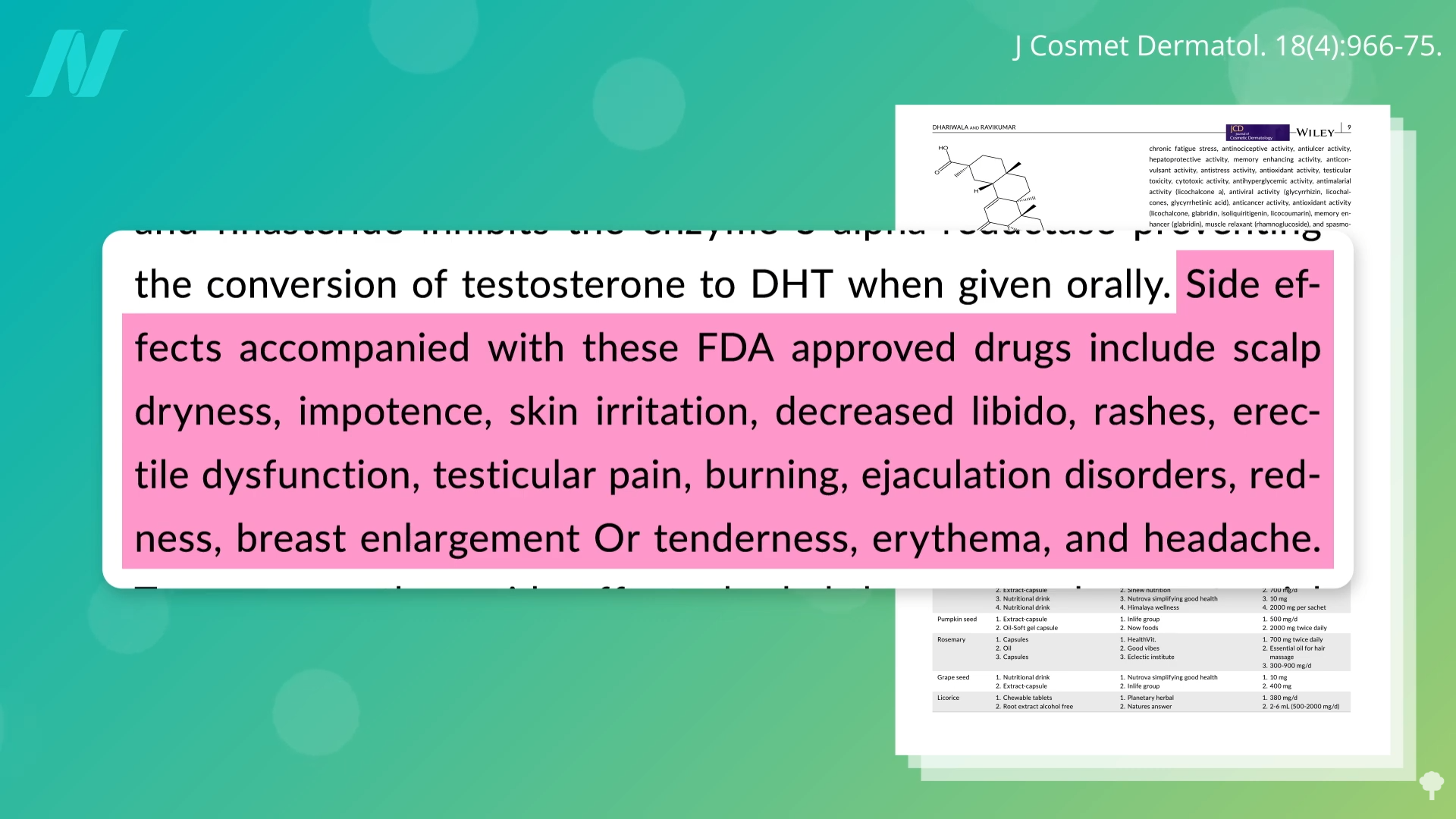
However, the mechanism by which finasteride combats hair loss is also the source of its most concerning side effects. The reduction in DHT can lead to hormonal imbalances, manifesting as:
- Diminished libido: A decreased interest in sexual activity.
- Sexual dysfunction: This can include erectile dysfunction (difficulty achieving or maintaining an erection) and problems with ejaculation.
- Gynecomastia: The enlargement of breast tissue in men.
- Testicular pain: Discomfort in the testicles.
These hormonal side effects are particularly concerning because, for a subset of users, they may persist even after discontinuing the medication. Research has indicated that up to 20% of study participants have reported persistent sexual dysfunction for six or more years after stopping finasteride. This raises the possibility of long-term, potentially permanent, alterations in sexual function.
Further scientific inquiry into these persistent effects has explored potential neurological mechanisms. While blood hormone levels in individuals experiencing long-term side effects may appear normal, analysis of cerebrospinal fluid (CSF) has revealed alterations in neurosteroid levels. Neurosteroids are hormones produced in the brain and nervous system that play a role in regulating various functions, including sexual behavior and mood. The observed changes in CSF neurosteroid levels suggest that finasteride might structurally alter brain regions involved in sexual function. Consequently, healthcare providers are increasingly urged to ensure that both prescribers and potential users are fully informed about the potential serious long-term risks associated with finasteride, especially considering its use for a cosmetic concern.
Minoxidil (Rogaine): Mechanism and Side Effects
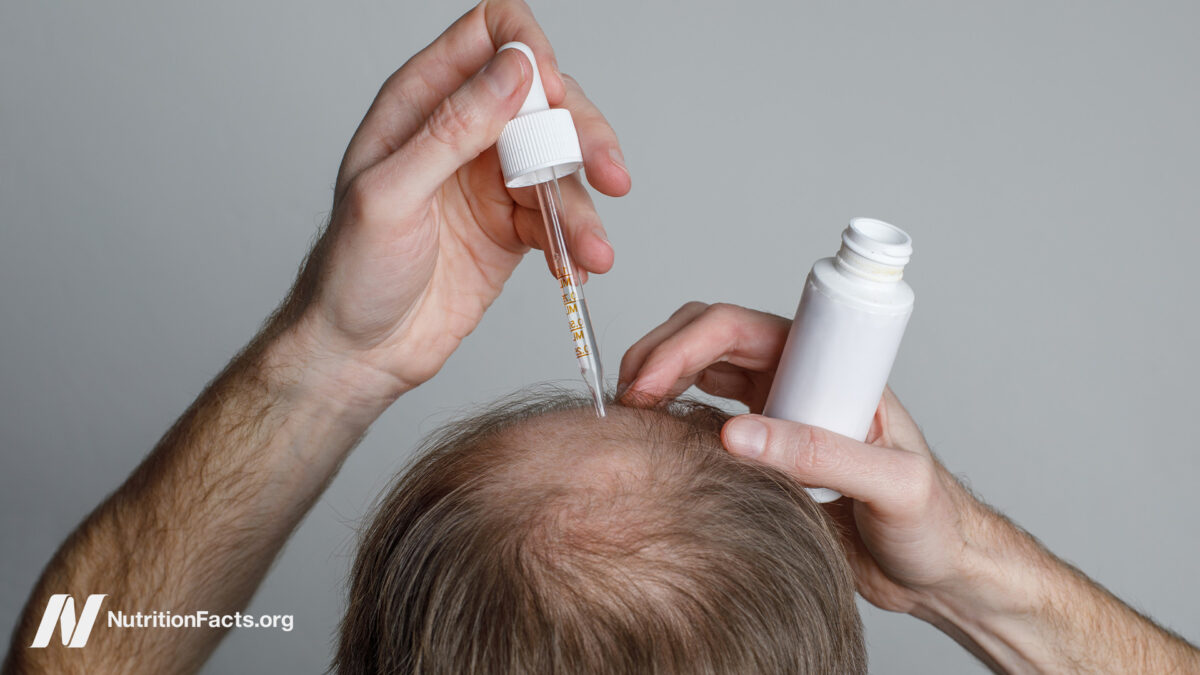
Minoxidil, originally developed as an oral medication for high blood pressure, was serendipitously found to stimulate hair growth. Its exact mechanism for promoting hair regrowth is not fully understood, but it is believed to work by widening blood vessels, which may increase blood flow to the hair follicles, and by prolonging the anagen (growth) phase of the hair cycle. Minoxidil is typically applied topically to the scalp.
While generally considered to have a more favorable side effect profile compared to finasteride, minoxidil can still cause adverse reactions. The most common side effect of topical minoxidil is:
- Scalp itching and irritation: This is often due to the solution or foam vehicle used for application, or a sensitivity to the active ingredient itself.
- Unwanted hair growth: In some cases, minoxidil can lead to increased hair growth in areas other than the scalp if it comes into contact with them.
It is important to note that the efficacy of minoxidil is generally considered to be less pronounced than that of finasteride for significant hair regrowth, although it can be effective in slowing hair loss and promoting some regrowth in a considerable number of individuals.
The Unregulated Market: Supplements and Their Limitations
The allure of quick fixes and the perceived naturalness of supplements have led to a booming market for hair growth products. However, the efficacy of these over-the-counter supplements is largely unsubstantiated by rigorous scientific studies. Many supplements claim to enhance hair growth through various natural ingredients, but their claims often lack the robust clinical trials required for FDA approval.
Consumers may find themselves spending significant amounts on these products, with annual costs potentially exceeding $1,000, a figure that dwarfs the annual expense of FDA-approved drugs. This economic disparity, coupled with the lack of proven effectiveness, highlights the importance of discerning between scientifically validated treatments and speculative market offerings. Furthermore, the absence of stringent regulation for dietary supplements means that product quality, ingredient purity, and dosage can vary widely, introducing an element of uncertainty and potential risk for consumers.
Historical Context: Androgens and Early Understandings of Hair Loss
The role of androgens, particularly testosterone and its derivative DHT, in hair loss has been understood for decades. Early, albeit ethically problematic, research provided crucial insights into this connection. During the mid-20th century, eugenics laws in the United States led to the involuntary sterilization of individuals deemed "mentally handicapped." This included the castration of men and tubal ligations of women, with the stated aim of preventing them from contributing to the gene pool.
Studies conducted during this period, though stemming from a deeply flawed and discriminatory societal context, observed that castration halted hair loss in men. This provided empirical, albeit abhorrently obtained, evidence for the significant role of androgens in male pattern baldness. The United States was indeed a pioneer in enacting eugenic laws, which were later controversially upheld by the U.S. Supreme Court. The influence of these policies extended globally, with proponents in the United States lamenting that other nations, such as Germany, were surpassing them in implementing such measures. This historical backdrop underscores the long-standing scientific interest in hormonal influences on human physiology, including hair growth, even as the ethical frameworks surrounding such research have evolved dramatically.
The Role of 5-Alpha Reductase
The enzyme 5-alpha reductase plays a pivotal role in the biological processes that contribute to androgenetic alopecia. This enzyme, present in various tissues including hair follicles, is responsible for catalyzing the conversion of testosterone into dihydrotestosterone (DHT). DHT is approximately five times more potent than testosterone as an androgen and is considered the primary culprit in shrinking hair follicles, leading to the characteristic thinning and eventual loss of hair in susceptible individuals.
Finasteride’s therapeutic action is directly linked to its ability to inhibit this enzyme. By blocking 5-alpha reductase, finasteride significantly reduces the levels of DHT in the body, thereby mitigating its miniaturizing effect on hair follicles. This targeted inhibition is what makes finasteride effective in slowing hair loss and promoting regrowth. However, as previously discussed, this potent hormonal intervention carries the risk of unintended consequences due to the widespread influence of androgens and DHT on various bodily functions.
Potential Neurological Impact of Finasteride
The persistent sexual side effects experienced by some individuals taking finasteride have prompted investigations into its potential impact on the brain. While hormone levels in the bloodstream may return to normal after discontinuing the drug, the analysis of cerebrospinal fluid (CSF) has revealed a different picture. Studies involving spinal taps to obtain CSF have shown altered neurosteroid levels in users experiencing persistent effects.
Neurosteroids are synthesized within the central nervous system and play crucial roles in regulating mood, cognition, and sexual function. The observed dysregulation of neurosteroids in the CSF suggests that finasteride may exert its long-term effects by altering the neurochemical balance within the brain, particularly in regions associated with sexual response. This potential for neurobiological alteration underscores the seriousness of the side effects and highlights why caution is advised when prescribing and using finasteride, especially for non-life-threatening conditions like cosmetic hair loss. The implications of these findings are significant, suggesting that the drug’s effects may extend beyond peripheral hormonal changes to impact the central nervous system’s regulatory mechanisms.
The Need for Alternative Treatments
Despite the availability of Propecia and Rogaine, the current therapeutic landscape for male and female pattern baldness remains limited. The significant side effects associated with the existing drug options, particularly the potential for persistent sexual dysfunction with finasteride, underscore a clear unmet need for alternative treatments. The medical community and researchers are actively seeking novel interventions that offer efficacy without compromising patient safety and well-being.
The search for such alternatives naturally leads to considerations beyond pharmaceuticals. Diet and lifestyle factors, often overlooked in the context of hair health, are emerging as areas of interest. The complex interplay between nutrition, hormonal balance, and the overall health of the body suggests that what we consume could play a role in combating hair loss. Future research is likely to explore the potential of dietary interventions and other non-pharmacological approaches to address this widespread concern, offering hope for individuals seeking safer and more holistic solutions.
Conclusion and Future Directions
The FDA-approved drugs finasteride (Propecia) and minoxidil (Rogaine) represent the primary pharmaceutical interventions for hair loss. While they offer the potential for efficacy, particularly finasteride in slowing progression and promoting regrowth, they are associated with notable side effects. Finasteride’s mechanism of action, targeting DHT, can lead to hormonal imbalances and persistent sexual dysfunction in a subset of users, raising concerns about its long-term neurological impact. Minoxidil, while generally better tolerated, can cause scalp irritation and unwanted hair growth.
The market is also flooded with unproven supplements, often at a higher cost and with no guaranteed benefits. Given the limitations and risks of current treatments, there is a clear and pressing need for the development of alternative therapeutic strategies. Future research will likely focus on exploring the role of nutrition, lifestyle modifications, and potentially novel pharmacological targets to address hair loss effectively and safely, offering a more comprehensive and patient-centered approach to restoring hair health.
Author’s Note: This article is the second in a three-part series exploring the complexities of hair loss and growth. The preceding installment, "Do Hair Growth Supplements Work?", is available for review. Readers seeking information on managing antidepressant-induced sexual dysfunction may find the resource "Best Food for Antidepressant-Induced Sexual Dysfunction" beneficial.

