

The quest for effective hair loss treatments has led consumers down a labyrinth of remedies, with many turning to the internet for solutions. However, scientific evidence primarily supports the efficacy of two U.S. Food and Drug Administration (FDA)-approved medications: finasteride, marketed as Propecia, and minoxidil, known as Rogaine. While often touted as miracle cures, these drugs are not without their drawbacks, presenting a complex balance of potential benefits and significant risks that warrant careful consideration by both patients and prescribing physicians.
The Landscape of Hair Loss Treatments
Hair loss, medically termed alopecia, affects millions globally, impacting self-esteem and psychological well-being. The market is flooded with a diverse array of products, ranging from topical solutions and oral supplements to prescription medications. Historically, the understanding of hair growth has been intertwined with hormonal influences. Early research, dating back half a century, provided compelling evidence of the role of androgens, the primary male hormones like testosterone, in regulating hair growth. Studies involving the castration of men demonstrated a cessation of hair loss, a phenomenon that, while scientifically significant, was tragically linked to the dark history of eugenics in the United States.
During the early to mid-20th century, eugenics laws, aimed at controlling the reproduction of individuals deemed "unfit," led to forced sterilization and other coercive practices. The scientific observation that castration halted hair loss, coupled with the broader understanding of hormonal roles, inadvertently became entangled with these discriminatory policies. The U.S. was a pioneer in implementing such laws, which were later controversially upheld by the Supreme Court. This historical context, though disturbing, underscores the potent influence of androgens on physiological processes, including hair growth.
Mechanism of Action and FDA-Approved Drugs
Finasteride (Propecia): Inhibiting Dihydrotestosterone (DHT)
Propecia functions by inhibiting the enzyme 5-alpha reductase. This enzyme is responsible for converting testosterone into dihydrotestosterone (DHT), a more potent androgen that plays a significant role in male pattern baldness. By reducing DHT levels, Propecia aims to slow hair loss and, in some cases, promote regrowth. The drug is typically administered orally in a 1mg dose for hair loss.
Minoxidil (Rogaine): Vasodilation and Hair Follicle Stimulation
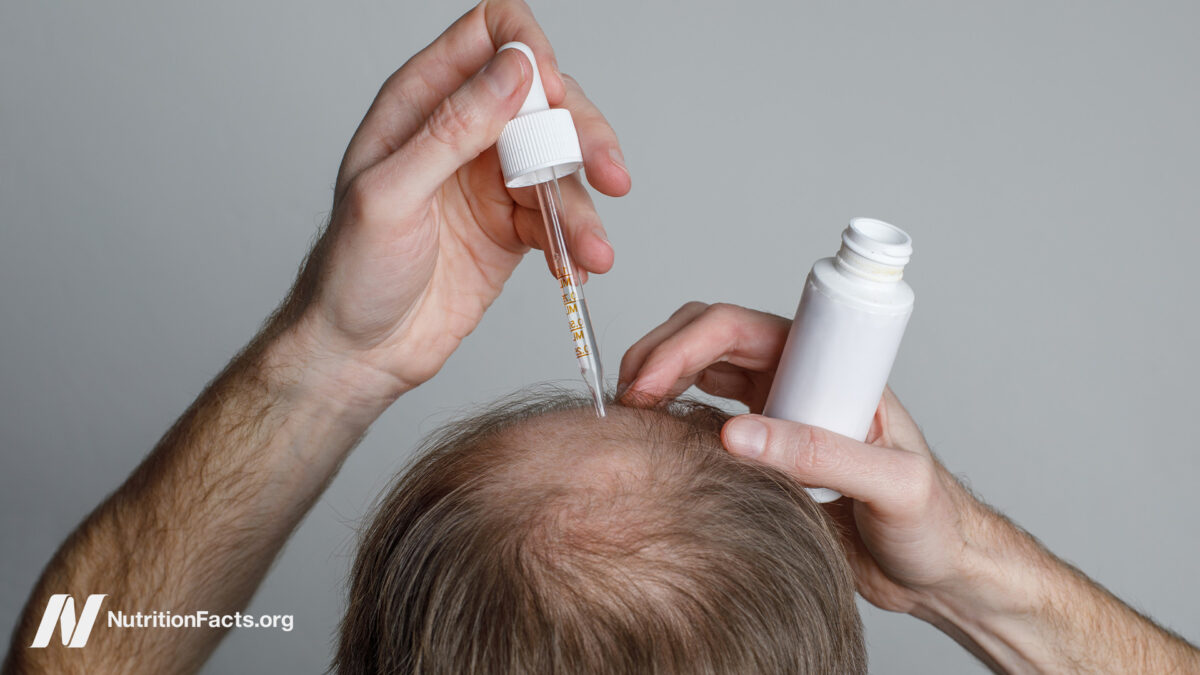
Rogaine, available in topical solutions and foams, works through a different mechanism. While its exact mode of action in promoting hair growth is not fully understood, it is believed to act as a vasodilator, increasing blood flow to the hair follicles. This improved circulation may stimulate dormant hair follicles and prolong the anagen (growth) phase of the hair cycle. It is available in 2% and 5% concentrations.
Efficacy and Cost Considerations
While over-the-counter hair loss supplements are often marketed with bold claims of efficacy, scientific backing for many of these products is scarce. Consumers may find themselves spending substantial amounts on regimens that yield little to no tangible results. Annual costs for these supplements can reportedly exceed $1,000. In contrast, FDA-approved drugs like Propecia and Rogaine, while requiring a prescription and ongoing use, generally fall within a more predictable annual cost range of $100 to $300. This economic disparity highlights the importance of prioritizing evidence-based treatments.
Potential Side Effects and Risks: A Deeper Dive
Despite their proven efficacy for many individuals, Propecia and Rogaine are associated with a spectrum of potential side effects, some of which can be serious and long-lasting.
Propecia: Hormonal Imbalances and Sexual Dysfunction
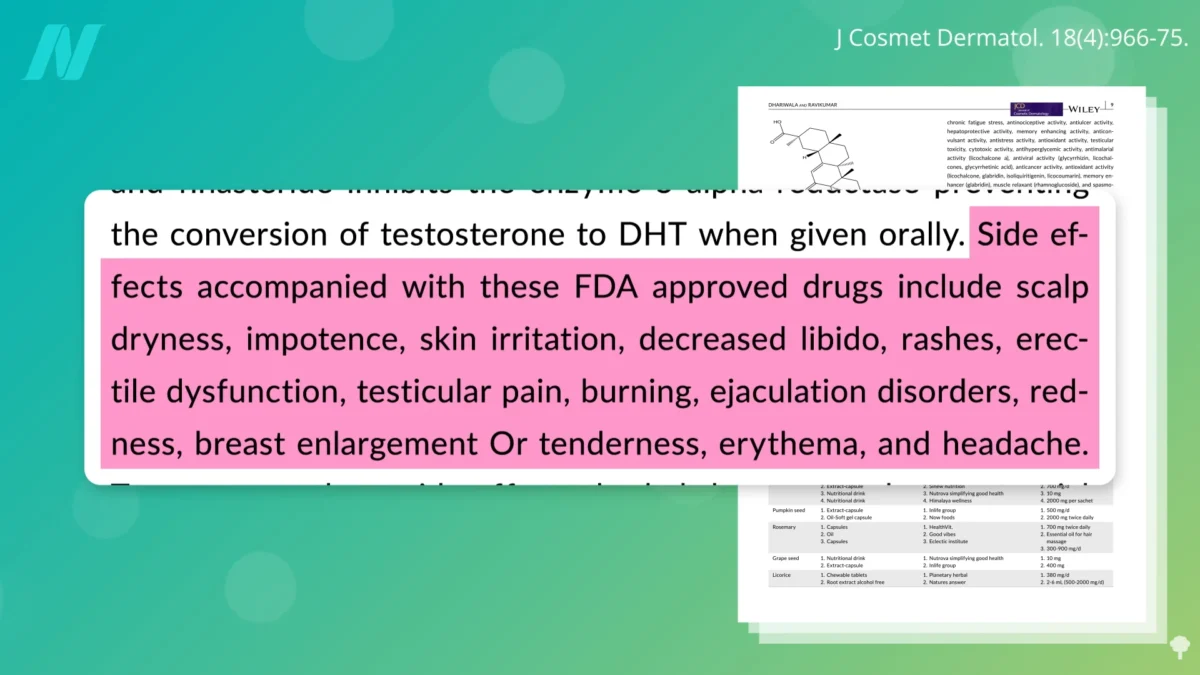
The hormonal impact of Propecia is particularly noteworthy. By reducing DHT, the drug can lead to a cascade of hormonal side effects. These may include:
- Diminished Libido: A decrease in sexual desire is a commonly reported side effect.
- Sexual Dysfunction: This can manifest as erectile dysfunction (ED), difficulty achieving or maintaining an erection, and ejaculation problems.
- Testicular Pain: Some users report discomfort in the testicular region.
- Breast Enlargement (Gynecomastia): In rare cases, men may experience the development of breast tissue.
Crucially, the sexual side effects associated with Propecia can persist even after discontinuing the medication. This phenomenon, known as Post-Finasteride Syndrome (PFS), has raised significant concerns within the medical community. Studies have indicated that a notable percentage of participants in clinical trials reported "persistent sexual dysfunction" for six or more years after stopping the drug, suggesting the potential for permanent impairment.
The underlying biological mechanisms for these persistent effects are still under investigation, but research points to potential alterations in neurosteroid levels within the cerebrospinal fluid, which surrounds the brain. While blood hormone levels may appear normal, these changes in the central nervous system could be responsible for the persistent sexual dysfunction. Consequently, health authorities and medical professionals emphasize the importance of prescribers and patients being fully informed about these potential serious long-term risks, especially given that hair loss is often treated as a cosmetic concern.
Women of reproductive age are specifically advised against taking Propecia due to the risk of feminizing male fetuses if a pregnant woman is exposed to the drug.
Rogaine: Topical Irritation
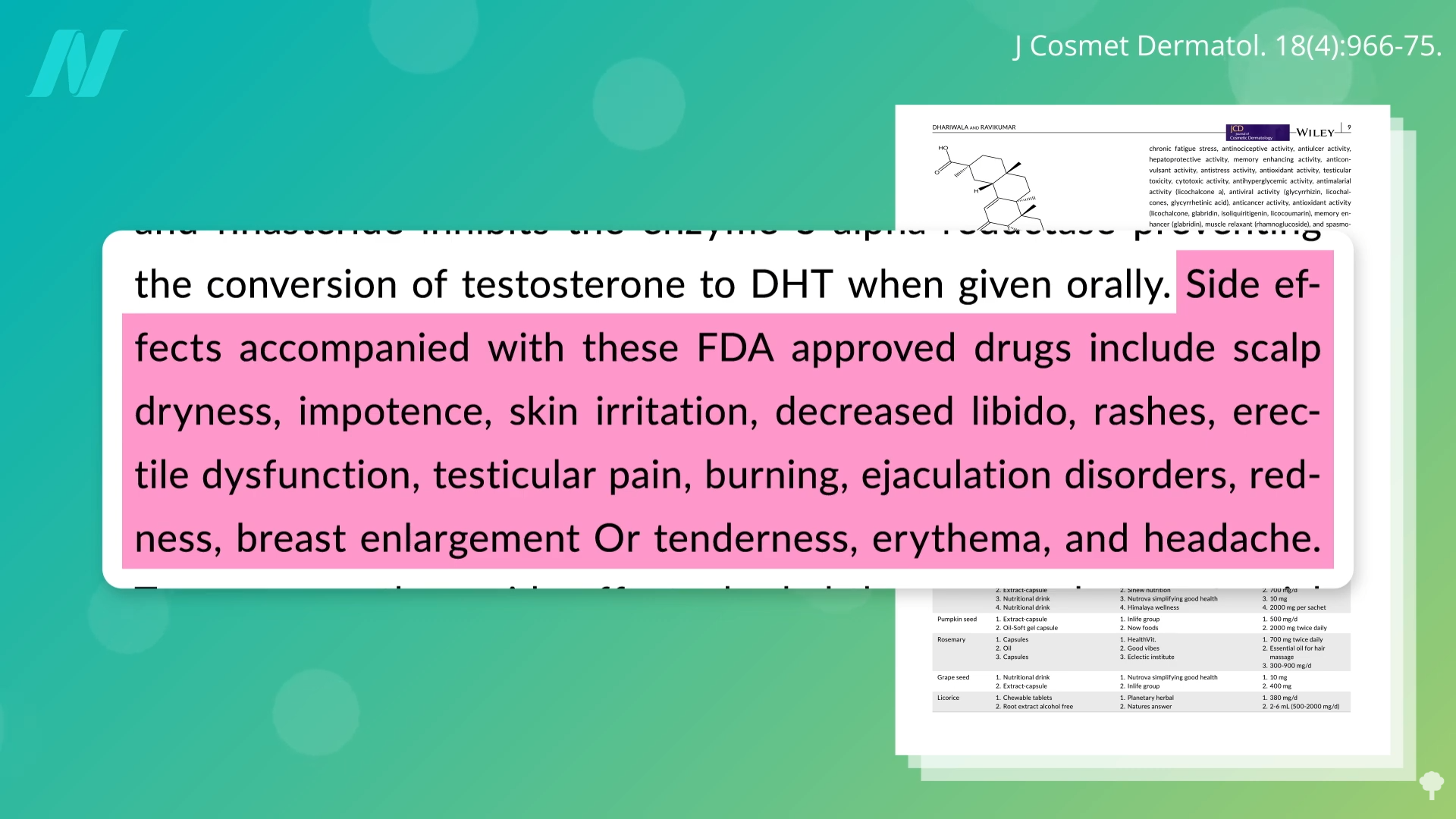
Minoxidil, while generally considered safer regarding systemic hormonal effects, can cause localized side effects, primarily related to skin irritation. These may include:
- Itching: A common complaint among users of topical minoxidil.
- Scalp Irritation: Redness, burning, or dryness of the scalp can occur.
- Unwanted Hair Growth: In some instances, minoxidil can stimulate hair growth in areas other than the scalp, such as the face.
Emerging Research and Future Directions
The current therapeutic landscape for hair loss remains limited, with no novel interventions widely adopted for routine treatment of male or female pattern baldness beyond finasteride and minoxidil. The recognized side effects of these established drugs highlight a critical need for the development of alternative, safer treatments. Research is ongoing to explore various avenues, including regenerative medicine, platelet-rich plasma (PRP) therapy, and nutritional interventions. The exploration of how dietary factors might influence hair growth is a promising area of investigation, moving beyond pharmacological approaches to consider the holistic impact of nutrition on scalp health and hair follicle function.
A Broader Health Perspective
It is important to note that the impact of hair loss treatments can extend beyond the primary concern. For instance, antidepressants like Prozac can also induce sexual dysfunction. Research into nutritional interventions that may help mitigate antidepressant-induced sexual dysfunction underscores the interconnectedness of various bodily systems and the potential for dietary approaches to address complex health issues.
The ongoing discourse surrounding hair loss treatments, particularly the long-term implications of medications like Propecia, underscores the critical need for informed consent and comprehensive patient education. As scientific understanding evolves, so too must the dialogue between healthcare providers and patients, ensuring that treatment decisions are made with a full appreciation of both the potential benefits and the inherent risks. The search for effective and safe hair loss solutions continues, with a growing emphasis on exploring natural and less invasive alternatives.
Doctor’s Note: This article is the second in a three-part series addressing hair loss and growth. The preceding installment, "Do Hair Growth Supplements Work?", is available for review. Future discussions will further explore potential dietary influences on hair health.

