

Bangkok, Thailand – In a city renowned for its vibrant street life and ornate temples, an unconventional establishment is offering a profound space for reflection on the ultimate human experience: death. The Death Awareness Cafe, founded by Buddhist philosopher Veeranut Rojanaprapa in 2018, provides a unique environment designed to confront visitors with their own mortality, a concept that has taken on profound personal significance for a visitor grappling with her mother’s recent liver cancer diagnosis.
This unique cultural initiative, situated adjacent to a bustling petrol station, is not merely a place for morbid contemplation. It serves as an educational and experiential hub, utilizing four distinct exhibits—Birth, Elder, Pain, and Death—to provoke introspection and foster a deeper appreciation for life. The cafe’s mission, as articulated by its founder, is rooted in the Buddhist principle that an awareness of death can lead to improved behavior, combating anger and greed by reminding individuals of life’s finite nature.
A Personal Journey Through Anticipatory Grief
For the author of this account, the visit to the Death Awareness Cafe is deeply intertwined with a deeply personal crisis. Her mother, having recently received her third liver cancer diagnosis in 2026, faces a precarious future. Despite previous periods of remission, the discovery of two persistent tumors has reignited a lifelong, deeply ingrained fear of parental loss. This anxiety, present since childhood—manifested in vivid imaginings of her parents’ demise—has intensified with the stark reality of her mother’s illness.
The author recounts childhood anxieties exacerbated by her father’s night shifts, where the sound of his return at dawn was the sole signal of safety. This deep-seated fear evolved into a pervasive dread of losing her parents, a fear that seemed almost theoretical until her mother’s diagnosis made it acutely tangible. The clinical trials underway in Melbourne, marked by a folder of drug schedules clinging to the refrigerator, underscore the gravity of the situation.
This period of intense uncertainty has brought on a state of anticipatory grief, a complex emotional response characterized by mourning for someone who is still alive. The author describes the agonizing duality of each medical scan, presenting two potential futures: one where her mother returns home, and another where she does not. This emotional roller coaster fuels a torrent of unasked questions and unshared stories, a yearning to know her mother’s past—her youthful experiences and romantic history—before the future potentially closes off. The author expresses a poignant desire for her mother to witness her brother’s potential journey into fatherhood, highlighting the deep human need for intergenerational connection and the witnessing of life’s milestones.
The Cafe’s Approach to Mortality
The Death Awareness Cafe offers a counterpoint to the author’s internal turmoil through its structured engagement with death. Upon arrival, visitors are greeted with Thai pink milk tea and an assortment of nuts and crisps, a gesture of hospitality that belies the serious nature of the exhibits. The receptionist provides background, emphasizing the philosophical underpinnings of the cafe.
The exhibits themselves are designed to be immersive and thought-provoking. The "Death" exhibit, for instance, showcases diverse funerary rites from around the world. This includes descriptions of Tibetan sky burials, where bodies are offered to vultures as a final act of compassion and return to nature, and the historical Hindu practice of sati, where some widows immolated themselves on their husbands’ funeral pyres. These practices, while distant and historically significant, serve to illustrate the myriad ways humanity has confronted and ritualized death across cultures and time.
The cafe also presents more contemporary and sometimes darkly humorous accounts of death. One anecdote details a man who died in his sleep after a cow crashed through his roof, with the curious observation that the cow sustained no injuries. Another recounts a man’s fatal heart attack while laughing at a British comedy show, his widow expressing gratitude that his final moments were filled with joy. These stories, while potentially morbid, serve a crucial function: to demonstrate the often unexpected and sometimes absurd nature of mortality, and to underscore the importance of cherishing moments of happiness.
A Legacy of Belief and Divergent Paths
The author’s exploration of the Death Awareness Cafe also prompts reflection on her own family’s complex relationship with death and belief. Growing up in a non-religious household, with a Buddhist statue as a silent guardian, her family’s approach to the afterlife was shaped by personal experiences and cultural heritage.
A pivotal memory involves a family trip to Kuala Lumpur at age 17, where the family visited her grandfather’s memorial. While her parents and brothers performed traditional offerings and bowed in remembrance, her aunt, who had converted to Christianity, abstained, stating her sole allegiance to God. This moment highlighted a fundamental divergence in belief, with her father asserting the enduring presence and care of ancestral spirits over a distant, unproven deity. This conviction profoundly influenced his life, leading him to abstain from alcohol after his father’s death in a drunk-driving incident. Her aunt, conversely, embraced a singular devotion to God.
This familial narrative underscores the profound impact of differing beliefs on how individuals navigate grief and the afterlife. It also informs the author’s understanding of her father’s perspective: that love, in its essence, transcends physical death and manifests in continued connection and influence.
Experiential Learning: Birth, Elder, and Pain
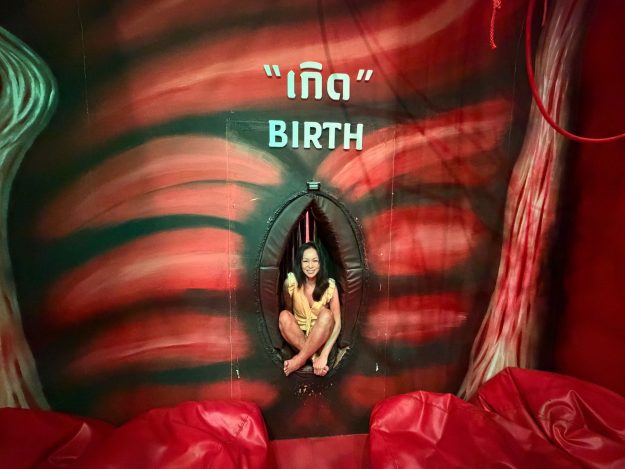
Beyond the direct confrontation with death, the cafe’s other exhibits offer complementary perspectives on the human life cycle. The "Birth" exhibit, where visitors curl inside a giant crimson womb, evokes a profound sense of beginning and the maternal journey. For the author, this prompts a poignant wish: if she could have carried her mother to the start of life, perhaps she could now carry her away from its end. This visceral experience of rebirth serves as a stark contrast to the impending finality of death.
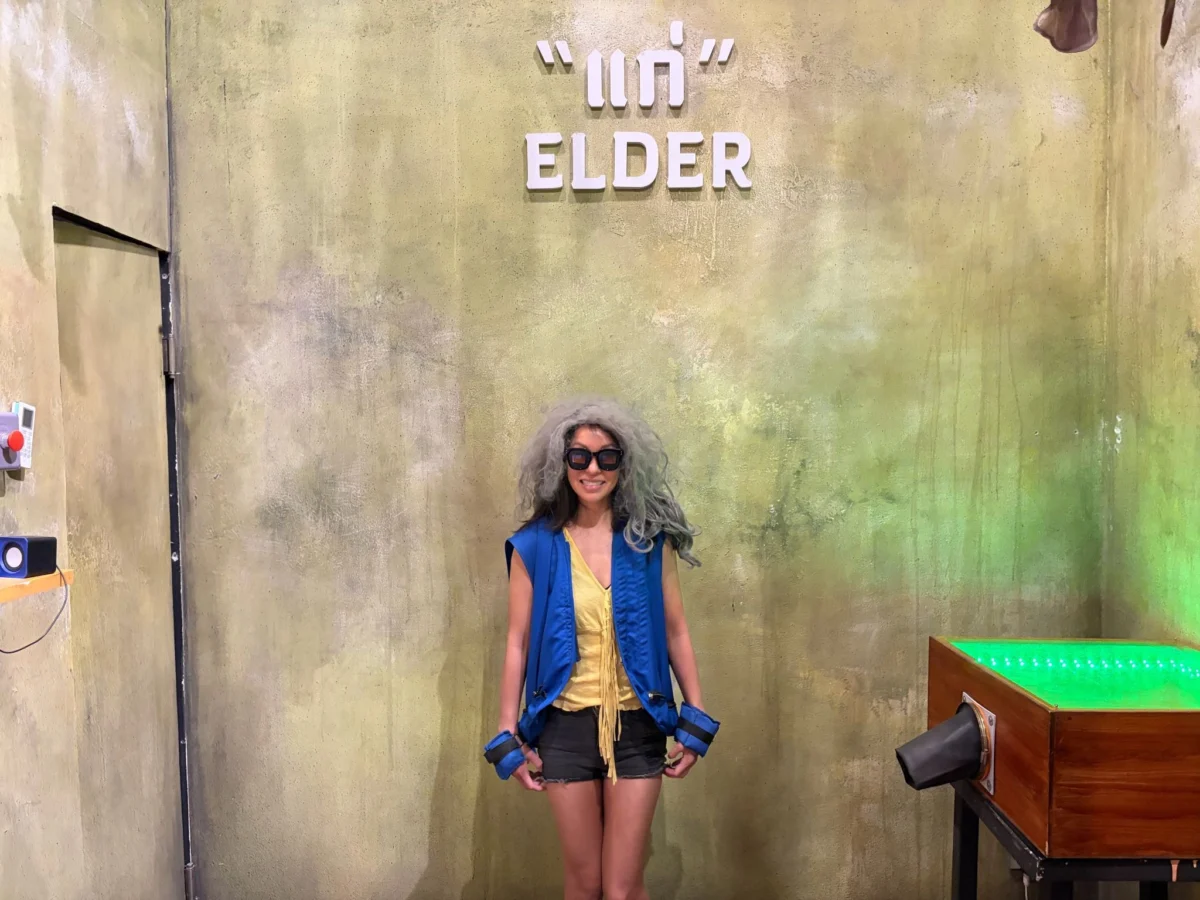
The "Elder" exhibit simulates the physical realities of aging. Visitors don a gray wig, a weighted vest, and sandbags on their limbs, experiencing the burden of gravity and the passage of time. This exhibit powerfully illustrates how easily the subtle signs of aging, and the quiet losses they represent, can be overlooked. The author recalls noticing these signs during a rare family trip fifteen years prior: her parents needing more frequent breaks, Dad attributing fatigue to arthritis, and Mum’s face flushing quickly in the heat. These seemingly minor instances, she now realizes, were quiet acknowledgments of their increasing vulnerability, borne without complaint.
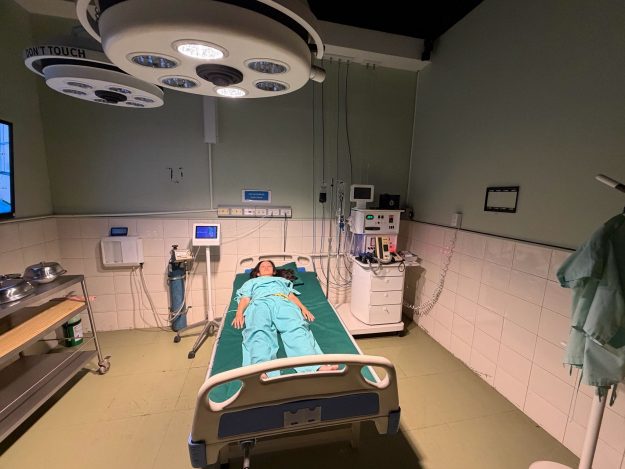
The "Pain" exhibit offers a simulated ICU experience, complete with medical equipment and an unnerving silence. Here, the author confronts practical and existential questions: the absence of a will, the uncertainty of who would advocate for her in extremis, and the agonizing decision of whether to pursue resuscitation in the face of a life-altering prognosis. This simulated scenario forces a contemplation of her own mortality and the potential impact of her absence on her loved ones, a perspective often overshadowed by the intense focus on losing her parents.
The Ultimate Insight: Embracing the Present
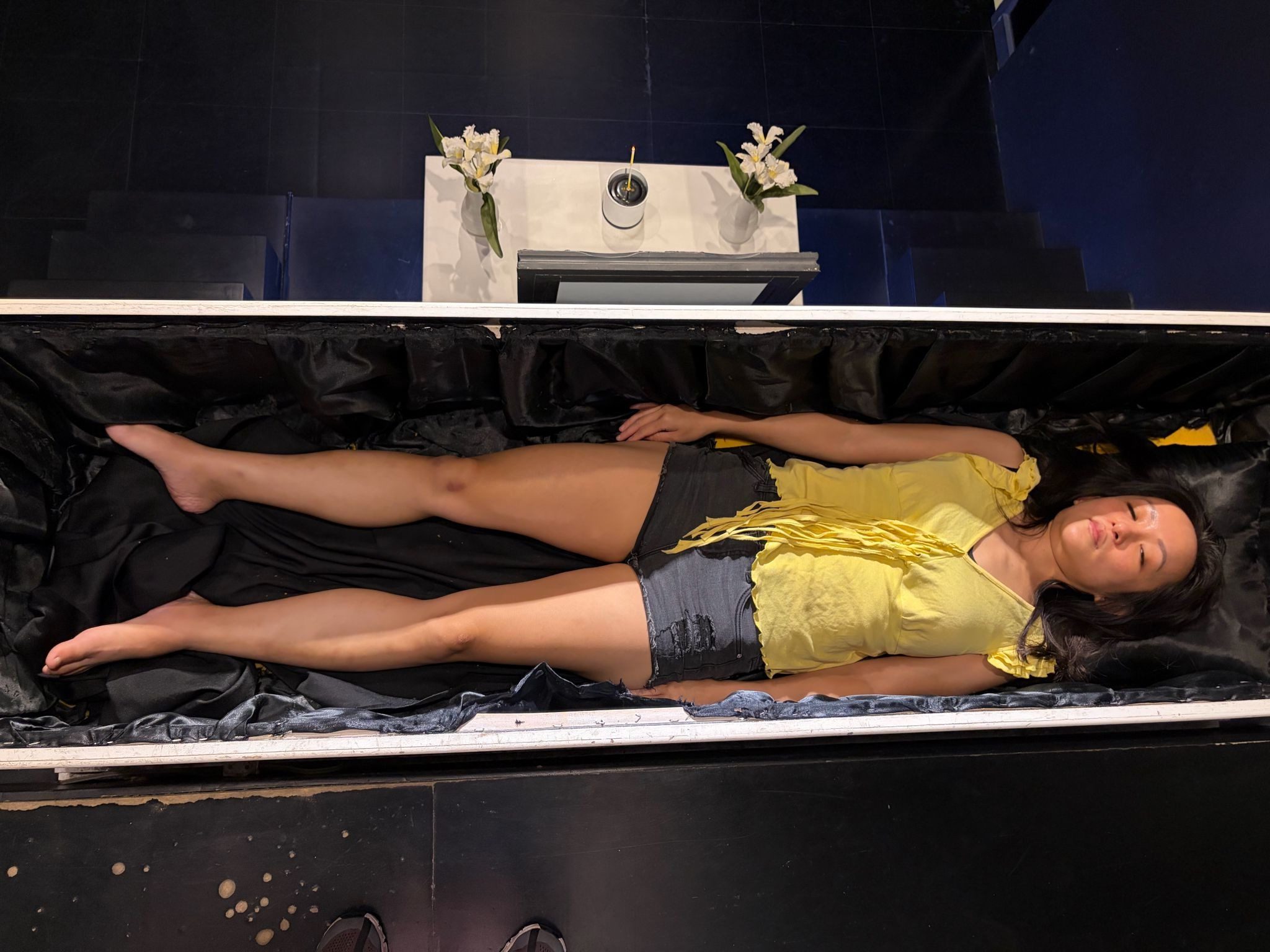
The cafe’s climax is the white coffin, a meticulously recreated funeral parlor environment. As the author lies in the coffin and the lid closes, plunging her into darkness, the anticipated profound insight is replaced by a primal fear: "What if I can’t get out?" This moment of vulnerability highlights how even in a space designed for confronting death, the instinct for self-preservation and the fear of the unknown can surface.
However, the experience ultimately leads to a profound shift in perspective. The author realizes that death awareness is not about practicing goodbyes, but about recognizing and cherishing the presence of those who are still alive. Her mother’s everyday gestures—calling to check if she’s eaten, shortening her pajama pants—which were once taken for granted, now hold immense significance. These moments, seemingly mundane, represent the vibrant tapestry of life that she has been striving to protect, and which is already unfolding in these intimate exchanges.
The author’s solo trips to Bangkok, which initially caused her father considerable anxiety and concern about her safety, are reframed. Her father’s worried pronouncements about potential scams, abductions, or worse, are juxtaposed with her mother’s more reassuring interjections from the kitchen, highlighting their differing approaches to her independence. The author concludes that she wants to be present for all these moments, the anxieties and the reassurances, the shared meals and the quiet acts of love.
The Death Awareness Cafe, through its unconventional approach, has provided a potent catalyst for the author to move beyond rehearsing loss and to actively embrace the life that is currently unfolding. In confronting mortality, she has found a deeper appreciation for the enduring presence of love and the preciousness of the present moment. The cafe’s mission to foster a better way of living through an awareness of death has, for this visitor, proven to be a profound and transformative experience, offering solace not in resignation, but in a renewed commitment to cherishing the life she has.

