

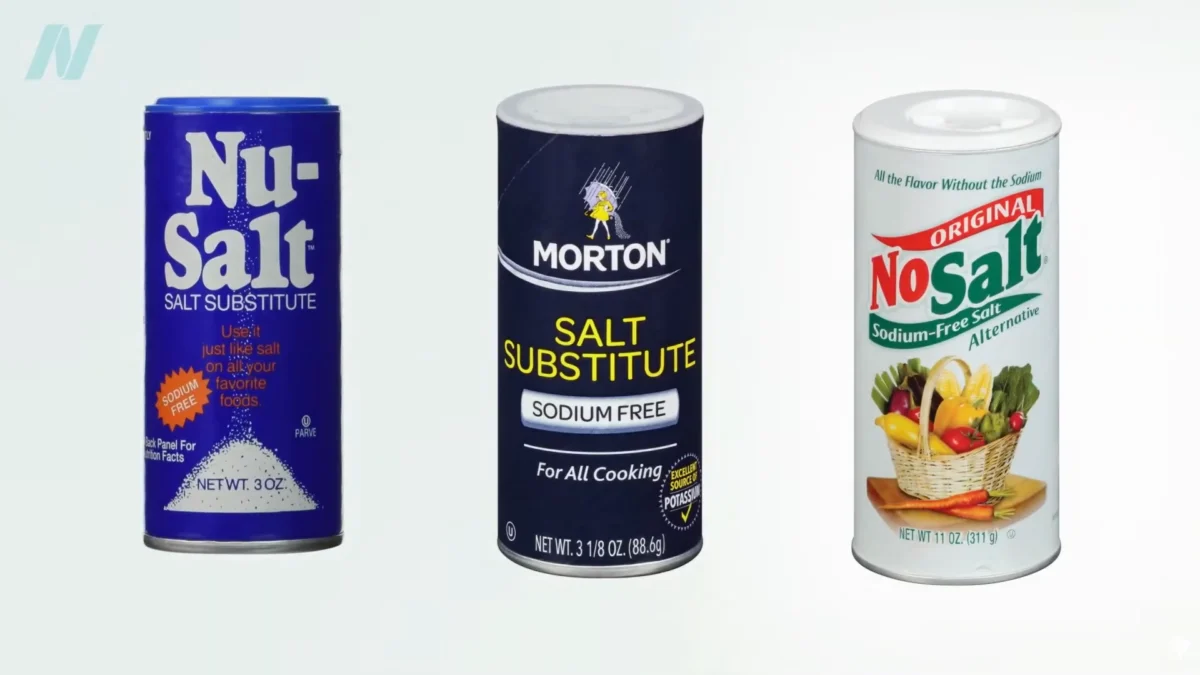
A stark and deeply concerning nutritional imbalance is pervasive across the United States, with an overwhelming 99.99% of Americans failing to meet the minimum recommended intake for potassium, a vital mineral, while simultaneously exceeding recommended limits for sodium. This widespread dietary deficiency and excess, highlighted by recent analyses, points to a significant public health crisis with profound implications for cardiovascular health, chronic disease prevalence, and overall well-being. While the precise ancestral intake of potassium is debated, estimates suggest it could have been as much as double current recommendations, and the typical American diet falls drastically short of even these adjusted targets. Concurrently, the nation’s consumption of sodium, which may be double our evolutionary norm, far surpasses recommended levels.
The Devastating Impact of Dietary Imbalances
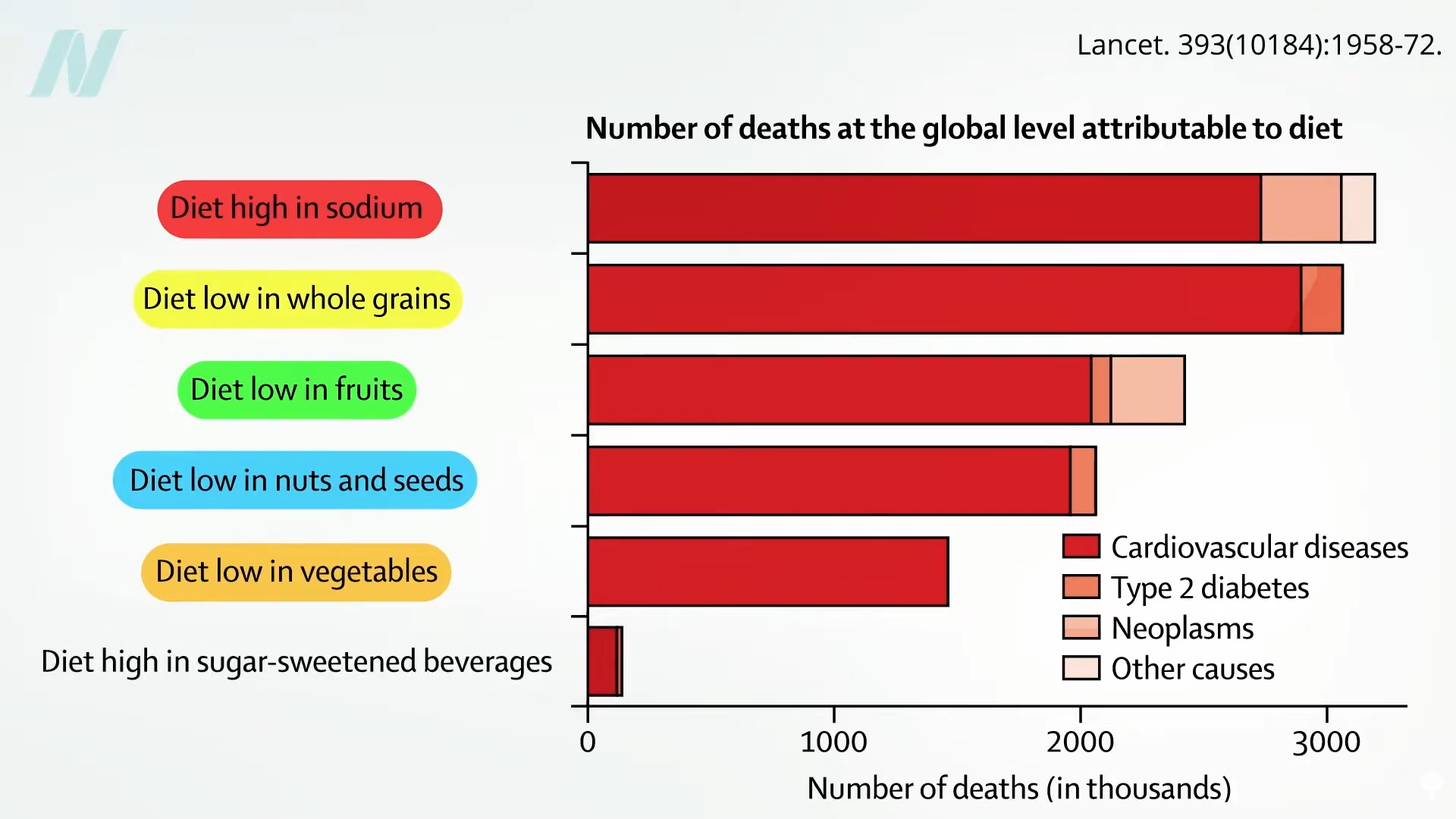
The ramifications of these dietary shortcomings are substantial and far-reaching. Globally, physical inactivity contributes to over 10 million years of healthy life lost annually. However, the impact of diet is exponentially more devastating, accounting for nearly 20 times that burden. Unhealthy dietary patterns are directly responsible for shaving hundreds of millions of disability-free years off lives each year worldwide.
Research meticulously examining the components of detrimental diets reveals that four of the five most lethal dietary pitfalls stem from insufficient consumption of essential foods: whole grains, fruits, nuts and seeds, and vegetables. Yet, the most catastrophic dietary flaw identified is the excessive intake of salt. To put this into perspective, the lethality associated with high salt consumption is approximately 15 times greater than that of diets excessively high in soda. This critical imbalance underscores the urgent need for a re-evaluation of dietary guidelines and public health messaging.
The Sodium Crisis: A Public Health Imperative
The U.S. Food and Drug Administration (FDA) has long recognized the gravity of the sodium issue. A former commissioner of the FDA unequivocally stated, "There remains no single more effective public health action related to nutrition than the reduction of sodium in the diet." This sentiment has galvanized national and international health organizations to advocate for stronger public health interventions.
Calls for Action and Warning Labels
In response to the escalating crisis, various health bodies have proposed and, in some regions, implemented measures such as warning labels on salt packets and shakers. These labels aim to educate consumers about the significant health risks associated with excessive sodium intake. Messages commonly proposed include: "Too much sodium in the diet causes high blood pressure and increases risk of stomach cancer, stroke, heart disease, and kidney disease. Limit your use." Such initiatives are designed to foster greater awareness and encourage behavioral change.
The Insidious Effects of Excess Sodium
Beyond its well-established link to hypertension, excess sodium intake has been implicated in a range of other serious health conditions. Scientific literature demonstrates that salt can exacerbate inflammation throughout the body. For instance, studies have linked higher sodium intake to increased disease activity in individuals with multiple sclerosis (MS), an inflammatory autoimmune nerve condition. In such cases, individuals with medium or high sodium intakes have exhibited approximately three to four times the rate of exacerbations compared to those consuming less than a teaspoon of salt per day.
The detrimental effects extend to other inflammatory autoimmune diseases. Research has observed elevated sodium levels in the tissues of individuals suffering from lupus. Similarly, in MS patients, high sodium levels detected in the spinal cord have been correlated with increased disease severity and diminished structural integrity of the nervous system.
The Root of the Problem: Processed Foods and Evolutionary Mismatch
A key question in understanding the sodium crisis is its source. Evidence suggests that high sodium content is predominantly found in highly processed and "crappy" foods, leading to a debate on whether increased salt intake is merely a marker of an overall poor diet or a direct causal factor. However, robust scientific consensus, supported by over a hundred randomized controlled trials, confirms a cause-and-effect relationship between salt intake and high blood pressure. These trials consistently demonstrate that reducing added salt intake leads to a fall in blood pressure, with greater reductions observed as salt consumption is more significantly curtailed.
The precise biological mechanisms underlying this effect are still being elucidated, but emerging research points to potential damage to the gut microbiome as a contributing factor. The gut microbiome, comprising trillions of beneficial bacteria, plays a crucial role in overall health, and disruptions to its balance can have widespread consequences.
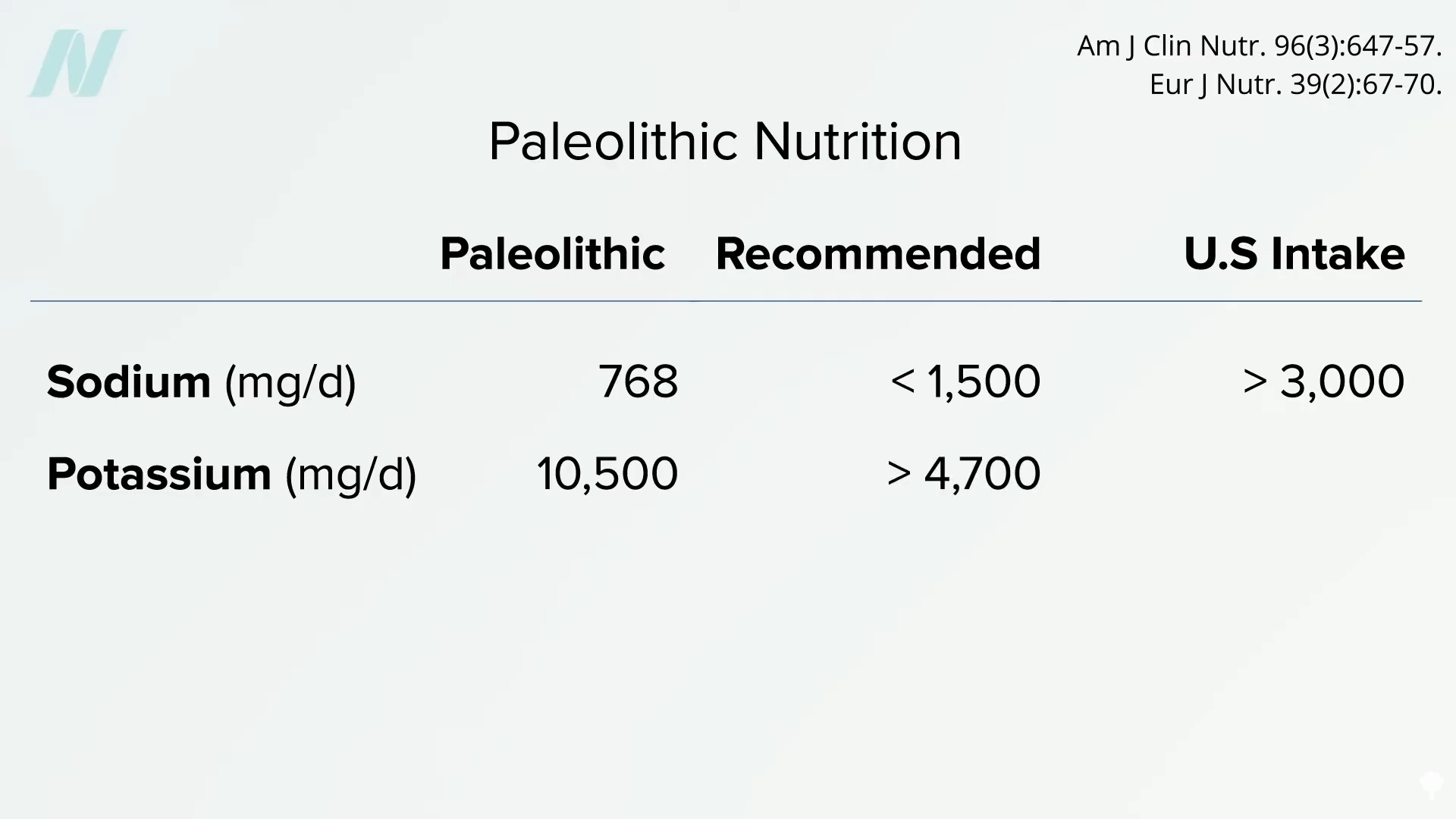
Furthermore, the human body’s ability to process sodium appears to be mismatched with modern dietary habits. It is estimated that our bodies evolved to handle approximately 750 mg of sodium per day. In stark contrast, current recommendations from organizations like the American Heart Association suggest staying below at least twice that amount, equating to 1,500 mg daily. Despite these recommendations, the average American consumes more than four times the naturally tolerable amount of sodium. This dietary pattern has been worsening, with sodium intake increasing over the last decade. Data from over a decade ago already revealed a staggering statistic: a whopping 98.8% of Americans exceeded the 1,500 mg upper limit recommendation.
The Potassium Deficiency: A Silent Threat
Simultaneously, the vast majority of U.S. adults are failing to consume adequate amounts of potassium. This deficiency is particularly concerning because potassium plays a vital role in counteracting the blood-pressure-raising effects of sodium. Less than 2% of U.S. adults meet the recommended daily minimum intake of potassium, meaning more than 98% of Americans subsist on potassium-deficient diets.
This deficiency becomes even more striking when compared to the dietary habits of our ancestors. It is believed that early humans consumed substantial amounts of dietary potassium, with estimates suggesting intakes potentially exceeding 10,000 mg per day. Current recommendations advocate for at least half of this ancestral intake, yet most Americans fall far short of even these reduced targets. This significant gap highlights a profound evolutionary mismatch between our physiology and our modern food supply.
The Dual Deficit: A National Non-Compliance
When the recommended intake guidelines for both sodium and potassium are considered in tandem, the picture becomes even more alarming. Fewer than 0.015% of individuals in the United States are estimated to meet both targets. This translates to a staggering non-compliance rate of nearly 99.99%, meaning only about 1 in 6,000 Americans consistently adheres to recommended sodium and potassium intake levels.
Exploring Solutions: The Role of Salt Substitutes
In light of these dire statistics, researchers and health professionals are exploring potential interventions to mitigate the widespread dietary imbalances. One avenue of investigation involves the use of potassium-based salt substitutes. These products, which replace sodium chloride with potassium chloride, offer the potential to reduce sodium intake while simultaneously increasing potassium consumption, all while maintaining a similar salty taste.
The efficacy and safety of these potassium-based salt substitutes are subjects of ongoing scientific scrutiny. Questions remain regarding their long-term impact on health, particularly for individuals with pre-existing conditions such as kidney disease, where potassium regulation is critical. Further research is necessary to fully understand the benefits and potential risks associated with their widespread adoption.
A Call for Dietary Reform
The pervasive dietary habits in the United States represent a critical public health challenge. The overwhelming majority of Americans are consuming far too much sodium and far too little potassium, creating a dangerous imbalance that significantly increases the risk of numerous chronic diseases, including hypertension, heart disease, stroke, and certain cancers.
The findings underscore the urgent need for comprehensive dietary reform, encompassing public education campaigns, policy changes aimed at reducing sodium in processed foods, and promotion of increased consumption of potassium-rich whole foods. Addressing this dual deficit in sodium and potassium intake is paramount to improving the health and longevity of the American population.
Broader Implications and Future Directions
The implications of this widespread dietary failure extend beyond individual health outcomes. The increased burden of chronic diseases associated with poor diets places immense strain on the healthcare system, leading to escalating costs and reduced productivity. Public health initiatives must prioritize evidence-based strategies to promote healthier eating habits and create an environment that supports informed food choices.
This article serves as the initial installment in a three-part series exploring the critical roles of sodium, potassium, and the potential of salt substitutes in achieving better health. Future discussions will delve deeper into the specific benefits and considerations of potassium chloride salt substitutes, examining whether they are indeed a worthwhile dietary addition and assessing their safety and efficacy in greater detail. The evidence presented thus far strongly suggests that the prevailing dietary landscape is unsustainable and demands immediate and concerted action from individuals, policymakers, and the food industry alike. Dismissing the scientific consensus on the detrimental effects of excess sodium is a dangerous oversight, and continued research and public awareness are crucial to reversing this alarming trend.

