

Our understanding of aging is intricately linked to the health of our arteries, and research increasingly points to diet as a critical determinant of their long-term function. A recent series of studies and analyses, drawing upon decades of scientific inquiry, highlights a startling and immediate consequence of consuming a high-fat meal: a rapid impairment of arterial function and increased inflammation within the respiratory system, effects that can persist for hours and contribute significantly to the development of chronic diseases. This revelation challenges long-held assumptions about dietary impacts and underscores the profound influence of individual meals on our physiological well-being.
The Immediate Aftermath: Arterial Function Compromised
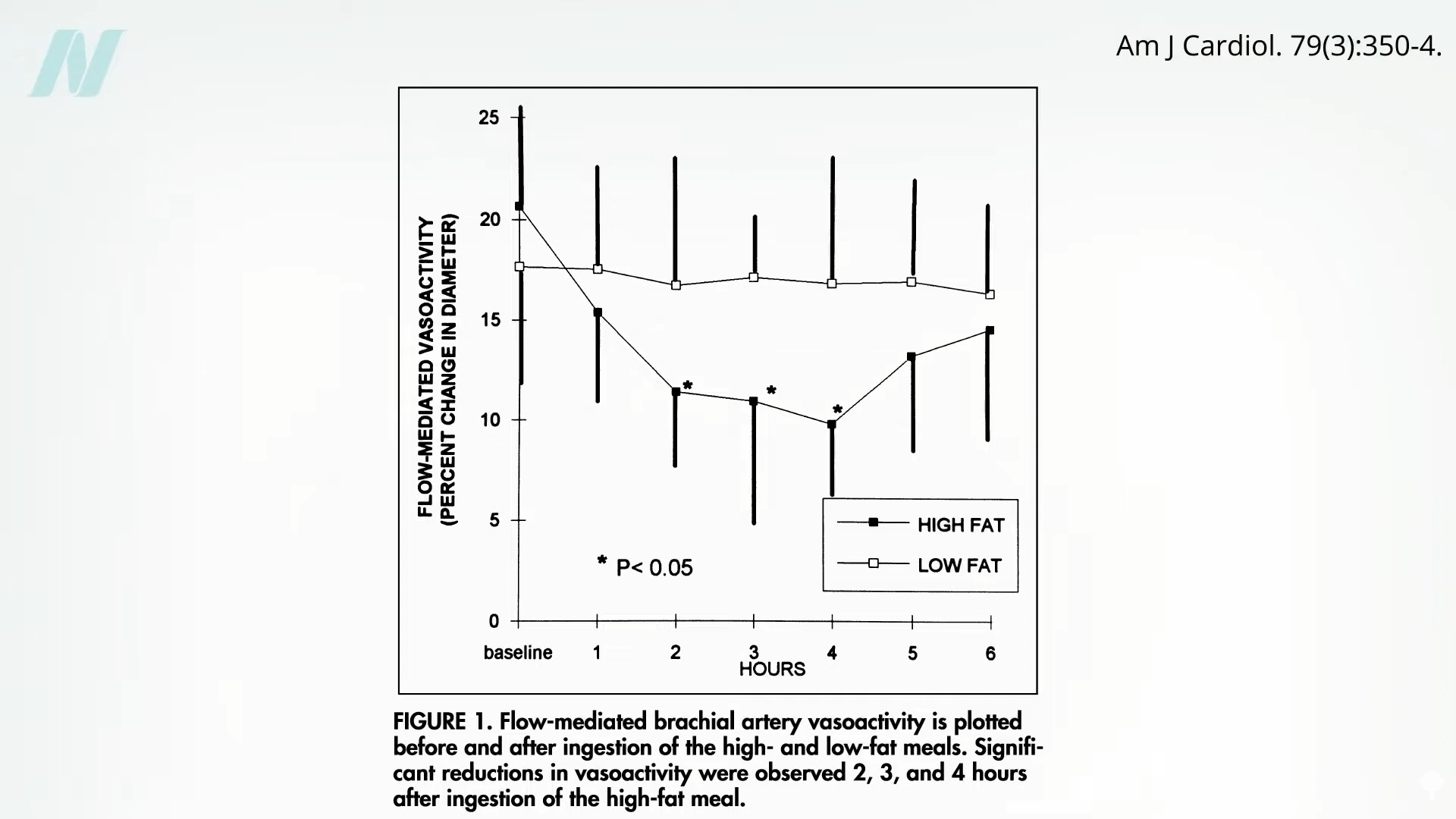
Landmark research, revisited and analyzed in recent scientific discourse, has demonstrated a swift and significant decline in arterial elasticity and function following the ingestion of a single high-fat meal. This impairment, observed within mere hours, stands in stark contrast to the minimal to no negative impact recorded after a low-fat meal. The implications are profound, suggesting that the very structure responsible for delivering oxygenated blood throughout the body is acutely sensitive to dietary fat content.
A pivotal study, referenced in current discussions, utilized common fast-food items to illustrate this phenomenon. Meals such as McDonald’s Sausage and Egg McMuffins were found to trigger this adverse response. The study’s design was crucial in isolating the impact of fat. By comparing the effects of this high-fat breakfast with a low-fat alternative, such as a sugary cereal like Frosted Flakes, researchers were able to attribute the arterial dysfunction primarily to the fat content rather than the carbohydrate load. This finding is significant, as it suggests that the type of fat consumed, and its sheer quantity, plays a direct role in immediate physiological changes.
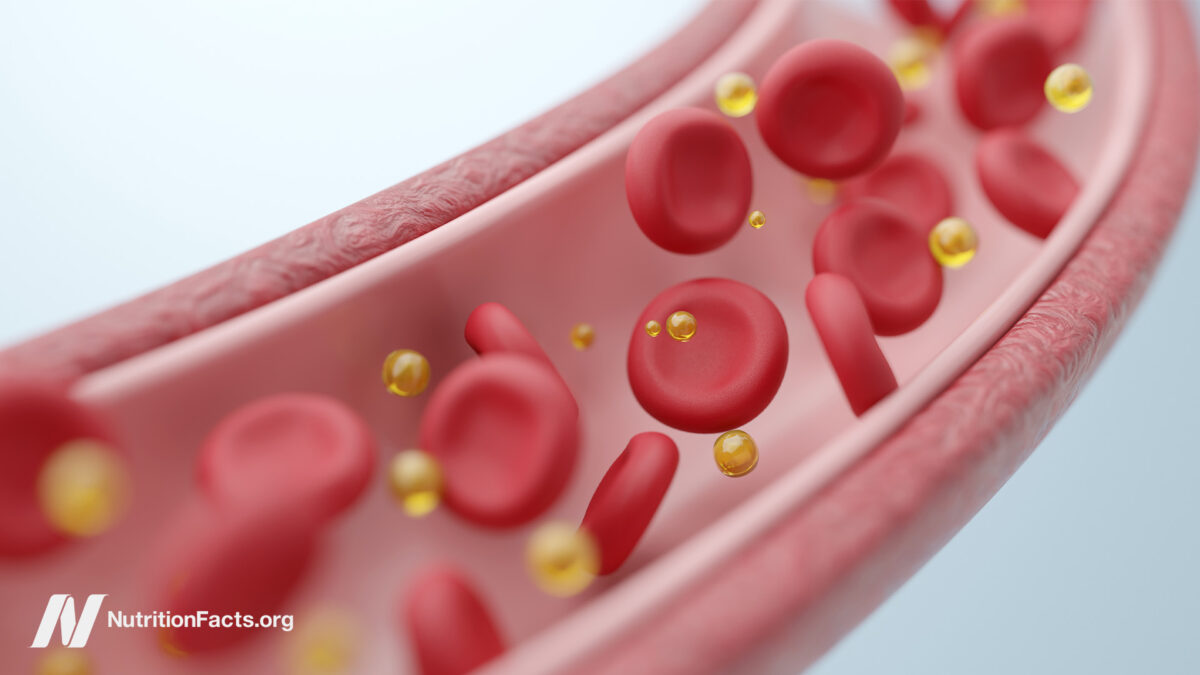
The physiological cascade initiated by a high-fat meal is complex. It is believed to involve the disruption of the endothelial cells lining the arteries, which are responsible for regulating blood flow and preventing clotting. Impaired endothelial function can lead to reduced vasodilation (the widening of blood vessels), making it harder for blood to flow freely. This, in turn, can increase blood pressure and place additional strain on the cardiovascular system. Furthermore, the body’s response to digesting large amounts of fat can trigger a low-grade inflammatory response, a well-established precursor to a host of chronic diseases, including atherosclerosis – the hardening and narrowing of arteries.
The Pervasive Threat: Inflammation Beyond the Arteries
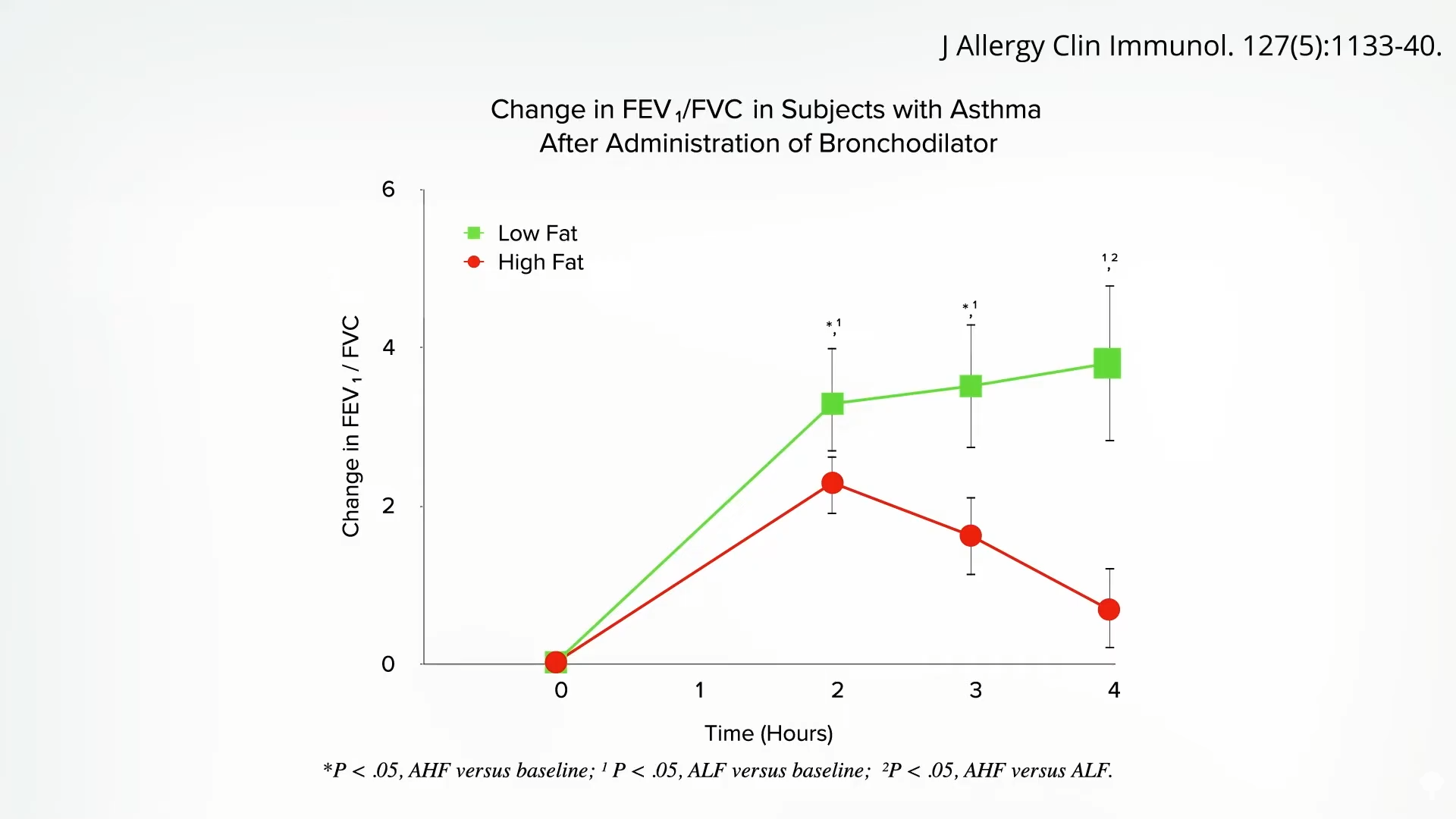
The detrimental effects of high-fat meals are not confined to the cardiovascular system. Emerging research indicates a significant impact on respiratory health, even in individuals without pre-existing respiratory conditions. Studies have shown that consuming high-fat meals can lead to increased airway inflammation and a diminished response to bronchodilators, medications used to open up the airways, which are essential for individuals with conditions like asthma.
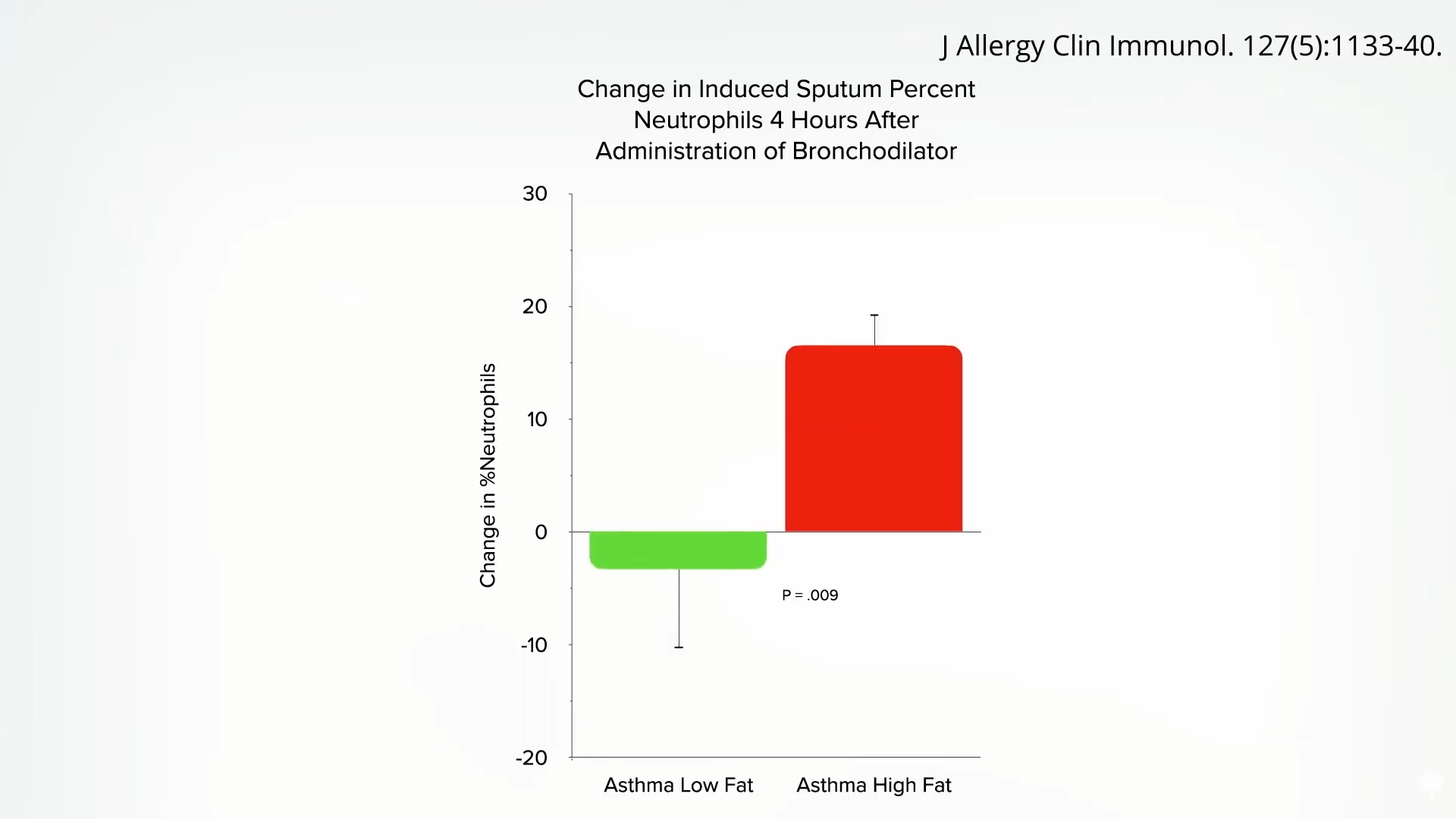
One notable study examined the impact of a high-fat meal on individuals with asthma. Four hours after consuming such a meal, participants exhibited a significant increase in inflammatory cells within their sputum, the mucus coughed up from the lungs. This inflammation was correlated with a reduced effectiveness of their inhalers. While this initial research focused on asthmatic individuals, subsequent investigations have revealed a similar inflammatory response in healthy individuals. A study involving a "Meat Lover’s" breakfast bowl, a high-fat, meat-centric meal, showed a comparable spike in inflammatory cells in the sputum of participants without asthma, four hours post-consumption.
This finding suggests that the inflammatory response to dietary fat is a general physiological reaction, impacting lung function even in those not directly suffering from respiratory ailments. The implications for public health are substantial, given the widespread consumption of high-fat foods and the prevalence of respiratory issues globally.
The Cellular Mechanisms: Oxidized LDL and Endotoxins
Further scientific scrutiny has delved into the specific cellular mechanisms driving this inflammation. Following a high-fat meal, studies have observed a doubling in the amount of pro-inflammatory oxidized low-density lipoprotein (LDL) cholesterol. This oxidized LDL is then readily absorbed by white blood cells, specifically macrophages. These macrophages, laden with oxidized LDL, transform into "foam cells," a key component in the development of atherosclerotic plaques. These plaques, essentially inflamed deposits within artery walls, are a primary driver of heart attacks and strokes.
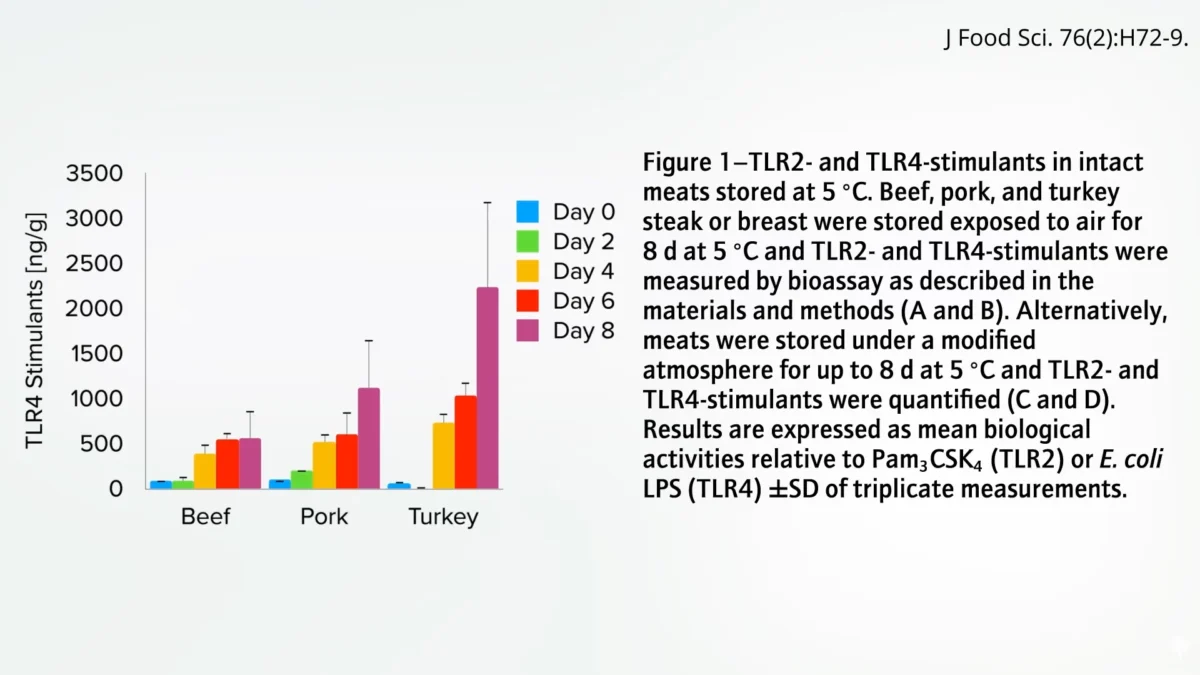
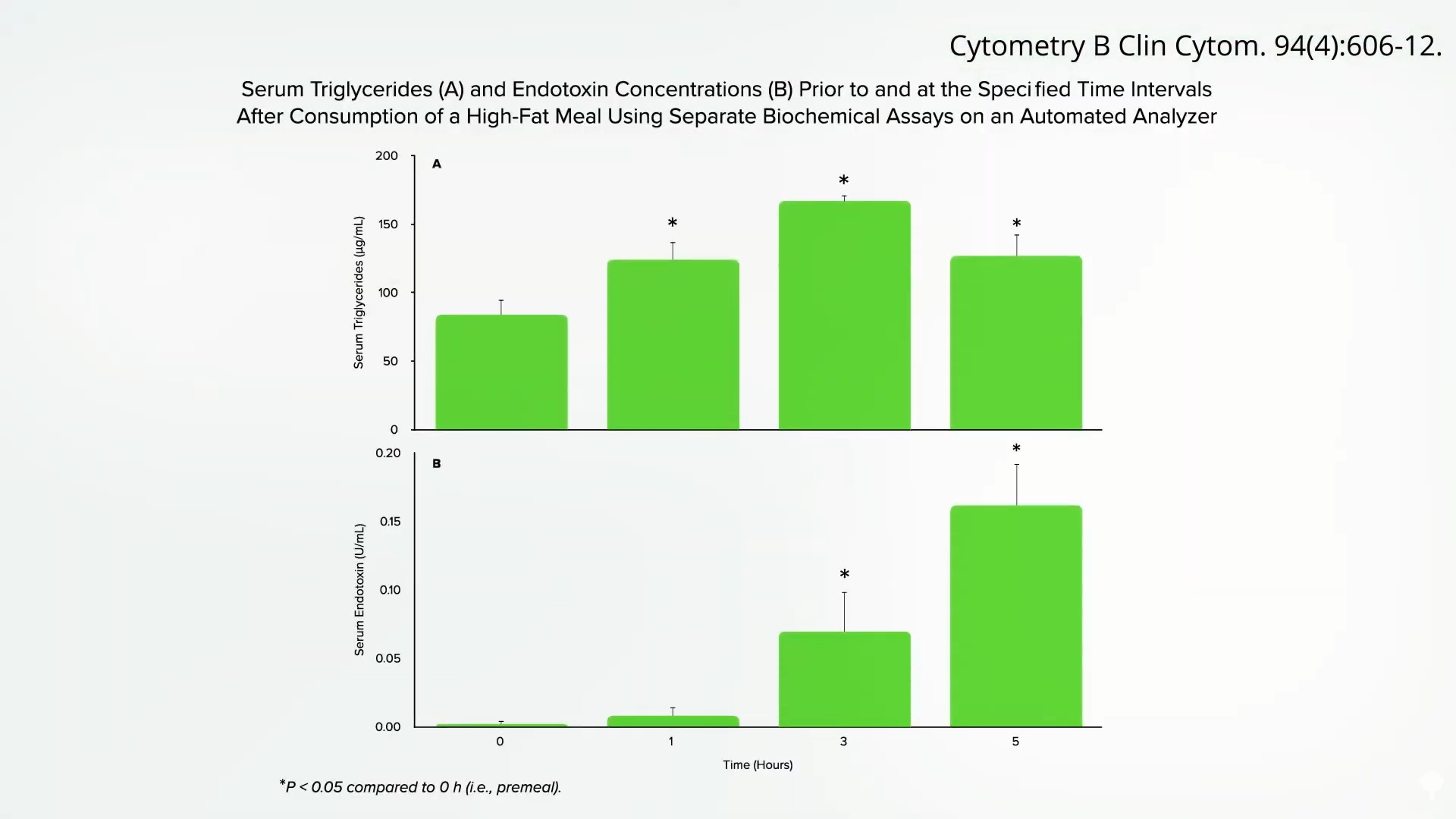
The presence of endotoxins, components of bacterial cell walls, has also been implicated as a contributor to this post-meal inflammation. Foods, particularly meats (both red and white), can be contaminated with bacteria, alive or dead, leading to the accumulation of endotoxins. When these endotoxins enter the bloodstream, they can trigger a potent inflammatory response. This contamination is not necessarily due to poor food handling but is an inherent characteristic of many animal products.
However, more recent research, published in 2020, has begun to challenge the sole attribution of this inflammation to endotoxins. These newer findings suggest that the saturated fat itself, circulating in the bloodstream after an unhealthy meal, may be a more direct inducer of inflammation. This suggests a multi-faceted attack on vascular and respiratory health, with both the fat molecules and potentially bacterial byproducts contributing to the inflammatory cascade.
The Chronology of Damage: A Constant Assault
The critical aspect of these findings is the timeline. The observed impairments and inflammatory responses occur within hours of a single meal. Considering that the average person spends approximately 16 hours a day in a post-meal state, this means that our arteries and lungs may be under continuous assault from the dietary choices made throughout the day. This relentless exposure to inflammatory triggers is a likely explanation for the high global incidence of cardiovascular disease, which remains the leading cause of mortality worldwide.
The cycle of damage can be visualized: a high-fat meal initiates inflammation and arterial dysfunction. As the body begins to recover, the next meal, often another high-fat option, reignites the inflammatory process. This repetitive cycle, occurring multiple times a day, every day, contributes to the gradual but persistent damage that ultimately leads to serious health conditions.
Broader Implications and Future Directions
The implications of this research extend far beyond individual dietary choices. It highlights the need for a more nuanced understanding of nutrition, moving beyond general recommendations to specific meal compositions and their immediate physiological consequences. Public health initiatives may need to incorporate this knowledge to better educate the public about the rapid and profound impact of diet on health.
Analysis of Implications:
- Public Health Messaging: Current public health campaigns often focus on long-term risks associated with chronic dietary patterns. This research suggests a need to emphasize the immediate consequences of individual meals, potentially encouraging more mindful eating habits on a daily basis.
- Food Industry Responsibility: The findings raise questions about the responsibility of the food industry, particularly in the fast-food sector, to reformulate products to minimize these immediate negative health impacts. The study’s use of specific fast-food items underscores the widespread availability of these potential triggers.
- Personalized Nutrition: As our understanding of individual metabolic responses deepens, the concept of personalized nutrition may gain further traction. Tailoring dietary advice based on an individual’s susceptibility to inflammatory responses could become a more significant aspect of preventative healthcare.
- Further Research: The ongoing debate about the primary culprit – endotoxins versus saturated fat – underscores the need for continued research. Investigating the synergistic effects of different dietary components and their interaction with individual genetic predispositions will be crucial.
The presented findings are not isolated observations but part of a growing body of evidence that links dietary fat intake directly to acute physiological changes that underpin chronic diseases. The research presented in this article, and its accompanying video series, serves as a stark reminder that what we eat, meal by meal, has an immediate and measurable impact on our body’s ability to function optimally, and ultimately, on our longevity. This understanding necessitates a re-evaluation of our dietary habits and a more proactive approach to preserving the health of our arteries and lungs.
Doctor’s Note:
This analysis is the initial part of a three-part series addressing the impact of saturated fat and fast food. The subsequent segments will explore "Exercising to Protect Your Arteries from Fast Food" and "Foods to Help Protect Your Arteries from Saturated Fat," offering further insights and potential mitigation strategies. Discussions surrounding the "butter is back" studies are also provided in related posts, offering a broader context to the evolving understanding of dietary fats.

