

The evolution of modern resistance training has shifted from rudimentary weightlifting to a highly specialized discipline governed by physiological principles and structured periodization. Periodization, defined as the systematic planning of athletic or physical training, involves the progressive cycling of various aspects of a training program during a specific period. The objective is to achieve peak performance for a specific competition or goal while minimizing the risks of overtraining and injury. Professional strength coaches and sports scientists emphasize that while the "doing" of the work is essential for expertise, the theoretical framework—often referred to as the "programming wizardry"—serves as the critical roadmap for transforming general population clients and elite athletes alike into optimized physical specimens.
The Foundational Role of Linear Periodization
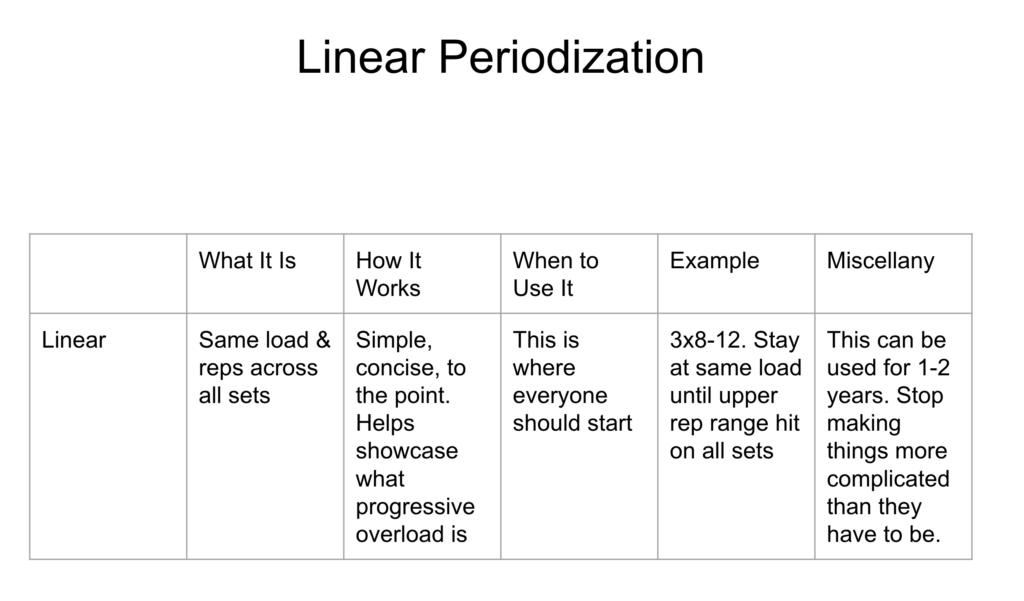
Linear periodization remains the most widely implemented model for novice trainees and general population demographics. This methodology is characterized by a gradual increase in training intensity (load) and a concurrent decrease in training volume (reps and sets) over several weeks or months. The primary utility of this model lies in its simplicity and its ability to introduce the concept of progressive overload without overwhelming the central nervous system of a beginner.

For many individuals in the "general population" category, linear periodization is not merely a starting point but a sustainable long-term strategy. A standard protocol involving three sets of eight to twelve repetitions (3×8-12) has proven effective for hypertrophy and foundational strength. In a typical four-week microcycle, a trainee might begin with a set load and remain at that weight until they can successfully complete 12 repetitions across all sets. Once this threshold is met, the load is increased, and the cycle repeats.
Data from the National Strength and Conditioning Association (NSCA) suggests that for beginners, the specific periodization model is often less critical than the consistency of the stimulus. However, as the trainee progresses, the linear model typically shifts toward higher intensity. A common progression might involve:
- Weeks 1-4: 3 sets of 8-12 repetitions (Hypertrophy focus)
- Weeks 5-8: 4 sets of 6-8 repetitions (Strength-Hypertrophy hybrid)
- Weeks 9-12: 5 sets of 4-6 repetitions (Strength focus)
In this progression, while the total volume may remain relatively stable or decrease slightly, the intensity—measured as a percentage of the trainee’s one-repetition maximum (1RM)—increases steadily.

Fixed Loading and Volume Accumulation
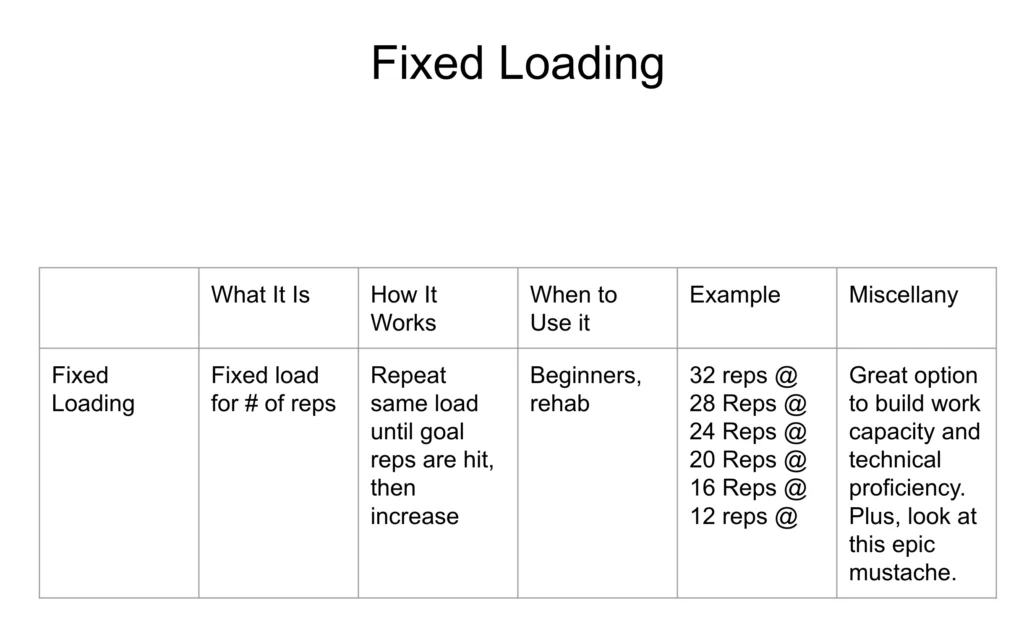
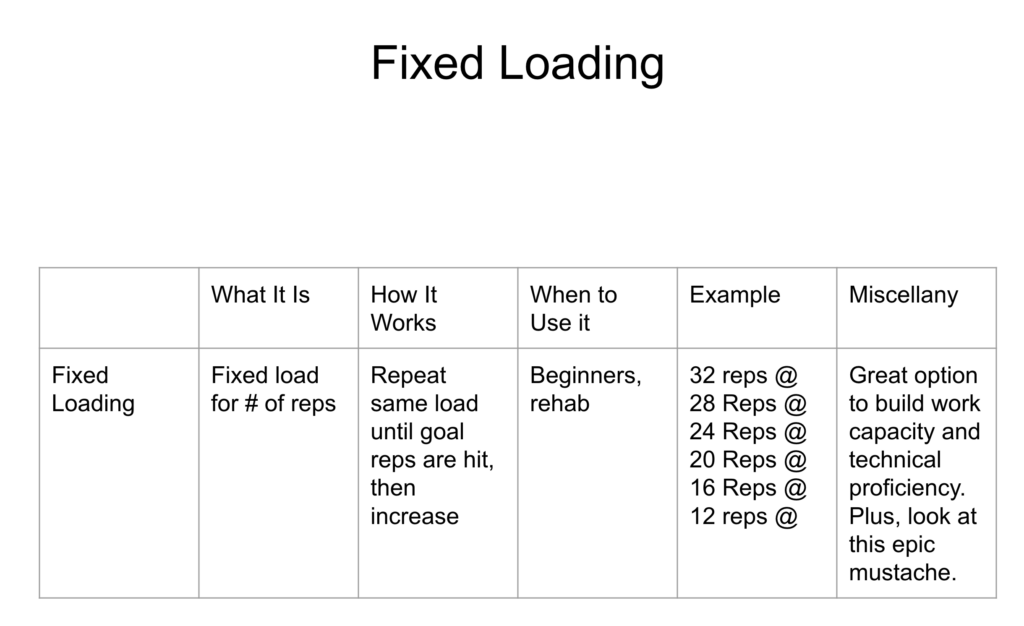
As trainees move past the initial adaptation phase, fixed loading offers a logical progression. This method requires the athlete to select a specific load and attempt to reach a total volume of repetitions within a single session, regardless of how many sets are required to reach that goal. This approach is particularly effective for pushing the boundaries of work capacity and muscular endurance.
In a fixed loading scenario, the load must be calibrated to the rep goal. For instance, a high-volume goal of 32 total repetitions for a trap bar deadlift would necessitate a moderate load (e.g., 65-75% of 1RM), whereas a lower volume goal of 12 total repetitions would allow for a much higher intensity (e.g., 85-90% of 1RM). This method encourages "density training," where the athlete attempts to complete the same amount of work in less time or more work in the same amount of time in subsequent sessions.
Undulated Periodization: Managing Competing Demands
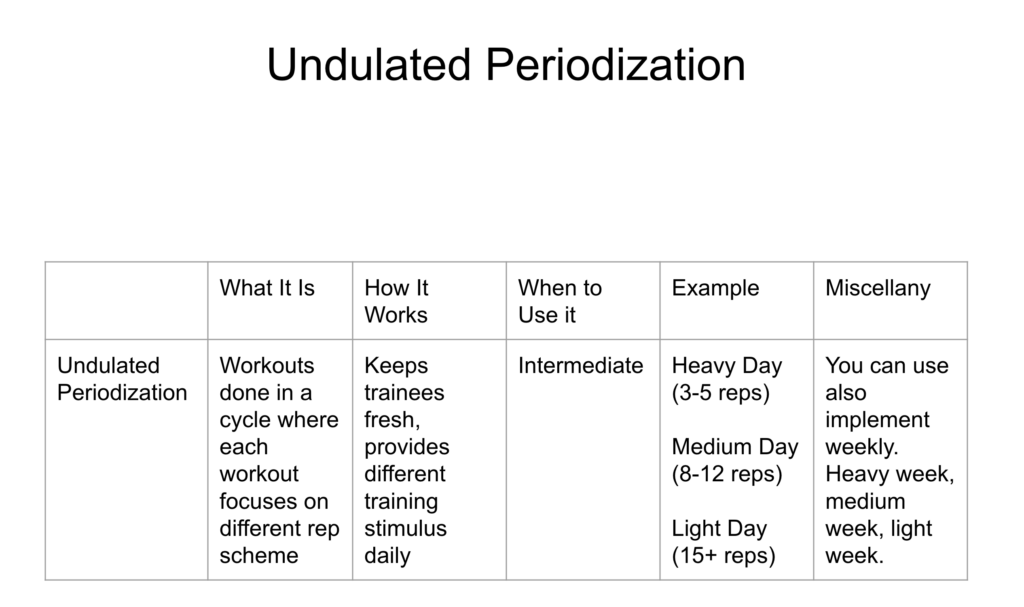
Undulated Periodization (UP), specifically Daily Undulating Periodization (DUP), has gained significant traction in the athletic community. Unlike the linear model, which focuses on one adaptation (e.g., strength or hypertrophy) for weeks at a time, UP varies the intensity and volume within a shorter microcycle, such as a week or even within a single session.

This model is frequently utilized by strength and conditioning coaches working with athletes who face competing demands, such as practice, travel, and competition. By categorizing training days into "Heavy," "Medium," and "Light," coaches can manage fatigue more effectively.
- Weekly Emphasis: Week 1 focuses on heavy loads (3-5 reps), Week 2 on medium loads (8-12 reps), and Week 3 on light loads (15+ reps).
- Session-to-Session Emphasis: Within a single week, an athlete might perform heavy squats on Monday, medium-intensity bench presses on Wednesday, and light-intensity deadlift accessories on Friday.
Research published in the Journal of Strength and Conditioning Research indicates that undulated models may lead to superior strength gains in well-trained individuals compared to linear models, likely due to the frequent exposure to different stimuli and better management of the "repeated bout effect."
Stage Loading and Post-Activation Potentiation (PAP)
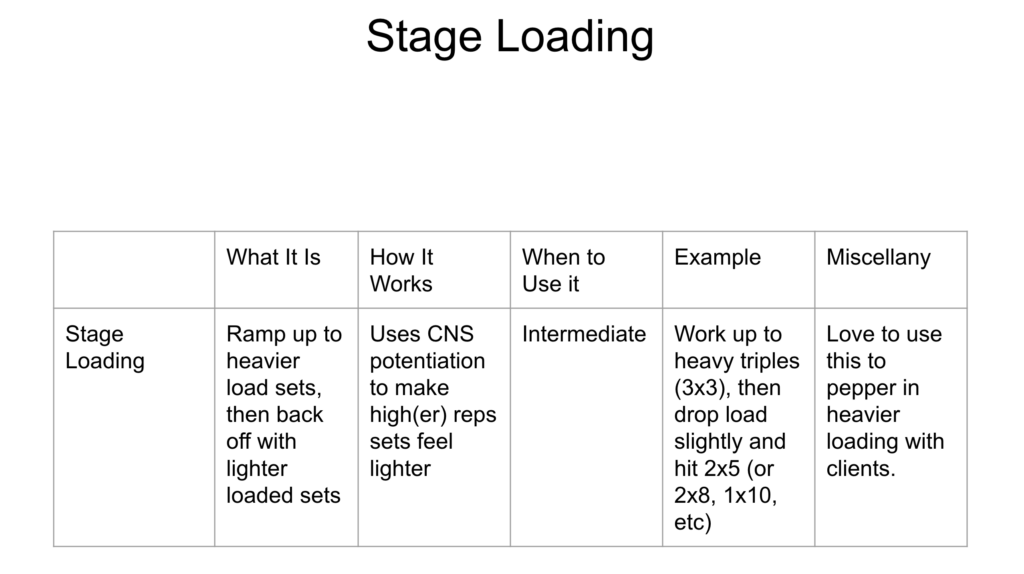
Stage loading is a more advanced strategy that leverages the physiological phenomenon known as Post-Activation Potentiation (PAP). PAP refers to the acute enhancement of muscle force output following a heavy contractile activity. In a stage loading protocol, an athlete performs several challenging, low-repetition sets (e.g., 3 sets of 3 reps) followed by "back-off" sets with lighter loads and higher repetitions.
The heavy initial sets serve to "potentiate" the nervous system, increasing motor unit recruitment and firing frequency. Consequently, when the athlete transitions to the lighter back-off sets, the load feels significantly lighter than it would have otherwise, allowing for higher quality repetitions and increased power output. A typical stage loading progression over a month might look like this:
- Week 1: 3 sets of 3 (heavy), followed by 1 set of 10 (medium)
- Week 2: 3 sets of 3 (heavy), followed by 1 set of 8 (heavy-medium)
- Week 3: 3 sets of 3 (heavy), followed by 1 set of 5 (heavy)
- Week 4: 3 sets of 3 (heavy), followed by 2 sets of 5 (heavy)
This method is highly effective for athletes requiring both absolute strength and explosive power, such as football players or shot-putters.
Rest/Pause and Cluster Sets: Advanced Intensity Modalities
For athletes with at least one to two years of consistent training, high-intensity modalities like Rest/Pause and Cluster sets are employed to maximize work capacity and strength. While these two methods are often confused, they serve distinct purposes in a periodized plan.
Rest/Pause Training
Rest/Pause involves extending a single set to the point of technical failure, followed by a very short rest period (typically 15-20 seconds), and then performing additional repetitions to failure again. This is primarily used for accessory movements to accumulate significant metabolic stress and volume in a short period. It is an effective tool for hypertrophy and psychological toughness.
Cluster Sets
Cluster sets involve pre-planned rest periods within a single set. For example, instead of performing a straight set of six repetitions, an athlete might perform three "clusters" of two repetitions with 20 seconds of rest between each cluster. This allows the athlete to use a higher percentage of their 1RM for the total number of repetitions than they could in a traditional straight set. Furthermore, the short rest intervals allow for the partial resynthesis of phosphocreatine (PCr), ensuring that technique remains crisp and power output remains high even under heavy loads.
Wave Loading: Neuromuscular Priming
Wave loading is another manifestation of the PAP principle, structured in "waves" of increasing and decreasing intensity. A common wave protocol is the 3-2-1 wave. The athlete performs a set of 3 reps, then 2, then 1, with increasing weight. They then perform a second "wave" starting at a weight slightly heavier than the first set of the first wave.
The first wave acts as a primer for the nervous system. By the time the athlete reaches the second wave, the neuromuscular system is fully engaged, often allowing the athlete to hit personal records (PRs) during the final single repetition of the second or third wave. This method is highly taxing and is generally reserved for peaking phases in powerlifting or weightlifting.
Industry Perspectives and Broader Implications
Expert coaches, including Tasha Wolf Whelan, whose work has influenced many of these adapted charts and protocols, suggest that the "wizardry" of programming is not about finding a secret formula, but about matching the right stimulus to the athlete’s current state of readiness.
The implications of structured periodization extend beyond the weight room. In a professional sports context, effective programming is a primary component of injury risk management. By avoiding chronic "redlining" (constant training at near-maximal intensity), coaches can keep athletes on the field longer. For the general population, these models provide a framework for lifelong health, preventing the plateaus that often lead to a loss of motivation and the cessation of physical activity.
Chronology of Programming Application
The application of these methodologies typically follows a logical timeline based on training age:
- Novice (0-12 months): Strict adherence to Linear Periodization to build a technical base.
- Intermediate (1-3 years): Introduction of Undulated Periodization and Fixed Loading to overcome plateaus.
- Advanced (3+ years): Integration of Stage Loading, Cluster Sets, and Wave Loading to maximize genetic potential and peak for specific events.
In conclusion, while the act of training is the bedrock of expertise, the strategic application of these various loading schemes—Linear, Fixed, Undulated, Stage, Rest/Pause, Clusters, and Waves—provides the necessary structure for continuous adaptation. By understanding the physiological mechanisms behind these protocols, trainers and coaches can move beyond guesswork, ensuring their clients achieve sustainable, high-level results.

