

In 2019, a pivotal paper emerged, authored by Dr. David Katz and a team of researchers including the esteemed David Jenkins, that issued a compelling "public health case for modernizing the definition of protein quality." This call to action highlights a growing discrepancy between the traditional biochemical understanding of protein and its actual impact on human health. The prevailing notion that protein is universally "good" and that "more is better," coupled with a definition of protein quality that disproportionately favors animal-derived sources, has inadvertently fostered a perception that increased consumption of meat, eggs, and dairy is inherently beneficial. This perspective stands in stark contrast to contemporary nutritional guidelines, which increasingly advocate for greater emphasis on plant-based foods. While protein malnutrition remains a critical concern in many parts of the world, it is a rarity in industrialized nations where the most significant public health challenges stem from chronic diseases, rather than acute deficiencies like kwashiorkor.
The Shifting Landscape of Protein and Mortality Risk
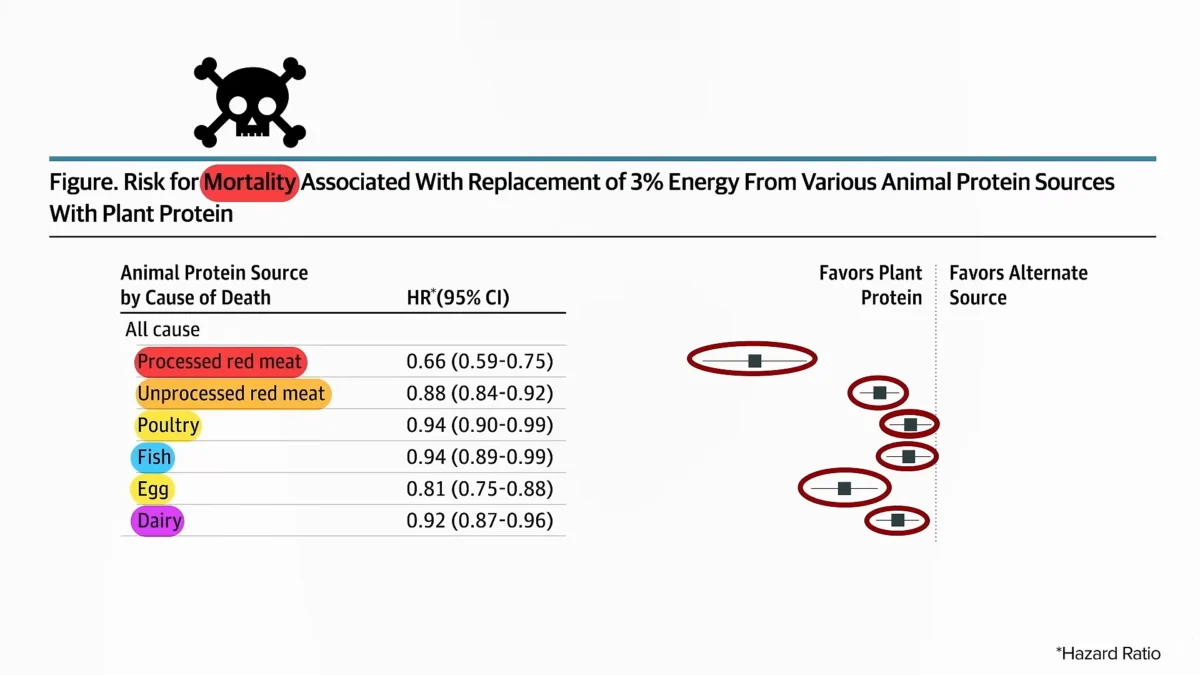
The narrative surrounding protein quality began to significantly evolve with the publication of a landmark Harvard study in 2016. This extensive research, encompassing over 100,000 participants, revealed a significant association between replacing animal protein with plant protein and a reduced risk of premature death. The study identified processed meats, such as bacon, and egg protein, specifically egg whites, as particularly detrimental when consumed in higher quantities. Crucially, even a modest substitution of just 3% of daily calories from animal proteins – whether from processed or unprocessed meats, poultry, fish, eggs, or dairy – with plant-based protein sources was linked to a substantially lower risk of mortality, arguably the most critical health outcome. This finding, corroborated by subsequent analyses, suggests a nuanced relationship between protein sources and longevity that extends beyond simple protein quantity.
Unraveling the Mechanisms: Beyond Biochemistry
A critical question arises: how can the body discern between protein from plant and animal sources, and what are the underlying biological mechanisms driving these observed health differences? While protein is fundamentally composed of amino acids, the composition and accompanying nutrients in different protein sources play a crucial role. Generally, plant-based proteins tend to be lower in branched-chain amino acids (BCAAs) compared to animal proteins. Research has indicated that a decreased intake of BCAAs can lead to improved metabolic health.
Another potential factor contributing to the divergent health outcomes is the influence of Insulin-like Growth Factor 1 (IGF-1). Animal proteins, particularly those considered "high-quality" due to their amino acid profiles, have been associated with an increase in IGF-1, a hormone that plays a role in growth and can promote cancer development. Studies suggest a causal link, as individuals born with naturally higher IGF-1 levels, irrespective of their dietary habits, appear to exhibit higher rates of chronic diseases like type 2 diabetes and heart disease.

Furthermore, environmental contaminants could also be at play. Dioxins and polychlorinated biphenyls (PCBs), persistent organic pollutants, tend to bioaccumulate up the food chain. This means they can concentrate in the tissues of animals, such as cattle, pigs, chickens, and fish, ultimately ending up on our plates. Therefore, a dietary shift towards plant-based proteins may not only offer nutritional benefits but also serve as an effective strategy to reduce the body’s burden of these harmful pollutants, as stated by researchers.
Large-Scale Studies Reinforce the Plant-Based Advantage
The findings from the 2016 Harvard study have been bolstered by even larger investigations. The U.S. National Institutes of Health–AARP Diet and Health Study, one of the most extensive cohort studies on diet and health ever conducted, involved approximately 400,000 participants. This monumental study echoed the earlier conclusions: substituting just 3% of calories derived from animal protein with plant protein was associated with a 10% reduction in overall mortality. The benefits were even more pronounced when egg consumption was entirely eliminated, with a doubling of this mortality reduction observed. This aligns with other research indicating that egg consumption is linked to an increased risk of developing cardiovascular disease.
When the cumulative evidence from multiple studies on dietary protein intake and mortality is synthesized, a clear pattern emerges. Individuals who consume higher amounts of protein, particularly from animal sources, tend to have shorter lifespans. This association appears to be primarily driven by the detrimental effects of animal protein. Conversely, plant protein intake demonstrates an inverse relationship with mortality, suggesting that higher consumption of plant-based proteins is correlated with increased longevity.
Implications for Public Health Policy and Individual Choices
The burgeoning body of scientific evidence strongly supports the modernization of protein quality definitions to prioritize public health outcomes. The traditional focus on amino acid profiles, while biochemically accurate, overlooks the broader health implications of different protein sources. This re-evaluation is crucial for informing dietary recommendations and public health messaging.
The implications of these findings are far-reaching. For policymakers and public health organizations, it underscores the need to actively promote the integration of plant-based proteins into mainstream diets. This could involve educational campaigns, revised dietary guidelines, and potentially even initiatives to make plant-based protein sources more accessible and affordable.
For individuals, the research provides a clear directive: prioritizing plant-based protein sources over animal proteins can be a significant step towards enhancing long-term health and reducing the risk of premature death. This does not necessarily advocate for the complete elimination of animal products for everyone, but rather a strategic shift in dietary balance. The evidence suggests that even incremental changes, such as replacing a small portion of animal protein with plant protein, can yield substantial health benefits.
Understanding the Nuances: Additional Considerations
The discussion around protein intake also touches upon several related areas that warrant further exploration:
- Caloric Restriction and Protein Restriction: The potential benefits of caloric restriction on health and longevity may, in part, be attributed to a reduction in animal protein intake. Research into the distinct effects of caloric restriction versus animal protein restriction provides valuable insights into optimizing health through dietary interventions.
- Branched-Chain Amino Acids (BCAAs): While generally lower in plant proteins, BCAAs are a subject of ongoing research. Understanding their precise role in metabolic health and their differential impact from various protein sources is an area of active scientific inquiry.
- Protein Combining: A long-standing myth suggests that plant proteins must be combined in specific ways to form complete proteins. Scientific consensus now refutes this, indicating that a varied diet throughout the day provides all essential amino acids.
- Protein Requirements: Determining adequate protein intake is essential for all individuals, including vegetarians and vegans. Scientific assessments confirm that well-planned plant-based diets can readily meet protein needs.
- Plant-Based Meat Alternatives: The burgeoning market for plant-based meat alternatives, such as those offered by Beyond Meat and Impossible Foods, presents a new dimension to the protein conversation. Evaluating the healthfulness of these processed products, which often contain added ingredients, is a critical consideration for consumers seeking to optimize their diets.
In conclusion, the scientific evidence compellingly advocates for a paradigm shift in how we define and approach protein quality. Moving beyond a purely biochemical framework to one that encompasses broad public health outcomes is not merely an academic exercise but a critical imperative. By embracing a greater emphasis on plant-based protein, individuals and societies can collectively move towards a future characterized by improved health, increased longevity, and a reduced burden of chronic diseases. The message is clear: increasing plant protein intake, while moderating animal protein consumption, represents a powerful and actionable strategy for a healthier life.

