

The long-held understanding of "protein quality" in nutrition may be due for a significant overhaul, according to a growing body of scientific literature. A pivotal 2019 publication by Dr. David Katz and colleagues, including prominent researcher David Jenkins, has ignited a discussion around modernizing the definition of protein quality, arguing that the current paradigm is rooted more in biochemical processes than in tangible impacts on human health. This re-evaluation is particularly relevant in industrialized nations where chronic diseases, rather than acute protein malnutrition, represent the most significant public health challenges.
The prevailing notion that "more protein is better," coupled with a definition of protein quality that historically favors animal-derived sources, has inadvertently shaped dietary recommendations and public perception. This perspective often implies that increased consumption of meat, eggs, and dairy is inherently desirable. However, this contrasts with contemporary nutrition guidelines that increasingly advocate for greater emphasis on plant-based foods. While protein deficiency remains a critical issue in many parts of the world, it is a rare occurrence in developed countries. Instead, these nations grapple with the pervasive threat of chronic non-communicable diseases, a stark departure from conditions like kwashiorkor, which signifies severe protein and calorie malnutrition.
Landmark Study Links Plant Protein to Reduced Mortality Risk
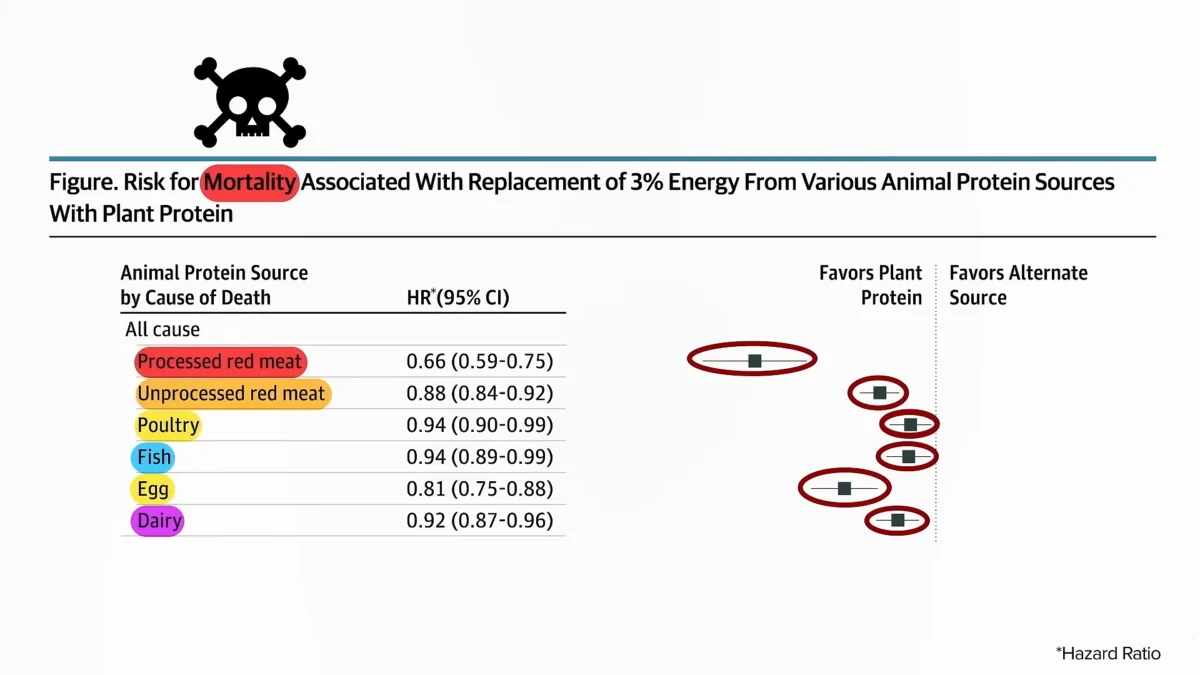
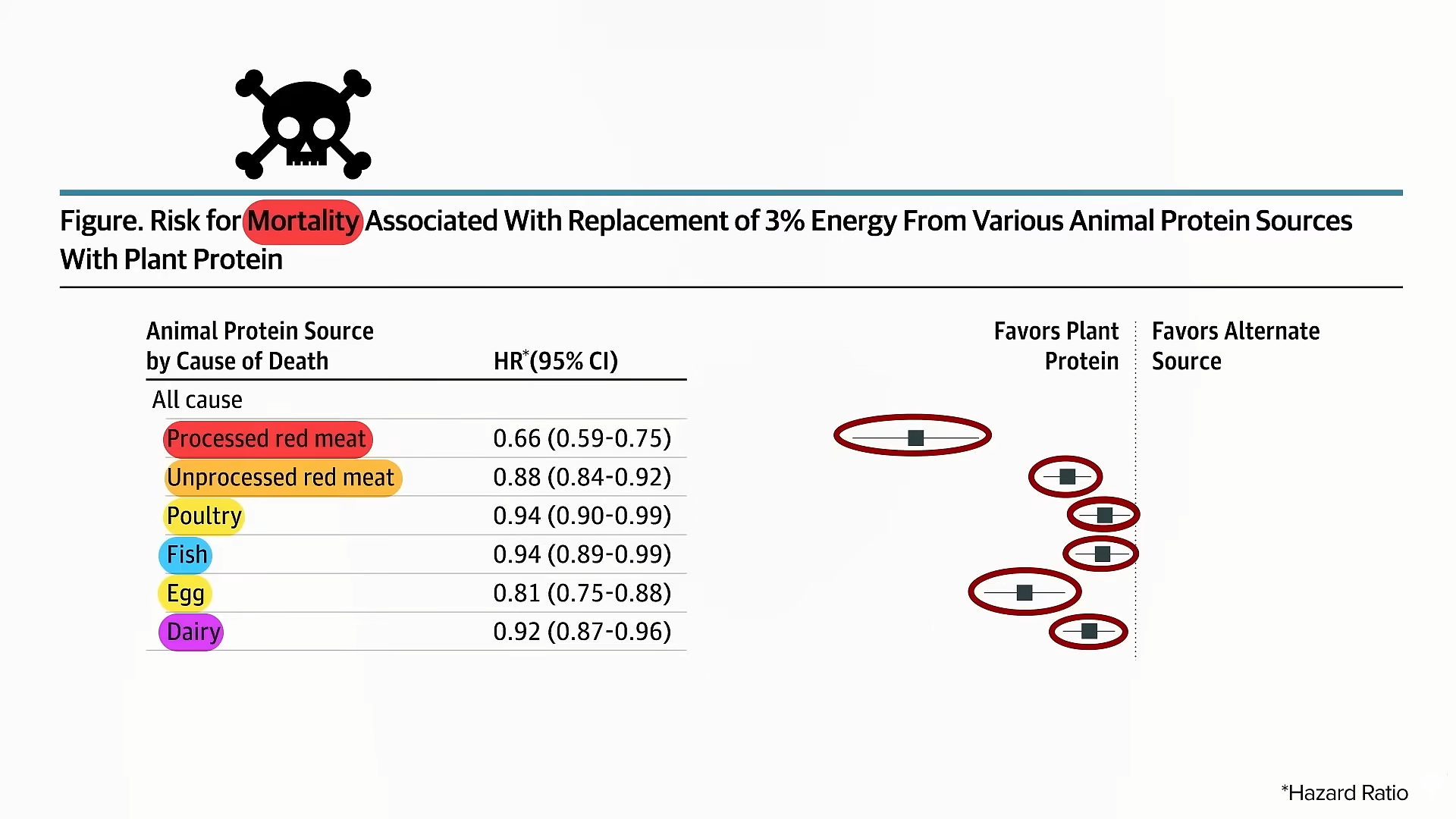
A groundbreaking study published in 2016, involving over 100,000 participants, provided compelling evidence for the health benefits of shifting protein sources. This extensive research, originating from Harvard University, found a significant association between replacing animal protein with plant-based protein and a reduced risk of premature death. The study identified processed meats, such as bacon, and egg protein, particularly egg whites, as particularly detrimental when consumed in higher quantities.
Crucially, the research demonstrated that even a modest substitution—as little as a 3% caloric replacement of animal protein with plant protein—was linked to a significantly lower risk of mortality. This association held true across various animal protein sources, including processed and unprocessed meats, poultry, fish, eggs, and dairy products. The implications of this finding are profound, suggesting that a fundamental dietary shift towards plant-based protein could be a powerful strategy for extending lifespan and improving overall public health outcomes.
The researchers meticulously adjusted for confounding factors, including saturated fat intake, to isolate the impact of protein sources themselves. This adjustment suggests that the observed benefits are not solely attributable to the fat content of animal products, but rather to the protein component. The question then arises: how does the body differentiate between animal and plant protein, and why do they elicit different health responses?
Unpacking the Biological Mechanisms: Beyond Amino Acids
While protein is fundamentally composed of amino acids, the specific profiles and associated compounds differ significantly between animal and plant sources. Generally, plant proteins tend to be lower in branched-chain amino acids (BCAAs) compared to animal proteins. Research has indicated that a decreased consumption of BCAAs can lead to improvements in metabolic health. This observation offers a potential biological mechanism for the observed mortality benefits associated with plant-based protein intake.

Furthermore, the role of Insulin-like Growth Factor 1 (IGF-1) is being explored as another critical factor. Animal protein, particularly that considered "high-quality" due to its complete amino acid profile, has been shown to boost IGF-1 levels. IGF-1 is a growth hormone that has been implicated in promoting the development of certain cancers. Studies suggest a causal relationship, as individuals born with naturally higher IGF-1 levels, irrespective of their diet, exhibit higher rates of chronic diseases like type 2 diabetes and heart disease. This connection implies that by reducing animal protein intake, and consequently IGF-1 levels, individuals may lower their susceptibility to these life-threatening conditions.
Another significant consideration is the potential presence of environmental contaminants. Pollutants such as dioxins and polychlorinated biphenyls (PCBs) tend to bioaccumulate up the food chain. This means that animals, including cattle, pigs, chickens, and fish, can accumulate these toxins, which are then transferred to humans through consumption. Plant-based protein, by virtue of its position lower on the food chain and lack of bioaccumulation of these specific toxins, offers a cleaner dietary option. As stated by researchers, "plant-based protein, besides other health benefits, stands as an important step to lower the body burden of harmful pollutants of dietary animal-protein origin." This highlights a dual benefit of plant-based protein: its intrinsic health advantages and its role in reducing exposure to environmental toxins.
Large-Scale Studies Reinforce the Plant Protein Advantage
The findings from the Harvard study are not isolated. The U.S. National Institutes of Health-AARP Diet and Health Study, one of the largest diet cohort studies ever conducted, involving approximately 400,000 participants, has further corroborated these conclusions. This massive study also found that substituting just 3% of daily calories from animal protein with plant protein was associated with a 10% reduction in overall mortality. The benefits were even more pronounced when egg consumption was entirely eliminated, with approximately a doubled mortality reduction observed in such cases. This finding aligns with previous research linking egg consumption to an increased risk of cardiovascular disease.
When synthesizing the findings from numerous studies examining dietary protein intake and mortality, a clear pattern emerges. Individuals who consume higher amounts of protein, predominantly from animal sources, tend to have shorter lifespans. Conversely, plant protein intake demonstrates an inverse relationship with mortality, meaning that a greater consumption of plant protein is correlated with increased longevity. This distinction is critical for public health messaging, moving beyond a simplistic view of protein to a nuanced understanding of its sources and their differential health impacts.
Implications for Public Health Policy and Individual Choices
The accumulating evidence strongly suggests that a strategic shift towards increasing plant protein intake while reducing animal protein consumption is a viable and impactful public health strategy. This approach not only addresses the rising tide of chronic diseases but also offers a more sustainable and potentially less toxic dietary pattern. As one meta-analysis concluded, "Persons should be encouraged to increase their plant protein intake to potentially decrease their risk of death."
This re-evaluation of protein quality has significant implications for dietary guidelines, food labeling, and public health campaigns. It calls for a more comprehensive definition of "quality" that prioritizes health outcomes and disease prevention over purely biochemical metrics. The focus needs to shift from simply ensuring adequate protein intake to guiding individuals towards healthier protein sources.
Broader Nutritional Considerations and Related Research
The discussion surrounding protein intake also intersects with other important nutritional topics. For instance, the benefits attributed to calorie restriction may, in part, stem from a reduction in animal protein consumption. Research exploring "Caloric Restriction vs. Animal Protein Restriction" offers further insights into this relationship.
The role of branched-chain amino acids (BCAAs) themselves has been a subject of independent investigation. Studies such as "Are BCAA (Branched Chain Amino Acids) Healthy?" delve into the specific physiological effects of these amino acids and their potential implications for health.
Furthermore, long-standing dietary myths, such as the necessity of combining plant proteins (e.g., rice and beans) to form complete proteins, have been debunked. Research on "The Protein Combining Myth" clarifies that a varied diet of plant-based foods provides all essential amino acids.
The question of adequate protein intake for vegetarians, often a concern, is also addressed in resources like "Do Vegetarians Get Enough Protein?", which consistently confirms that well-planned vegetarian diets can easily meet protein requirements.
Finally, the rise of plant-based meat alternatives, such as Beyond Meat and Impossible Burger, presents a new frontier in dietary choices. Understanding their nutritional profiles and health impacts, as explored in "Are Beyond Meat and the Impossible Burger Healthy?", is crucial for consumers navigating these evolving food landscapes.
In conclusion, the scientific community is increasingly advocating for a modernization of the protein quality definition, moving beyond traditional biochemical assessments to embrace a health-centric, outcome-driven perspective. The evidence strongly supports the recommendation to prioritize plant-based protein sources to mitigate chronic disease risk and promote longevity. This paradigm shift has the potential to profoundly influence public health strategies and individual dietary choices for years to come.

