

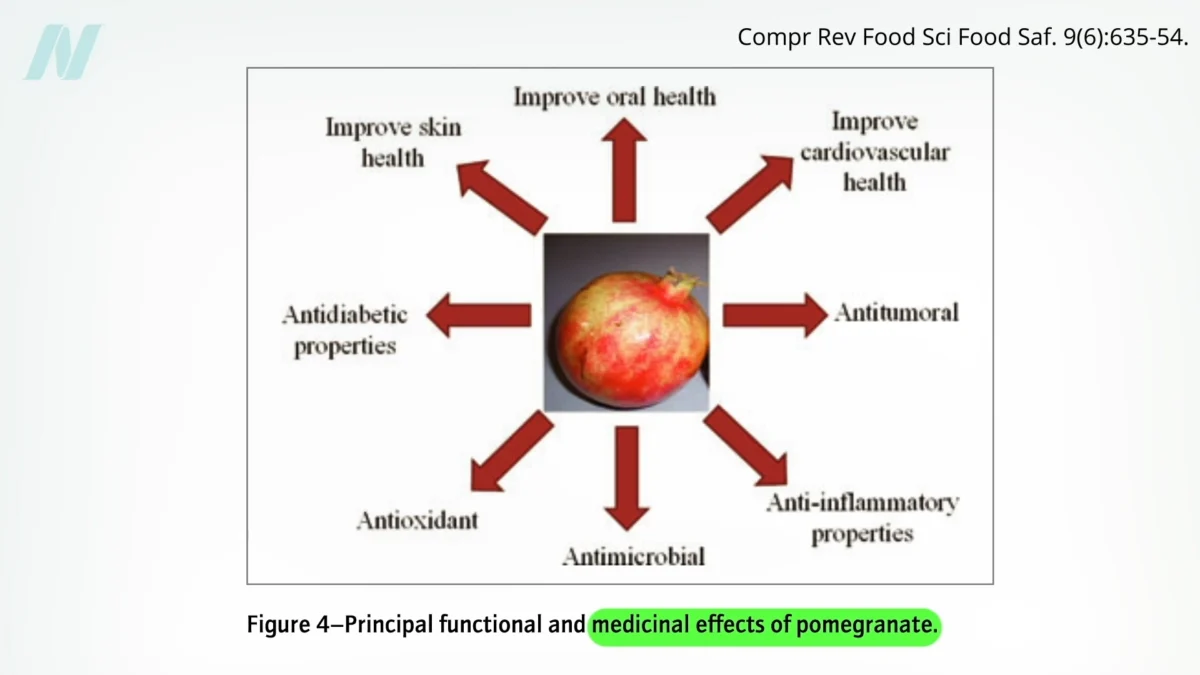
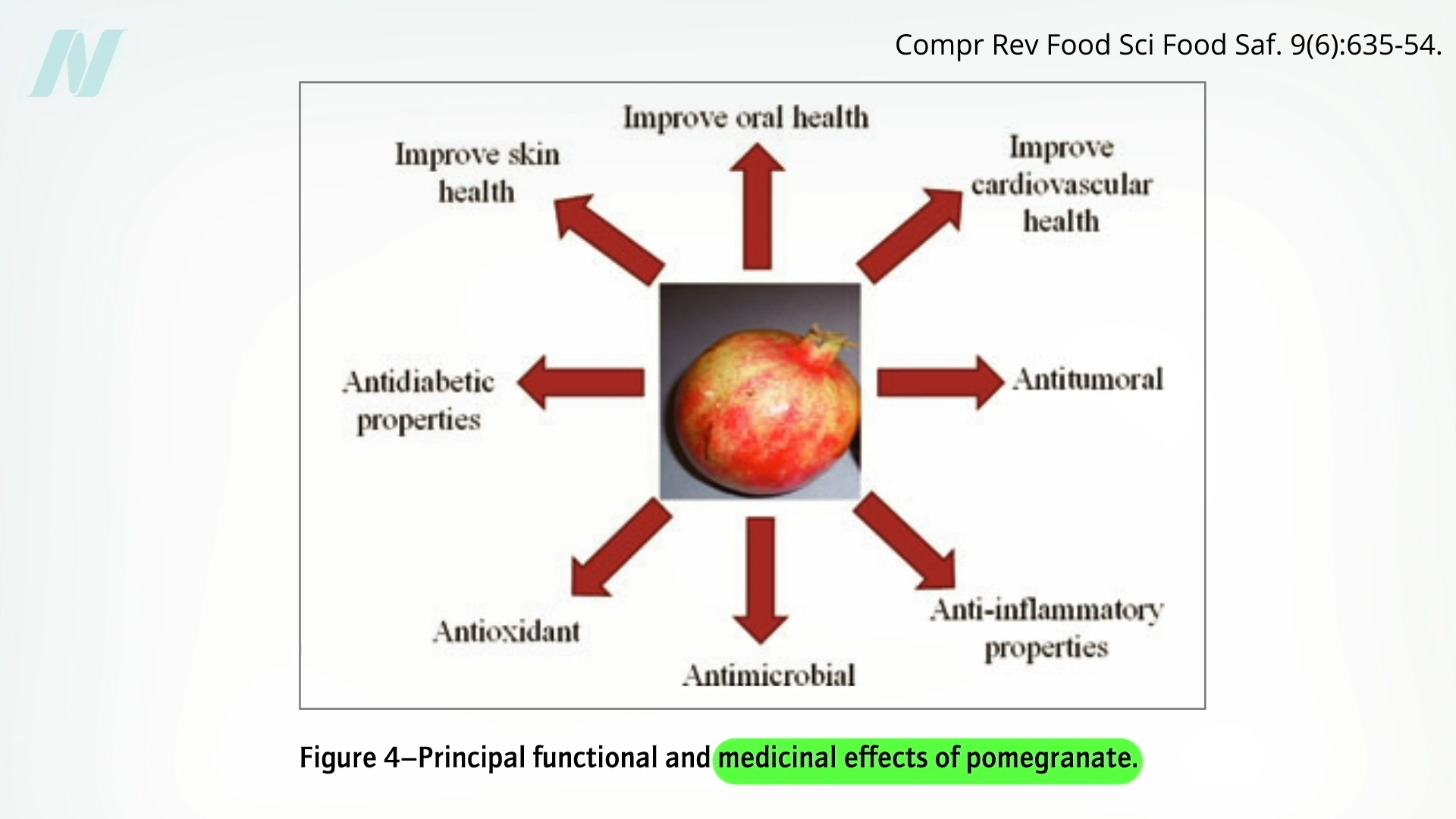
The once-promising health claims surrounding pomegranates, particularly those marketed by POM Wonderful, have faced significant legal and scientific challenges, prompting a closer examination of the evidence for their purported benefits in areas such as weight loss, diabetes, COPD, prostate cancer, osteoarthritis, and rheumatoid arthritis. A pivotal legal battle between POM Wonderful and the Federal Trade Commission (FTC) reached the U.S. Court of Appeals and was ultimately denied review by the Supreme Court, marking a significant moment in the regulation of health-related advertising. The court’s decision underscored the requirement for robust scientific substantiation, specifically a randomized clinical trial, before companies can make disease-treatment or prevention claims.
The POM Wonderful Legal Precedent
The legal entanglement began with the FTC’s assertion that many of POM Wonderful’s advertisements made false or misleading claims. These ads frequently cited studies purportedly demonstrating that daily consumption of POM products could treat, prevent, or reduce the risk of various ailments, including heart disease, prostate cancer, and erectile dysfunction. In its ruling, a panel of judges determined that the First Amendment does not shield deceptive advertising. This landmark decision, which dealt a blow to the company and its owners, established a critical precedent: unsubstantiated claims of treating or preventing disease are not protected speech and require rigorous scientific backing, most notably through randomized clinical trials. This ruling effectively set a higher bar for companies seeking to leverage health benefits in their marketing.
Examining the Scientific Literature: A Deeper Dive
While reviews of medical literature often highlight the numerous potential benefits of pomegranates, a closer inspection reveals that many of these claims are rooted in preliminary research, often conducted in laboratory settings or on animal models. For instance, some studies touting the "antiobesity effects" of pomegranate leaf extract were based on mouse models, a context that does not directly translate to human efficacy.
Weight Management and Cardiovascular Health
When scrutinizing randomized controlled clinical trials involving human participants, the evidence for pomegranate’s impact on weight management is notably absent. Studies consistently show no significant effect on body weight, body mass index (BMI), belly fat, or overall body fat percentage in individuals who consume pomegranate products.

Similarly, the purported benefits for cardiovascular health have not been consistently borne out in rigorous human trials. A comprehensive review of 25 clinical trials examining cholesterol levels, blood pressure, artery function, atherosclerotic plaque formation, and platelet function failed to yield significant indications of benefit, even in the most well-designed studies.
Erectile Dysfunction, Diabetes, and COPD
Even in areas where POM Wonderful specifically funded research, such as a study on pomegranate juice and erectile dysfunction, the results were inconclusive. Further research into diabetes markers has also revealed no discernible benefits from pomegranate consumption. Likewise, studies investigating its effects on chronic obstructive pulmonary disease (COPD), including emphysema, have not identified significant advantages.
The underlying rationale for many of these claims often rested on the antioxidant properties of pomegranate juice. However, much of this evidence originates from in vitro studies (experiments conducted in test tubes or petri dishes). A meta-analysis of data from 11 randomized controlled trials indicated that pomegranate intake did not significantly increase total antioxidant capacity in the bloodstream. This is partly attributed to the fact that some of the most potent antioxidants found in pomegranates may not be effectively absorbed into the human body. Consequently, studies examining oxidative stress in tissue samples from prostate cancer patients have also failed to demonstrate a positive impact from pomegranate supplementation.
Prostate Cancer: Unfulfilled Promise
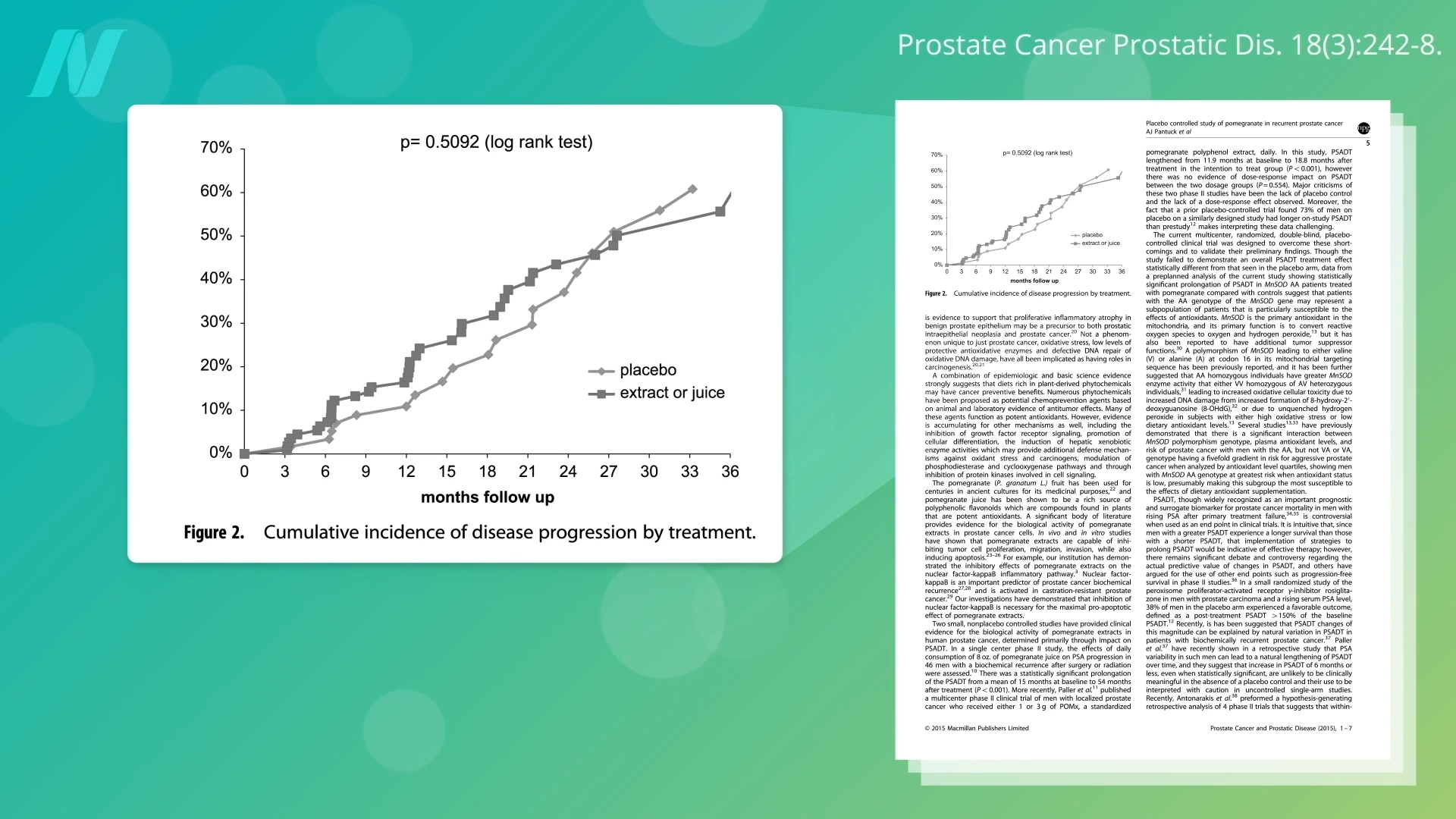
The most robust claims for pomegranate’s anticancer activity have historically centered on prostate cancer. However, initial promising results from preclinical studies have not been corroborated in human trials. A randomized controlled trial investigating the effect of daily pomegranate intake on prostate-specific antigen (PSA) levels, a key indicator of prostate cancer progression, found no impact. Furthermore, a randomized, double-blind, placebo-controlled trial revealed essentially no difference in prostate cancer disease progression between those consuming pomegranate extract and a placebo group.
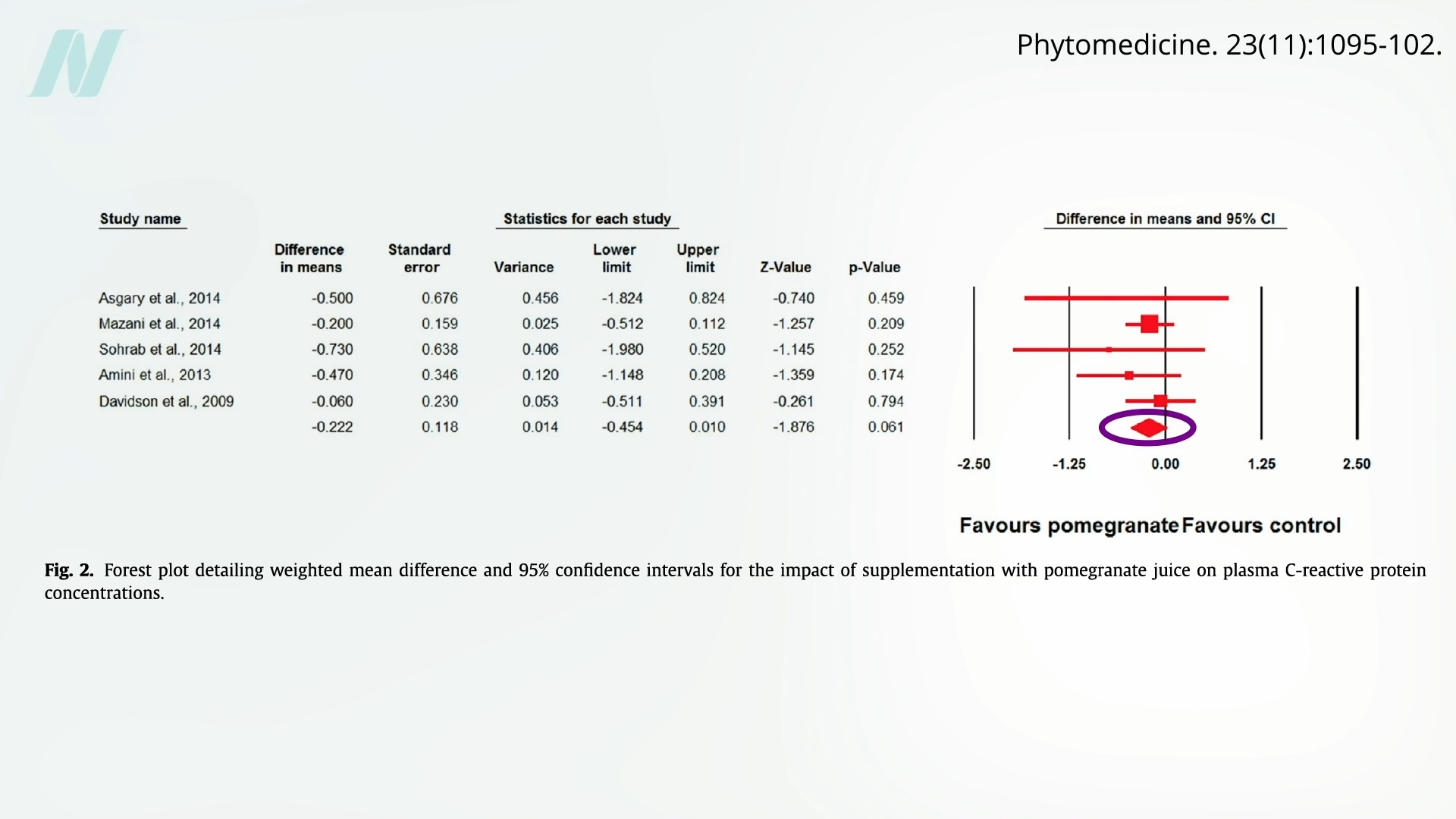
The anti-inflammatory properties of pomegranate juice were again hypothesized as a potential mechanism for its efficacy in prostate cancer. However, in vitro demonstrations of anti-inflammatory activity have not translated into significant clinical benefits in humans. A meta-analysis of five randomized controlled trials, published in 2016, concluded that pomegranate juice did not significantly affect C-reactive protein (CRP) levels, a primary marker of inflammation. While the data from these trials collectively trended towards lower CRP levels, the results narrowly missed statistical significance.
However, a more recent, updated meta-analysis published in 2020, which incorporated data from seven studies, did cross the threshold into statistical significance. This analysis indicated a notable reduction in two other inflammatory markers, suggesting a potential, albeit nuanced, role for pomegranate juice in managing inflammatory conditions. This development has reignited interest in the possibility that pomegranate juice could contribute to the control of inflammatory diseases, contingent upon further rigorous testing.
Osteoarthritis and Rheumatoid Arthritis: Emerging but Limited Evidence
Osteoarthritis, characterized by the degeneration of joint cartilage, has also been a focus of pomegranate research. Studies involving pomegranate extract applied to human osteoarthritic cartilage samples in a laboratory setting have suggested cartilage-protective effects. These in vitro experiments indicated that pomegranate extract could mitigate the damage caused by inflammation.
The critical question of whether these beneficial compounds are bioavailable in humans and reach the joints has been partially addressed. Research has found that cartilage-protecting components of pomegranate are bioavailable, at least in animal models such as rabbits. This raises the possibility of pomegranates serving as a safe, non-toxic alternative to current pharmaceutical treatments for osteoarthritis, which often carry significant side effects.
However, the effectiveness in humans remains a subject of ongoing investigation. The first clinical trial on pomegranate juice and osteoarthritis, while randomized, lacked a placebo control, comparing juice consumption to no intervention. Participants who drank the juice reported less stiffness and impairment in physical function, but these improvements were not statistically significant compared to the control group.
For rheumatoid arthritis, the evidence has been similarly complex. An early study titled "Consumption of Hydrolyzable Tannins-Rich Pomegranate Extract Suppresses Inflammation and Joint Damage in Rheumatoid Arthritis" was found to be funded by the POM "Not-So-Wonderful" company and utilized a mouse model, raising concerns about bias and generalizability. Subsequent open-label studies, where participants knew they were receiving the treatment, showed some promise, with a small number of rheumatoid arthritis patients reporting fewer tender joints. However, the absence of a control group in these studies limits their interpretative power.
A more definitive randomized, double-blind, placebo-controlled trial offered more compelling results. In this study, participants unknowingly received either pomegranate extract or a placebo. Those who received the pomegranate extract demonstrated significant improvements in several key indicators of rheumatoid arthritis activity, including the number of swollen and tender joints, pain intensity, disease activity scores, health assessment questionnaires, and morning stiffness, compared to the placebo group. This trial has led to recommendations for pomegranate consumption for individuals with rheumatoid arthritis.
The question of whether to consume the fruit or supplements then arises. A laboratory analysis of 19 pomegranate supplements revealed a significant issue: the majority did not contain detectable levels of pomegranate. Only a small fraction of these supplements appeared to be authentic, highlighting a critical concern regarding the quality and integrity of the market for pomegranate-based supplements. This underscores the importance of prioritizing whole fruit consumption when seeking potential health benefits.
Regulatory Landscape and Future Outlook
The legal challenges faced by POM Wonderful have had a profound impact on the marketing of functional foods and beverages. The FTC’s stance, reinforced by judicial decisions, emphasizes the need for scientific rigor and transparency. Companies must now be more cautious and evidence-based in their health claims, understanding that unsubstantiated assertions can lead to significant legal and financial repercussions.
The ongoing scientific inquiry into the health effects of pomegranates continues. While early enthusiasm may have been tempered by the lack of consistent human trial data for many conditions, emerging evidence, particularly for inflammatory markers and rheumatoid arthritis, suggests that pomegranates may indeed possess beneficial properties. However, these potential benefits require further validation through well-designed, large-scale clinical trials. Consumers seeking to harness the potential health advantages of pomegranates are best advised to incorporate the whole fruit into their diet, while remaining discerning about the claims made by product manufacturers.
Doctor’s Note Addendum:
Previous reports, including a video from 2011 titled "Is Pomegranate Juice That Wonderful?", have highlighted the early discourse surrounding POM Wonderful’s claims. Further analysis has been presented in a video titled "Flashback Friday: Pomegranate vs. Placebo for Prostate Cancer." For practical application, a recipe for "Cran-Chocolate Pomegranate BROL Bowl" is available, offering a method for incorporating this fruit into one’s diet.

