

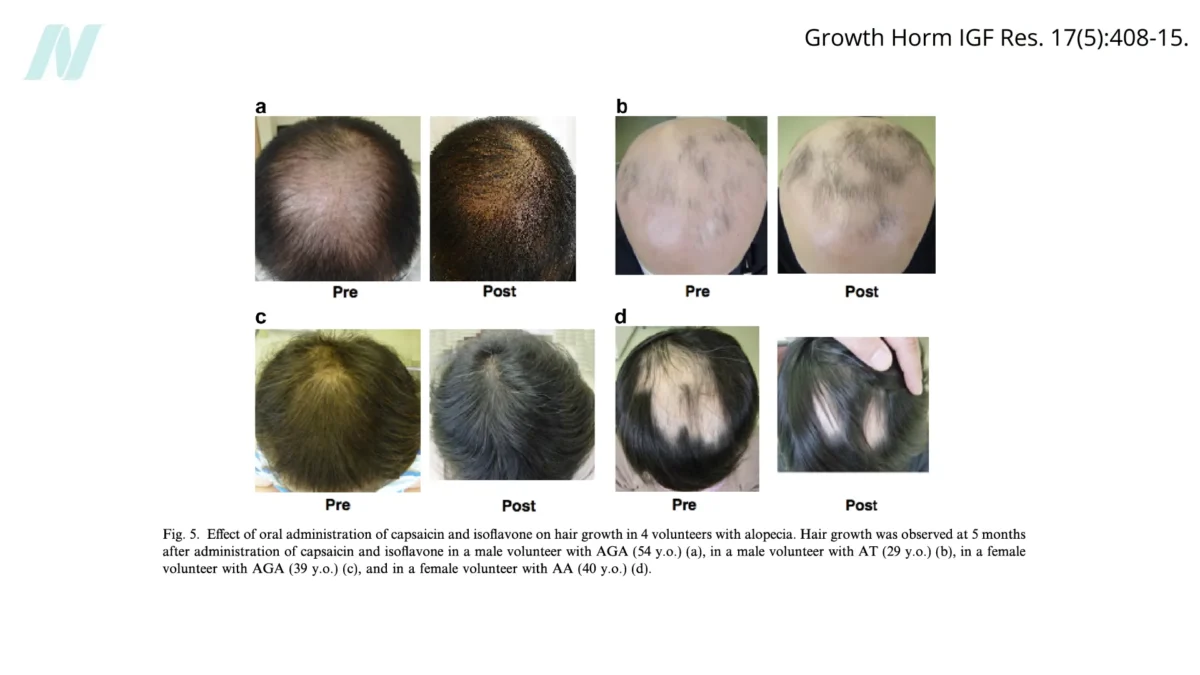
Androgenic alopecia, a prevalent chronic condition diagnosed by dermatologists worldwide, manifests as male pattern hair loss in men and female pattern hair loss in women. This condition is characterized by a gradual thinning of hair, predominantly on the central scalp. While pharmaceutical interventions and dietary supplements have long been explored for their efficacy in managing hair loss, emerging research is shedding light on the significant role diet may play in this complex issue. Recent studies suggest that common food items like hot peppers, soy-based products, and pumpkin seeds possess compounds that may actively promote hair regrowth and mitigate hair loss.
The Gut-Microbiome Connection to Hair Health
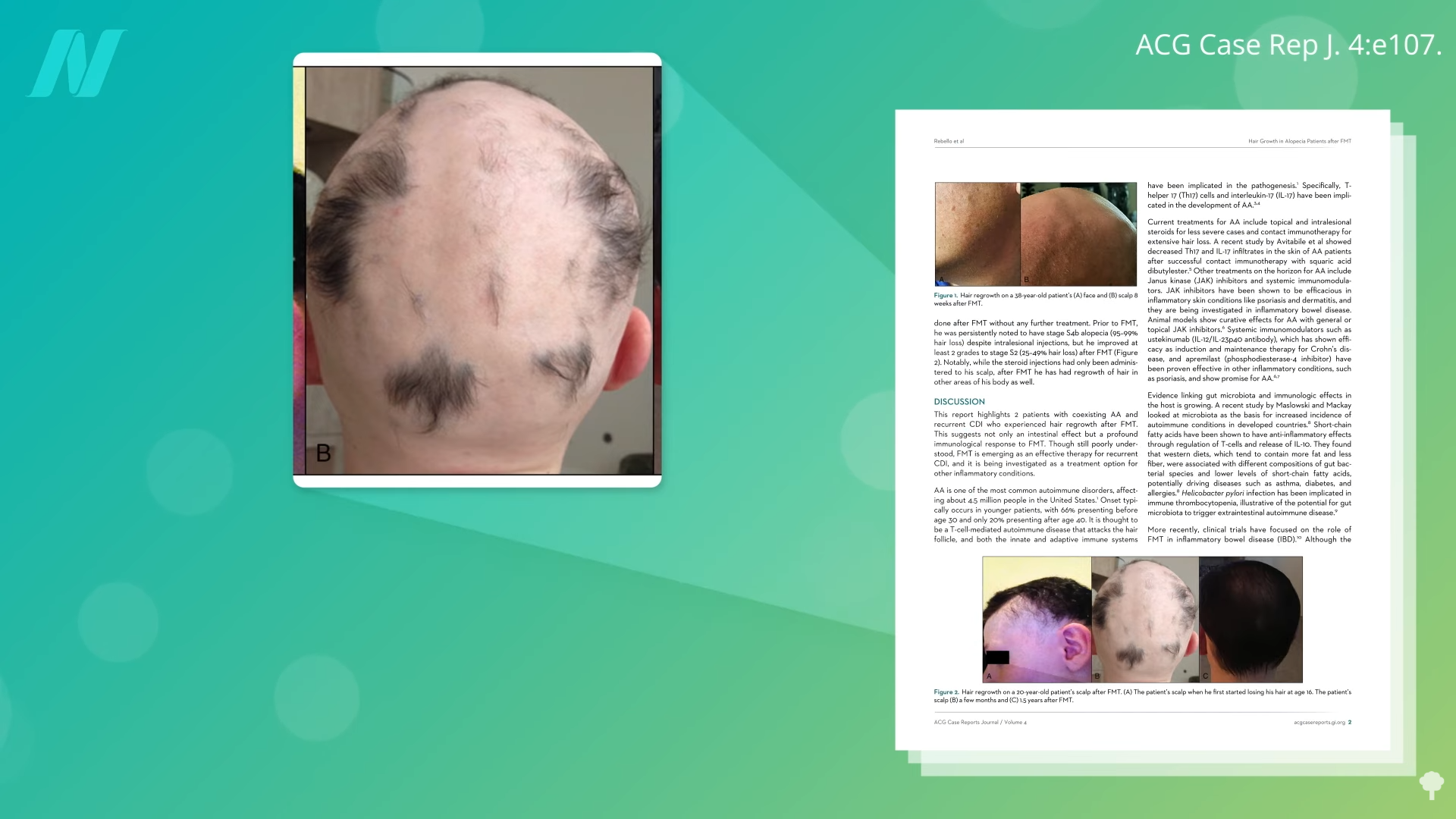
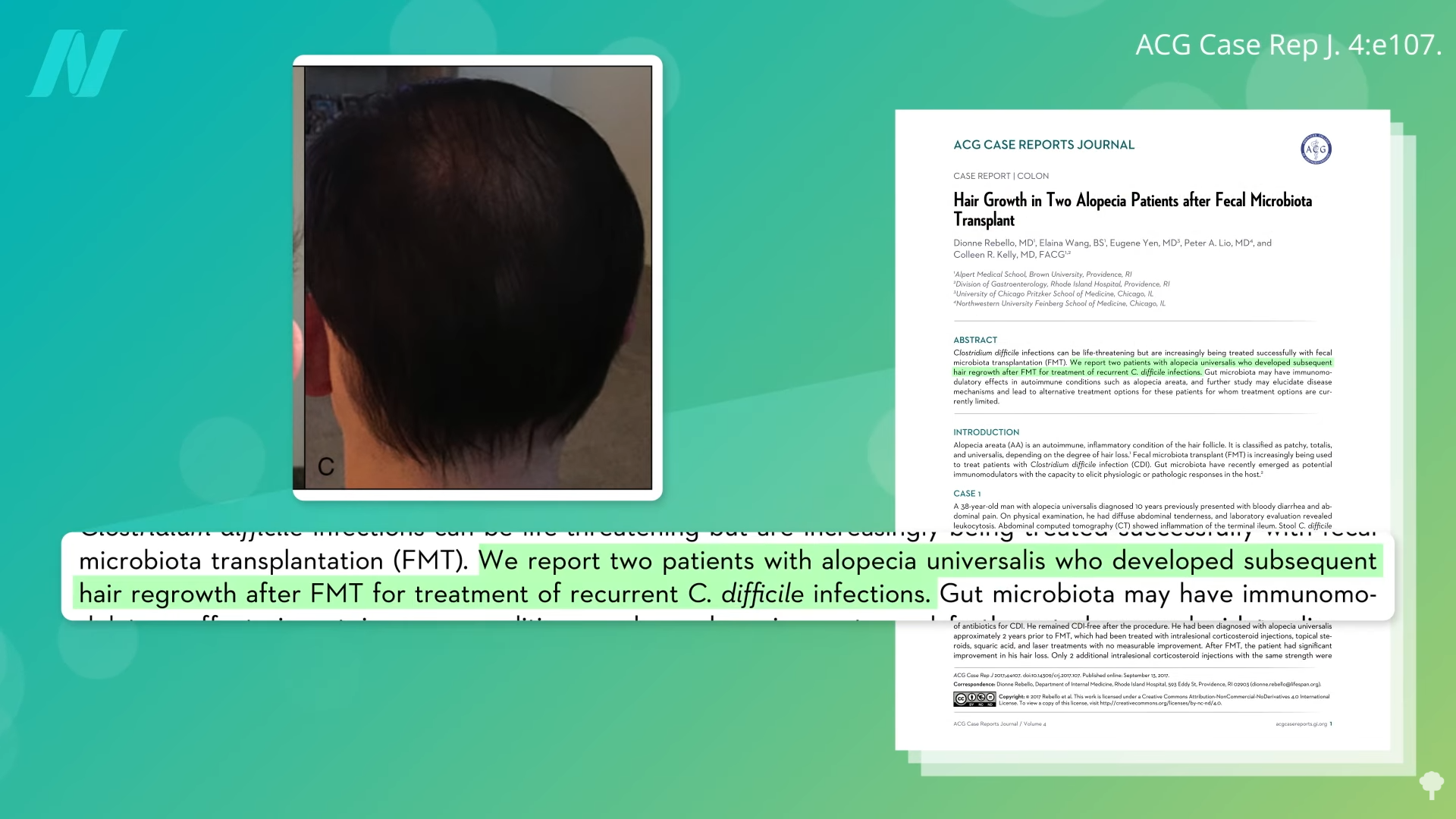
The profound influence of the human microbiome on overall health, including potentially hair growth, has been a subject of increasing scientific interest. Groundbreaking human experiments involving fecal microbiota transplantation (FMT) have provided compelling evidence of this connection. In some instances, individuals experiencing hair loss have reported significant improvements following FMT procedures. These are not merely anecdotal observations; documented cases reveal a remarkable regrowth of hair in individuals who were previously bald, occurring within months of receiving a fecal slurry from a healthy donor. One striking example illustrates a completely bald individual regaining their hair a few months post-transplant, with complete regrowth observed a little over a year later. While the direct implication is not to consume "brown smoothies," the underlying principle underscores the critical importance of maintaining a healthy and balanced gut microbiome for various bodily functions, including hair health.
Population-based studies have further illuminated dietary correlations with hair loss. Male pattern baldness, for instance, has been associated with suboptimal sleeping patterns and the consumption of processed meats and "junk food." Conversely, protective associations have been observed with diets rich in raw vegetables, fresh herbs, and regularly consuming soy milk. A study indicated that weekly consumption of soy beverages was linked to a 62% reduction in the odds of moderate to severe hair loss, suggesting the presence of beneficial plant-based compounds that may offer protection against hair thinning.
Rigorous Scientific Inquiry into Dietary Interventions
The landscape of complementary and alternative medicine for hair loss is often characterized by bold claims of "cures" with minimal side effects. However, a critical review of the scientific literature reveals that many studies lack robust methodologies, often relying on experiments conducted on shaved rodents or lacking proper placebo controls in human trials. This necessitates a discerning approach to evaluate claims, moving beyond marketing hype to examine evidence-based research.
Hot Peppers and Soy: A Synergistic Approach to Hair Growth
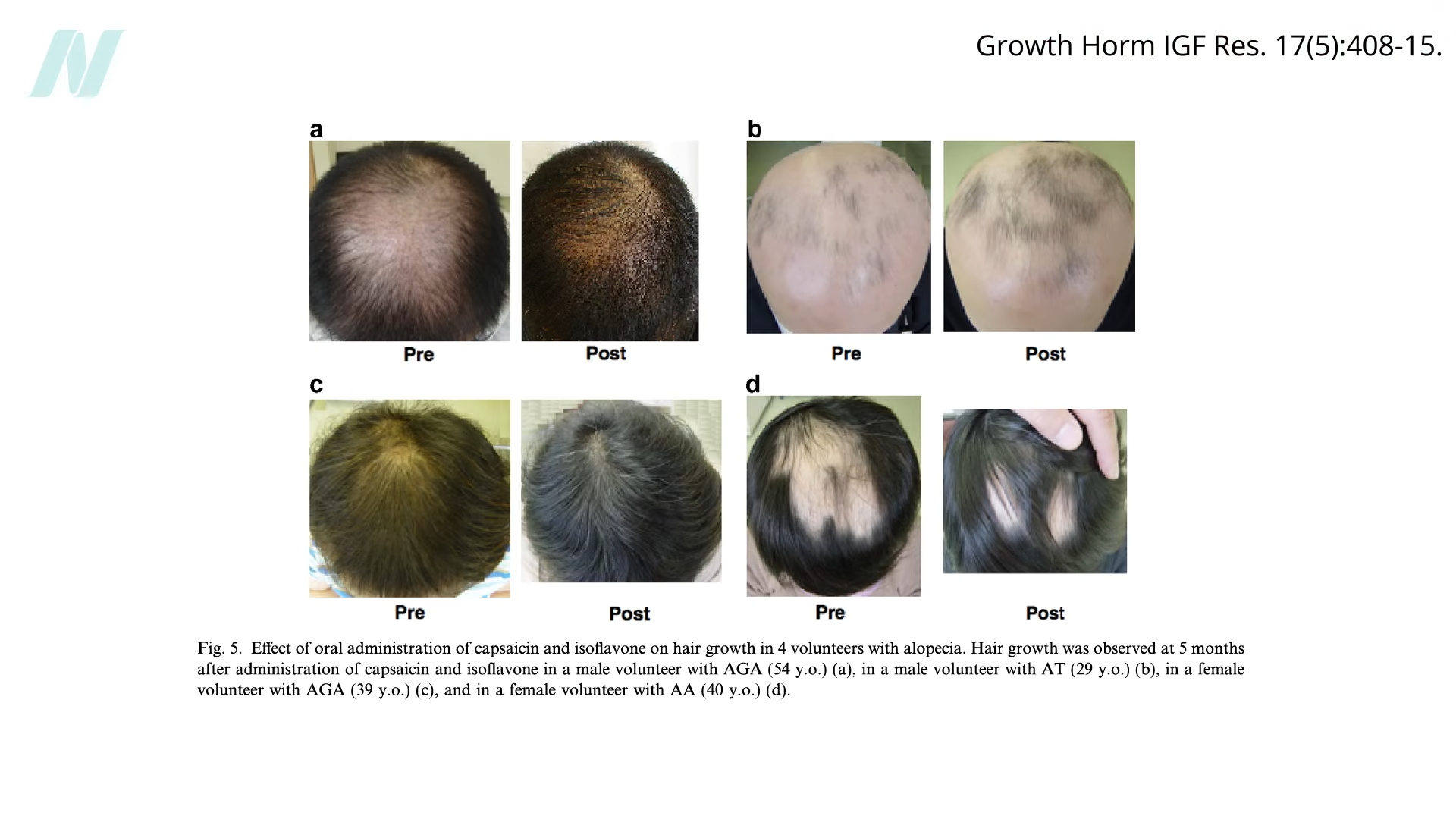
In contrast to less rigorous studies, a randomized, double-blind, placebo-controlled trial has provided significant evidence for the hair-growth-promoting effects of compounds found in hot peppers and soy. This study, which included both men and women, demonstrated statistically significant improvements in hair growth among participants.
The study investigated the efficacy of specific dosages: 6 milligrams of capsaicin daily and 75 milligrams of isoflavones. These amounts are readily attainable through dietary intake. For instance, approximately a quarter of a fresh jalapeño pepper can provide 6 milligrams of capsaicin. Similarly, 75 milligrams of isoflavones can be consumed by eating three-quarters of a cup of tempeh or a serving of straight soybeans. While soy nuts (dry-roasted soybeans) offer a more concentrated source of isoflavones, concerns exist regarding the formation of advanced glycation end-products in high-fat, high-protein foods prepared at high temperatures. Therefore, a preference for less processed soy products is advised.
The implications of this research are substantial. By identifying specific bioactive compounds in these common foods and demonstrating their efficacy in controlled human trials, this study provides a dietary strategy for individuals seeking to address hair loss. The synergistic effect of capsaicin and isoflavones, as indicated by the study, suggests a multifaceted approach to stimulating hair follicles and promoting a healthier scalp environment.
Pumpkin Seeds: An Ancient Remedy with Modern Validation
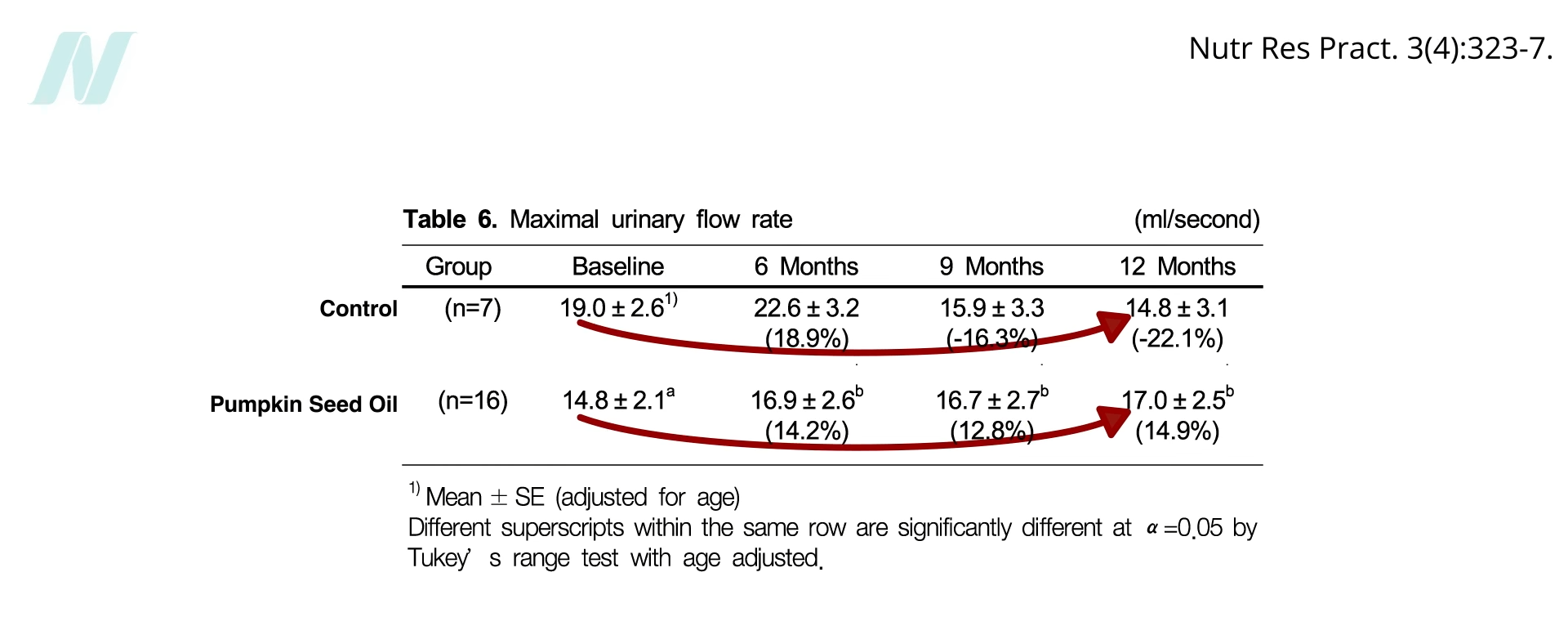
The potential of pumpkin seeds in supporting hair health has also garnered scientific attention, building on observations related to benign prostatic hyperplasia (BPH). A 2009 study from South Korea found that men with BPH who consumed 320 milligrams of pumpkin seed oil daily experienced improved urinary flow rates. This effect was attributed to an anti-androgen action, a mechanism also implicated in certain types of hair loss.
This initial finding prompted further investigation into pumpkin seeds for hair loss. While topical application of pumpkin seed oil has shown promise in mice, research has also focused on the effects of dietary consumption in humans. Pumpkin seeds, along with seeds from squash and watermelon, are recognized for their rich nutritional profile, often discarded despite their potential health benefits.
Clinical Trial Demonstrates Pumpkin Seed Oil Efficacy
A subsequent randomized, double-blind, placebo-controlled trial specifically examined the impact of pumpkin seed oil on male pattern baldness. In this study, 76 men with male pattern baldness were divided into two groups: one receiving 400 milligrams of pumpkin seed oil daily (encapsulated to mask taste and appearance), and the other receiving a placebo. The dosage of 400 milligrams of pumpkin seed oil is equivalent to consuming approximately two to two and a half pumpkin seeds per day.
After 24 weeks of treatment, participants in the pumpkin seed oil group reported significantly higher self-rated improvement and satisfaction scores compared to the placebo group. Objectively, the pumpkin seed oil group exhibited a remarkable 40% increase in hair counts, while the placebo group saw only a 10% increase.
Further analysis by investigators blinded to group assignments revealed that participants in the placebo group were rated as having slightly worsened hair conditions over time, whereas the pumpkin seed oil group experienced significant improvement. Specifically, 95% of participants in the pumpkin seed oil group were classified as either unchanged or improved, in stark contrast to the placebo group, where over 90% were rated as unchanged or worsened. Importantly, researchers assessed for potential adverse sexual side effects using an index of erectile dysfunction before and after the study, finding no evidence of negative impacts.
Broader Implications for Nutritional Science and Public Health
The findings from these studies carry significant implications for both nutritional science and public health strategies related to hair loss management. They underscore the potential of whole foods and their derived compounds to offer effective and accessible alternatives or complements to conventional treatments. The research highlights a shift towards evidence-based nutritional interventions, moving away from unsubstantiated claims and towards a more scientifically validated approach.
The fact that these interventions are achievable through regular dietary intake is particularly noteworthy. Incorporating a small portion of hot peppers or soy products, or a handful of pumpkin seeds, into one’s daily diet aligns with established healthy eating guidelines, such as Dr. Greger’s Daily Dozen checklist, which recommends a daily intake of nuts and seeds. This integration of hair health benefits into an overall healthy dietary pattern offers a holistic approach to well-being.
This marks the conclusion of a three-part series exploring hair loss and growth. The preceding articles delved into the efficacy and risks associated with hair growth supplements and pharmaceutical hair loss drugs, providing a comprehensive overview of available options. The current installment emphasizes the power of food as medicine, presenting a compelling case for the inclusion of specific nutrient-rich foods in strategies aimed at combating hair loss and promoting healthy hair regrowth. As research continues to uncover the intricate links between diet, gut health, and physiological functions, individuals facing hair loss can look towards their kitchens for potent, science-backed solutions.

