

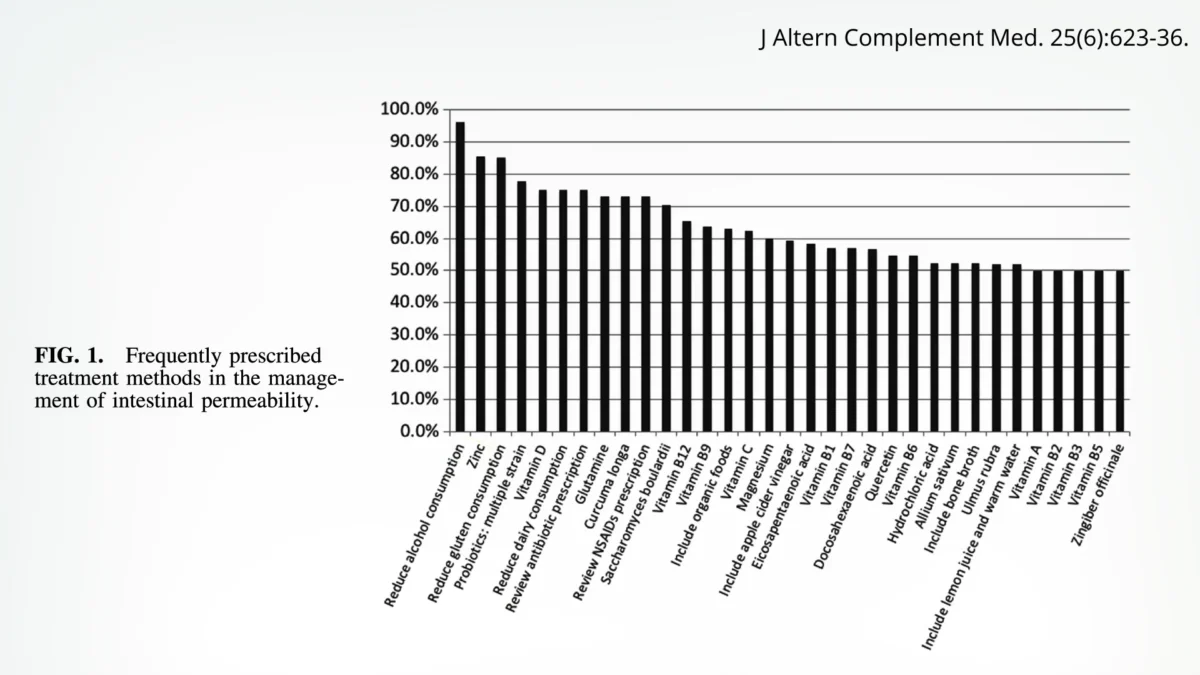
The intricate relationship between diet and the health of our intestinal barrier is a growing area of scientific investigation, with emerging evidence pointing towards specific dietary interventions as crucial for preventing and managing "leaky gut" syndrome. This condition, characterized by increased intestinal permeability, allows harmful substances to enter the bloodstream, potentially triggering widespread inflammation and a cascade of chronic health issues. At the forefront of this research is the understanding that what we consume plays a pivotal role in either compromising or reinforcing the integrity of our gut lining, the body’s largest interface with the external environment.
The Gut Barrier: A Critical Defense System
Our gastrointestinal tract functions as a highly selective gatekeeper, meticulously controlling the passage of nutrients into the body while preventing the entry of undesirable elements. This sophisticated barrier is normally impermeable, ensuring that only beneficial compounds are absorbed. However, various factors, prominently including dietary choices, can disrupt this delicate balance, leading to what is commonly referred to as a "leaky gut."
The standard American or Western diet, often characterized by high levels of processed foods, unhealthy fats, and low fiber content, has been identified as a significant contributor to gut dysbiosis. This disruption in the gut microbiome, the complex ecosystem of microorganisms residing in our intestines, can foster an environment conducive to intestinal inflammation. When the intestinal barrier becomes compromised, undigested food particles, microbes, and toxins can "leak" through the gut lining into the bloodstream. This translocation can initiate or exacerbate chronic systemic inflammation, a known underlying factor in numerous chronic diseases, including autoimmune disorders, metabolic syndrome, and neurodegenerative conditions.
The Power of Plants: A Predominantly Vegetarian Approach
A growing body of scientific literature suggests that a predominantly vegetarian diet, rich in plant-based foods, is a cornerstone of maintaining a healthy intestinal barrier. Research indicates that individuals adhering to vegetarian diets often exhibit a more balanced gut microbiome, characterized by higher bacterial biodiversity and a robust intestinal barrier. This dietary pattern is associated with lower levels of uremic toxins, such as indole and p-cresol, which can be detrimental to gut health.
The primary driver behind these benefits appears to be dietary fiber. Fiber serves as the principal food source for beneficial gut bacteria, fueling their growth and activity. In turn, these bacteria ferment fiber to produce short-chain fatty acids (SCFAs), such as butyrate, acetate, and propionate. SCFAs play a vital protective and nourishing role for the cells that line our intestinal tract, known as enterocytes. They are essential for maintaining the structural integrity of the intestinal barrier and ensuring its proper functioning. A consistent and adequate intake of plant-derived fiber is therefore considered of paramount importance in preserving a healthy gut lining.

A notable study involving patients with non-alcoholic fatty liver disease (NAFLD) provides compelling evidence for the impact of a plant-rich diet. Over a six-month period, participants who adopted a diet rich in whole grains, beans, lentils, fruits, vegetables, nuts, and seeds experienced a significant reduction in zonulin levels. Zonulin is a protein that plays a critical role in regulating the permeability of the intestinal barrier by influencing the tight junctions between gut epithelial cells. Elevated zonulin levels are considered a key biomarker for impaired intestinal barrier function, indicative of a "leaky gut." The observed decrease in zonulin in this study strongly suggests that a diet abundant in whole plant foods can help restore and maintain the proper structure and function of the intestinal barrier.
The Role of Fiber in Gut Permeability
While the study on NAFLD patients highlighted the benefits of a diverse plant-based diet, the precise contribution of fiber as the primary therapeutic agent was not definitively established due to the absence of a control group and the multifaceted nature of whole plant foods. Researchers acknowledged that "gut permeability might be improved by dietary fiber," but emphasized the need for more rigorous study designs to establish a clear cause-and-effect relationship.
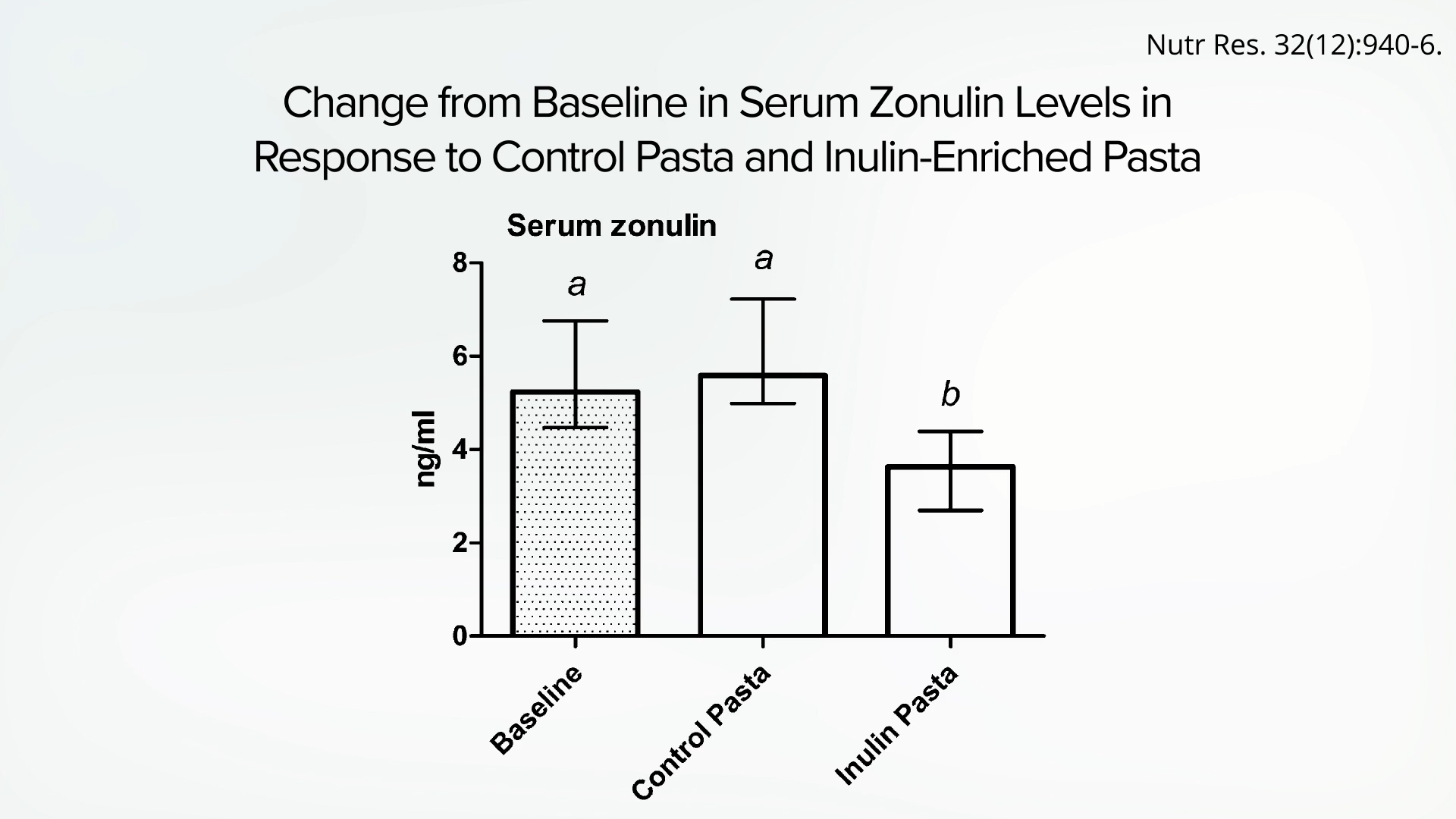
To address this, a randomized, double-blind, crossover study was conducted to specifically investigate the impact of dietary fiber on gut permeability. In this experiment, healthy young men were divided into two groups. One group consumed pasta with added fiber, while the control group consumed regular pasta without added fiber. The results were striking: the group that consumed pasta with added fiber exhibited a significant reduction in zonulin levels compared to both their pre-intervention baseline and the levels observed in the control group. This robust finding provides strong scientific validation that dietary fiber plays a direct and beneficial role in improving gut leakiness. The implications of this research are significant, underscoring the critical importance of incorporating adequate fiber into daily meals to support intestinal health.
Specific Plant Compounds with Protective Properties
Beyond the general benefits of fiber, certain plant-derived compounds have demonstrated specific protective effects on the intestinal barrier in preclinical studies. Curcumin, the vibrant yellow pigment found in turmeric, has shown promise in preventing intestinal damage induced by non-steroidal anti-inflammatory drugs (NSAIDs) like ibuprofen in rat models. Similarly, sulforaphane, a compound abundant in cruciferous vegetables such as broccoli, has exhibited protective effects against gut damage in mice.
While human studies on sulforaphane are still pending, research on turmeric has yielded encouraging results. A study involving the consumption of turmeric, equivalent to approximately two to three teaspoons daily for three days, demonstrated a reduction in markers of gastrointestinal barrier damage and inflammation caused by strenuous exercise, compared to a placebo group. While further research is needed to determine the efficacy of lower doses and to explore long-term effects, these findings suggest that specific plant compounds could offer targeted therapeutic benefits for gut health.
Zinc: A Crucial Micronutrient for Intestinal Integrity
In the realm of alternative medicine and clinical practice, zinc consistently emerges as a top recommendation for treating leaky gut, often cited alongside the reduction of alcohol consumption. This micronutrient plays a fundamental role in numerous biological processes, including immune function, cell growth, and wound healing, all of which are critical for maintaining a healthy intestinal lining.
Preclinical studies in rats have shown that zinc can protect the intestinal lining from damage caused by aspirin-like drugs. More importantly, a randomized trial in healthy adults demonstrated a similar protective effect. In this study, participants were administered indomethacin, a potent NSAID, for five days. As expected, this led to a threefold increase in gut permeability. However, when participants also received zinc supplementation, this rise in permeability was significantly attenuated, strongly suggesting a protective role for zinc in the small intestine.
While the initial study utilized a very high dose of zinc (75 mg per day), which significantly exceeds the tolerable upper daily intake, subsequent research has indicated that even lower doses can be effective. A study found significant improvements in gut leakiness with a supplementation dose of just 3 mg of zinc per day. This finding is particularly noteworthy as it suggests that achieving beneficial effects may be possible through dietary means or modest supplementation. For context, one cup (200g) of cooked lentils can provide an additional 3 mg of zinc to the daily diet, highlighting the potential for incorporating zinc-rich foods to support gut health.
Broader Implications and Future Directions
The growing understanding of the gut-brain axis and the profound impact of the gut microbiome on overall health underscores the importance of dietary interventions for conditions like leaky gut syndrome. The evidence strongly supports a shift towards diets that prioritize whole, unprocessed plant foods, rich in fiber and essential micronutrients like zinc.
The implications of these findings extend beyond the management of leaky gut. By strengthening the intestinal barrier, individuals may be better equipped to prevent or mitigate the chronic inflammation associated with a wide range of diseases. Future research will likely focus on personalized dietary approaches, exploring the synergistic effects of various nutrients and compounds, and further elucidating the mechanisms by which diet influences gut permeability. Continued investigation into the role of specific dietary patterns and individual food components will pave the way for more targeted and effective strategies to promote gut health and enhance overall well-being.
Doctor’s Note:
For readers seeking further information on preventing gut dysbiosis and leaky gut, exploring resources such as "Flashback Friday: Gut Dysbiosis: Starving Our Microbial Self" and "Avoid These Foods to Prevent a Leaky Gut" is recommended. These resources offer deeper insights into dietary strategies and potential pitfalls to avoid when aiming for optimal gut health.

