


The subtle but undeniable signs of diminishing physical strength – a jar lid that suddenly requires a two-handed effort or grocery bags that feel noticeably heavier – may be early indicators of a gradual muscle loss that often accompanies aging, particularly for women navigating the menopausal transition. While regular strength training is widely recognized as a cornerstone for maintaining muscle mass, emerging research underscores the critical, often underestimated, role of nutrition, specifically protein intake, in this vital aspect of women’s health.
A recent comprehensive review of existing studies has shed new light on the association between enhanced protein consumption and the preservation of muscle strength in postmenopausal women. Published in the Journal of Menopause, this research synthesized data from multiple investigations to explore a question that has historically received less attention compared to studies focusing on male physiology.
The Growing Need for Research on Women’s Muscle Health
Protein serves as the fundamental building block for muscle tissue, providing the essential amino acids required for muscle synthesis and repair. Beyond the ability to perform physical feats, maintaining adequate muscle mass is increasingly recognized as a significant factor in overall longevity and metabolic health. However, a considerable portion of scientific inquiry into the interplay between protein and muscle has historically centered on male populations. This imbalance has left a notable gap in understanding the specific nutritional needs and physiological responses of women, especially during and after menopause.
The review, conducted by a team of researchers dedicated to understanding women’s health, aimed to address this disparity. They systematically searched major scientific databases for studies that specifically investigated the relationship between dietary protein intake and handgrip strength among postmenopausal women. Handgrip strength, a simple yet effective metric, is often employed by clinicians and researchers as a proxy for overall muscle strength and functional capacity, offering insights into an individual’s physical resilience and potential risk for frailty.
A Deep Dive into the Evidence: Synthesizing Seven Studies
The rigorous review process ultimately included seven distinct studies, collectively encompassing a substantial cohort of 8,922 postmenopausal women. It is important to note the observational nature of these included studies. Rather than actively assigning participants to different protein intake levels, researchers analyzed the participants’ existing dietary habits and correlated them with their measured handgrip strength. This methodology allows for the identification of associations but does not definitively establish a cause-and-effect relationship. Nevertheless, the sheer volume of data and the consistent patterns observed provide compelling evidence warranting further consideration.
The Protein-Strength Connection: A Clear Association Emerges
The findings from the synthesized data presented a clear and consistent trend: women who reported higher protein intake generally exhibited greater handgrip strength compared to their counterparts who consumed less protein. This association remained robust even after accounting for various potential confounding factors. Furthermore, the study observed that women with higher protein intake tended to have a lower Body Mass Index (BMI), a common indicator of body composition. Crucially, the influence of age did not appear to diminish this correlation, suggesting that the benefits of protein intake for muscle strength are relevant across a range of ages within the postmenopausal period.
While the observational nature of the studies means other lifestyle factors could be at play – for instance, women who are more conscious of their protein intake might also be more likely to engage in regular physical activity or adhere to generally healthier dietary patterns – the persistent nature of the association across multiple statistical analyses strengthens the hypothesis that protein consumption plays a significant supportive role in maintaining muscle strength during this life stage.
Understanding the Physiological Shift: Menopause and Muscle Decline
The decline in estrogen levels, a hallmark of menopause, plays a pivotal role in the physiological changes that can make maintaining muscle mass and strength more challenging. Estrogen is known to have beneficial effects on muscle health, influencing protein synthesis and muscle repair processes. As these levels decrease, women may experience a natural reduction in muscle protein synthesis rates, making it harder to build or even maintain existing muscle tissue.
This biological reality underscores why a two-pronged approach – combining nutritional support with physical stimulus – is essential. Protein provides the fundamental "raw materials" for muscle repair and growth, while resistance training provides the "signal" for muscles to adapt and strengthen. Research into building muscle after menopause consistently highlights this synergistic relationship, reinforcing that neither nutrition nor exercise alone is sufficient for optimal results.
Practical Strategies for Integrating More Protein
While the review established a significant association, it did not pinpoint a precise, universally applicable protein target. The studies employed varying definitions of "higher" and "lower" protein intake, making it difficult to extract a single, definitive recommended daily allowance from these findings alone. Instead, the takeaway message emphasizes a more holistic approach: consistent and regular inclusion of protein-rich foods throughout the day.
Experts recommend distributing protein intake across meals and snacks to optimize muscle protein synthesis. For breakfast, options like eggs, Greek yogurt, or a protein-rich smoothie can set a strong nutritional foundation. Lunch and dinner can feature lean meats, poultry, fish, beans, lentils, tofu, tempeh, or other plant-based protein sources. The key is to ensure that protein is a regular component of the diet, rather than an afterthought. For individuals who already consume adequate protein, simply eating more may not yield additional benefits and could potentially displace other essential nutrients.
The Power of Combined Strategies: Nutrition and Exercise
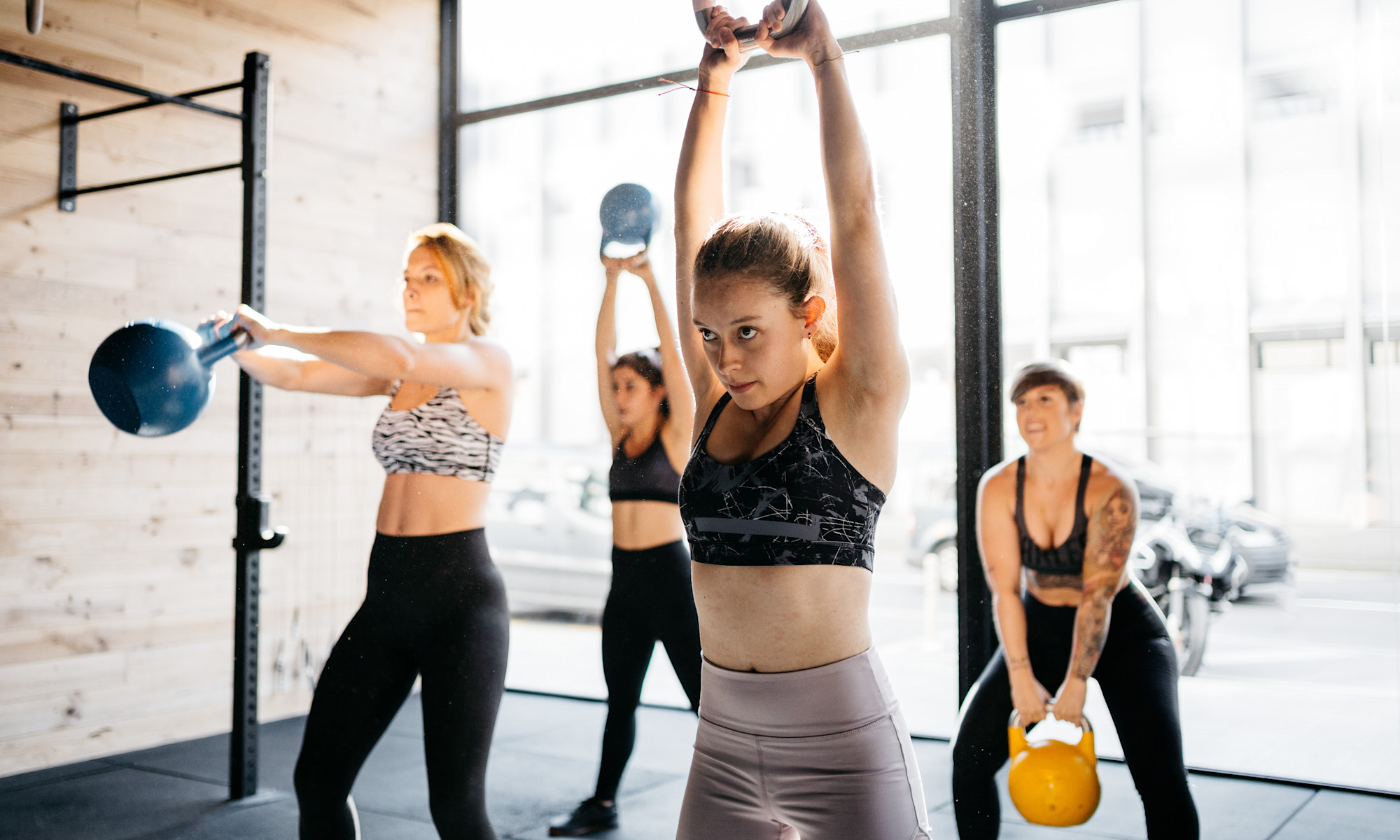
Complementing a protein-aware diet with resistance training is crucial for maximizing muscle health benefits. This does not necessitate arduous or expensive gym memberships. A wide range of resistance exercises can be effectively performed using bodyweight, resistance bands, or free weights, providing the necessary stimulus for muscle adaptation and strength development. Incorporating exercises like squats, lunges, push-ups, planks, and rows can target major muscle groups and contribute significantly to maintaining functional strength.
As the body undergoes the natural processes of aging and hormonal shifts associated with menopause, nutritional requirements can evolve. The objective is to ensure that protein intake remains a conscious and integral part of a woman’s dietary strategy, supporting not just muscle strength but also overall metabolic health and well-being.

Broader Implications for Women’s Health and Aging
The implications of this research extend beyond mere physical strength. Maintaining muscle mass is linked to a reduced risk of sarcopenia, the age-related loss of muscle tissue, which can lead to decreased mobility, an increased risk of falls and fractures, and a diminished quality of life. Furthermore, muscle tissue is metabolically active, meaning it burns calories even at rest. Higher muscle mass can contribute to a healthier metabolism, potentially aiding in weight management and reducing the risk of chronic diseases such as type 2 diabetes.
The findings also serve as a timely reminder that women’s health needs are distinct and require tailored research and recommendations. As the global population ages, understanding and addressing the specific challenges faced by women during and after menopause becomes increasingly critical for public health initiatives.
Expert Perspectives and Future Directions
While the current review provides valuable insights, experts in the field emphasize the need for continued research, particularly prospective studies that can directly manipulate protein intake and observe the causal effects on muscle strength and body composition in postmenopausal women. Such studies could help define optimal protein thresholds and timing for this demographic.
Dr. Evelyn Reed, a leading endocrinologist specializing in women’s health, commented, "This review is a significant step forward in acknowledging the crucial role of nutrition in mitigating the effects of menopause on muscle health. It reinforces what many of us have observed clinically: that proactive dietary choices, particularly those rich in protein, can make a tangible difference in women’s strength and vitality as they age. However, it is vital to remember that this is part of a larger picture, encompassing regular exercise, adequate sleep, and stress management."
The consistent association observed between higher protein intake and stronger handgrip strength in nearly 9,000 postmenopausal women offers a compelling argument for prioritizing protein in the diet. While the review does not definitively prove causation or establish a precise intake target, it strongly supports integrating protein as a foundational element within a comprehensive strategy for maintaining muscle health. This strategy, which should invariably include regular strength training, empowers women to navigate the menopausal transition with greater physical resilience and an enhanced sense of well-being. The message is clear: menopause does not have to signify an inevitable decline in strength, but rather an opportunity to embrace proactive and informed lifestyle choices.

