

A groundbreaking randomized, double-blind, placebo-controlled trial investigating the potential of lettuce seeds as a natural remedy for insomnia has concluded, offering promising insights into the long-underestimated hypnotic properties of the common leafy green. The study, which focused on pregnant women experiencing sleep disturbances, builds upon historical anecdotal evidence and preliminary animal research, aiming to provide a safe and effective alternative to pharmaceutical interventions for sleep disorders.
The Pervasive Problem of Sleep Deprivation
The societal perception that "time spent asleep is time wasted" is increasingly being challenged by a growing body of scientific evidence highlighting the critical role of sufficient sleep in maintaining both acute and chronic health. Insufficient sleep is unequivocally linked to a myriad of adverse health outcomes, significantly elevating the risks of mortality and disease. Researchers have demonstrated that even a modest reduction in sleep duration can have profound physiological consequences. For instance, limiting individuals to just six hours of sleep per night for a single week has been shown to alter the expression of over 700 genes.
One of the most concerning impacts of sleep deprivation is endothelial dysfunction. The endothelium, a vital, thin layer of cells lining the interior of blood vessels, is responsible for regulating arterial relaxation and dilation. Studies have revealed that reducing sleep by as little as two hours per night – from seven to five hours – for approximately a week can lead to significant impairment in artery function. The severity of this impairment is comparable to that observed in individuals with well-established health conditions such as smoking, diabetes, and coronary artery disease. Consequently, individuals who consistently sleep less than seven hours per night face a heightened risk of premature death, estimated to be between 12% and 35% higher than their well-rested counterparts. This is a significant public health concern, as approximately 28% of adults in the United States report routinely sleeping less than the recommended seven hours. Experts widely agree that "sufficiently long, restful sleep sessions each night are an indisputable cornerstone of good health."
Exploring Natural Remedies for Insomnia
While medical interventions exist for sleep disorders, including Continuous Positive Airway Pressure (CPAP) machines for sleep apnea and various pharmacological agents, the search for natural, dietary remedies remains a key area of interest, particularly for individuals who do not suffer from specific conditions like sleep apnea or who prefer to avoid medication. Previous research has pointed to the efficacy of certain fruits, such as kiwifruit and tart cherries, in improving sleep quality. However, the potential of vegetables has also come under scrutiny.
Lactuca sativa, the scientific name for lettuce, has a long history of traditional use in alleviating insomnia. Historical accounts suggest that extracts from lettuce were employed for their sedative and sleep-inducing properties as far back as the Roman Empire. This traditional application is attributed to the presence of a naturally occurring compound within lettuce known as lactucin. Lactucin, responsible for the slightly bitter taste of lettuce, has been identified as a key hypnotic substance. While its presence has been known for some time, rigorous scientific validation of its efficacy in humans has been a more recent endeavor.
From Animal Models to Human Trials
Early investigations into lactucin’s effects were conducted on animal models. Studies involving toads and rodents demonstrated that lettuce extracts, particularly those derived from romaine lettuce due to its higher lactucin content, could enhance sleep duration and quality in mice and rats. These findings provided a scientific basis for further exploration in human subjects.
The first significant human study, published approximately a decade ago, utilized lettuce seed oil, an extract derived from lettuce seeds. In this randomized trial, participants suffering from insomnia were assigned to receive either lettuce seed oil or a placebo. The results indicated a substantial improvement in sleep for a significant portion of the treatment group. Approximately 70% of individuals in the lettuce seed oil group reported "very much or much improved" insomnia symptoms, a stark contrast to the 20% reporting similar improvements in the placebo group. The researchers concluded that lettuce seed oil could serve as a safe and beneficial sleep aid, particularly for geriatric patients experiencing sleep difficulties. The choice to focus on older adults was informed by the prevalence of insomnia in this demographic, affecting an estimated 20% to 40% of older individuals at least a few nights per month.
Addressing Limitations and Advancing Research
Despite the promising outcomes of the initial lettuce seed oil study, it had certain limitations. Notably, it was a single-blind trial, meaning the researchers were aware of which participants were receiving the active treatment and which were receiving the placebo. This lack of blinding can introduce bias, as researchers’ expectations might inadvertently influence their observations or interpretations of the results. The researchers themselves acknowledged the difficulty in securing funding for studies on natural remedies like lettuce, contrasting it with the substantial financial resources available to the pharmaceutical industry for researching and developing conventional sleep medications.
Recognizing the need for more robust evidence, a subsequent study was designed as a double-blind, placebo-controlled trial. This advanced methodology aimed to eliminate bias by ensuring that neither the participants nor the researchers knew who was receiving the active treatment or the placebo until the study’s conclusion. The challenge then became devising a suitable placebo for whole lettuce seeds, given their physical form. While a whole head of lettuce cannot be easily encapsulated, lettuce seeds, when ground, can be administered in capsule form, allowing for effective blinding.
The Pregnancy-Related Insomnia Trial
This more rigorous trial specifically targeted pregnant women experiencing insomnia, a condition that can affect up to 80% of women during pregnancy. Pharmaceutical sleep aids often pose risks to both the fetus and the mother. For example, common prescriptions like Ambien have been associated with adverse pregnancy outcomes, including low birth weight, premature birth, and increased rates of Cesarean sections. Similarly, the use of Valium during pregnancy has been linked to birth defects such as limb deficiencies. The need for safer alternatives in this vulnerable population is paramount.
In this double-blind, randomized, placebo-controlled study, 100 pregnant women diagnosed with insomnia were enrolled. Participants were randomly assigned to receive capsules containing either a quarter teaspoon of ground lettuce seeds or an identical-looking placebo for a period of two weeks. The results demonstrated a statistically significant improvement in sleep quality scores among the women who received the lettuce seeds compared to those in the placebo group. Crucially, no adverse side effects were reported in the group consuming lettuce seeds, underscoring its potential as a safe dietary intervention.
Broader Implications and Future Directions
The findings from this latest trial carry significant implications for the management of insomnia, particularly in populations where conventional treatments may be contraindicated or undesirable. The success of lettuce seeds as a sleep aid suggests that common, readily available plant-based foods may hold considerable therapeutic potential. This research contributes to a growing field of ethnobotany and the scientific validation of traditional remedies, offering a more holistic approach to health and wellness.
Further research could explore optimal dosages, long-term efficacy, and the potential benefits of different lettuce varieties. Investigating the specific mechanisms by which lactucin and other compounds in lettuce seeds interact with sleep pathways could also yield valuable insights. The economic implications are also noteworthy; if lettuce seeds prove to be a consistently effective and safe sleep aid, they could offer a more affordable and accessible alternative to expensive pharmaceutical treatments, potentially reducing healthcare costs and improving quality of life for millions.
The study also highlights the importance of continued investment in research for natural health interventions, overcoming the financial and logistical hurdles that have historically limited such investigations. As public interest in natural health solutions continues to grow, robust scientific evidence, like that presented in this trial, is essential for guiding consumer choices and informing healthcare practices.
Doctor’s Notes and Further Resources
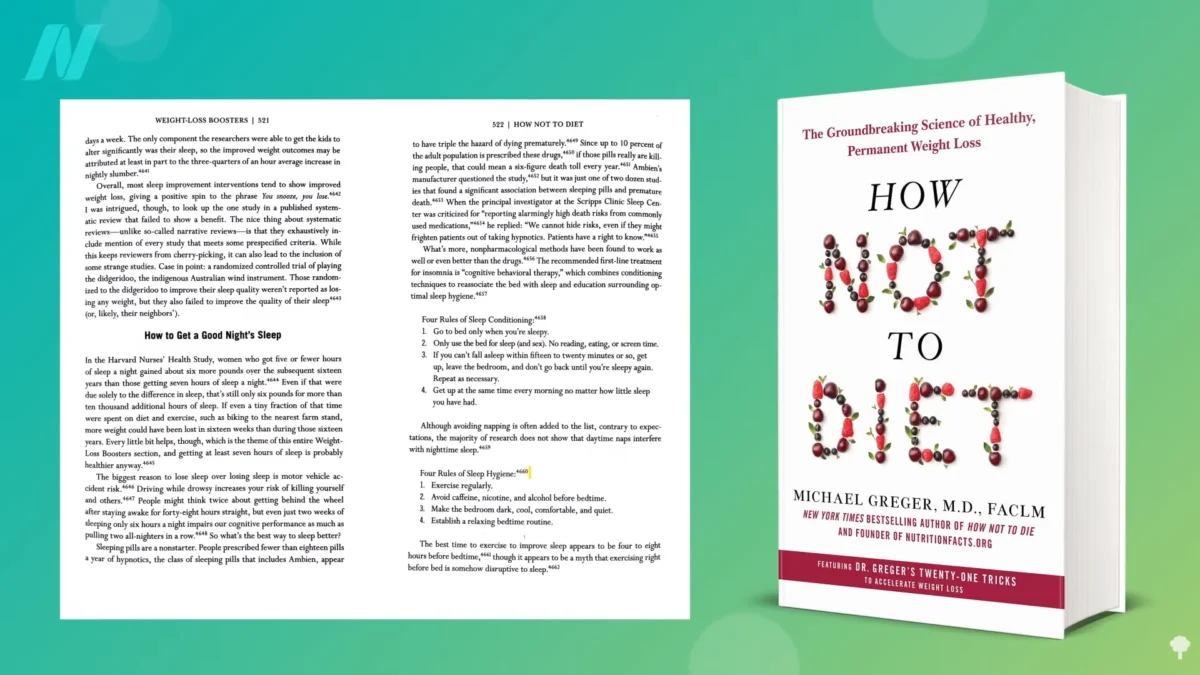
The sleep-related videos previously mentioned, offering insights into the benefits of kiwifruit and tart cherries for insomnia, are available through [mention source if available, e.g., NutritionFacts.org]. For comprehensive guidance on sleep enhancement, including detailed strategies such as the "Four Rules of Sleep Conditioning" and the "Four Rules of Sleep Hygiene," readers are encouraged to consult resources such as the book How Not to Diet, available at local public libraries and independent bookstores. All proceeds from the author’s books are reportedly donated to charity, reflecting a commitment to public health and education. The continued exploration of natural dietary remedies for common health issues like insomnia underscores a growing trend towards evidence-based, plant-forward approaches to well-being.

