

The long-held, almost folkloric, association of lettuce with sleep-inducing properties is moving from the realm of traditional remedy to evidence-based medicine, thanks to recent clinical investigations. A randomized, double-blind, placebo-controlled trial involving lettuce seeds has provided compelling data, suggesting that this common garden vegetable may offer a safe and effective natural alternative for individuals struggling with insomnia, particularly pregnant women. This research builds upon a growing body of scientific understanding that highlights the profound impact of adequate sleep on overall health and well-being, while also underscoring the limitations of conventional sleep aids.
The Critical Role of Sleep in Human Health
The notion that "time spent asleep is time wasted" is a pervasive societal misconception that directly contradicts robust scientific evidence. Insufficient sleep is not merely an inconvenience; it is a significant public health concern linked to a myriad of acute and chronic health conditions, as well as an elevated risk of mortality. Research has demonstrated that even a modest reduction in sleep duration can trigger profound physiological changes. For instance, restricting sleep to just six hours per night for a single week has been shown to alter the expression of over 700 genes, impacting critical bodily functions.
Perhaps one of the most concerning consequences of sleep deprivation is endothelial dysfunction. The endothelium, the delicate inner lining of blood vessels, plays a crucial role in regulating arterial relaxation and dilation, essential for healthy blood flow. Studies indicate that reducing sleep by as little as two hours per night, from seven to five hours, for approximately a week can lead to significant impairment in artery function. The severity of this impairment is comparable to that observed in individuals with established risk factors for cardiovascular disease, such as smoking, diabetes, or existing coronary artery disease. Consequently, individuals who consistently sleep less than seven hours per night face a notably higher risk of premature death, with estimates ranging from a 12% to 35% increase compared to their well-rested counterparts. Despite this alarming data, a substantial portion of the adult population, estimated at 28% in the United States alone, routinely obtains less than the recommended seven hours of sleep per night. This underscores the critical importance of prioritizing "sufficiently long, restful sleep sessions" as an "indisputable cornerstone of good health."
Exploring Natural Avenues for Sleep Enhancement
While interventions like Continuous Positive Airway Pressure (CPAP) machines are effective for individuals with sleep apnea, a condition often exacerbated by obesity, many grapple with more general difficulties in initiating or maintaining sleep. In the absence of underlying medical conditions, individuals often seek natural remedies to improve their sleep quality. Previous discussions have highlighted the potential of dietary interventions such as kiwifruit and tart cherries, both of which have shown promise in aiding sleep. However, the exploration of vegetables as sleep aids has been less extensive, until now.
Lettuce’s Ancient Roots as a Sleep Inducer
The scientific community is now turning its attention to Lactuca sativa, commonly known as lettuce. This leafy green vegetable boasts a historical lineage as a traditional remedy for insomnia, with its use dating back to the Roman Empire. Ancient texts and practices document the application of lettuce extracts for their perceived sedative and sleep-inducing properties. At the heart of this traditional use lies lactucin, a naturally occurring compound within lettuce responsible for its characteristic bitter taste. While the presence of this "hypnotic substance" has been known, its efficacy in humans required rigorous scientific validation.
Pre-Clinical and Early Clinical Evidence
Initial research into lactucin’s effects demonstrated its capacity to induce sleep in animal models. Studies involving toads and rodents, including mice and rats, revealed that romaine lettuce, selected for its higher lactucin content, significantly enhanced sleep duration and quality. This pre-clinical data provided a crucial foundation, suggesting a plausible biological mechanism for lettuce’s purported sleep benefits.
The transition from animal studies to human trials marked a significant step forward. Approximately a decade ago, a preliminary study investigated the effects of lettuce seed oil, an extract derived from lettuce seeds, on individuals suffering from insomnia. In this study, participants were randomly assigned to receive either lettuce seed oil or a placebo. The findings were encouraging, with nearly 70% of participants in the lettuce seed oil group reporting "very much or much improved" insomnia symptoms within a week, in stark contrast to only 20% in the placebo group. The researchers concluded that lettuce seed oil presented a safe and useful sleep aid, particularly for geriatric patients experiencing sleep difficulties, a demographic known to have a higher prevalence of insomnia, affecting between 20% and 40% of older adults.
Addressing the Limitations of Early Research
Despite the positive outcomes of the initial lettuce seed oil study, it possessed certain methodological limitations that warranted further investigation. Notably, the study was single-blinded, meaning the researchers were aware of which participants were receiving the active treatment and which were receiving the placebo. This lack of complete blinding could potentially introduce bias into the results. The researchers themselves acknowledged these limitations, noting the significant financial barriers to conducting extensive research on natural remedies, often overshadowed by the substantial investment in pharmaceutical drug development. The sentiment expressed was that securing funding for studies on common plants like lettuce proved challenging in the face of "Big Pharma’s" billions.

The Gold Standard: Double-Blind, Placebo-Controlled Trial
To overcome these limitations and establish a more definitive understanding of lettuce’s efficacy, a more robust research design was necessary. This led to the execution of a double-blind, placebo-controlled trial, this time focusing on whole lettuce seeds rather than just an extract. A critical challenge in designing such a study is the creation of a convincing placebo. While a whole head of lettuce is impractical for capsule-based administration, lettuce seeds themselves are amenable to encapsulation.
Pregnancy-Related Insomnia: A Specific Focus
The study’s designers chose to focus on pregnancy-related insomnia, a condition that can profoundly impact the well-being of expectant mothers. Sleep disturbances are remarkably common during pregnancy, affecting a significant proportion of women, with some estimates suggesting nearly 80% experience sleep issues at some point. The stakes are particularly high during pregnancy, as conventional pharmaceutical sleep aids, such as Ambien and Valium, carry considerable risks for both the fetus and the mother. Prescriptions for Ambien during pregnancy have been linked to adverse outcomes including low birth weight, premature birth, and the need for Cesarean sections. Similarly, Valium use during pregnancy has been associated with birth defects, including limb deficiencies. This critical need for safe and effective alternatives highlighted the potential value of investigating natural remedies like lettuce.
Rigorous Design and Promising Results
The double-blind, randomized, placebo-controlled trial involved 100 pregnant women diagnosed with insomnia. Participants were randomly assigned to receive either capsules containing a quarter teaspoon of ground lettuce seeds or a placebo for a period of two weeks. The study’s blinding ensured that neither the participants nor the researchers were aware of who was receiving the active treatment or the placebo, thus minimizing the potential for bias.
The results of this rigorous trial were highly encouraging. Women who consumed the lettuce seed capsules demonstrated a statistically significant improvement in their sleep quality index scores compared to those in the placebo group. Crucially, no adverse side effects were reported by participants in the lettuce seed group, further reinforcing the safety profile of this natural intervention. This finding represents a significant advancement, providing strong scientific backing for the traditional use of lettuce in promoting sleep.
Implications and Future Directions
The implications of this research are far-reaching. For individuals struggling with insomnia, particularly those seeking natural and safe alternatives, lettuce seeds emerge as a promising option. The study’s success in a vulnerable population like pregnant women is particularly noteworthy, offering a much-needed alternative to potentially harmful pharmaceutical medications.
The success of this trial on whole lettuce seeds, following earlier work on lettuce seed oil, suggests that the benefits are not solely attributable to a specific isolated compound but may be derived from the synergistic effects of various components within the seed. Further research could delve deeper into the specific bioactive compounds within lettuce seeds and their precise mechanisms of action. Additionally, exploring the optimal dosage, preparation methods, and long-term efficacy of lettuce seeds for different populations and types of insomnia could pave the way for broader clinical recommendations.
The researchers’ perseverance in conducting a high-quality, double-blind, placebo-controlled study, despite the challenges in funding and public perception, underscores the importance of scientific inquiry into natural health solutions. As the scientific understanding of sleep’s critical role in health continues to expand, and as the demand for natural and safe remedies grows, lettuce seeds stand poised to become a recognized and valuable tool in the ongoing effort to combat the pervasive issue of insomnia. The journey from ancient remedy to evidence-based intervention for lettuce seeds represents a significant triumph for natural health research.
Doctor’s Note:
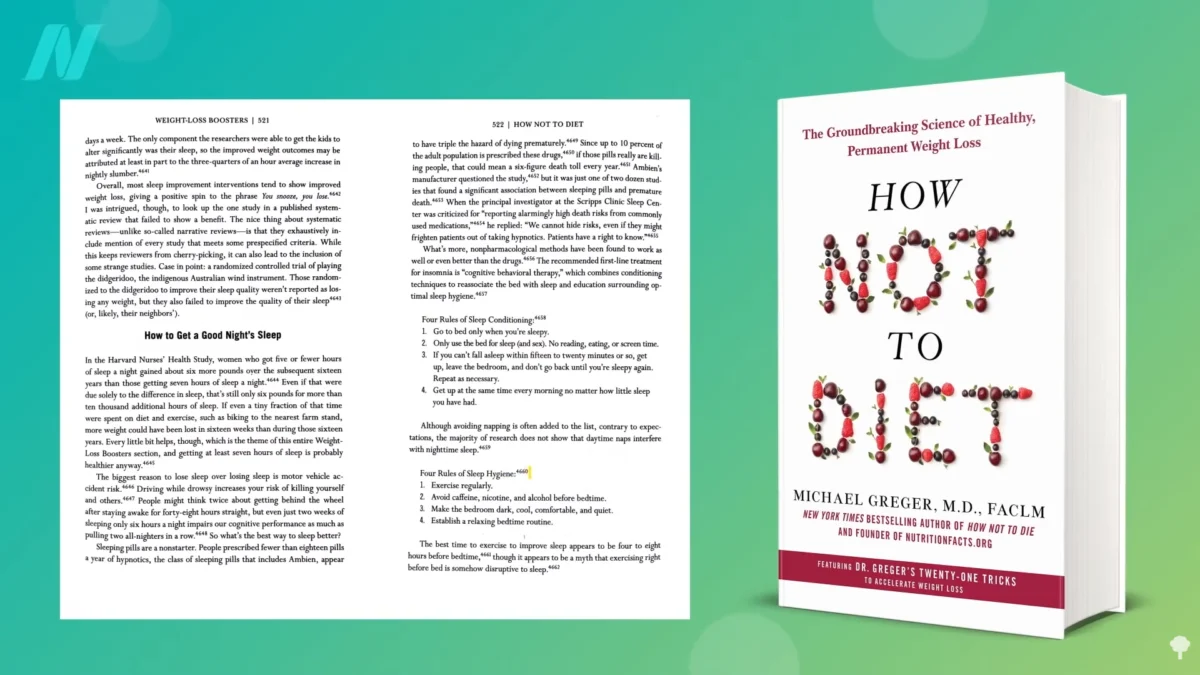
The previously mentioned videos exploring other natural remedies for insomnia include: "Kiwifruit for Insomnia" and "Tart Cherries for Insomnia." For comprehensive guidance on sleep enhancement, including the Four Rules of Sleep Conditioning and the Four Rules of Sleep Hygiene, readers are encouraged to consult the book How Not to Diet, available at local public libraries and independent bookstores. All author proceeds from this publication are donated to charity.

