

The modern fitness landscape is currently navigating a fundamental debate regarding the optimal application of physical stress to elicit muscular growth and athletic progression. Traditionally summarized by the adage that one must "stimulate, not annihilate" muscle tissue, contemporary strength and conditioning research suggests a more nuanced reality. While the sentiment emphasizes the avoidance of injury, leading practitioners now argue that the threshold for productive training stress is significantly higher than many recreational athletes perceive. The challenge for coaches and trainees alike lies in the strategic management of stress—balancing the necessity of high-intensity work with the physiological requirements of recovery.
The Foundations of Training Stress and Adaptation
At the core of strength and conditioning is the principle of General Adaptation Syndrome (GAS), a theory first proposed by Hans Selye in the mid-20th century. This model describes how the body responds to stressors through three stages: alarm, resistance, and exhaustion. In a training context, the "alarm" phase is the workout itself, which disrupts the body’s homeostasis. The "resistance" phase is where the body adapts, becoming stronger or more efficient. If the stress is too frequent or too severe without adequate recovery, the body enters the "exhaustion" phase, often referred to in athletic circles as overtraining.
Professional strength coaches, including figures such as Alex Viada and Chad Wesley Smith, advocate for a departure from reductionist views of training. Instead of viewing "annihilation" as a negative outcome, they emphasize the necessity of "doing more work" within a structured framework. This approach utilizes periodization—the systematic planning of athletic training involving cycles of varying intensity and volume—to ensure that high-stress periods are followed by periods of lower stress, allowing for supercompensation.
Differentiating Between Acute Fatigue and Overtraining Syndrome
A significant point of confusion in the fitness industry involves the distinction between temporary fatigue and clinical Overtraining Syndrome (OTS). Data suggests that true overtraining is an exceptionally rare condition, typically reserved for elite endurance athletes or professional competitors who maintain extreme volumes of work for months without reprieve.
The case of James Lawrence, known as the "Iron Cowboy," serves as a benchmark for human physical resilience. In 2015, Lawrence completed 50 iron-distance triathlons in 50 consecutive days across 50 different U.S. states. Despite the monumental volume of work, which included a 2.4-mile swim, a 112-mile bike ride, and a 26.2-mile run daily, Lawrence did not succumb to clinical overtraining. His success was attributed to meticulous attention to nutrition, sleep, and metabolic management.
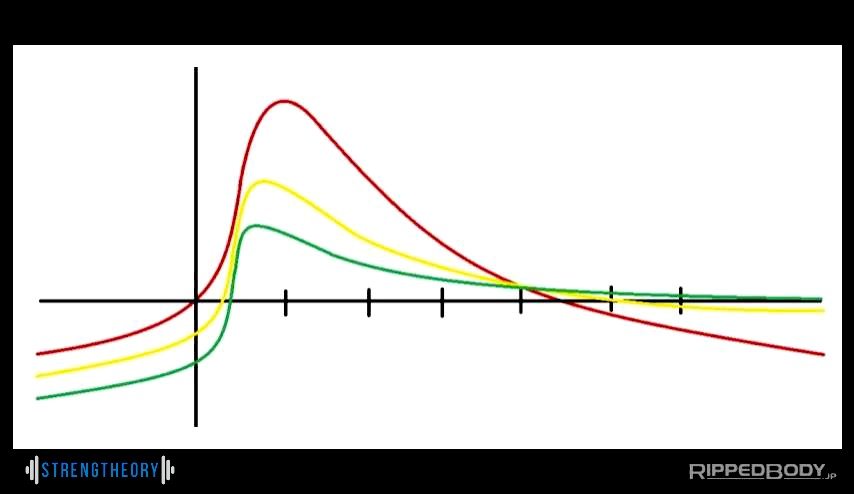
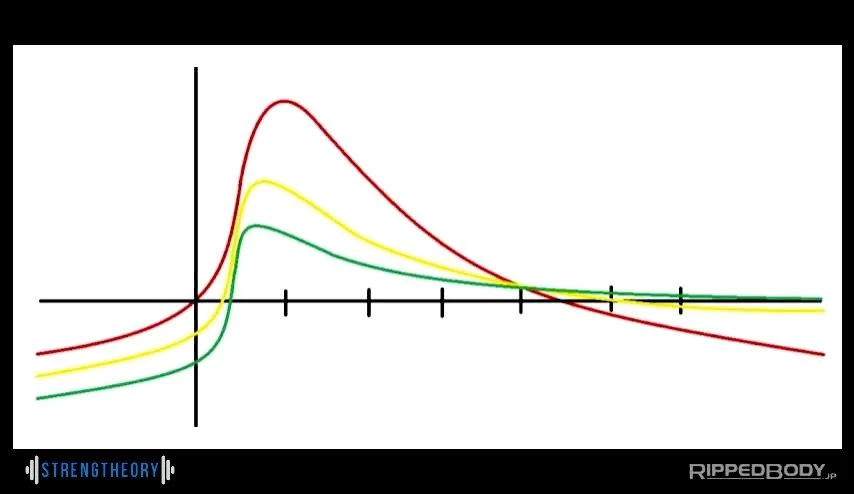
For the average trainee, the sensation of being "worn out" after a heavy lifting session or a high-intensity interval training (HIIT) class is classified as acute fatigue or "overreaching." According to the Fitness-Fatigue Model, every training stimulus creates both a fitness effect and a fatigue effect. Fatigue is a temporary mask that obscures an individual’s true level of fitness. As fatigue dissipates through recovery, the underlying fitness improvements become apparent.
The Risks of Elite Program Mimicry Among Recreational Trainees
A growing trend in the fitness community involves recreational lifters attempting to follow the training regimens of elite, professional athletes. Examples include "daily squatting" programs popularized by world-class powerlifters like Chris Duffin. While such high-frequency programs can yield significant results for professionals, they often prove detrimental to the general population.
The primary discrepancy lies in recovery capacity. Professional athletes often dedicate four to six hours daily to training, supplemented by professional-grade recovery protocols, including massage, physical therapy, and strict caloric management. In contrast, the average trainee typically contends with external stressors such as 40-hour work weeks, sedentary office environments, and family obligations. These external factors consume the "stress budget," leaving less room for the high-volume physical stress required by elite programs.
Furthermore, the physiological baseline of an elite athlete is built over years or decades. Attempting to replicate their "peak" volume without the prerequisite structural adaptations—such as tendon density and neurological efficiency—significantly increases the risk of acute musculoskeletal injuries.
Neurological and Physiological Demands of the Deadlift
In the hierarchy of strength exercises, the deadlift is widely regarded as the most taxing movement on the Central Nervous System (CNS). Unlike the squat or bench press, the deadlift begins from a "dead" stop, requiring a massive initial burst of neurological drive to overcome inertia.
Empirical evidence from strength coaches suggests a point of diminishing returns for heavy deadlifting once an athlete achieves a certain strength threshold, often cited as double their body weight. High-intensity deadlifting (defined as 85% or more of a one-rep maximum) generates significant systemic fatigue that can take several days or even weeks to fully resolve.

To mitigate this, many modern programs recommend limiting maximal deadlift efforts to once every two to three weeks. On intervening weeks, trainees often substitute heavy pulls with speed or technical work at lower intensities (60-70% of 1RM). This allows the athlete to refine their motor patterns and maintain explosive power without incurring the heavy "neurological debt" associated with maximal attempts.
Strategic Alternatives: Mechanical Loading and Active Recovery
To maintain progress without exceeding the body’s recovery capacity, experts suggest incorporating "unloaded" or bodyweight movements into accessory work. Movements such as Bulgarian Split Squats, performed for time rather than weight, can elicit a high degree of metabolic stress and muscular hypertrophy without the spinal compression and systemic drain of heavy barbell movements.
Additionally, the role of active recovery is becoming increasingly central to performance management. Simple activities, such as casual walking, have been shown to facilitate blood flow and lymphatic drainage, accelerating the removal of metabolic waste products from muscle tissue. Unlike high-impact "recovery" sessions, walking does not add to the overall stress load, making it a viable tool for daily implementation.
The Methodology of the Deload Cycle
A cornerstone of professional stress management is the "deload" week, typically implemented every fourth week of a training cycle. The primary objective of a deload is to reduce cumulative fatigue while maintaining the neurological adaptations gained during high-intensity phases.
There are two primary methods for structuring a deload:
- Volume Reduction: Maintaining the weight on the bar (intensity) but significantly reducing the total number of sets and repetitions. Research suggests that intensity is the primary driver for maintaining strength, while volume is the primary driver of fatigue.
- Intensity Reduction: Reducing both the weight lifted and the total volume, often used for athletes in a competitive season or those recovering from minor ailments.
By strategically reducing the workload, the body is given the opportunity to repair micro-trauma in muscle fibers and restore neurotransmitter levels in the brain. This ensures that the athlete enters the subsequent training block in a state of "supercompensation," where they are stronger and more capable than they were at the start of the previous cycle.

Broader Implications for Public Health and the Fitness Industry
The shift toward intelligent stress management reflects a maturing fitness industry. As data-driven coaching becomes the standard, the "no pain, no gain" mentality is being replaced by a focus on sustainable longevity. For the general public, this means a shift away from "annihilating" workouts that lead to burnout and toward a structured approach that views exercise as a manageable biological stimulus.
The implications for public health are significant. By promoting training programs that respect the body’s stress limits, the industry can reduce the incidence of gym-related injuries and improve long-term adherence to physical activity. As Pat Davidson, a prominent strength coach and doctor of exercise physiology, notes, the role of the coach is effectively that of a "stress manager." The goal is to apply the maximum amount of stress an individual can survive and adapt to, without crossing the threshold into systemic failure.
In conclusion, the evolution of strength and conditioning highlights that while hard work is a prerequisite for physical transformation, it must be governed by the laws of biology. Through the use of periodization, strategic exercise selection, and scheduled recovery, trainees can achieve elite-level results while minimizing the risks associated with excessive physical annihilation. The future of fitness lies not in working harder in a vacuum, but in working smarter within the context of human physiology.

